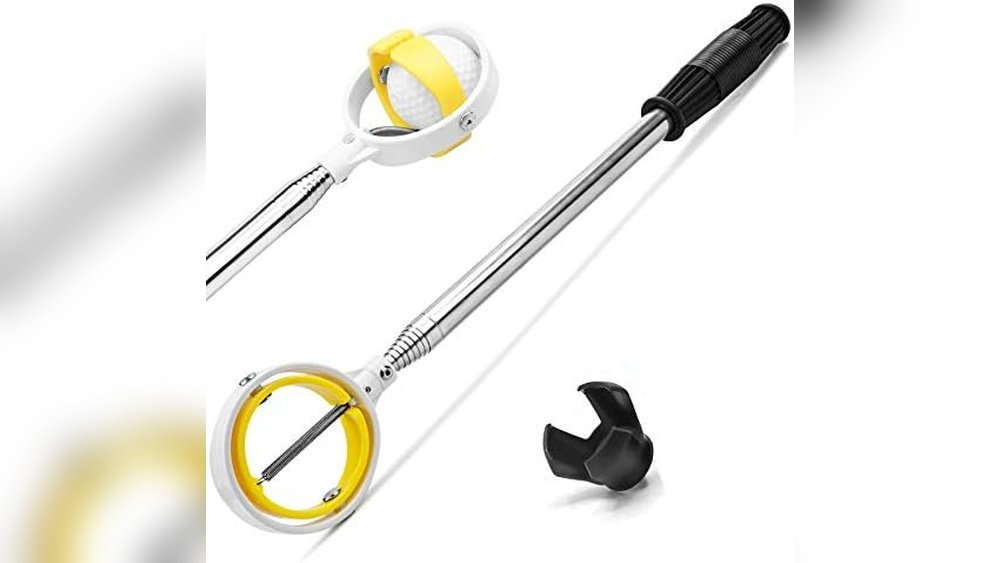
Are you frustrated because your golf ball retriever won’t lock properly? You’re not alone.
A faulty lock can ruin your game and waste your time. But don’t worry—understanding why this happens can save you from constant hassle on the course. You’ll discover the common reasons behind locking problems and easy fixes to get your retriever working smoothly again.
Keep reading to find out how to get your gear back in perfect shape and enjoy stress-free golf sessions.

Common Locking Issues
Golf ball retrievers often fail to lock properly due to common mechanical problems. These issues stop the device from holding its position and make retrieval hard. Understanding typical locking problems helps fix or avoid them quickly.
Worn Out Lock Mechanism
Repeated use wears down the lock parts. Springs lose tension and catches get smooth. This wear stops the lock from holding tight. Check for loose or weak parts regularly.
Debris And Dirt Buildup
Dirt, sand, and grass can gather inside the lock. This buildup blocks moving parts and prevents a full lock. Clean the retriever after each use to keep it working well.
Misaligned Lock Components
Parts may shift out of place after bumps or drops. Misalignment stops the lock from engaging correctly. Inspect the retriever and adjust parts to their correct positions.
Damaged Retrieving Arm
A bent or cracked arm can stop the lock from closing. Damage changes how parts fit and move. Check the arm for cracks or bends and replace if needed.
Quick Fixes To Try
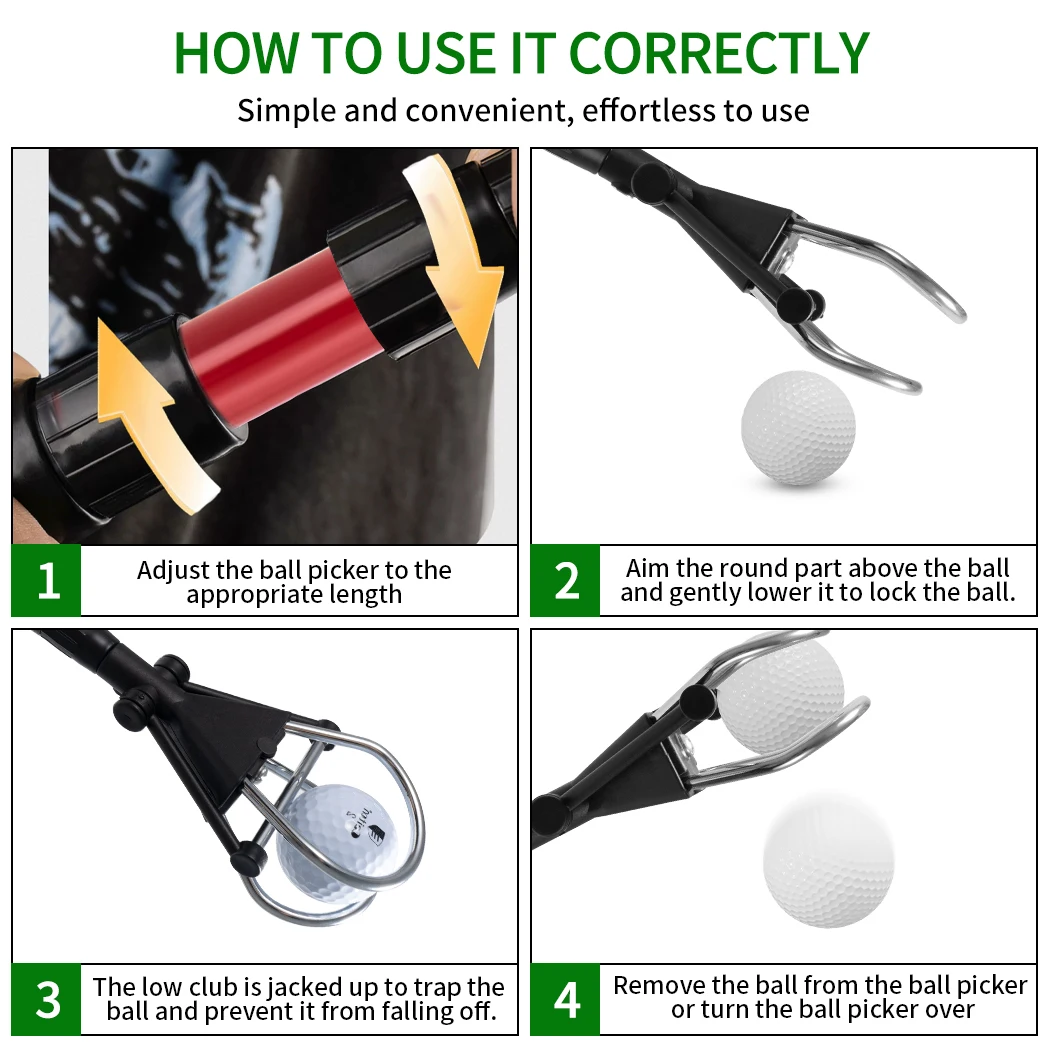
Having trouble with your golf ball retriever not locking properly? Small issues can stop it from working right. Trying quick fixes can save time and avoid frustration. These easy steps help most common lock problems. Keep your retriever working smoothly with simple care and checks.
Cleaning And Lubricating
Dirt and rust can block the lock from closing. Use a soft cloth to wipe the parts clean. Remove any sand or debris stuck inside. Apply a small amount of lubricant to the lock. This helps the parts move smoothly and stop sticking. Avoid too much oil to prevent dirt buildup.
Realigning The Lock Parts
Lock parts can get out of line after use. Check if the latch lines up with the catch. Slightly bend or move the parts back into place. Make sure everything fits snug without forcing. A good alignment lets the lock close tightly and stay secure.
Replacing Broken Pieces
Damaged parts can cause the lock to fail. Look for cracks or worn-out pieces. Replace any broken springs, latches, or pins. Use parts made for your retriever model. New parts restore full locking function and keep your tool safe.
Preventing Future Problems
Preventing future problems with your golf ball retriever helps keep it working well. Simple care and smart choices stop locking issues. This saves time and frustration on the course. Follow these tips to keep your retriever reliable and ready for use.
Regular Maintenance Tips
Check your retriever often for dirt and rust. Clean it with a soft cloth after each use. Lubricate moving parts lightly to keep them smooth. Tighten loose screws to avoid locking problems. Regular care keeps your retriever working well longer.
Proper Storage Techniques
Store your retriever in a dry place to avoid rust. Avoid leaving it in wet or humid areas. Keep it away from heavy objects that can bend or damage it. Use a protective case or bag for extra safety. Proper storage preserves the retriever’s parts and locking function.
Choosing Durable Retrievers
Pick retrievers made from strong, rust-resistant materials. Look for models with sturdy locking mechanisms. Avoid cheap models that break easily or lock poorly. Durable retrievers last longer and lock securely every time. Invest in quality to reduce future problems.
When To Seek Professional Help
Knowing when to get professional help can save time and prevent more damage. Some problems with your golf ball retriever need expert care. Trying to fix serious issues by yourself might make things worse. Professionals have the tools and skills to fix tricky problems properly.
Signs Of Irreparable Damage
Look for broken parts that cannot be fixed with glue or tape. Bent or twisted rods that do not straighten out are a bad sign. Locks that stay loose even after cleaning might be beyond repair. Missing or worn-out pieces can stop the retriever from locking right. If the retriever feels weak or unsafe, do not delay.
Finding Repair Services
Search for shops that specialize in golf equipment repairs. Check reviews to find trusted and reliable repair experts. Some stores offer mail-in service for convenience. Ask if they provide warranty on their repairs. Getting the right help ensures your retriever works like new again.

Frequently Asked Questions
Why Won’t My Golf Ball Retriever Lock Properly?
Your golf ball retriever may not lock due to dirt or debris in the locking mechanism. Cleaning and lubricating the joints can help. Also, check for bent or damaged parts that may prevent proper locking.
How Can I Fix A Stuck Golf Ball Retriever Lock?
To fix a stuck lock, gently clean the locking area with a soft cloth. Apply a small amount of lubricant like WD-40. Avoid forcing the mechanism to prevent damage.
What Causes Golf Ball Retriever Locks To Fail?
Locks often fail due to wear and tear, rust, or improper storage. Regular maintenance, cleaning, and drying after use can extend the lock’s life and prevent failure.
Can A Bent Retriever Shaft Affect Locking?
Yes, a bent shaft can misalign locking components, preventing secure locking. Inspect the shaft carefully and straighten or replace it if necessary for proper function.
Conclusion
A golf ball retriever that won’t lock can cause frustration. Dirt or damage often stops the lock from working right. Check the mechanism for dirt or bent parts. Clean and dry the retriever after each use. Tighten any loose screws or bolts carefully.
Using it gently helps avoid future problems. A properly locking retriever makes your game easier. Keep it well-maintained to enjoy smooth performance every time. Simple care prevents most locking issues. Don’t let a stuck retriever spoil your golf fun.


