Are you struggling to stay steady during your golf swing? Losing balance can turn a great shot into a frustrating miss.
If you’ve ever wondered, “Why am I losing balance in my golf swing? ” You’re not alone. This common problem affects many golfers, but the good news is, understanding the reasons behind it can help you fix it fast. You’ll discover simple, effective tips to regain your stability and improve your game.
Keep reading to uncover the secrets that can transform your swing and boost your confidence on the course.
Common Causes Of Balance Loss
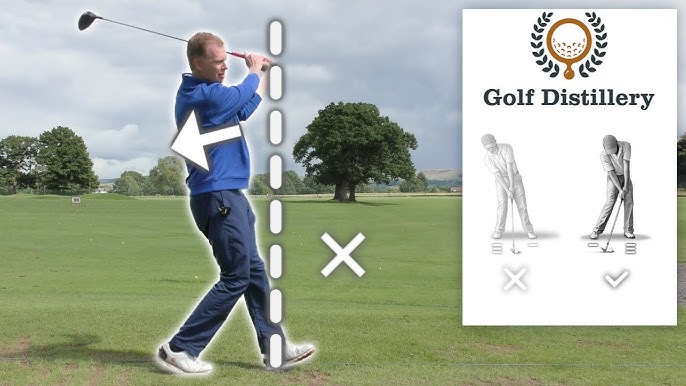
Losing balance during a golf swing affects your accuracy and power. Understanding common causes helps improve your stability. Small mistakes lead to big problems in your swing.
Balance depends on body control and proper technique. Several factors can cause you to lose balance. Fixing these will help steady your swing.
Poor Posture And Alignment
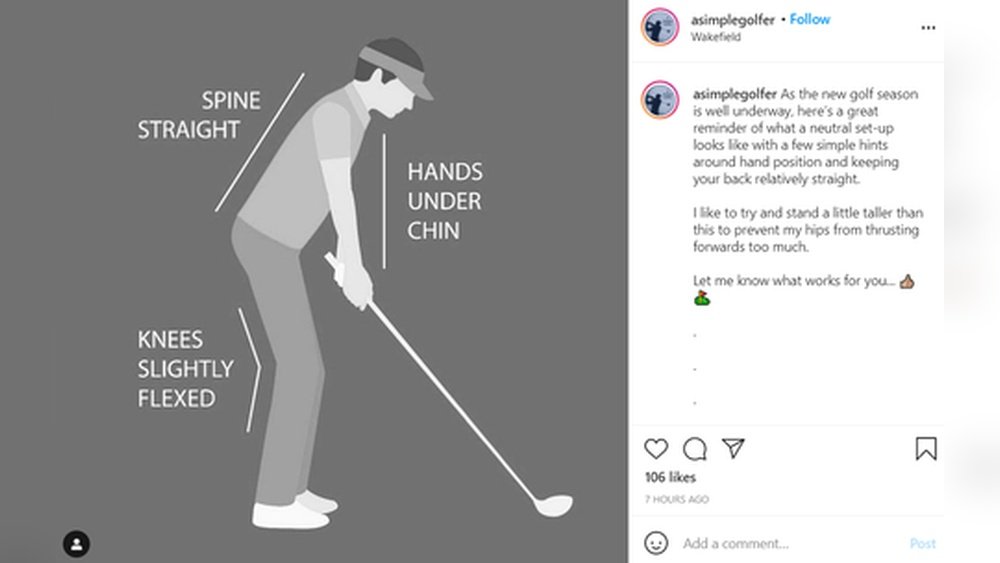
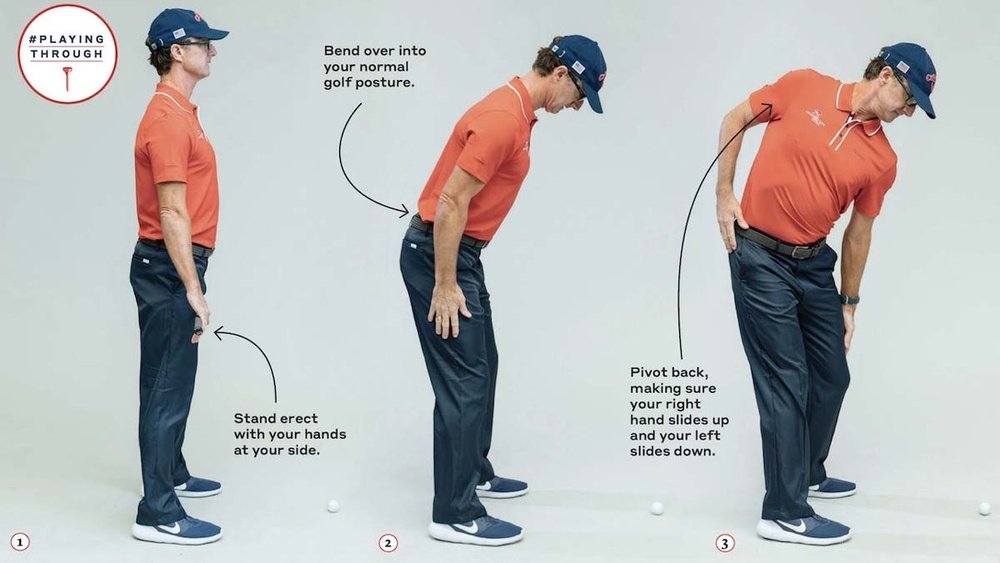
Bad posture shifts your center of gravity. Leaning too far forward or backward breaks your balance. Incorrect alignment makes it hard to stay steady. Stand tall with a slight bend at the hips. Keep your shoulders and feet aligned with the target.
Weak Core Muscles
Your core controls your body during the swing. Weak core muscles cause wobbling and loss of control. Strong abs and back muscles support balance. Include core exercises in your routine to build strength. A stable core keeps your body steady and improves swing flow.
Improper Weight Transfer
Weight must move smoothly from back foot to front foot. Sudden or uneven shifts cause you to lose balance. Keep your weight centered during the backswing. Shift weight gradually during the downswing. Practice slow swings to feel proper weight movement.
Lack Of Flexibility
Tight muscles limit your range of motion. Limited flexibility forces awkward swings and poor balance. Stretch your hips, legs, and shoulders regularly. Flexible joints allow smoother, more controlled movements. Flexibility helps maintain balance throughout your swing.
Inconsistent Swing Tempo
Rushing your swing disrupts your rhythm and balance. A jerky tempo causes instability and poor shots. Find a steady, comfortable swing speed. Practice with a metronome or count to keep tempo consistent. Smooth swings improve balance and shot accuracy.
Impact Of Balance On Your Swing
Balance plays a key role in every golf swing. It affects how you move and how well you hit the ball. Without good balance, your swing may lose power and control. It also raises your chance of getting hurt. Understanding balance helps you improve your golf skills safely.
Effect On Swing Power
Good balance allows you to transfer energy smoothly through your body. This energy moves from your legs to your arms and finally to the club. If you lose balance, this energy breaks down. Your swing becomes weak and less effective. Strong swings need steady feet and a firm stance.
Influence On Accuracy
Balance helps keep your body aligned during the swing. This alignment guides the clubface to hit the ball correctly. When balance is off, your swing path can change. This leads to slices, hooks, or missed shots. Keeping balance improves your aim and consistency.
Connection To Injury Risk
Losing balance forces your muscles to work harder to stay upright. This strain can cause injuries in your back, knees, or ankles. Poor balance puts stress on joints and ligaments. Maintaining balance reduces the risk of pain and long-term damage.
Techniques To Improve Stability
Improving stability in your golf swing is key to maintaining balance and hitting better shots. Stability helps you control your movements and prevents unnecessary swaying. Many golfers lose balance due to weak muscles or poor technique. Simple exercises and small changes can make a big difference. Focus on strengthening your core, practicing balance drills, placing your feet correctly, and controlling your swing tempo.
Strengthening Core Exercises
Your core supports your entire body during the swing. Strong core muscles keep you steady and balanced. Try planks, bridges, and abdominal crunches. These exercises build strength and endurance. A stronger core reduces swaying and helps you finish your swing smoothly. Aim to do core exercises 3 times a week for best results.
Balance Drills For Golfers
Balance drills train your body to stay steady during the swing. Stand on one leg and hold your position for 30 seconds. Use a balance board to improve coordination and control. Practice slow swings while focusing on your balance. These drills help your body adjust to the shifting weight during a swing. Regular practice improves muscle memory and stability.
Proper Foot Placement Tips
Your feet provide the base for your swing. Place them shoulder-width apart for a solid foundation. Keep your weight evenly distributed between both feet. Slightly bend your knees to stay flexible and balanced. Avoid lifting your heels or toes during the swing. Correct foot placement prevents wobbling and helps maintain control.
Swing Tempo Control
Controlling your swing tempo improves balance and accuracy. Swinging too fast often causes you to lose balance. Practice a smooth, steady rhythm from start to finish. Count in your head or use a metronome to keep tempo consistent. A controlled swing allows better weight transfer and keeps you stable throughout.

Equipment Adjustments For Better Balance
Balance plays a key role in a good golf swing. Small changes in your equipment can improve your stability. Adjusting your gear helps your body stay steady during each swing. Let’s explore how the right equipment supports better balance on the course.
Choosing The Right Shoes
Golf shoes affect your grip on the grass. Shoes with soft spikes provide better traction. They stop your feet from slipping during swings. Proper shoes keep your stance firm and stable. Avoid shoes with worn-out soles or no spikes.
Club Selection And Fit
Using clubs that fit your body size helps control. Clubs that are too long or heavy cause imbalance. Custom-fit clubs match your height and swing style. Lighter clubs allow smoother, balanced swings. Check your clubs regularly for proper fit and weight.
Using Training Aids
Training aids help improve your swing balance and form. Balance boards teach you how to shift weight correctly. Swing trainers guide your arm and body movement. These tools build muscle memory for steady swings. Practice with aids to develop stronger, balanced swings over time.
Mental Focus And Balance
Mental focus plays a big role in keeping balance during a golf swing. When your mind drifts, your body can lose control. Staying sharp helps your muscles work smoothly. Balance comes from both physical control and mental calm. Training your mind can improve your swing stability and overall performance.
Breathing Techniques
Breathing deeply helps calm your nerves before a swing. Take slow, steady breaths to reduce tension. Hold your breath briefly at the top of the backswing. Exhale smoothly during the downswing. This rhythm keeps your body relaxed and steady.
Visualization Strategies
Picture your perfect swing before you start. Imagine feeling balanced and strong throughout the motion. See the ball flying straight and true. This mental image prepares your body to follow through with control. Visualization builds confidence and steadiness.
Staying Relaxed During Swing
Tension in your muscles makes balance harder to keep. Keep your grip light and your arms loose. Avoid tightening your shoulders or neck. A relaxed body moves more fluidly and stays balanced. Let your swing flow naturally without forcing it.

When To Seek Professional Help
Losing balance during your golf swing can hurt your performance and cause injury. Sometimes, small changes in your technique can help. Other times, professional advice is needed to fix the problem. Knowing when to seek help can save time and improve your swing quickly.
Working With A Golf Coach
A golf coach can spot flaws in your swing that you miss. They provide clear tips to improve your stance and weight shift. Coaches guide you through drills to build better balance. Regular sessions help track progress and adjust techniques.
Physical Therapy Options
Balance issues may come from body weakness or injury. Physical therapists assess your strength and flexibility. They create exercises to improve muscle control and stability. Therapy reduces pain and prevents future injuries during swings.
Using Video Analysis
Video analysis shows your swing in slow motion. It helps identify balance breaks and timing errors. Visual feedback makes it easier to understand what to fix. Many coaches use video tools for detailed swing reviews.
Frequently Asked Questions
Why Am I Losing Balance During My Golf Swing?
Losing balance in your golf swing often results from poor posture or improper weight transfer. Focus on a stable stance and controlled movements to maintain balance throughout the swing.
How Does Grip Affect Balance In Golf Swings?
A tight or incorrect grip can restrict your swing motion and cause imbalance. Ensure your grip is firm but relaxed to promote smooth, balanced swings.
Can Body Alignment Cause Balance Issues In Golf?
Yes, incorrect body alignment can disrupt your center of gravity. Align your feet, hips, and shoulders properly to improve stability and balance during your swing.
Does Lack Of Core Strength Impact Golf Swing Balance?
Core weakness reduces your ability to control your body during the swing. Strengthening your core muscles can enhance stability and prevent balance loss.
Conclusion
Losing balance in your golf swing can affect every shot you take. Small changes in your stance or grip can make a big difference. Focus on keeping your weight steady and your movements smooth. Practice regularly to build better control and strength.
Remember, balance takes time and patience to improve. Stay calm and keep working on your swing. You will see progress with each practice session. Keep these tips in mind for a more stable golf swing.