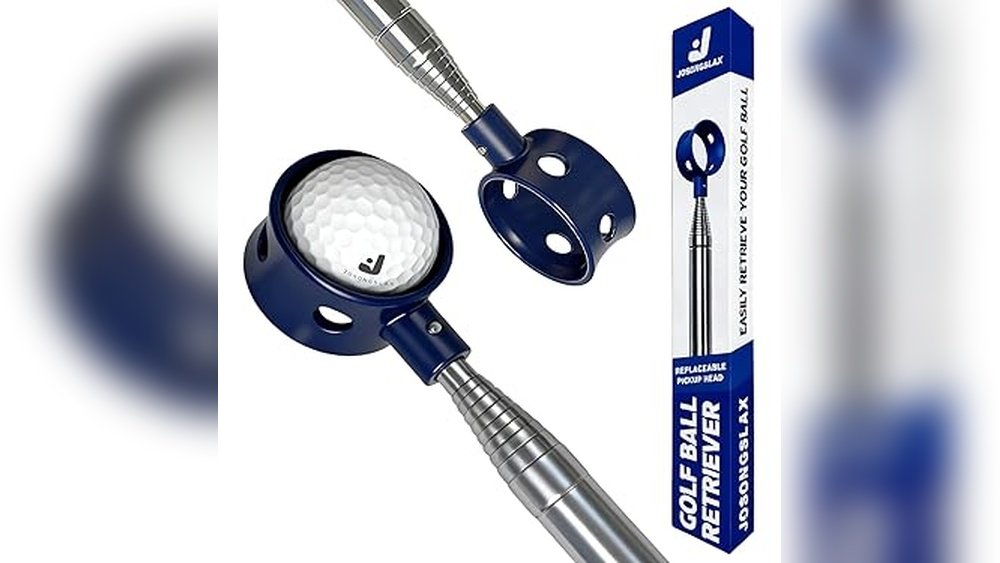
Losing a golf ball in water or thick bushes can be frustrating. You want to get it back quickly without damaging your clubs or wasting time.
That’s where a golf ball retriever comes in. But with so many materials used to make these retrievers, which one is truly the best for your needs? Choosing the right material can make your game smoother and save you from unnecessary hassle.
Keep reading to discover which golf ball retriever material stands out and why it could be the perfect fit for you.
Types Of Materials Used
Golf ball retrievers come in different materials. Each type offers unique benefits and drawbacks. Knowing the materials helps you pick the right one for your needs. Materials affect weight, strength, and durability. They also influence cost and ease of use.
Plastic Retrievers
Plastic retrievers are lightweight and affordable. They usually have a simple design. Plastic is not very strong but resists water well. These retrievers suit casual golfers and light use. They may bend or break under heavy pressure.
Aluminum Retrievers
Aluminum retrievers are stronger than plastic ones. They offer good durability with moderate weight. Aluminum resists rust, making it ideal for wet conditions. These retrievers handle frequent use better. They are a popular choice for many golfers.
Fiberglass Retrievers
Fiberglass retrievers are lightweight and flexible. They resist corrosion and stay strong over time. Fiberglass can absorb shock, reducing damage risk. These retrievers are easy to carry and use. They work well in various weather conditions.
Carbon Fiber Retrievers
Carbon fiber retrievers are very strong and light. They offer excellent durability and stiffness. Carbon fiber resists water and chemicals well. These retrievers often cost more due to advanced materials. They suit serious golfers who want top performance.

Durability Factors
Durability is a key factor when choosing the best material for a golf ball retriever. The retriever must withstand daily use without breaking or wearing out quickly. Strong materials help keep the tool reliable over time. Consider how well the material handles water, pressure, and different outdoor conditions.
Resistance To Water And Rust
Golf ball retrievers often get wet during use. Materials that resist water prevent damage and rust. Stainless steel and aluminum are good choices for rust resistance. Plastic parts can also avoid rust but may wear faster. Water resistance keeps the retriever working smoothly on wet grass or near water hazards.
Impact And Pressure Tolerance
The retriever faces impacts when picking up balls from rough spots. It must handle pressure without bending or breaking. Metal retrievers handle impacts better than plastic ones. Strong joints and flexible parts add to pressure tolerance. Durable materials reduce the chance of snapping under stress.
Longevity In Different Environments
Golf courses have varied weather and terrain. The retriever needs to last in sun, rain, and cold. UV-resistant materials prevent cracking from sun exposure. Corrosion-resistant metals survive humid or salty air near coastal courses. A durable retriever stays useful across many seasons and places.
Weight And Portability
Weight and portability are key factors when choosing a golf ball retriever. A retriever that is too heavy can tire you quickly. Portability ensures you can carry it easily across the course. The right material impacts both weight and ease of use.
Lightweight Options
Materials like aluminum and carbon fiber make retrievers light. These materials reduce the overall weight without losing strength. Lightweight retrievers help you reach balls faster. They also cause less strain on your arms during use.
Ease Of Handling
Light retrievers offer better control and maneuverability. You can extend and retract them quickly. Smooth handling saves time and effort on the course. Materials with good grip also improve ease of use.
Storage And Transport
Portable retrievers fit easily in golf bags or car trunks. Materials that fold or telescope help save space. Lightweight retrievers add minimal bulk, making transport simple. Easy storage means you always have your retriever ready.
Cost Vs Quality
Choosing the right material for a golf ball retriever depends on balancing cost and quality. You want a tool that lasts but also fits your budget. Some materials cost less but may wear out faster. Others might be expensive but offer better durability and performance. Understanding these differences helps make a smart choice.
Budget-friendly Materials
Plastic is a common budget option. It keeps the retriever light and affordable. Many plastic retrievers work well for casual players. Aluminum is another cost-effective choice. It is stronger than plastic but still affordable. These materials suit golfers who need simple tools without extra features.
Premium Material Benefits
Stainless steel is a premium material for retrievers. It resists rust and lasts much longer than plastic. Carbon fiber is also top quality. It is very strong and lightweight. These materials offer better build and reliability. They handle rough use and harsh weather well.
Value For Money Analysis
Budget materials save money upfront but may need replacing soon. Premium materials cost more but avoid frequent purchases. Consider how often you use the retriever. Frequent users get more value from strong materials. Occasional players might prefer the cheaper options. Think about your needs and budget carefully.
User Comfort And Safety
User comfort and safety play a big role in choosing the best material for a golf ball retriever. A retriever should feel good in your hand and protect you from injury. The right materials make it easier to hold and use the tool for longer periods. Safety features prevent accidents and keep you safe on the golf course. The design must fit your hand well to avoid strain or slipping. These factors help you enjoy the game without worry.
Grip And Handle Material
The grip and handle material affect how easy the retriever is to hold. Rubber grips offer a soft, non-slip surface. They prevent the retriever from slipping in wet conditions. Foam handles are lightweight and comfortable for long use. Plastic handles are durable but may feel hard. Materials that absorb sweat improve control and reduce hand fatigue. Choose a grip material that feels secure and soft to touch.
Safety Features
Safety features reduce the risk of injury while using a retriever. Rounded edges on the scoop avoid cuts or scratches. Locking mechanisms keep the retriever from collapsing during use. Bright colors make the retriever easier to spot, reducing trips or falls. Some retrievers have wrist straps to prevent dropping. Materials that resist rust and corrosion keep the tool safe and strong. These features protect you and extend the tool’s life.
Ergonomic Design Considerations
Ergonomic design helps reduce strain on your hands and arms. A handle shape that fits your hand improves comfort. Telescoping poles with easy-to-use locks let you adjust length without stress. Lightweight materials reduce arm fatigue during long use. Some retrievers have cushioned handles to soften pressure points. Designs that balance weight evenly improve control and reduce muscle strain. Good ergonomics make the retriever easier and safer to use.
Environmental Impact
Choosing the right material for a golf ball retriever affects more than just its strength and weight. The environmental impact of the material plays a big role. Eco-friendly choices help protect nature and reduce waste. Understanding these impacts can guide better decisions for golf lovers and nature alike.
Eco-friendly Materials
Materials like bamboo and recycled plastics are gentle on the environment. Bamboo grows quickly and needs little water. It breaks down naturally without harming soil or water. Recycled plastics reduce the need for new plastic production. They keep waste out of landfills and oceans. These materials lower pollution and save natural resources.
Recyclability
Choosing recyclable materials helps reduce garbage. Metals like aluminum and stainless steel can be recycled many times. They keep valuable resources in use and cut energy use in making new products. Plastics that can be recycled also reduce waste. This means less harm to wildlife and fewer landfill problems. A retriever made from recyclable parts supports a cleaner planet.
Sustainability In Production
The way materials are made affects the planet too. Sustainable production uses less water and energy. It avoids harmful chemicals and protects workers. Some factories use solar or wind power to make products. Others recycle water and materials during production. Picking retrievers made this way helps reduce pollution and saves resources.
Recommendations For Different Needs
Choosing the right material for a golf ball retriever depends on your playing style and needs. Different materials offer unique benefits. Some are light and easy to carry. Others are strong and last longer. This section helps you find the best option based on how often and where you play.
Casual Golfers
Casual golfers want a retriever that is simple and light. Aluminum is a good choice. It is easy to carry and does not rust. It works well for occasional use. Plastic retrievers can also be good. They are cheap and light but less strong. These materials suit players who do not need heavy equipment.
Professional Players
Professional players need a retriever that is durable and reliable. Stainless steel is the best option. It resists rust and damage well. It can handle frequent use in tough conditions. Carbon fiber is also popular. It is strong but very light. These materials help pros save time and effort on the course.
Frequent Water Hazard Users
Players who often retrieve balls from water need corrosion-resistant materials. Stainless steel works well here, too. It does not rust even after long water exposure. Some retrievers have a rubber grip to avoid slipping. Lightweight materials like aluminum also help in water. They are easy to handle and dry fast.


Frequently Asked Questions
What Is The Most Durable Material For Golf Ball Retrievers?
Stainless steel is the most durable material for golf ball retrievers. It resists rust, bends, and breaks. This makes it ideal for long-term use in various weather conditions.
Are Lightweight Materials Better For Golf Ball Retrievers?
Yes, lightweight materials like aluminum make retrievers easier to handle. They reduce arm fatigue during extended use. However, they may be less durable than stainless steel.
Why Is Rust Resistance Important In Golf Ball Retriever Materials?
Rust resistance prevents corrosion from water exposure on golf courses. Materials like stainless steel and coated aluminum resist rust. This extends the retriever’s lifespan and maintains smooth operation.
Can Plastic Retrievers Be Effective For Golf Balls?
Plastic retrievers are lightweight and affordable but less durable. They may crack or break under heavy use. They work best for casual players or occasional use.
Conclusion
Choosing the right material for a golf ball retriever matters a lot. Metal offers strength and durability for tough use. Plastic is lighter and easier to handle but less strong. Consider where and how often you will use it. Think about weight, length, and ease of cleaning too.
Your comfort and needs should guide your choice. The best retriever feels right in your hands. This helps you save time and enjoy your game more. Pick wisely for long-lasting results on the course.


