Have you ever wondered which golf club can send the ball the farthest down the fairway? If you want to boost your game and hit longer shots, knowing the right club to choose is key.
Imagine standing on the tee, confident that your next swing will cover more ground than ever before. This guide will help you discover exactly which golf club gives you the most distance, so you can play smarter and impress everyone on the course.
Keep reading to unlock the secret to longer drives and better scores!
Factors Affecting Golf Club Distance
Golf club distance depends on several key factors. Understanding these can help improve your shot length. Each factor plays a role in how far the ball travels. Let’s explore the most important ones.
Clubhead Speed
Clubhead speed is how fast the club moves during a swing. Faster speed means more power and longer shots. It depends on your strength and swing technique. Increasing speed can add yards to your drive.
Loft Angle
The loft angle is the clubface tilt. It affects the ball’s launch and spin. Lower lofts produce lower, longer shots. Higher lofts create higher, shorter shots. Choosing the right loft helps maximize distance.
Shaft Flexibility
Shaft flexibility affects how the club bends during a swing. A flexible shaft can add distance for slower swings. Stiffer shafts suit faster swings and offer better control. Matching shaft flex to your swing is key.
Ball Type
Golf balls vary in compression and cover materials. Softer balls spin more and feel better. Harder balls travel farther but spin less. The right ball can improve distance and accuracy.

Driver: The Distance Champion
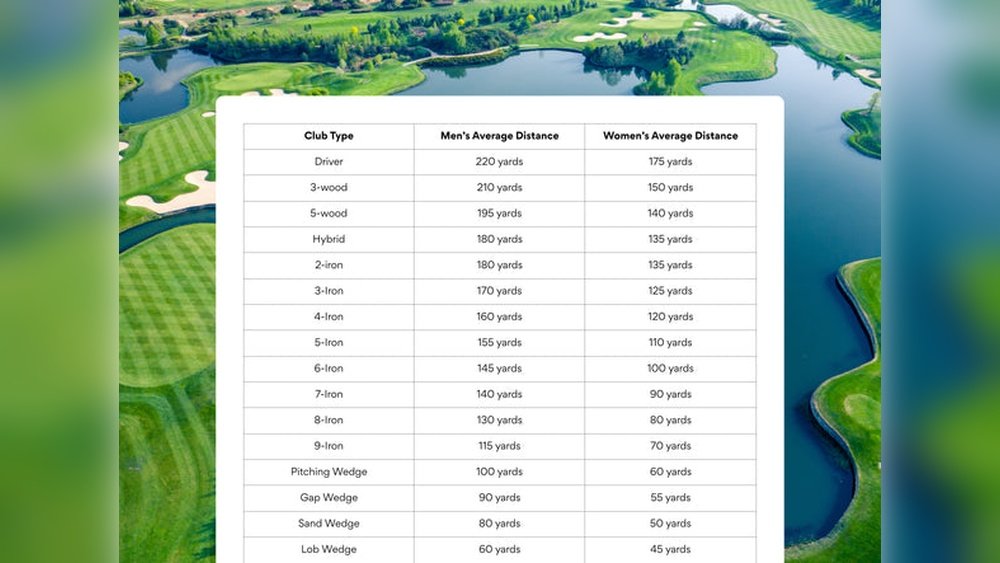
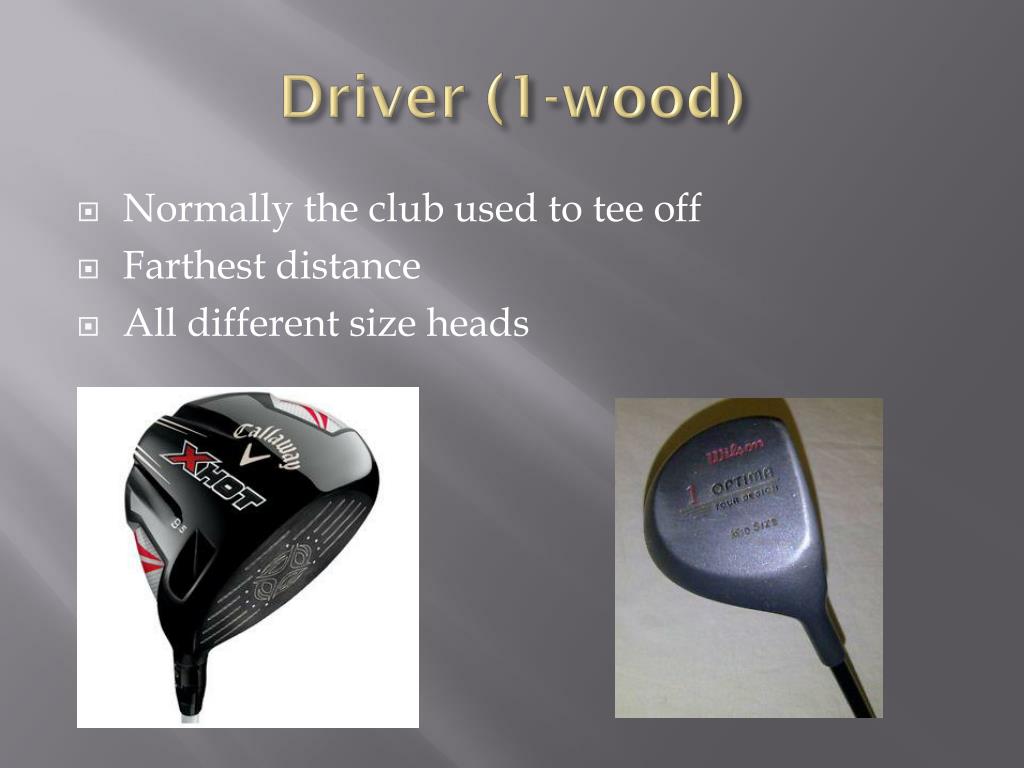
The driver is the golf club that hits the ball the farthest. It is the club used to start most holes on a golf course. The driver has a large head and a long shaft. These features help golfers hit the ball with more speed and distance. Many golfers trust the driver to send the ball down the fairway with power and precision.
Design Features Of Drivers
Drivers have a large clubhead, often made of titanium or composite materials. This makes them lightweight yet strong. The face of the driver is flat and wide, helping to strike the ball cleanly. The long shaft allows for a wider swing arc, increasing clubhead speed. Some drivers have adjustable weights or loft angles to fit different swing styles. These design features help golfers hit the ball farther than with other clubs.
Optimal Conditions For Maximum Distance
Distance depends on more than just the club. A smooth, powerful swing is key. Hitting the ball in the center of the clubface gives the best results. Weather also affects distance. Dry, warm air helps the ball fly farther. A firm fairway allows for a better roll after landing. Using the driver on long holes gives the best chance for maximum distance. The right conditions and good technique combine to make the driver the distance champion.
Fairway Woods And Hybrids
Fairway woods and hybrids are key clubs in many golfers’ bags. They offer a blend of distance and control. These clubs help players reach long distances while keeping shots accurate. Both types have unique features that suit different shots on the course. Understanding their distance and best uses can improve your play.
Distance Compared To Drivers
Drivers usually hit the ball the farthest. They have the largest clubhead and lowest loft. Fairway woods come next in distance. They have smaller heads and higher lofts than drivers. Hybrids are shorter than fairway woods but longer than irons. They provide moderate distance with easier control. The ball does not travel as far with hybrids compared to drivers or fairway woods.
When To Use Fairway Woods Or Hybrids
Fairway woods work well for long shots from the fairway or rough. They are good for tee shots on shorter holes. Hybrids are easier to hit from difficult lies. They help when the ball is in thick grass or uneven ground. Use hybrids to replace long irons for better accuracy. Both clubs suit approach shots to the green at longer distances.
Irons And Their Distance Range
Irons are key clubs in golf. They help players hit the ball with control and precision. Each iron is designed for a specific distance range. This range depends on the loft, length, and design of the club. Understanding how irons work helps golfers choose the right club for each shot.
The distance you can hit with irons varies a lot. Short irons hit the ball shorter but more accurately. Long irons cover more distance but are harder to control. Players use irons for shots from the fairway, rough, or near the green.
Long Irons Versus Short Irons
Long irons include clubs like the 2, 3, and 4 irons. They have lower lofts and longer shafts. This design allows the ball to travel farther. Many golfers find long irons harder to hit well because of their size.
Short irons are usually 7, 8, and 9 irons. They have higher lofts and shorter shafts. These clubs send the ball higher in the air with more spin. Short irons offer more control for precise shots.
Role In Distance And Accuracy
Long irons mainly focus on distance. They help reach the green or clear hazards. Accuracy with long irons can be challenging for beginners. Short irons focus more on accuracy and control. They help place the ball close to the hole.
Choosing the right iron depends on the shot needed. Long irons for longer distances, short irons for precision. Both types are essential in a golfer’s bag. Knowing their distance range improves shot strategy.
The Role Of Technology In Distance
Technology shapes how far golf clubs hit the ball. New tech helps players hit longer and straighter shots. Golf club makers use smart designs and materials to boost distance. These changes help golfers improve without extra effort.
Advancements In Club Materials
Modern clubs use lighter and stronger materials. Titanium and carbon fiber make clubs easier to swing fast. Faster swings create more ball speed and longer shots. Clubs also have bigger heads with thin faces. This design increases the “spring” effect, sending the ball farther.
Impact Of Adjustable Features
Many clubs now have adjustable settings. Players can change loft, lie, and weight positions. Adjustments help find the best launch angle and spin rate. These changes improve distance and accuracy for each player. Custom settings make clubs fit all types of swings.
Player Skill And Swing Mechanics
Player skill and swing mechanics play a big role in how far a golf ball travels. The best club for distance depends on how well a player swings. A strong, smooth swing sends the ball farther. Poor technique cuts distance, no matter the club.
Many golfers focus on their club choice but forget their swing quality. Improving swing mechanics helps players hit longer shots. Simple changes can add yards to every shot. Understanding how swing affects distance is key to better golf.
How Swing Affects Distance
Swing speed is one main factor. Faster swings create more ball speed and longer shots. The angle of the clubface also matters. A square face hits the ball straighter and farther.
Good timing is critical. Hitting the ball too early or late reduces distance. The path of the swing influences ball flight. A consistent, smooth path creates more power.
Training Tips For Longer Shots
Practice regularly with focus on swing speed. Use drills to improve timing and rhythm. Strength training can increase swing power.
Work with a coach to fix swing flaws. Video analysis helps spot issues easily. Try slow-motion swings to build muscle memory. Stretching and warm-ups prevent injury and improve flexibility.
Choosing The Right Club For Distance
Choosing the right golf club for distance is not just about picking the one with the longest number. Each player has a unique style and strength. The right club matches your swing speed and control. This match helps you hit the ball farther and straighter. Understanding your needs improves your performance on the course.
Matching Clubs To Playing Style
Every golfer swings differently. Some have fast swings, others slow. Fast swingers often benefit from drivers with low loft. Slow swingers need clubs with higher loft for better lift. Your playing style also affects the shaft flexibility. A flexible shaft helps slower swings generate more speed. Matching clubs to your style feels natural and boosts distance.
Custom Fitting Benefits
Custom fitting adjusts the club to your body and swing. It checks your height, arm length, and swing speed. This fitting finds the perfect club length and shaft type. Custom clubs reduce mistakes and increase confidence. Fitting also improves your stance and grip. The right fit means better control and longer shots.

Frequently Asked Questions
Which Golf Club Hits The Ball The Farthest?
The driver typically hits the ball the farthest. It has the lowest loft and longest shaft. This design maximizes distance off the tee. Skilled players can achieve over 300 yards with a driver.
How Does Loft Affect Golf Club Distance?
Lower loft clubs hit the ball farther but with less height. Higher loft clubs produce higher shots with less distance. Drivers have the lowest loft, usually 8-12 degrees, making them ideal for maximum distance.
Can A 3-wood Hit Farther Than A Driver?
Generally, no. Drivers usually outperform 3-woods in distance due to longer shafts and lower loft. However, 3-woods offer more accuracy and can be easier to control off the tee.
Does Swing Speed Impact The Farthest Club Distance?
Yes, higher swing speeds increase ball speed and distance. Faster swings maximize the driver’s potential for long shots. Players with slower swing speeds might find fairway woods or hybrids easier for distance.
Conclusion
Choosing the right golf club can change how far your ball goes. Drivers usually hit the farthest because of their design and loft. But skill and swing speed also matter a lot. Practice with different clubs to see what fits you best.
Keep in mind, distance is not everything in golf. Accuracy and control help you score better too. Enjoy the process of finding your perfect club. Play smart, and have fun on the course.


