Are you struggling to get the perfect swing or feel uncomfortable with your golf clubs? One simple fix might be right in front of you: the length of your golf clubs.
Choosing the ideal golf club length can make a huge difference in your game, improving your accuracy, distance, and overall comfort on the course. But how do you know what length is right for you? Keep reading, and you’ll discover the key factors that determine the perfect club length tailored just for your swing.
This could be the game-changer you’ve been looking for.
Factors Influencing Club Length
Choosing the right golf club length depends on several key factors. These factors ensure comfort, control, and better performance. Understanding them helps players pick clubs that suit their body and style. Each golfer is unique, so club length should fit individual needs.
Player Height And Arm Length
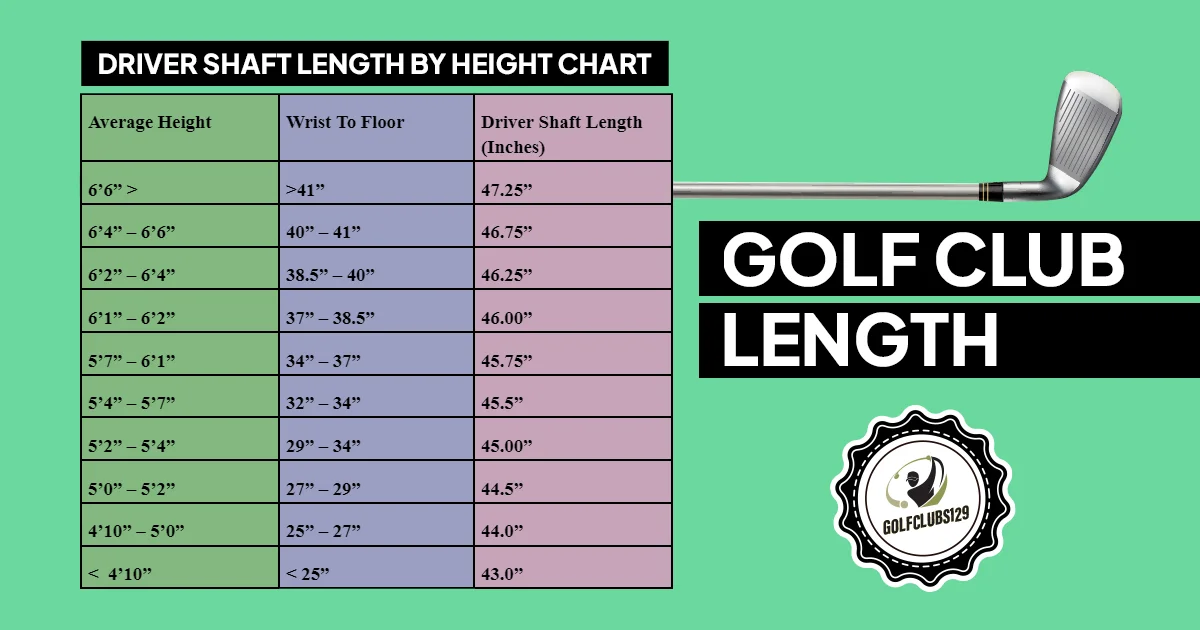
Height plays a big role in club length. Taller players usually need longer clubs. Shorter players benefit from shorter clubs for better control. Arm length also affects the fit. Longer arms require longer clubs to reach the ball comfortably.
Swing Style And Speed
The way a player swings impacts club length choice. Fast swingers may prefer standard or slightly shorter clubs. Slower swingers often benefit from longer clubs to gain distance. Swing style affects how the club feels during the swing. Proper length helps maintain balance and rhythm.
Playing Experience Level
Beginners often need shorter clubs for easier handling. Shorter clubs help improve accuracy and confidence. Experienced players might use clubs matched closely to their body and style. Club length can evolve as skills improve. Adjusting length helps optimize performance over time.
Standard Vs Custom Club Lengths
Choosing the right golf club length is key for better shots. Golfers often face a choice between standard and custom club lengths. Understanding the differences helps pick the best fit. This section explains the benefits of standard lengths and when custom lengths make sense.
Benefits Of Standard Lengths
Standard clubs fit most players well. They follow the average height and arm length. These clubs are easy to find and usually cost less. Beginners often start with standard lengths to learn basics. Using standard clubs helps develop a consistent swing. They are tested and proven by many golfers.
When To Choose Custom Lengths
Custom clubs match your exact body size. Taller or shorter players need special lengths. Custom fitting improves comfort and control during swings. It can fix problems like slicing or topping the ball. Serious golfers choose custom clubs to improve accuracy. Custom lengths also help avoid injuries from bad posture.
Measuring For The Perfect Fit
Getting the right golf club length makes a big difference. It helps you swing smoothly and hit better shots. Measuring for the perfect fit is simple but important. It ensures the club matches your height and arm length. Proper measurement leads to more control and comfort on the course.
Proper Measuring Techniques
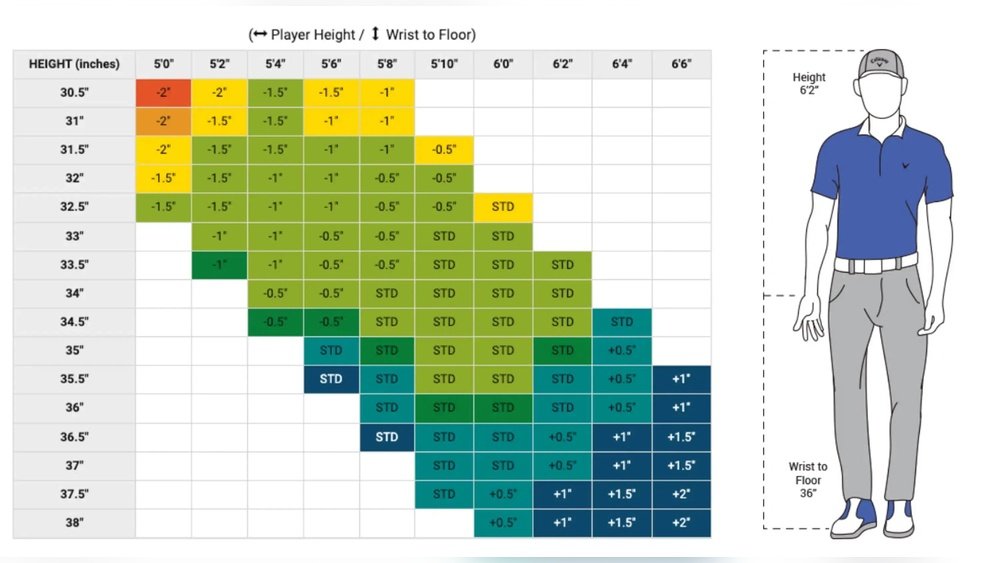
Stand straight with your shoes on. Let your arms hang naturally at your sides. Have someone measure from the floor to your wrist bone. This length guides the ideal club size for you. Check your posture and stance while measuring. It affects the final measurement and club fit.
Tools And Equipment Needed
A tape measure works best for accuracy. Use a flat ruler for small adjustments. A helper is useful to hold the tape and note measurements. Some golf stores offer fitting tools to check club length. These tools provide precise readings and ensure a perfect fit.

Impact Of Club Length On Performance
The length of a golf club plays a key role in how well you perform on the course. It affects your swing, how far the ball goes, and your overall comfort. Choosing the right club length helps improve your game. It also reduces the chance of mistakes and injuries.
Accuracy And Control
Shorter clubs offer better accuracy. They are easier to guide and control. You can aim more precisely with a shorter shaft. This helps when you need to place the ball carefully. Long clubs can be harder to control. Your swing may become less consistent with longer clubs.
Distance And Power
Longer clubs can generate more power. They provide a greater swing arc and speed. This often leads to longer shots. But power alone does not guarantee success. If the club is too long, you may lose control. Finding a balance between length and power is important.
Comfort And Consistency
The right club length feels natural in your hands. It allows for a smooth, repeatable swing. Comfort helps reduce strain on your body. Consistent swings lead to better results on the course. Using clubs that are too long or short can cause discomfort and inconsistency.
Common Mistakes To Avoid
Choosing the right golf club length is important for better swings and accuracy. Many golfers make simple mistakes that hurt their game. Avoiding these errors saves time and improves results.
Ignoring Personal Measurements
Every golfer has a unique height and arm length. Using clubs that do not fit your body causes poor posture and weak swings. Measuring your height and wrist-to-floor length helps find the correct club length. Never pick clubs without knowing your personal size.
Choosing Based On Trends
Following popular club lengths does not suit everyone. Trends change, but your body does not. Clubs that work for others might feel awkward for you. Focus on what fits your style and size. Avoid buying clubs just because they are popular now.
Overlooking Professional Fitting
Professional fitting provides expert advice on club length and flex. Many players skip this step, missing out on personalized help. Fitters use tools to measure swing speed and posture. A fitting session ensures clubs match your physical traits and swing. Trusting professionals leads to better performance on the course.
Expert Tips For Selecting Club Length
Choosing the right golf club length can improve your comfort and performance. Expert advice helps find the perfect fit for your swing and height. This section shares useful tips to guide your selection process. These tips make the decision easier and more accurate.
Consulting A Professional Fitter
Visit a professional fitter to measure your height and arm length. They observe your swing and stance closely. This helps match the club length to your unique body and style. Professionals use tools and experience to recommend the best options. Their advice reduces guesswork and ensures better results.
Testing Multiple Lengths
Try clubs of different lengths to feel the difference. Notice which feels natural and comfortable during your swing. Test how well you control the club and hit the ball. This hands-on approach reveals what length suits you best. Testing prevents buying clubs that feel awkward or heavy.
Adjusting Based On Feedback
Listen to your body’s signals while using the clubs. Adjust the length if you experience strain or miss shots often. Make small changes and observe how your performance improves. Feedback from your swing and comfort guides fine-tuning. This process helps you settle on the ideal club length.
Adjusting Club Length Over Time
Adjusting golf club length over time is important for better performance. Your swing and body change. Your clubs must match these changes. This helps you play more comfortably and hit more accurate shots. Paying attention to club length can improve your overall golf experience.
Adapting To Swing Changes
Your swing may get faster or slower with practice. You might start to swing with more power or control. Changing your club length helps you keep good form. Shorter clubs can help if your swing becomes more controlled. Longer clubs may suit a faster, more aggressive swing.
Considering Physical Changes
Age and fitness affect how you swing and stand. Your height or flexibility can change over time. Adjusting club length can reduce strain and improve comfort. Shorter clubs may fit better if you lose height or flexibility. Taller players or those who gain strength might need longer clubs.
Upgrading Equipment
New golf clubs often come with different length options. Technology changes and new designs affect club length. Testing new clubs can show what length works best. Custom fitting is a smart way to find the right size. Upgrading equipment is a good time to check your club length.

Frequently Asked Questions
What Factors Determine The Ideal Golf Club Length?
The ideal golf club length depends on your height, arm length, and swing style. Custom fitting ensures better control and distance. Using the right length improves accuracy and consistency on the course.
How Does Golf Club Length Affect Swing Performance?
Longer clubs can increase distance but reduce control. Shorter clubs offer better accuracy but less power. Finding the right balance improves overall swing performance and consistency.
Can I Use Standard-length Clubs If I’m Tall?
Standard clubs may feel too short for tall players. Custom-length clubs improve comfort and swing mechanics. Taller golfers benefit from longer shafts tailored to their measurements.
Should Beginners Use Standard Or Custom Golf Club Lengths?
Beginners usually start with standard-length clubs for ease and affordability. Custom fitting becomes more important as skills improve. Proper length helps develop good swing habits early.
Conclusion
Finding the right golf club length helps improve your swing and control. Each player’s height and style matter a lot. Shorter clubs may offer better accuracy. Longer clubs can add more distance but need skill. Testing different lengths helps find your best fit.
Choose a club that feels comfortable and balanced. Practice regularly to get used to your clubs. This way, you play more confidently and enjoy the game. Keep your clubs suited to your needs for steady improvement.


