Are you looking to improve your golf game with the right technology? Choosing between radar and camera golf launch monitors can feel confusing.
Both promise to boost your skills, but they work in very different ways. Understanding how each one tracks your swing and ball can make a big difference in your practice sessions. Keep reading to discover which option suits your needs best and how it can help you lower your scores faster.
Your perfect golf companion is just a few paragraphs away.
Radar Launch Monitors
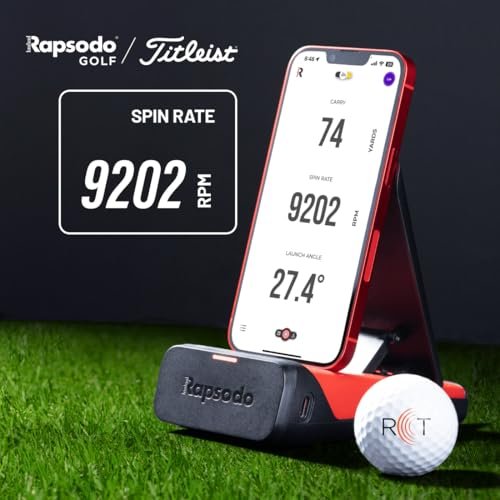
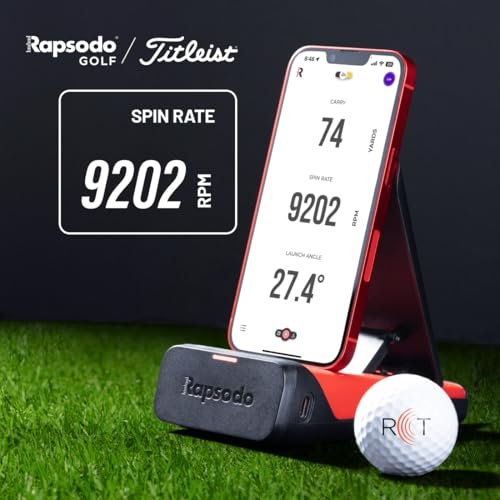
Radar launch monitors use radio waves to track golf ball and club data. They send out signals that bounce off the ball and club to measure speed, spin, and distance. These devices help players understand their swings and improve accuracy.
Radar monitors work well outdoors and offer reliable data on ball flight. They provide instant feedback and are popular among coaches and serious golfers.
How Radar Technology Works
Radar monitors emit radio waves toward the ball and club. These waves reflect back to the device after hitting the objects. The monitor calculates speed and direction by measuring the time and frequency changes. This process allows it to track ball launch angle, spin rate, and velocity.
Key Features Of Radar Systems
Radar monitors often include a display screen or connect to a phone app. They measure club head speed, ball speed, launch angle, and spin. Some models track both ball and club data simultaneously. Most units are portable and easy to set up on the range or course.
Advantages Of Radar Monitors
Radar launch monitors work well in different lighting and weather conditions. They track long-distance shots and offer accurate ball flight data. These monitors give detailed feedback on swing and ball performance. Users can train outdoors, making it feel like real golf.
Limitations Of Radar Monitors
Radar systems need a clear view of the ball’s path to work best. They may struggle indoors or with low ceilings. Some units require more space behind the golfer. Data accuracy can drop if the ball is close or the environment is cluttered.
Camera Launch Monitors
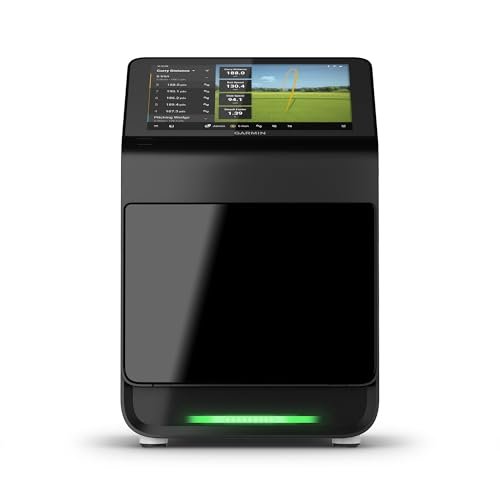
Camera launch monitors use high-speed cameras to track golf shots. They capture images of the golf ball and club at impact. This visual data helps analyze ball flight and club movement. These devices are popular for their detailed feedback and ease of use.
How Camera Technology Works
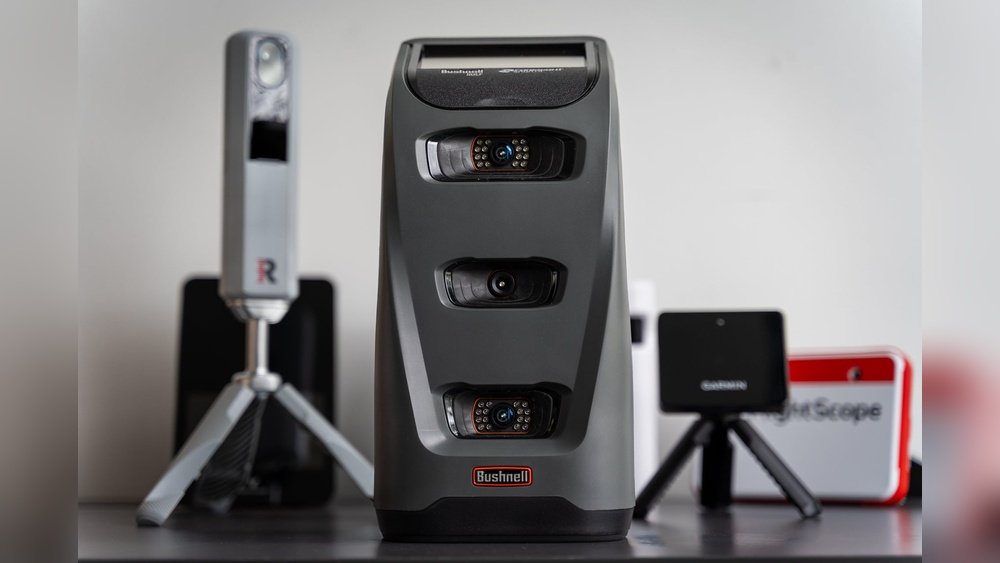
Camera launch monitors use one or more fast cameras. These cameras capture many images each second. They focus on the ball and club during the swing. Software then analyzes the pictures to measure key data. This includes ball speed, launch angle, and spin.
The system tracks the ball’s path after impact. It can also check clubface angle and swing plane. The cameras work best in good lighting. Clear images mean more accurate data for the golfer.
Key Features Of Camera Systems
Camera monitors often offer high-resolution images. They provide detailed visuals of each shot. Many models include video playback for swing review. Some systems connect to apps for easy data access. Portable designs make them easy to set up anywhere.
They can measure multiple data points at once. Data like ball speed, spin rate, launch angle, and carry distance. Some cameras track club data, too. Users get a full picture of their golf swing.
Advantages Of Camera Monitors
Camera launch monitors give visual feedback. Golfers see exactly how the ball and club behave. They help improve swing mechanics with clear images. These systems usually cost less than radar ones. They work well indoors and outdoors with good light.
Many models are compact and easy to carry. This allows practice in different locations. The instant video playback helps with quick adjustments. Easy-to-understand data suits beginners and casual players.
Limitations Of Camera Monitors
Camera launch monitors need good lighting to work well. Poor light lowers image quality and accuracy. They may struggle to track shots in bright sunlight or dark rooms. Some models cannot measure data as precisely as radar.
Tracking very fast swings can be a challenge. Cameras may miss small details in the ball’s spin. Limited range means they work best at short distances. These factors can affect the overall data quality.
Comparing Accuracy And Data
Understanding the difference between radar and camera golf launch monitors is key for accurate data. Both technologies measure key metrics but use different methods. This affects the precision and type of data they provide. Comparing their accuracy and data helps golfers choose the right tool for improvement.
Ball Flight Tracking
Radar monitors track the ball by sending radio waves and measuring their reflection. This method captures the entire ball flight path well. It records speed, spin, and launch angle with good accuracy. Camera monitors use high-speed cameras to capture images of the ball right after impact. They analyze these images to estimate the ball’s flight. Cameras may miss data if the ball moves too fast or out of frame. Radar generally provides more consistent ball flight tracking over long distances.
Clubhead Data Capture
Radar launch monitors detect clubhead speed and path by tracking the club’s movement with radio waves. This gives reliable data on the club’s angle and speed before impact. Camera monitors capture detailed images of the club at impact. This helps measure face angle, loft, and club speed precisely. Cameras can provide more detailed club data but need clear views of the club. Radar may be less detailed but works well in various conditions.
Environmental Impact On Performance
Radar systems perform well in different lighting and weather conditions. Rain, fog, or low light rarely affect radar accuracy. Camera monitors rely on clear lighting to capture sharp images. Poor light or shadows can reduce their data quality. Cameras may struggle indoors or at dusk. Radar monitors are more reliable outdoors and in changing environments. Choosing between them depends on where and how you play most.
Usage Scenarios
Usage scenarios for radar and camera golf launch monitors vary based on the environment and goals. Each type suits different practice and play conditions. Choosing the right one depends on where and how you plan to use it.
Radar monitors work well outdoors and in large spaces. They track ball flight over long distances. This makes them ideal for driving ranges and open fields. They also handle changing weather and lighting conditions better than cameras.
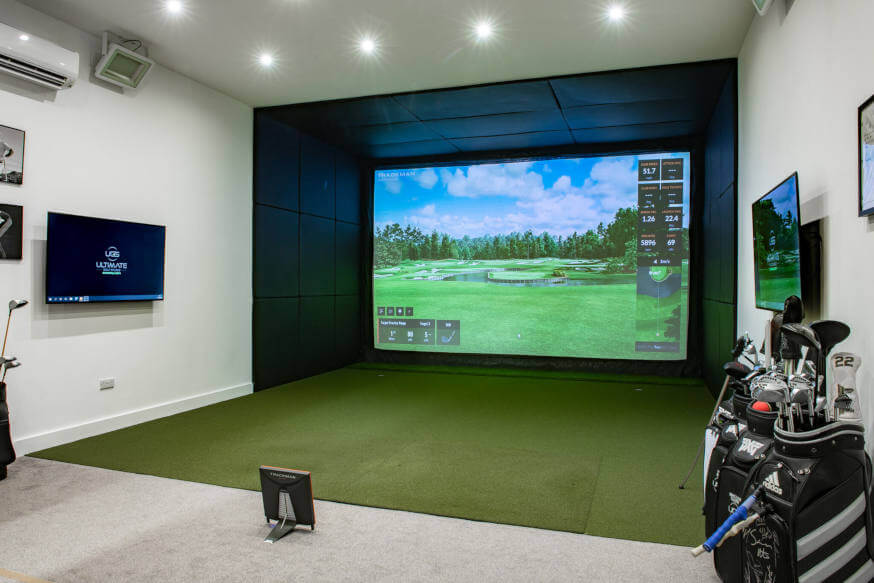
Camera monitors excel indoors or in smaller areas. They capture detailed images of the club and ball at impact. This helps analyze swing mechanics closely. They work best in controlled lighting and stable environments.
Best Settings For Radar Monitors
Use radar monitors in open spaces with clear ball flight paths. Set the device to track speed and spin accurately. Adjust sensitivity for different ball types and weather. Place the monitor behind or beside the ball for best results.
Ensure no obstacles block the radar signal. Calibrate the system for your specific golf ball. Regularly update the firmware to improve tracking precision. Use slower swing speeds for practice drills.
Best Settings For Camera Monitors
Set up camera monitors indoors with steady lighting. Position cameras at key angles to capture impact clearly. Adjust frame rate for smooth slow-motion playback. Use calibration tools to match club and ball data.
Minimize shadows and reflections around the hitting area. Keep the background simple for better image processing. Focus on club path and face angle for swing analysis. Update software to access new features and fixes.
Cost And Portability
Cost and portability are key factors when choosing between radar and camera golf launch monitors. These features affect how easily you can carry the device and how much you will spend. Knowing the price range and how simple the setup is helps in making the right choice. Both types have different strengths in these areas.
Price Range Comparison
Radar launch monitors usually cost more than camera-based models. Prices start around $1,000 and can go up to $5,000 or more. This is because radar technology offers very detailed data. Camera launch monitors often cost less, typically between $300 and $1,500. They use visual data, which is cheaper to capture. This makes cameras a budget-friendly option for casual players.
Portability And Setup Ease
Camera launch monitors are generally smaller and lighter. This makes them easy to carry to the golf course or practice area. Setup takes only a few minutes. Just place the device and start playing. Radar monitors tend to be bulkier and heavier. They may require more space and time for setup. Portable radar models exist but still weigh more than cameras. For quick practice sessions, cameras offer more convenience.

Choosing The Right Monitor
Choosing the right golf launch monitor can improve your practice sessions. It helps track your shots and gives useful data. Knowing what to pick depends on your needs and skill level. Two main types are radar and camera monitors. Each works in a different way and suits different players.
Understanding these differences will help you choose the best tool for your golf training.
Factors To Consider
Think about your budget first. Radar monitors often cost more than camera ones. Space matters too. Radar devices need room behind the golfer to work well. Camera monitors can be more compact and fit smaller spaces.
Accuracy is key. Radar monitors measure ball speed and flight accurately. Camera monitors capture images and use software to analyze shots. Also, consider the ease of use. Some monitors need setup and calibration, while others work right away.
Matching Technology To Skill Level
Beginners benefit from simple, easy-to-use monitors. Camera launch monitors often suit beginners well. They show clear images and basic data, helping players learn.
Intermediate and advanced players may prefer radar monitors. Radar provides detailed data like spin rate and launch angle. This helps improve technique and fine-tune shots.
Choose a monitor that matches your current skill and goals. This ensures the best learning experience and value.

Frequently Asked Questions
What Are The Main Differences Between Radar And Camera Golf Launch Monitors?
Radar launch monitors use Doppler technology to track ball flight, while camera monitors capture high-speed images. Radar excels in outdoor accuracy, whereas cameras provide detailed swing analysis indoors. Both offer unique data, but choice depends on user preference and environment.
Which Is More Accurate: Radar Or Camera Launch Monitors?
Radar launch monitors are generally more accurate outdoors due to precise ball tracking. Camera monitors offer accurate club and ball data indoors but may struggle outside. Accuracy varies with conditions; choosing depends on where and how you practice.
Can Camera Launch Monitors Track Ball Spin As Effectively?
Camera launch monitors capture ball spin by analyzing images frame-by-frame. They provide reliable spin data indoors but may be less consistent outdoors. Radar monitors often track spin more accurately in various conditions, especially outside.
Are Radar Launch Monitors Better For Outdoor Golf Practice?
Yes, radar launch monitors perform best outdoors by tracking ball flight over distances. They handle varying light and weather well. Camera monitors are often limited to indoor use due to lighting requirements and field of view.
Conclusion
Radar and camera golf launch monitors offer different benefits. Radar systems track ball flight well, even outdoors. Camera monitors capture detailed club and ball data. Choosing the right one depends on your needs and budget. Both types help improve your golf skills.
Think about where and how you will use the device. Simple and clear data helps you practice better. Both tools bring valuable insights to your game. Consider what matters most to you before buying. The right monitor makes practice more fun and effective.