Are you struggling to get consistent shots on the golf course? One simple change could make all the difference: your wrist position during the swing.
Getting your wrists in the right place can boost your power, improve accuracy, and help you avoid common mistakes. But what exactly is the correct wrist position in a golf swing? You’ll discover the key tips to master your wrist movement and transform your game.
Keep reading to unlock the secret that many golfers overlook.
Key Wrist Roles In Golf Swing
Wrist movement plays a vital role in every golf swing. The right wrist position helps control the club and the ball’s direction. It also affects the power and accuracy of each shot. Understanding the key wrist roles makes a noticeable difference in your golf game.
Wrist action is more than just bending or twisting. It involves precise timing and control that shapes the swing’s outcome. The wrists connect the arms and the club, acting as a flexible link. Their motion helps generate speed and guide the clubface for better contact.
Wrist Motion Basics
The wrists hinge naturally during the swing. This motion stores energy like a spring. On the backswing, the wrists cock upward to create leverage. At the downswing, they release this stored energy. This release adds speed to the clubhead.
Maintaining a neutral wrist position prevents unwanted twists. It keeps the clubface square at impact. Avoiding overbending reduces the risk of slices or hooks. The wrists should feel relaxed but controlled throughout the swing.
Impact On Swing Power
Power comes from the wrists snapping through the ball. This snap increases clubhead speed at impact. Strong wrist action multiplies the force transferred to the ball. It helps drive the ball farther down the fairway.
Timing the wrist release is crucial. Too early or too late can waste energy. Correct wrist movement maximizes the swing’s force. It also helps maintain balance and rhythm.
Influence On Accuracy
Wrist control guides the clubface angle at impact. A stable wrist position keeps the face square. This reduces hooks or slices. Small wrist adjustments help aim the ball more precisely.
Loose or shaky wrists cause inconsistent shots. Controlled wrists lead to better ball flight and direction. Practicing wrist stability improves overall accuracy.
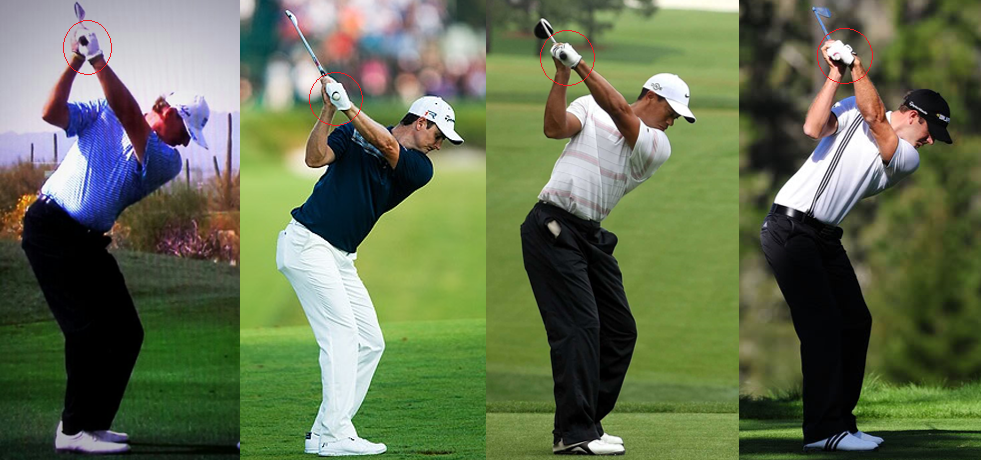
Ideal Wrist Position At Setup
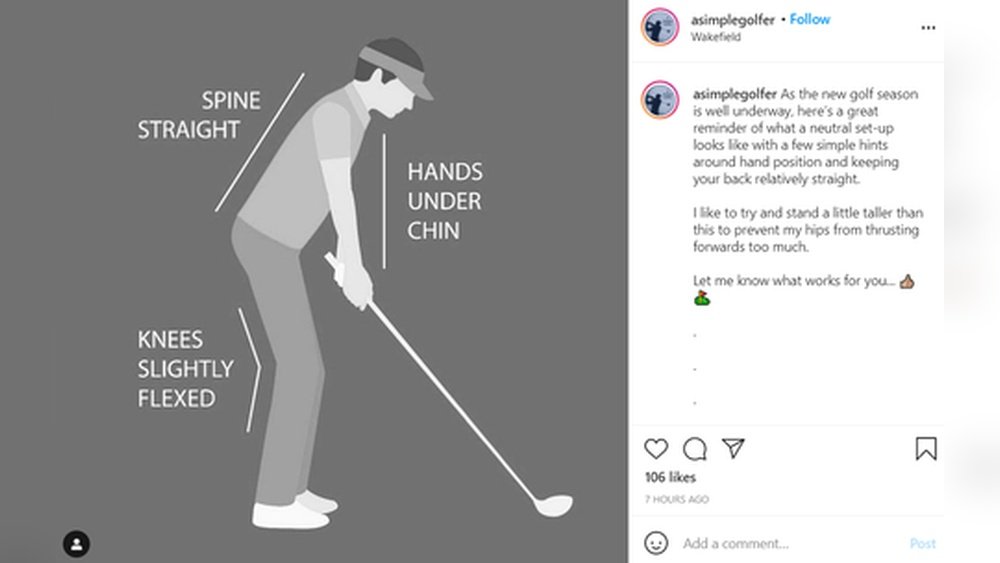
The ideal wrist position at setup is key to a good golf swing. Your wrists set the tone for the whole swing. Correct wrist placement helps control the club and improve accuracy. It also reduces the risk of injury. Understanding how to position your wrists properly can boost your confidence and performance on the course.
Neutral Vs. Cocked Wrists
Neutral wrists mean your hands are relaxed and straight with the club. This position feels natural and gives more control. Cocked wrists bend upward slightly at the start. This bend stores energy for the swing but can cause timing issues if done wrong. Most beginners benefit from a neutral wrist setup. More advanced players use a slight cock to gain power.
Aligning Wrists With Clubface
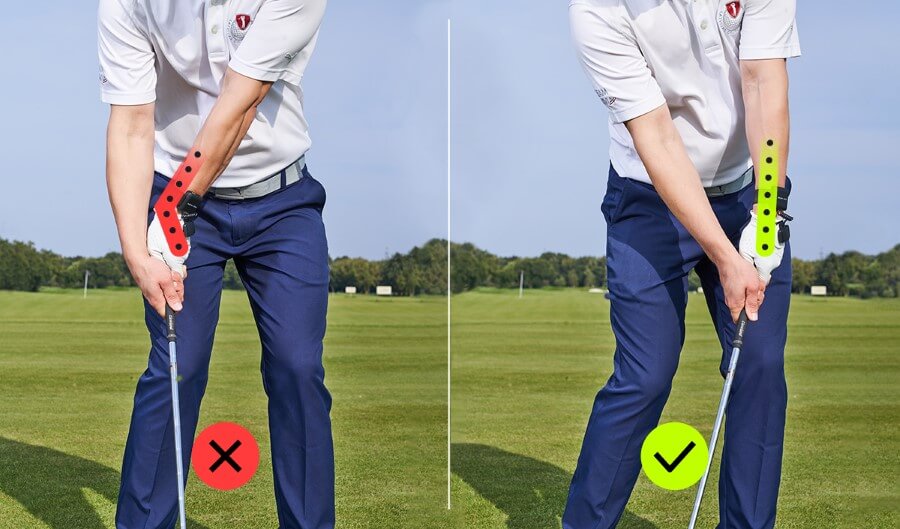
Your wrists should align so the clubface points squarely at the target. This alignment creates a clean strike and straight ball flight. Check that your lead wrist is flat, not bent in or out. The trail wrist should stay relaxed and follow the lead wrist. Proper alignment helps avoid slices and hooks. It also makes it easier to repeat your swing consistently.
Wrist Position During Backswing
The wrist position during the backswing plays a key role in every golfer’s swing. It sets the tone for power, accuracy, and control. Proper wrist movement helps to build the right amount of tension and prepares the club for a smooth transition into the downswing. Understanding how to position your wrists correctly can improve your swing consistency and ball striking.
Maintaining Control
Keeping control of your wrists during the backswing prevents unwanted twists. The lead wrist should stay flat or slightly bowed. This position supports a steady swing plane and avoids wrist breakdown. The trail wrist naturally hinges as you lift the club. This hinge stores energy for the downswing. Controlled wrist movement helps you maintain balance and rhythm throughout the swing.
Avoiding Over-cocking
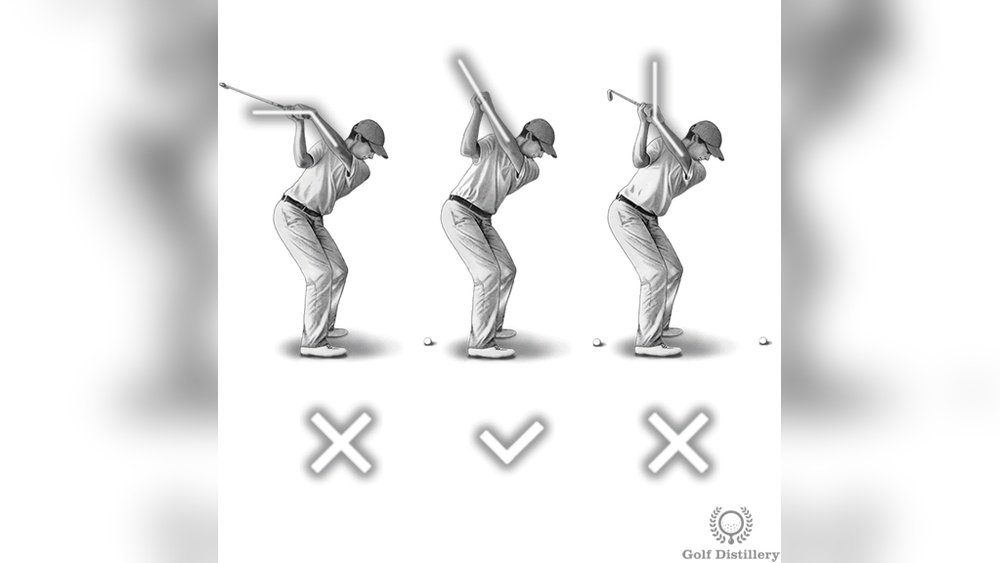
Over-cocking happens when the wrists bend too much during the backswing. It causes loss of control and timing issues. Excessive wrist cock can lead to a slice or hook. A moderate wrist hinge, about 90 degrees, is ideal. This angle ensures power without sacrificing accuracy. Avoid forcing your wrists; let them move naturally within a comfortable range.
Wrist Action Through Downswing
The wrist action through the downswing is a key part of the golf swing. It controls how the club moves and hits the ball. Proper wrist movement helps you hit the ball with more power and accuracy. Understanding this action can improve your swing and your score.
Timing The Release
Timing the release means when you let your wrists unhinge during the swing. Keep your wrists firm at the start of the downswing. This stores energy like a spring. Release the wrists at the right moment, just before the club hits the ball. This helps transfer maximum power to the ball. Releasing too early or too late can cause weak or off-target shots.
Generating Clubhead Speed
Wrist action helps generate clubhead speed in the downswing. The wrists snap through impact, adding extra speed. Faster clubhead speed means the ball travels farther. Use a smooth, controlled wrist motion to build speed. Avoid forcing the wrists, which can cause errors. Proper wrist action gives you both speed and control.
Common Wrist Mistakes To Avoid
Wrist position plays a big role in a good golf swing. Many players make common wrist mistakes that hurt their shots. These errors cause poor control and less power. Avoiding these mistakes helps you hit straighter and longer shots. Focus on keeping your wrists steady and timed right during the swing.
Early Wrist Unhinging
Early wrist unhinging means straightening your wrists too soon. This mistake reduces power and causes weak shots. The wrist should stay bent longer into the downswing. Unhinging early leads to hitting behind the ball or topping it. Keep your wrists hinged until the last moment before impact.
Too Much Wrist Flip
Too much wrist flip happens when you snap your wrists too fast. This can cause the clubface to open or close too quickly. The ball may slice or hook off target. Control your wrist movement for a smooth release. A steady, timed wrist action gives better accuracy and distance.
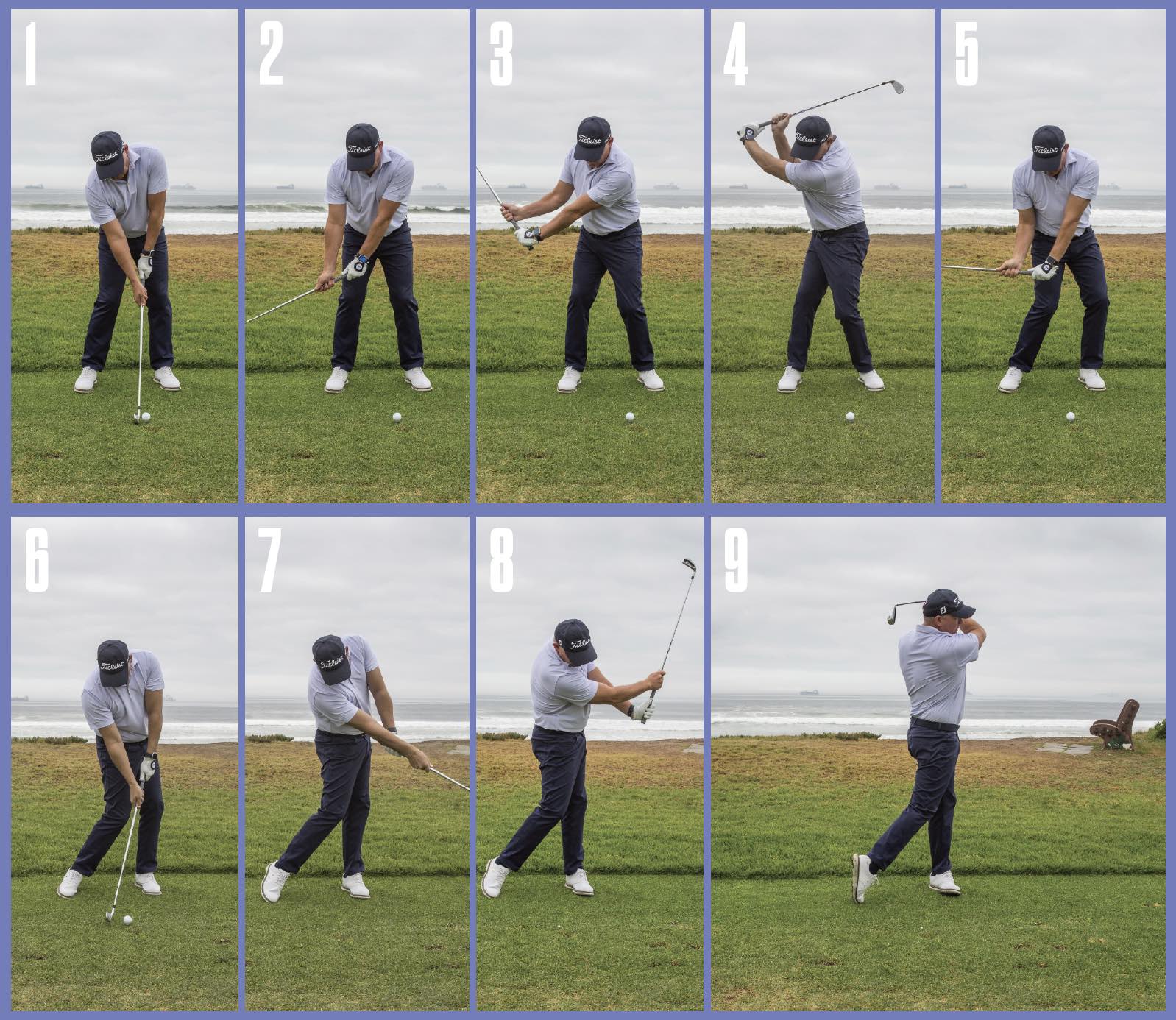
Drills To Improve Wrist Position
Improving wrist position in your golf swing can boost control and power. Drills help you build the right muscle memory. Practicing these exercises regularly makes your swing smoother and more consistent. Focus on feeling the correct wrist movement during each drill.
Swing Plane Drills
Start with slow swings to check your wrist angle. Use a mirror or video to watch your wrist position. Keep your wrists firm but flexible on the backswing. Practice swinging along the correct plane to avoid wrist over-rotation. Repeat this drill to create muscle memory.
Wrist Stability Exercises
Hold a golf club with both hands and keep wrists steady. Try to move only your arms, not your wrists. Use light weights to strengthen wrist muscles. Do wrist curls and extensions with a dumbbell for stability. These exercises improve control and prevent wrist injuries.
Equipment Tips For Wrist Comfort
Keeping your wrists comfortable during a golf swing helps improve your game. The right equipment supports proper wrist position. It reduces strain and helps avoid injuries. Small changes in gear can make a big difference. Focus on the grip and wrist supports to protect your wrists.
Choosing The Right Grip
Selecting a grip that fits your hand size is key. A grip too thick or thin affects wrist movement. Look for grips made of soft materials to cushion your hands. Rubber grips often offer better shock absorption. Change worn-out grips regularly to maintain comfort and control.
Using Wrist Supports
Wrist supports help stabilize your wrist during swings. They reduce stress on tendons and muscles. Choose lightweight braces that allow natural motion. Wrist supports with adjustable straps provide a secure fit. Use them during practice or play to protect your wrists from pain.
Frequently Asked Questions
What Is The Ideal Wrist Position In A Golf Swing?
The ideal wrist position keeps your wrists firm but flexible. It helps control the clubface and generate power during your swing. Proper wrist angles improve accuracy and consistency, leading to better shots on the course.
How Does Wrist Position Affect Golf Swing Power?
Correct wrist position stores and releases energy efficiently. It allows a smooth wrist hinge on the backswing and a strong release through impact. This action maximizes clubhead speed and enhances driving distance.
When Should Wrists Hinge During The Golf Swing?
Wrists should hinge naturally during the takeaway and backswing. This hinge creates a lever that increases swing speed. Proper timing ensures better control and optimal power transfer at impact.
Can Wrong Wrist Position Cause Slicing Or Hooking?
Yes, incorrect wrist angles often lead to slicing or hooking. An open or closed clubface at impact is usually due to poor wrist alignment. Correct wrist position helps square the clubface for straighter shots.
Conclusion
Getting your wrist position right helps improve your golf swing. It keeps your shots more accurate and consistent. Practice slowly to feel the correct wrist movement. Small changes make a big difference over time. Focus on keeping your wrists firm but flexible.
This simple step can boost your confidence on the course. Keep practicing, and your swing will feel smoother and stronger. Remember, good wrist control supports every part of your swing. Stay patient and enjoy the process of learning.