Are you struggling to hit the ball straight or generate more power in your golf swing? The secret often lies in one simple foundation: your stance.
Getting the correct stance for a golf swing can transform your game, making every shot more consistent and controlled. You’ll discover exactly how to position your feet, balance your weight, and align your body for a perfect swing every time.
Keep reading, and you’ll unlock the key to playing golf with confidence and precision.
Key Elements Of A Golf Stance
The golf stance sets the foundation for every swing. A solid stance helps control power and direction. It also improves balance throughout the swing. Understanding the key elements of the golf stance leads to better consistency and confidence on the course.
Each part of your body plays a role in creating the correct stance. From foot placement to shoulder alignment, every detail matters. Focus on these key elements to build a stance that supports your best swing.
Foot Placement And Alignment
Place your feet shoulder-width apart for stability. Align your toes parallel to the target line. This helps your body face the correct direction. Keep your weight evenly spread between both feet. Proper foot placement creates a strong base for the swing.
Knee Flex And Balance
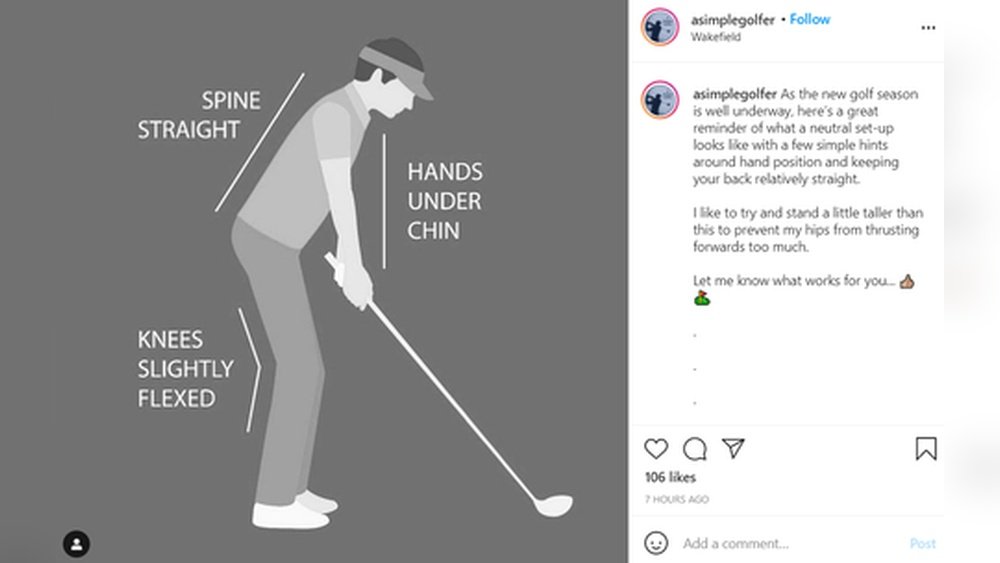
Slightly bend your knees to stay flexible. Avoid locking your knees to prevent stiffness. Keep your weight balanced over the balls of your feet. Good knee flex helps maintain control and balance during the swing.
Hip Positioning
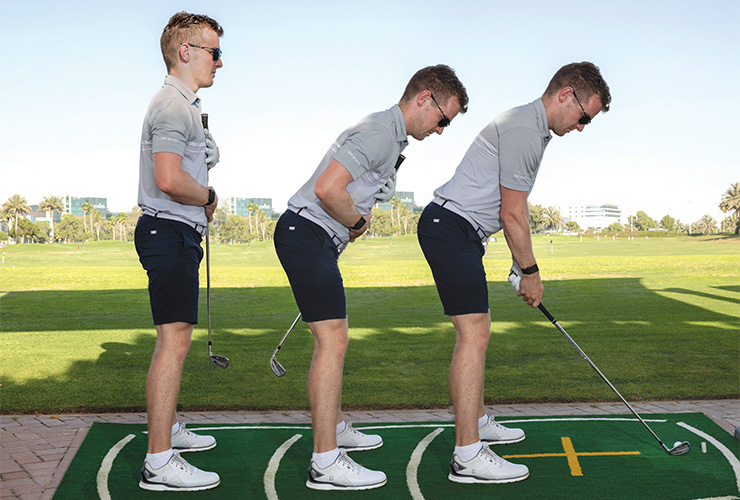
Position your hips so they are slightly tilted forward. Your hips should face the target line but allow for rotation. Keep your hips steady but ready to move with the swing. Proper hip positioning supports power and smooth movement.
Shoulder Alignment
Align your shoulders parallel to the target line. Avoid slouching or hunching your shoulders. Keep your shoulders relaxed and level. Correct shoulder alignment guides the swing path and improves accuracy.
Types Of Golf Stances
Golf stance plays a big role in your swing and shot direction. Different stances affect how you hit the ball. Understanding the types helps you choose what fits your style.
Neutral Stance
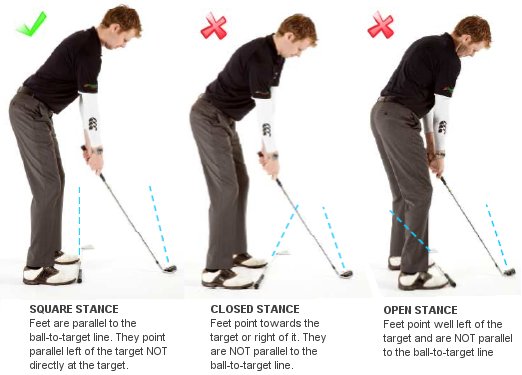
The neutral stance is the most common and balanced position. Feet are shoulder-width apart and parallel to the target line. This stance promotes straight shots and good control. It works well for most golfers and swing types.
Open Stance
In the open stance, your front foot is pulled back from the target line. This stance opens your body toward the target. It helps create a slice or fade shot shape. Many players use it to add more distance and side spin.
Closed Stance
The closed stance places your front foot closer to the target line than the back foot. This stance closes your body away from the target. It encourages a draw or hook shot shape. Players use it to correct a slice or add power.
Adjusting Stance For Different Clubs
Adjusting your stance based on the club you use is key for better golf shots. Each club requires a slightly different setup. This helps control distance and direction. Proper stance changes improve your balance and swing path. Small tweaks lead to big improvements in your game.
Driver Stance Tips
Stand with your feet wider than shoulder width for stability. Position the ball just inside your front heel. This helps you hit the ball on the upswing. Keep your weight balanced but slightly more on your back foot. Maintain a slight knee bend to stay flexible.
Iron Stance Adjustments
Feet should be about shoulder width apart. Place the ball in the center or slightly forward in your stance. Lean your weight evenly between both feet. Bend your knees more than with the driver. This helps make solid contact with the ball first.
Wedge And Short Game Setup
Stand with your feet closer together than with irons. Position the ball in the middle of your stance. Shift your weight slightly toward your front foot. Keep your hands ahead of the ball at address. This setup aids in better control and accuracy.
Common Stance Mistakes To Avoid
Many golfers struggle with stance mistakes that hurt their swing. These errors reduce power and accuracy. Fixing stance mistakes improves your consistency and comfort on the course.
Focus on the basics. Avoid these common errors to build a solid foundation for your swing.
Too Narrow Or Too Wide
A stance that is too narrow limits balance. You may feel unstable and lose control during your swing.
Too wide a stance restricts body rotation. This reduces your swing speed and distance.
Find a stance width about shoulder-width apart. This position offers good balance and freedom to move.
Poor Weight Distribution
Many golfers place too much weight on their heels or toes. This shifts your balance and causes inconsistent shots.
Even weight distribution on the balls of your feet keeps you steady. It allows smooth weight transfer through the swing.
Check your weight before each shot. Adjust to stay balanced and ready to move.
Incorrect Posture
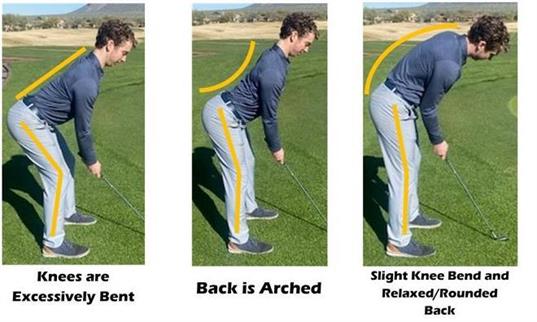
Slouching or standing too upright harms your swing plane. It causes mis-hits and loss of power.
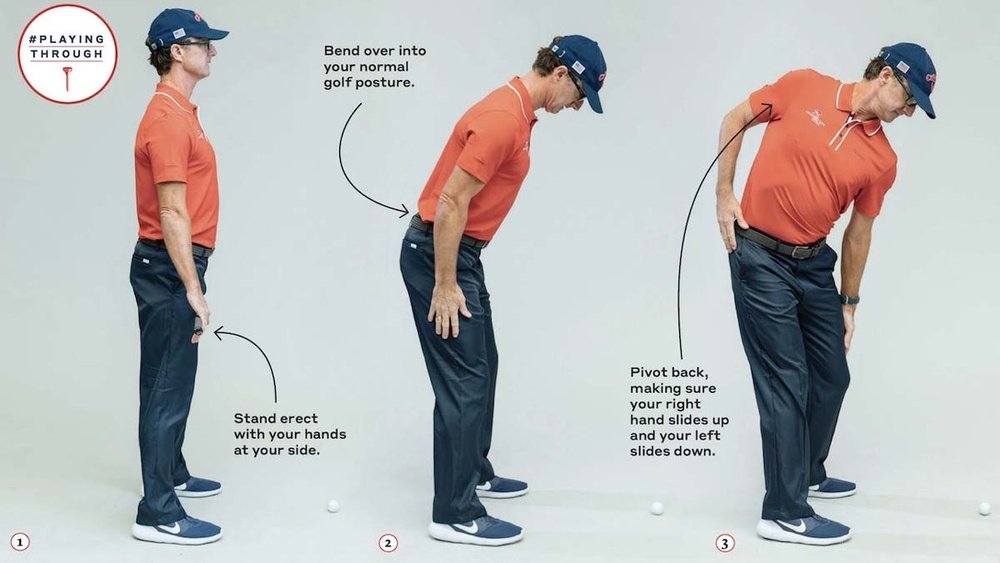
Bend slightly from your hips. Keep your back straight and knees soft.
This posture helps you swing freely and maintain control over the club.
Drills To Improve Your Golf Stance
Improving your golf stance takes practice and focused drills. Good drills help build a strong foundation. They train your body to hold the right position every time. Consistent practice leads to better swings and more control over the ball. Try these simple drills to improve your golf stance and boost your confidence on the course.
Balance And Stability Exercises
Stand on one foot to test your balance. Hold the position for 30 seconds, then switch feet. Use a balance board if available. This improves your stability during the swing. Strong balance helps keep your stance steady and prevents unnecessary movement. Practice this daily to build muscle control.
Alignment Practice
Place two clubs on the ground, parallel to each other. Stand between them with your feet shoulder-width apart. Check that your toes and hips align with the target line. Use a mirror or video to see your position. Correct alignment ensures your swing path is straight. Repeat this drill until alignment feels natural.
Swing Path Awareness
Use a slow, half swing to feel the club’s path. Pause at the top and check if your shoulders and hips stay square. Swing along a straight line, avoiding inside or outside paths. Place an object behind the ball to guide your club. This drill trains your body to swing correctly. It reduces slices and hooks.
Frequently Asked Questions
What Is The Ideal Foot Position For A Golf Swing?
Your feet should be shoulder-width apart for balance. Position the lead foot slightly flared out. This stance promotes stability and proper weight transfer during the swing.
How Should My Knees Be Positioned During A Golf Swing?
Keep your knees slightly flexed, not locked. This allows better mobility and helps maintain balance throughout the swing motion.
What Role Does Spine Angle Play In Golf Stance?
A slight forward tilt of the spine from the hips is essential. It ensures proper posture and helps you make solid contact with the ball.
Should My Weight Be Evenly Distributed In The Stance?
Yes, start with your weight evenly distributed between both feet. This balance aids in a smooth and controlled swing.
Conclusion
A good golf stance sets the foundation for your swing. Keep your feet shoulder-width apart and knees slightly bent. Balance your weight evenly on both feet. Align your body with the target for better accuracy. Small changes can improve your swing a lot.
Practice this stance until it feels natural. Remember, a solid stance leads to better shots. Keep working on it, and enjoy playing golf more.