Have you ever wondered why some golfers seem to hit the ball farther and straighter with less effort? The secret often lies in one key move: rotation in the golf swing.
Understanding what rotation means and how it works can transform your game, making your shots more powerful and accurate. If you want to unlock your full potential on the course, keep reading. This simple concept might be the missing piece you’ve been searching for.

The Role Of Rotation In Golf
Rotation plays a key role in the golf swing. It helps the body move smoothly and create force. Good rotation improves both power and control. It allows golfers to hit the ball farther and straighter. Understanding how rotation works can help improve your swing and scores.
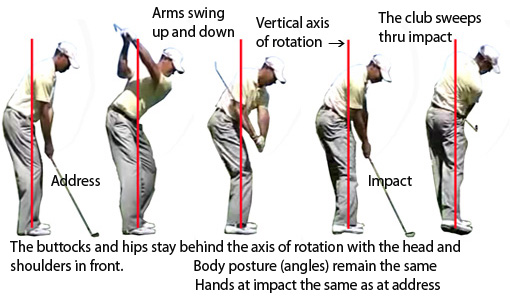
The body turns around a central axis during the swing. This turning motion stores energy that releases when hitting the ball. Proper rotation also keeps the body balanced and aligned. Without good rotation, swings can be weak and off-target.
How Rotation Impacts Power
Power in golf comes from the body, not just the arms. The rotation of the hips and torso builds up energy. This energy transfers to the club and then to the ball. Faster and fuller rotation increases clubhead speed. More speed means the ball flies farther. Lack of rotation reduces power and distance.
Rotation And Accuracy Connection
Rotation affects where the ball lands. Smooth and controlled rotation helps keep the swing on plane. This leads to more consistent and accurate shots. Over-rotating or under-rotating can cause slices or hooks. Balanced rotation keeps the clubface square at impact. Accuracy improves when the body moves correctly during the swing.
Key Body Parts Involved
Rotation in the golf swing uses several key body parts working together. Each part moves in a specific way to generate power and control. Understanding these parts helps improve your swing and consistency.
Hip Movement
Hips play a major role in the golf swing. They start the rotation by turning away from the target. This movement stores energy in your body. As you swing down, hips rotate toward the target. This action helps transfer power from your lower body to the club.
Shoulder Turn
Shoulders rotate around the spine during the swing. They turn back as you prepare to hit. This turn creates coil or tension in your upper body. When you swing forward, shoulders unwind quickly. This release adds speed and accuracy to your shot.
Wrist Action
Wrists add important movement at the right time. They hinge during the backswing, storing extra power. Just before impact, wrists release this stored energy. This snap helps increase clubhead speed. Proper wrist action improves distance and control.
Common Rotation Mistakes
Rotation is key in the golf swing. Mistakes in rotation can cause poor shots and inconsistency. Many players struggle with common errors that affect their swing power and accuracy. Understanding these mistakes helps improve your technique and control on the course.
Over-rotating
Over-rotating happens when the body turns too much during the swing. This can lead to loss of balance and weak contact with the ball. It often causes shots to go off target or lose distance. Keeping a controlled rotation helps maintain power and precision.
Insufficient Rotation
Insufficient rotation means not turning the body enough. This limits the swing’s speed and power. The club may not follow a full path, causing weak or short shots. Proper rotation generates force and improves ball flight.
Poor Timing
Poor timing occurs when the rotation does not match the swing sequence. The body and arms move out of sync. This disrupts the club path and causes inconsistent shots. Good timing ensures smooth, effective rotation and better results.
Techniques To Improve Rotation
Rotation is a key part of a good golf swing. Improving rotation helps you hit the ball farther and more accurately. You need to work on your hips, shoulders, and timing. Practicing specific techniques can make your rotation smoother and stronger. Below are some useful methods to help improve your rotation in the golf swing.
Drills For Hip Mobility
Good hip movement allows your body to turn fully during the swing. Try simple drills like hip circles and leg swings. These exercises loosen tight hips and increase range of motion. Practice standing with feet shoulder-width apart. Slowly rotate your hips left and right. Use a golf club across your shoulders to guide the movement. Repeat this daily to gain flexibility.
Exercises For Shoulder Flexibility
Shoulder flexibility helps you turn your upper body smoothly. Stretch your shoulders with arm circles and cross-body stretches. Hold a golf club behind your back with both hands. Gently lift it up and down to stretch shoulder muscles. Do this slowly and stop if you feel pain. Regular shoulder exercises improve your swing range and reduce injury risk.
Timing And Rhythm Practices
Good rotation needs perfect timing and rhythm. Use a metronome or count in your head to keep a steady pace. Practice swinging slowly at first. Focus on starting your hip turn before your arms move. This builds a natural flow in your swing. Repeat these steps often to develop consistent timing and better ball contact.
Equipment And Rotation
Equipment plays a key role in golf swing rotation. It affects how you move your body and control the club. Choosing the right gear helps improve your swing and overall performance. Small changes in equipment can make a big difference in your rotation and shot accuracy.
Club Selection Impact
The type of club changes your swing rotation. Longer clubs like drivers require a wider turn of the shoulders. Shorter clubs like wedges need less rotation and more control. Each club demands a different body movement to hit the ball well. Understanding this helps you adjust your swing for each shot.
Grip Adjustments
Your grip affects how easily you rotate your wrists and arms. A tight grip can limit rotation and reduce swing speed. A looser grip allows more natural movement and better control. Adjusting your grip helps you find a balance between power and accuracy. Small grip changes improve your swing flow and ball contact.
Benefits Of Mastering Rotation
Rotation is a key part of the golf swing. It helps players move their bodies smoothly and powerfully. Learning to rotate well brings many benefits. These advantages can improve your play and keep you safe on the course.
Good rotation allows better control and more strength. It also helps avoid injuries. Understanding these benefits shows why rotation matters so much in golf.
Increased Swing Speed
Rotating your body correctly adds power to your swing. This power helps the club move faster through the ball. Faster swings can lead to longer shots. Speed comes from turning the hips and shoulders in sync.
Using your whole body saves effort. The arms do not have to work alone. This makes your swing more efficient and strong.
Better Ball Control
Rotation helps you hit the ball more accurately. It guides the club on the right path. This control leads to straighter shots and better aim.
When you rotate well, the clubface stays square longer. This reduces slices and hooks. The ball flies where you want it to go.
Reduced Injury Risk
Good rotation lowers strain on your back and joints. It spreads force evenly across your body. This prevents pain and injuries during play.
Rotating smoothly keeps muscles relaxed and balanced. It protects your spine and hips from damage. Staying injury-free means you can enjoy golf longer.

Frequently Asked Questions
What Does Rotation Mean In A Golf Swing?
Rotation in a golf swing refers to the turning of your shoulders, hips, and torso. This movement generates power and accuracy. Proper rotation helps you maintain balance and improves clubhead speed for better shots.
Why Is Rotation Important In Golf Swings?
Rotation is crucial because it creates momentum and power. It also ensures a smooth swing path. Without proper rotation, your shots can lack distance and consistency.
How Do I Improve Rotation In My Golf Swing?
Focus on turning your shoulders fully while keeping your lower body stable. Practice drills that emphasize hip and torso movement. Strengthening your core muscles also enhances rotation efficiency.
Can Poor Rotation Cause Golf Swing Problems?
Yes, poor rotation can lead to weak shots, loss of control, and inconsistent ball striking. It may cause compensations that increase injury risk and reduce overall performance.
Conclusion
Rotation in the golf swing helps generate power and accuracy. It involves turning your body smoothly during the swing. Good rotation keeps your balance and timing right. Practice slowly to feel how your body moves. This will improve your control and distance.
Remember, consistency comes with patience and proper rotation. Try to focus on your body’s natural movement. That makes your swing easier and more effective. Keep practicing, and your golf swing will get better over time. Rotation is key to a strong and steady golf game.