Have you ever wondered why some golf shots feel effortless and straight, while others seem off target or lose power? The secret often lies in one crucial moment: the impact position.
Understanding what impact position in golf means can transform the way you play. It’s the point where your club meets the ball, and mastering it can help you hit farther, straighter, and with more control. If you want to improve your game and see real results on the course, keep reading—because this simple concept might be the key you’ve been missing.

Impact Position Basics
The impact position is a key moment in a golf swing. It happens when the club touches the ball. This position affects the ball’s speed, direction, and height. Understanding the basics helps improve your shots. It builds a strong foundation for better golf.
Role In The Swing
The impact position is the point where power transfers to the ball. It decides how far and straight the ball will fly. A good impact means the clubface hits the ball squarely. This creates more control and accuracy. It also helps make consistent shots every time. The swing builds up energy. The impact position releases this energy effectively.
Key Elements To Note
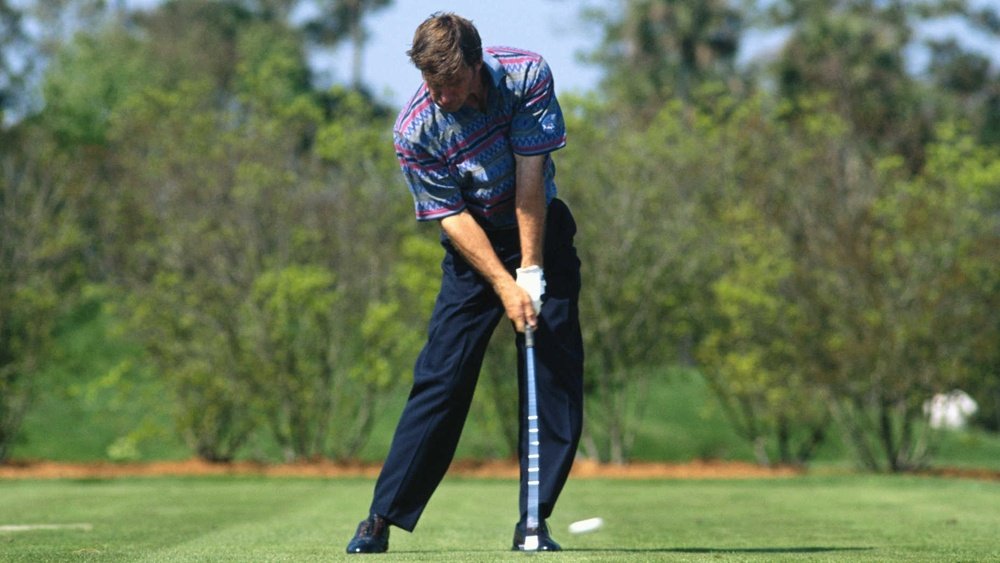
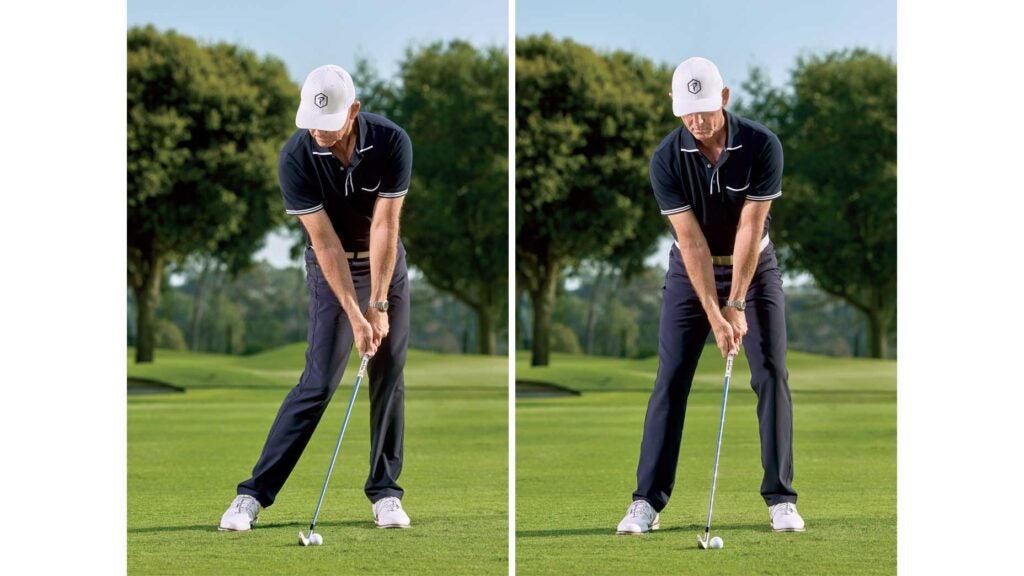
Several elements shape the impact position. The clubface should be square to the target line. The hands are ahead of the ball at impact. This promotes a downward strike for irons. The body weight shifts to the front foot. The hips rotate toward the target. The spine stays tilted slightly toward the ball. These details create solid contact and good ball flight.
Body Alignment
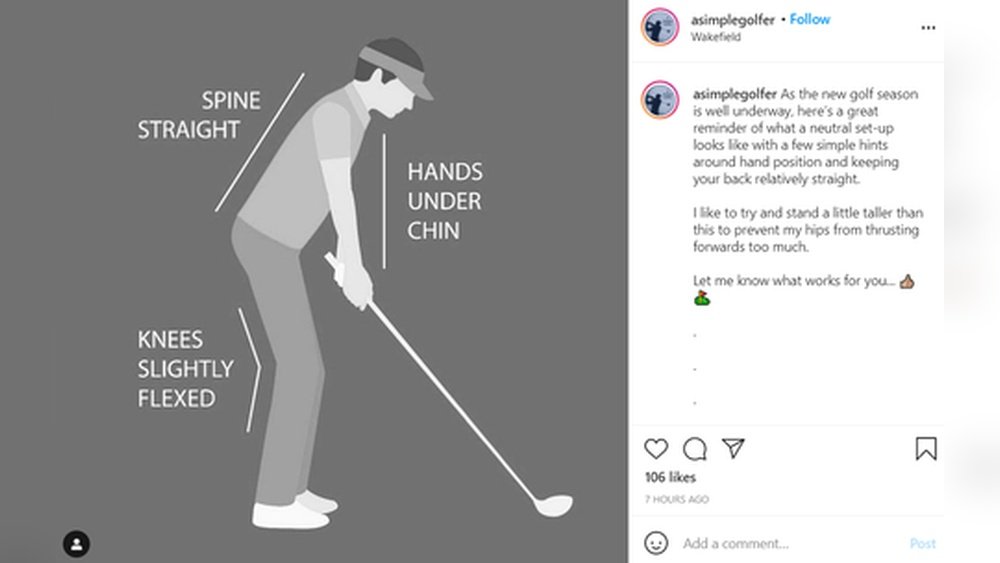
Body alignment is key to a solid impact position in golf. It sets the foundation for a clean strike and accurate shot. Proper alignment helps you control the clubface and ball direction. It also aids balance and power during your swing. Understanding the basics of body alignment can improve your consistency.
Stance And Posture
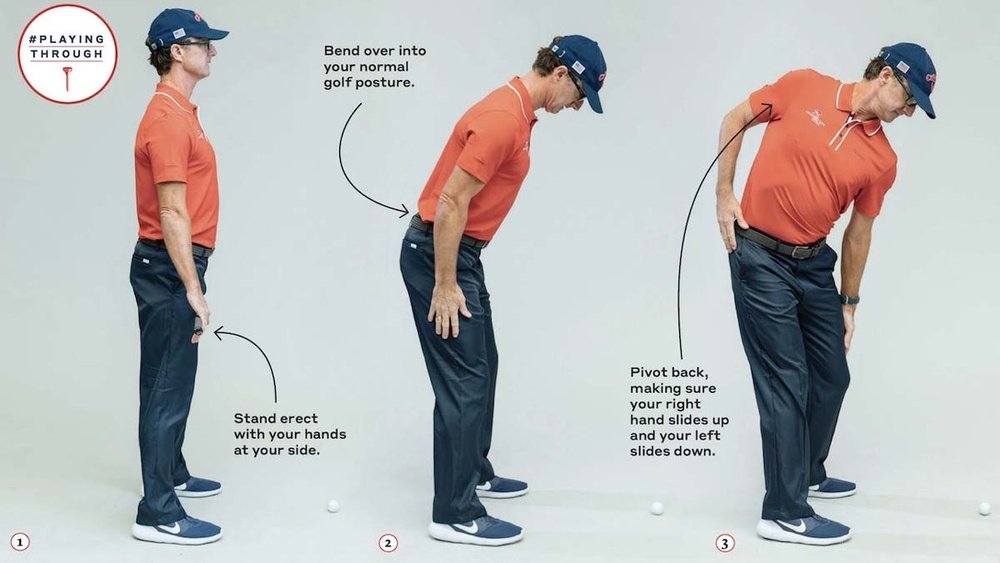
Your stance should be shoulder-width apart. This gives a stable base for your swing. Keep your knees slightly bent and your weight balanced on the balls of your feet. Good posture means bending slightly at the hips, not the waist. Your back should stay straight, and your head steady. This position allows a smooth and controlled swing path.
Hip And Shoulder Placement
Align your hips and shoulders parallel to the target line. This helps the clubface square up at impact. Your hips should face the same direction as your shoulders. Avoid letting your hips open too early, which causes slices. Shoulders must stay level and not tilt forward or backward. Proper placement supports a powerful and accurate strike.
Clubface And Hands
The clubface and hands play a key role in the impact position during a golf swing. They control the direction and spin of the ball. Small changes in angle or position can lead to big differences in the shot.
Understanding how the clubface and hands work together helps improve accuracy and consistency. Let’s explore their roles in detail.
Clubface Angle
The clubface angle is the way the club’s hitting surface is tilted at impact. It can be open, square, or closed.
A square clubface points directly at the target line. This usually results in a straight shot.
An open clubface points right of the target (for right-handed golfers). This causes the ball to slice or fade.
A closed clubface points left of the target. This often leads to a hook or draw.
Keeping the clubface square at impact helps control shot direction and reduces mistakes.
Hand Position At Impact
The hands control the clubface angle and power at impact. Their position affects the clubhead’s path.
Hands ahead of the ball create a forward shaft lean. This promotes solid contact and better launch.
Hands behind the ball often cause a weak or fat shot. It can lead to poor control.
Proper hand position ensures the clubface meets the ball cleanly. It improves distance and accuracy.
Practice keeping your hands steady and slightly ahead at impact for better results.
Common Mistakes
Understanding impact position in golf is key to hitting better shots. Many golfers struggle because of common mistakes. These errors affect how the club meets the ball. Fixing them improves accuracy and distance.
Early Release
Early release happens when a golfer lets the wrists uncock too soon. This leads to loss of power and poor contact. The clubface often opens, causing slices or weak shots. Keeping the wrists firm until impact helps maintain speed and control.
Over-the-top Swing
The over-the-top swing is a common fault in many golfers. It means the club moves outside the target line during the downswing. This causes the ball to slice or hook badly. Staying on the correct swing plane creates straighter, more consistent shots.
Drills To Improve Impact
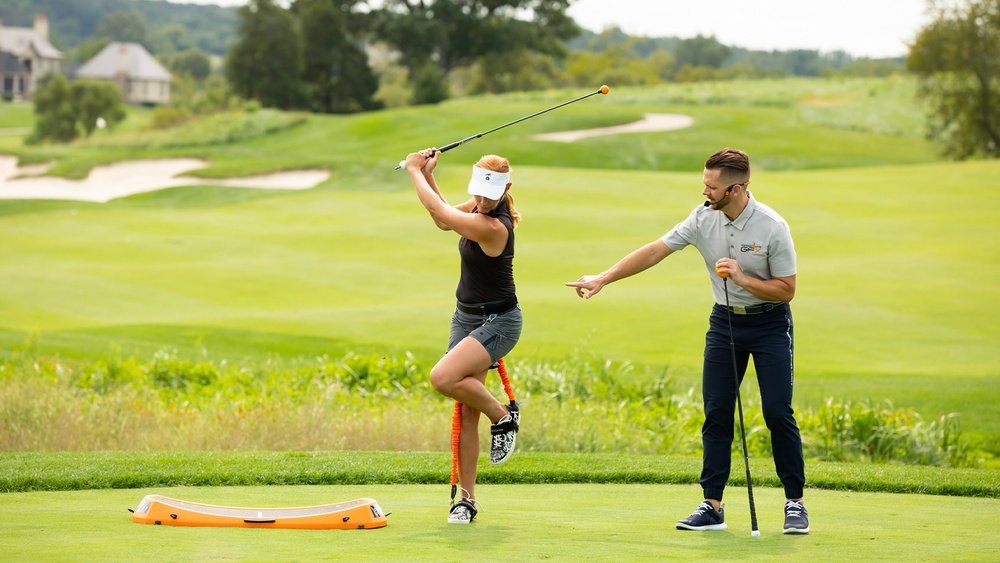
Improving your impact position in golf is key to better shots. Practicing drills helps you build consistency and control. These drills focus on the moment the club hits the ball. They train your body and mind to repeat the correct motion.
Impact Bag Drill
The impact bag drill helps you feel the right position. Stand close to a soft bag or cushion. Swing the club slowly and hit the bag instead of the ball. Focus on how your hands and clubhead meet the bag. This drill teaches you to keep your wrists firm at impact. Repeat this often to build muscle memory.
Slow Motion Swings
Slow motion swings let you control every part of the swing. Swing the club very slowly and watch your body move. Notice your hands, arms, and hips during impact. This drill helps spot mistakes and correct your form. Practicing slow swings improves timing and balance. It makes your impact position more precise.
Equipment And Impact
Equipment plays a key role in achieving the right impact position in golf. The club you choose affects how the ball reacts after you hit it. Using the correct equipment helps you control the ball better. It also helps you hit with more power and accuracy.
Understanding how your equipment influences impact can improve your shots. Small changes in your club or shaft can change your swing and ball flight. Knowing these details helps you pick gear that matches your style and strength.
Choosing The Right Club
Each golf club has a different purpose and design. Using the right club for the shot is essential. Drivers are for long-distance shots, while irons provide control for mid-range. Wedges help with short shots near the green.
Choosing the correct club depends on distance and the type of shot you want. Clubs with the correct loft help you hit the ball at the right angle. This helps achieve a better impact position and more consistent ball flight.
Shaft Flex And Impact
The flex of a shaft changes how the club moves during your swing. A shaft that is too stiff or too flexible can cause poor contact with the ball. The right flex helps control the clubhead’s speed and angle at impact.
Shaft flex affects the timing of your swing and where the club hits the ball. Choosing a shaft that matches your swing speed makes impact more solid. This leads to better distance and accuracy on every shot.
Impact Position And Ball Flight
The impact position in golf is the moment the club hits the ball. This moment is very important because it controls how the ball flies. The way the clubface meets the ball changes the ball’s path and behavior in the air. Understanding this helps golfers improve their shots and score better.
Controlling Trajectory
The impact position affects the ball’s height and distance. A higher clubface angle at impact makes the ball fly higher. A lower angle sends the ball lower and farther. Golfers can change the club’s position to control the ball’s path. This control helps in different course conditions and shot types.
Influencing Spin And Direction
The spin and direction depend on the clubface angle and swing path at impact. A square clubface causes a straight shot. An open or closed face creates a slice or hook. Spin also affects how the ball rolls on landing. Controlling spin improves accuracy and helps avoid hazards.

Frequently Asked Questions
What Is The Impact Position In Golf?
Impact position in golf refers to the moment the clubface strikes the ball. It determines ball direction, spin, and distance. Proper impact position improves accuracy and consistency in your shots.
Why Is Impact Position Important In Golf Swings?
Impact position controls the ball’s flight and shot quality. A good impact position helps generate power and precision. It reduces mishits and enhances overall performance on the course.
How Can I Improve My Golf Impact Position?
Improving impact position requires practice and proper technique. Focus on body alignment, clubface angle, and swing path. Using video analysis or coaching can help identify and fix impact flaws effectively.
What Are Common Impact Position Mistakes In Golf?
Common mistakes include hitting with an open or closed clubface, poor body posture, and incorrect weight distribution. These errors lead to slices, hooks, or inconsistent ball contact.
Conclusion
Impact position in golf affects your shot’s direction and distance. A correct impact position helps you hit the ball cleanly. It also reduces mistakes like slices or hooks. Practice focusing on your clubface and body alignment. Small changes can make a big difference over time.
Keep practicing to improve your impact position steadily. Good impact position leads to better control and confidence. It’s a key step for any golfer wanting to improve. Remember, patience and practice bring better results on the course.