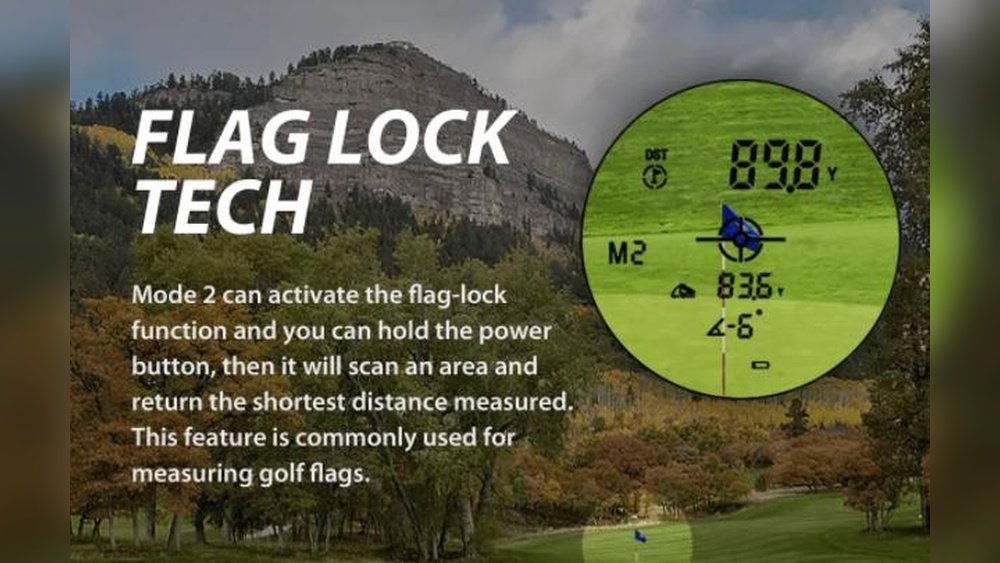
Have you ever wondered how some devices keep your information extra safe without making you jump through hoops? That’s where Flag Lock Technology comes in.
It’s a clever way to protect what matters most to you, making security simple and reliable. You’ll discover exactly what Flag Lock Technology is, how it works, and why it could be the game-changer you’ve been looking for. Keep reading, because understanding this could make a big difference in how you protect your digital world.
Flag Lock Technology Basics
Flag Lock Technology Basics explain a security method used in digital systems. This technology helps protect data and devices from unauthorized access. It uses a simple yet effective approach to control access. Understanding the basics helps grasp why it is important in many applications.
Core Concept
Flag Lock Technology works by using a specific flag or marker. This flag acts as a signal to allow or deny access. The system checks the flag before granting entry. If the flag matches the required condition, access is allowed. Otherwise, the system blocks access to protect information.
How It Works
The technology monitors a flag’s status in the system. This flag can be a bit, a signal, or a token. When a user tries to access, the system reads the flag. It decides access based on the flag’s value. This quick check helps maintain security without delay.
Key Components
Flag Lock Technology includes several important parts. The first is the flag itself, which holds the access status. Next is the checking mechanism that reads the flag. Finally, the control system acts on the check to allow or block access. These components work together to secure the system.
Security Benefits
Flag Lock Technology offers strong security benefits that protect users and their data. It adds a reliable layer of defense against unauthorized access. This technology helps keep devices and information safe in various situations.
Enhanced Protection
Flag Lock Technology uses advanced methods to secure devices. It creates a unique locking system that is hard to bypass. This system stops common threats and prevents hacking attempts. Users get peace of mind knowing their devices are well guarded.
Resistance To Attacks
This technology resists different types of attacks like brute force and phishing. It detects unusual access attempts and blocks them quickly. The lock system adapts to new threats over time. It keeps user data safe from many attack methods.
User Privacy
Flag Lock Technology protects user privacy by limiting data exposure. It ensures only authorized users can access sensitive information. The system does not share personal data without permission. Privacy stays intact even on shared or public devices.
Applications In Devices
Flag Lock Technology improves security and ease of access across many devices. It uses a unique system to protect user data and control device access. This technology fits well with devices we use every day, making them safer and smarter.
Its ability to quickly identify authorized users helps devices work smoothly without delays. Users get better control over their devices without complex passwords or codes. The technology adapts to different device needs, offering wide applications.
Smartphones
Smartphones use Flag Lock Technology to secure personal information. It helps unlock phones faster using simple gestures or patterns. This reduces reliance on passwords and PINs, which can be forgotten or stolen. The technology also protects apps and sensitive files from unauthorized access.
Laptops And Tablets
Laptops and tablets benefit from Flag Lock Technology by enabling quick login. It adds a layer of security without slowing down work or play. The technology can lock the device automatically when the user is away. It keeps important documents and data safe from theft.
Smart Home Systems
Smart home systems use Flag Lock Technology to control access to devices. It helps secure cameras, lights, and locks with ease. Family members can access devices safely without sharing complicated passwords. The technology ensures only trusted users manage the smart home setup.
Comparing With Traditional Locks
Traditional locks have secured homes and offices for centuries. They rely mostly on mechanical parts and physical keys. Flag Lock Technology offers a new way to protect spaces. Understanding the differences helps to see its benefits and limits.
Mechanical Vs Digital
Traditional locks use mechanical keys or combinations. They need physical interaction to open. Flag Lock Technology uses digital signals to control access. It removes the need for physical keys. This makes it easier to manage who can enter.
Advantages Over Passwords
Passwords can be forgotten or stolen. Flag Lock Technology does not depend on remembering codes. It uses a unique flag or token to grant access. This reduces the risk of unauthorized entry. Users find it simpler and safer than passwords.
Integration With Biometric Systems
Flag Lock Technology works well with biometric devices. It can connect with fingerprint or face scanners. This adds an extra layer of security. Combining these systems makes access control stronger. It helps prevent unauthorized access more effectively.
Challenges And Limitations
Flag Lock Technology offers many benefits, but it also faces challenges. These challenges can slow down its growth and use. Understanding these issues helps users and developers improve the system.
Some problems come from the technology itself. Others come from how people use it. Security risks also exist. Each of these areas needs attention for Flag Lock Technology to work well.
Technical Constraints
Flag Lock Technology depends on hardware and software. Some devices may not support its features well. This can cause slow or failed unlocking attempts. The system needs constant updates to fix bugs and improve performance. Limited battery life on devices can also affect its use.
User Adoption Barriers
Many users find new technology hard to trust. Some may not understand how Flag Lock works. This confusion can stop people from using it. Setting up the system might seem difficult. If users face problems, they may return to old methods. Clear instructions and easy setup are needed to help users.
Potential Vulnerabilities
No technology is fully safe. Hackers may try to break Flag Lock Technology. Weaknesses in the system can be exploited. This could let unauthorized users gain access. Regular security checks and updates are vital. Users must stay aware of risks and protect their devices.
Future Of Flag Lock Technology
The future of Flag Lock Technology looks promising and full of potential. This technology is evolving quickly. It aims to improve how we secure data and control access. Many experts believe it will change the way we think about digital security.
New developments will make Flag Lock more reliable and easier to use. It will adapt to new devices and environments. This will help businesses and individuals protect their information better. Let’s explore the emerging trends and future uses.
Emerging Trends
Flag Lock Technology is becoming more flexible. It now works across different platforms and devices. Developers focus on making it faster and more accurate. Machine learning is helping to improve its detection and response. This technology is also moving toward more user-friendly designs.
Innovative Use Cases
New ways to use Flag Lock are appearing every day. It is used in smartphones, laptops, and smart homes. Some industries use it to protect sensitive data and control access. It helps secure financial transactions and healthcare records. The technology also supports remote work and online education security.
Impact On Cybersecurity
Flag Lock Technology adds a strong layer of protection. It reduces the risk of unauthorized access and hacking. Cyberattacks are getting smarter, so security must improve too. This technology helps detect threats early and stop breaches. It supports safer online experiences for everyone.
Frequently Asked Questions
What Is Flag Lock Technology Used For?
Flag Lock Technology secures digital devices by locking specific functions. It prevents unauthorized access and protects sensitive data effectively.
How Does Flag Lock Technology Improve Security?
It restricts access to important features using unique flags or tokens. This reduces hacking risks and enhances overall device safety.
Which Devices Support Flag Lock Technology?
Flag Lock Technology is common in smartphones, tablets, and laptops. Many modern gadgets integrate it for advanced user protection.
Can Flag Lock Technology Prevent Data Breaches?
Yes, it limits unauthorized device access, minimizing data breach chances. This technology adds an extra security layer against cyber threats.
Conclusion
Flag Lock Technology helps keep your device secure and easy to use. It stops others from unlocking your phone without permission. This technology adds a strong layer of protection to your data. You can trust it to guard your personal information.
Understanding how it works can help you choose better security options. Stay safe and in control with Flag Lock Technology. Simple, reliable, and designed for your privacy.


