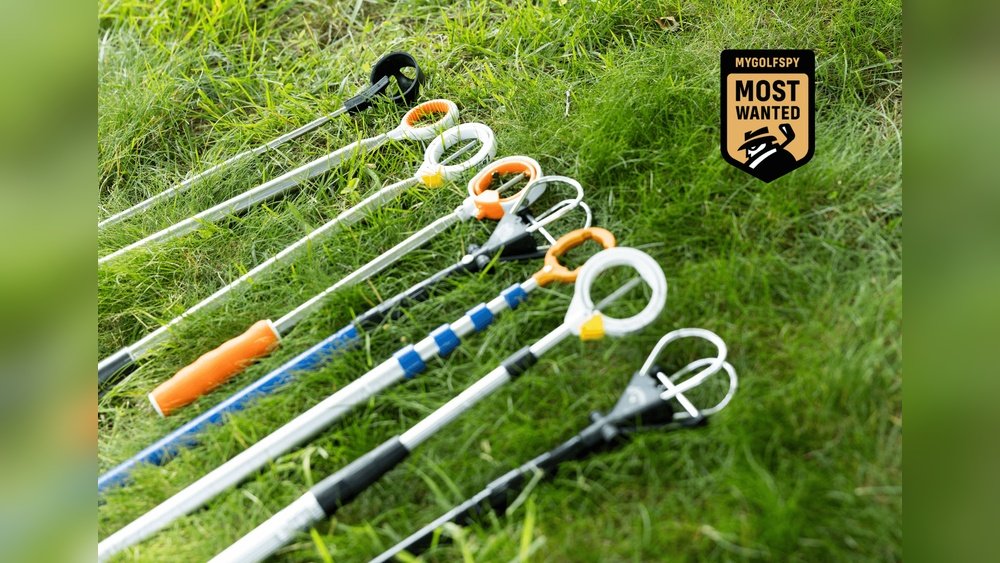
Have you ever lost a golf ball in a pond or thick rough and wished you could just grab it back? A golf ball retriever is the simple tool that can save you time, money, and frustration on the course.
Imagine never having to walk away empty-handed after a wayward shot. You’ll discover exactly what a golf ball retriever is, how it works, and why it might become your new best friend during every round. Keep reading to find out how this small gadget can make a big difference in your game.
Golf Ball Retriever Basics
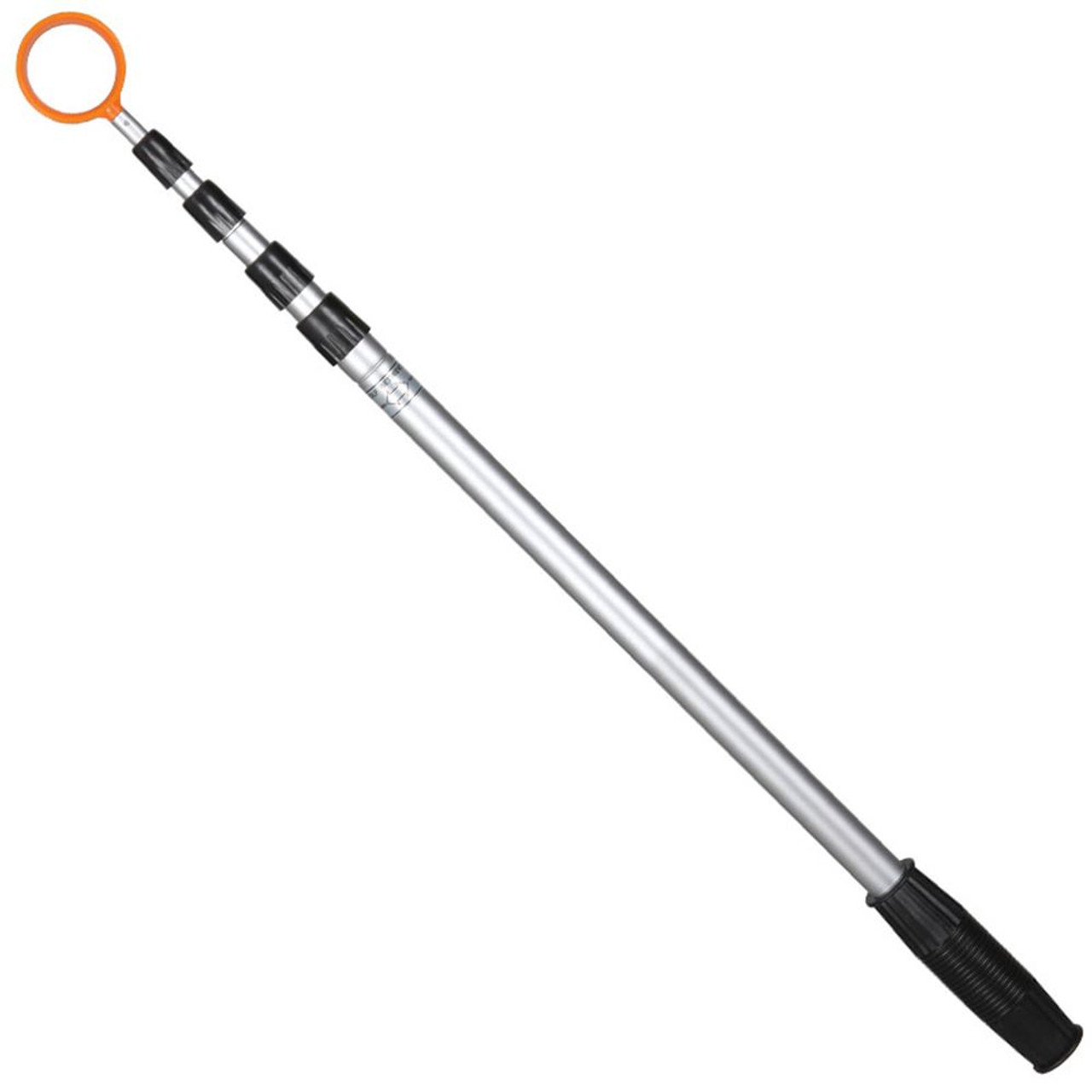
A golf ball retriever is a simple tool designed to help golfers recover balls from hard-to-reach places. It extends your reach, making it easier to get balls from water hazards, bushes, or tall grass. This tool saves time and effort during a round of golf.
Golf ball retrievers come in various lengths and designs. Most have a long, telescoping handle and a scoop or basket at the end. They are lightweight and easy to carry in your golf bag.
Purpose And Benefits
The main purpose of a golf ball retriever is to recover lost balls quickly. It helps avoid the need to walk into water or rough terrain. This tool protects your clothes and shoes from mud and water. Using a retriever reduces wasted time during play. It also saves money by recovering balls you would otherwise lose.
Common Scenarios For Use
Golf ball retrievers are useful near water hazards like ponds or lakes. They work well for balls stuck in bushes or tall grass. You can use them to reach balls on steep slopes or behind fences. They are also handy for retrieving balls from sand traps when you want to avoid stepping in the sand. Overall, they help get your ball back safely and easily.
Types Of Golf Ball Retrievers
Golf ball retrievers come in various types to suit different needs. Each type offers unique features for retrieving balls from tough spots. Understanding these types helps choose the best tool for your game.
Telescopic Retrievers
Telescopic retrievers extend to reach balls far away. They collapse into a compact size for easy carrying. Many have a scoop or claw at the end to grab the ball. Perfect for ponds, bushes, or deep rough areas.
Floating Retrievers
Floating retrievers stay on water and do not sink. They help retrieve balls from ponds or lakes quickly. Usually made of lightweight materials like foam or plastic. A must-have for golfers near water hazards.
Magnetic Retrievers
Magnetic retrievers attract golf balls with built-in magnets. They work only with balls that contain metal parts. Great for shallow water or muddy spots. Simple and easy to use for quick pickups.
Diy Options
DIY retrievers are homemade tools made from everyday items. People use nets, sticks, or hooks to reach balls. A budget-friendly choice for casual players. Creative solutions can be effective and fun to make.
Key Features To Look For
Choosing the right golf ball retriever can save time and effort on the course. Certain features make a retriever practical and easy to use. Focus on these key aspects to find a tool that fits your needs.
Length And Reach
The length of the retriever is crucial. Longer retrievers reach balls in deep water or thick bushes. Telescoping models offer adjustable length. Pick a length that suits common problem spots on your course.
Material And Durability
Materials affect how long the retriever lasts. Stainless steel resists rust and damage from water. Lightweight aluminum is strong but easy to carry. Plastic parts should be sturdy and crack-resistant for better durability.
Weight And Portability
A light retriever is easier to carry around the course. Heavy models might tire your arm quickly. Look for a balance between strength and lightness. A compact design fits well in your golf bag.
Grip And Handling
A comfortable grip helps you hold the retriever steady. Rubber or foam grips reduce slipping in wet conditions. Ergonomic shapes improve control during use. Good handling reduces frustration and improves ball retrieval.
How To Use A Golf Ball Retriever
Using a golf ball retriever helps you save time and effort on the course. This tool reaches balls stuck in water, bushes, or hard-to-reach places. Knowing how to use it properly makes retrieving easier and faster. Follow these simple steps to get the most from your retriever.
Extending And Positioning
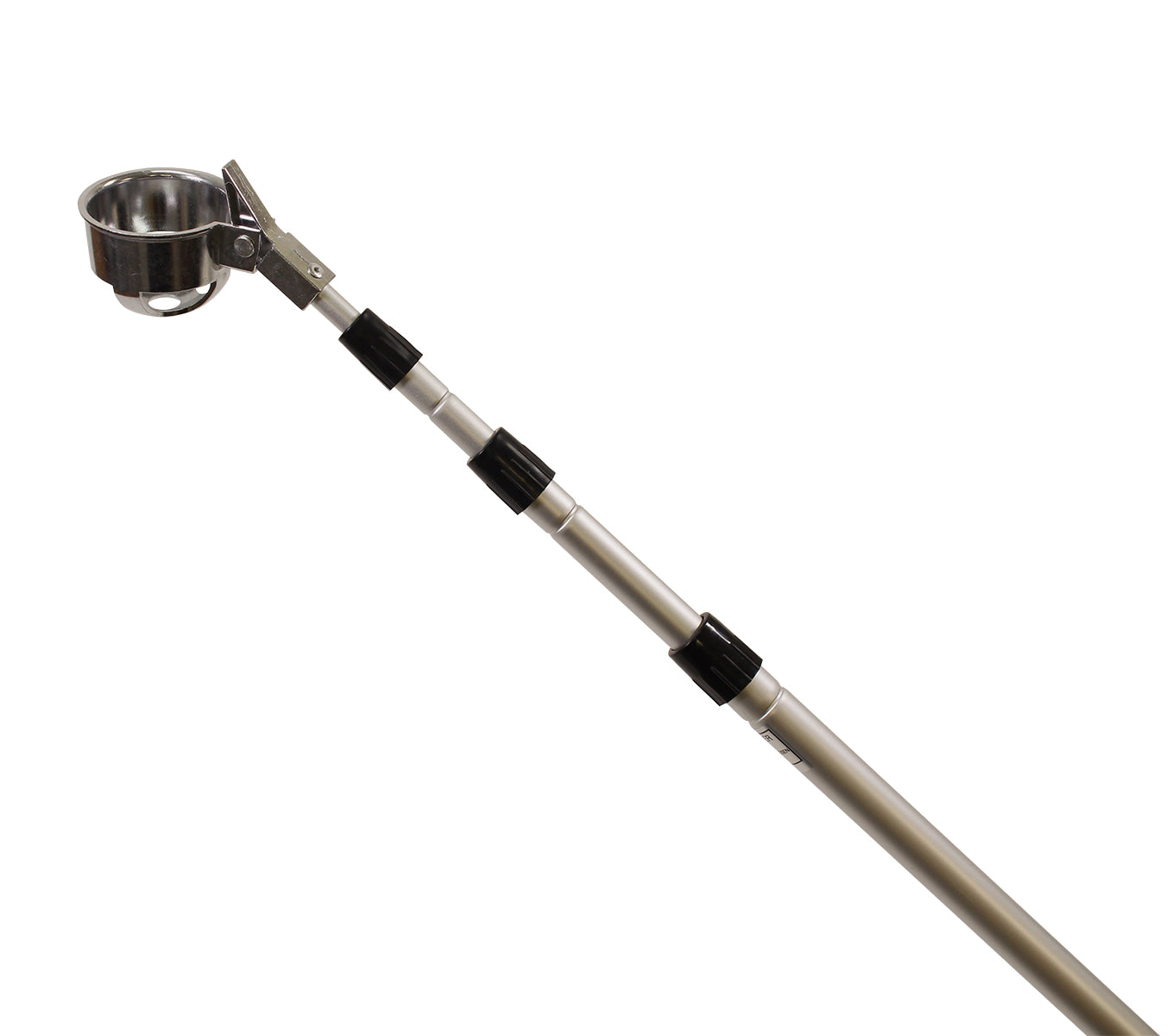
Start by unlocking the retriever’s telescoping sections. Pull each segment out slowly until it reaches the needed length. Lock the sections firmly to avoid slipping during use. Aim the retriever carefully toward the ball. Keep your wrist steady and lower the tool gently into the water or grass. Position the retriever so the scoop or basket surrounds the ball.
Tips For Difficult Spots
For balls stuck deep in bushes, move the retriever slowly. Use a gentle twisting motion to free the ball without damage. In water, lower the retriever vertically to avoid stirring mud. Clear obstacles by adjusting the angle carefully. Patience is key in tight spaces to avoid breaking the retriever or losing the ball again.
Maintenance And Care
After each use, rinse the retriever with clean water to remove dirt and debris. Dry the tool completely to prevent rust or damage. Check telescoping joints regularly for smooth movement. Store the retriever in a dry place to keep it in good shape. Regular care extends the retriever’s life and keeps it ready for use.
Choosing The Right Retriever For You
Choosing the right golf ball retriever helps save time and effort on the course. It lets you recover lost balls quickly. Your choice depends on your playing style, budget, and brand preferences. Each factor affects how useful the retriever will be for you.
Assessing Your Playing Style
Think about how often you lose balls during play. Do you play on courses with water hazards or rough areas? A long retriever with extendable poles suits difficult terrains. Casual players may prefer shorter, simpler models. Consider if you often play alone or with friends. This affects the type of retriever you need. Choose one that fits your regular playing conditions.
Budget Considerations
Golf ball retrievers come in many price ranges. Basic models cost less but may lack durability. Higher-end retrievers offer sturdy materials and longer reach. Set a budget before shopping to narrow choices. Spend wisely to get value without overspending. Remember, a good retriever lasts for many games.
Top Brands And Models
Some brands are known for quality golf ball retrievers. Callaway, Pinemeadow, and Clicgear offer popular models. These brands provide durable and easy-to-use retrievers. Check user reviews for real feedback. Choose a model with good grip and smooth extension. Select one that matches your style and budget.

Golf Ball Retriever Safety Tips
Using a golf ball retriever helps save lost balls and time. Safety is important when handling this tool. Follow simple tips to avoid accidents and injuries.
Avoiding Hazards
Check the area before stretching out your retriever. Watch for water, mud, or slippery spots. Stay away from steep edges and deep water. Use the retriever only in safe places. Be careful near bushes and thorny plants.
Proper Handling Techniques
Hold the retriever firmly with both hands. Extend it slowly and carefully. Do not force the tool into tight spots. Keep your balance while reaching for the ball. Retract the retriever gently to avoid snapping. Store it safely after use to prevent damage or injury.
Improving Your Game With A Retriever
Using a golf ball retriever can help improve your play on the course. It saves time and reduces stress. You can focus more on your shots and less on lost balls. This tool also supports a cleaner environment by keeping balls out of water hazards and rough areas. A retriever is simple but very useful for all golfers.
Saving Time On The Course
A retriever helps you find balls quickly. No more long searches in bushes or ponds. This means you spend more time playing. Faster rounds keep the game fun and smooth. You can finish your game earlier and still enjoy the day.
Reducing Frustration
Losing balls can be frustrating and annoying. A retriever cuts down on those lost balls. This lowers stress and keeps your mood good. Less frustration helps you stay focused. You can keep your confidence and play better shots.
Environmental Impact
Golf balls often end up in water or nature areas. A retriever helps collect these balls safely. This reduces pollution on the course. It protects wildlife and keeps the course clean. Using a retriever shows respect for nature and the game.
Frequently Asked Questions
What Is The Main Purpose Of A Golf Ball Retriever?
A golf ball retriever helps golfers recover balls from water hazards or difficult spots. It saves time and money by preventing ball loss during play.
How Long Is A Typical Golf Ball Retriever?
Most golf ball retrievers extend between 7 to 20 feet. This length allows easy access to balls in ponds, bushes, or other hard-to-reach areas.
Are Golf Ball Retrievers Easy To Use?
Yes, golf ball retrievers are simple to operate. They usually feature a telescoping pole and a basket or claw to grab balls efficiently.
Can A Golf Ball Retriever Work In Deep Water?
Golf ball retrievers are designed to reach balls in shallow to moderately deep water. However, extremely deep water may be challenging without specialized equipment.
Conclusion
A golf ball retriever helps you save time and effort on the course. It reaches balls stuck in water or bushes quickly. Using one keeps your game moving smoothly and reduces frustration. It also protects your clubs and hands from damage.
Choosing the right retriever depends on your needs and budget. Simple tools work well for casual players, while advanced models suit regular golfers. Overall, a golf ball retriever is a useful tool for anyone who wants to enjoy golf without losing balls.
Easy to use and practical. Worth considering for every golfer.


