Are you tired of guessing distances on the golf course? Choosing the right golf rangefinder can make a huge difference in your game.
But with so many options out there, how do you know which features really matter? You’ll discover the key features to look for that will help you improve your accuracy, save time, and lower your score. Keep reading to find out exactly what your next golf rangefinder should have to give you the edge you’ve been searching for.
Key Features Of Golf Rangefinders
Golf rangefinders have many features that help golfers improve their game. These features affect accuracy, ease, and reliability on the course. Knowing the key features helps you pick the right tool for your needs. Below are the main features to consider.
Accuracy And Distance Measurement
Accuracy is the most important feature of any rangefinder. It must measure distances precisely to help with club selection. Look for devices with a margin of error of one yard or less. Consistent readings improve confidence in every shot.
Slope And Angle Adjustment
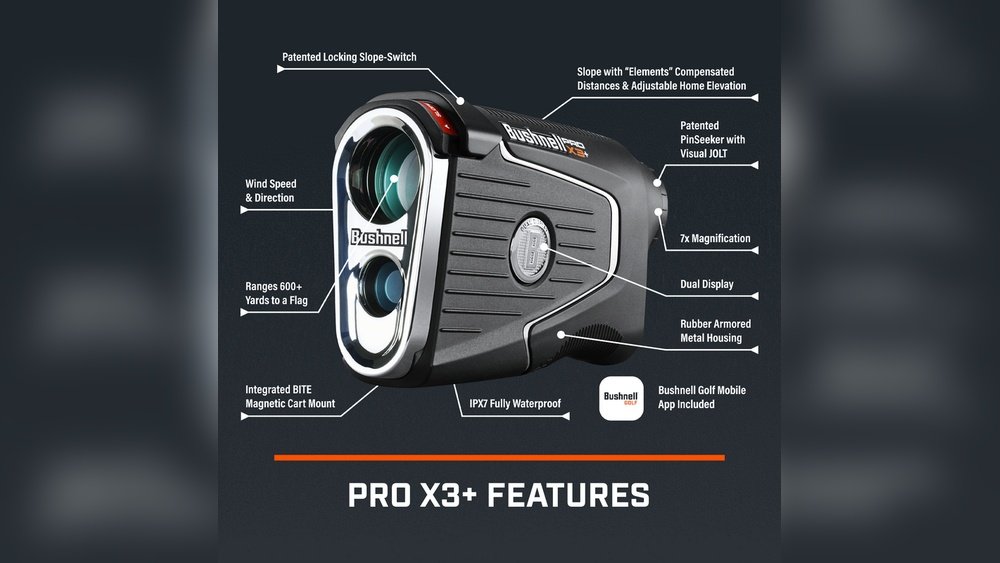
Slope adjustment calculates the angle of elevation or decline. This helps give a true distance, not just a flat measurement. Some models allow you to turn this feature off for tournament play. It improves shot planning on hills and uneven terrain.
Magnification Power
Magnification helps you see the target clearly. Common powers range from 5x to 7x. Higher magnification shows more detail but can be harder to hold steady. Choose a power that balances clarity with ease of use.
Display And Readability
A clear display is vital for quick readings. Look for bright, easy-to-read screens with good contrast. Some rangefinders have illuminated displays for low light. Large numbers and simple icons reduce confusion during play.
Battery Life And Power Source
Long battery life keeps the rangefinder ready on long rounds. Many models use rechargeable batteries or standard replaceable ones. Choose a device that lasts at least 8 to 12 hours. Easy charging or battery replacement is important.
Durability And Weather Resistance
Golf courses can have rough conditions. A durable, weather-resistant rangefinder withstands rain and dust. Look for water-resistant or waterproof ratings. Shock-proof bodies resist drops and bumps on the course.
Size And Weight
Compact and lightweight rangefinders fit easily in your pocket or bag. They cause less hand fatigue during long rounds. Small size should not sacrifice grip or comfort. Find a balance between portability and handling.
Ease Of Use And Interface
Simple controls make the rangefinder faster to use. Buttons should be easy to press without looking. Menus and settings need to be straightforward. Quick measurement modes save time on the course.
Additional Functionalities
Extra features add value and convenience. Some rangefinders include pin-seeking technology to lock onto the flag. Vibration alerts confirm distance readings. Others offer score tracking or shot history. Choose features that match your playing style.

Types Of Golf Rangefinders
Golf rangefinders come in different types. Each type offers unique features and benefits. Understanding these can help you pick the right one for your game. Here is a breakdown of the main types of golf rangefinders.
Laser Rangefinders
Laser rangefinders use a beam of light to measure distance. They send a laser to the target and calculate the time it takes to bounce back. This gives an accurate distance reading. These devices work well in clear weather and open spaces. They are lightweight and easy to carry on the course. Some models include slope measurement to adjust for elevation.
Gps Rangefinders
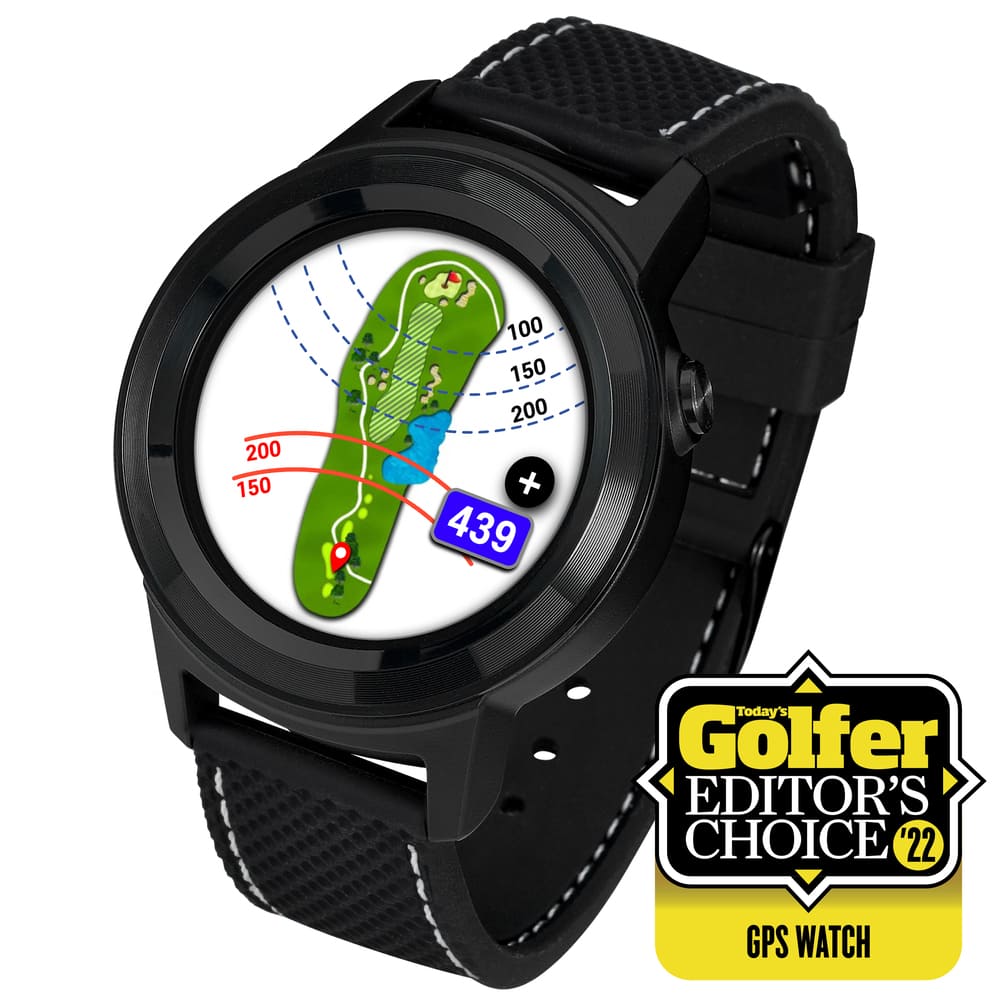
GPS rangefinders use satellite signals to find your position on the course. They provide distances to hazards, greens, and other landmarks. These devices show a map of the hole you are playing. GPS rangefinders do not require you to aim at a target. They are useful in all weather conditions. Battery life can vary but many models last several rounds.
Hybrid Models
Hybrid rangefinders combine laser and GPS technology. They offer the benefits of both types in one device. You can use GPS for general distances and laser for precise shots. These models provide flexibility and improve accuracy. They tend to be more expensive but suit serious golfers well. Hybrid rangefinders often come with extra features like course updates and score tracking.
Top Golf Rangefinder Picks
Choosing the right golf rangefinder can improve your game and save time on the course. Different players need different features. This guide highlights top picks to suit various needs and budgets.
Each model has unique strengths. Some focus on accuracy, while others offer ease of use or compact design. Explore these options to find the best fit for your style.
Best Overall Rangefinder
This model combines accuracy, speed, and durability. It works well in all light conditions. Many golfers trust its reliable performance on any course.
It offers clear readings and easy targeting. The battery life lasts through multiple rounds. A solid choice for serious players who want consistent results.
Best Budget Option
This rangefinder offers good accuracy at a low price. It is simple to operate. Ideal for golfers who want solid features without spending much.
The design is lightweight and easy to carry. It covers standard distances with decent precision. A great pick for casual players or beginners.
Best For Beginners
This device features easy-to-read displays and simple controls. It helps new golfers learn distances without confusion. The learning curve is gentle and quick.
It includes helpful guides for aiming. The price is affordable, making it less risky to try. A friendly introduction to rangefinders for fresh players.
Best For Advanced Players
This rangefinder offers advanced features like slope adjustment and scan mode. It provides precise measurements for complex shots. Designed for players who want detailed data.
The build quality is rugged and weather-resistant. It supports long-range targeting and fast locking. Perfect for competitive golfers seeking an edge.
Best Compact Model
This small, lightweight rangefinder fits easily in a pocket. It does not sacrifice accuracy despite its size. Great for golfers who prefer minimal gear.
It delivers quick readings and simple operation. The battery lasts through many holes. Ideal for those who value portability and convenience.
Tips For Choosing The Right Rangefinder
Choosing the right golf rangefinder can improve your game and save time on the course. Understanding what to look for helps you pick a device that fits your needs. Focus on key points like your skill, course type, features, and device compatibility.
These tips make the choice easier and help you buy the best rangefinder for your style and budget.
Assessing Your Skill Level
Beginners need simple rangefinders with easy controls. Advanced players may prefer models with extra features like slope measurement. Think about how much help you want from your rangefinder. Choose one that matches your experience to avoid confusion.
Considering Course Type
Different courses require different tools. Open courses might only need basic distance measurement. Hilly or wooded courses benefit from rangefinders with slope technology. Match the rangefinder to the course style for better accuracy and confidence.
Balancing Features And Price
Rangefinders come with many features, but not all are necessary. Focus on must-have functions like clear display and fast readings. Set a budget and find a model with the best features in that range. Avoid paying extra for features you won’t use.
Checking Compatibility With Other Devices
Some rangefinders connect to smartphones or smartwatches. This allows you to track scores or get course updates. Check if the rangefinder works with your existing devices. Compatibility can add value and improve your overall golf experience.
Maintenance And Care
Proper maintenance and care keep your golf rangefinder working well. A well-kept device lasts longer and stays accurate. Simple habits protect your investment and improve your game.
Cleaning And Storage
Clean the lens gently with a soft cloth. Avoid harsh chemicals that can damage the glass. Wipe the body with a damp cloth to remove dirt and sweat. Store the rangefinder in a dry, cool place. Use a protective case to prevent scratches and bumps. Keep it away from direct sunlight and moisture.
Battery Management
Check battery levels before each round. Replace or recharge batteries as needed to avoid sudden power loss. Remove batteries if you do not use the device for a long time. Use the correct battery type recommended by the manufacturer. Proper battery care ensures your rangefinder works without interruption.
Software Updates
Check for software updates regularly. Updates fix bugs and improve features. Follow the manufacturer’s instructions for updating the device. Keeping software current helps your rangefinder perform better. Updated software may add useful functions over time.

Frequently Asked Questions
What Is The Most Important Feature In A Golf Rangefinder?
Accuracy is the most important feature in a golf rangefinder. It ensures precise distance measurements. This helps golfers make better club selections and improve their game.
How Does Slope Measurement Improve Golf Rangefinders?
Slope measurement adjusts distances based on terrain incline. It provides more realistic yardages on hilly courses. This feature helps golfers choose the right club for uphill or downhill shots.
Are Gps Features Essential In Golf Rangefinders?
GPS features enhance a golf rangefinder by providing course maps and hazard locations. While not essential, they add valuable information for strategic play. Many golfers prefer rangefinders with integrated GPS for convenience.
What Battery Life Should A Golf Rangefinder Have?
A good golf rangefinder should have a battery life lasting at least 8-12 hours. This ensures it lasts through multiple rounds. Rechargeable batteries or easy replacements are also useful features.
Conclusion
Choosing the right golf rangefinder can improve your game. Focus on accuracy, ease of use, and durability. Look for clear display and fast measurement features. Consider battery life and weight for comfort. Remember, a good rangefinder fits your needs and budget.
Take time to compare models before buying. The right tool helps you make better shots. Enjoy your time on the course with confidence.


