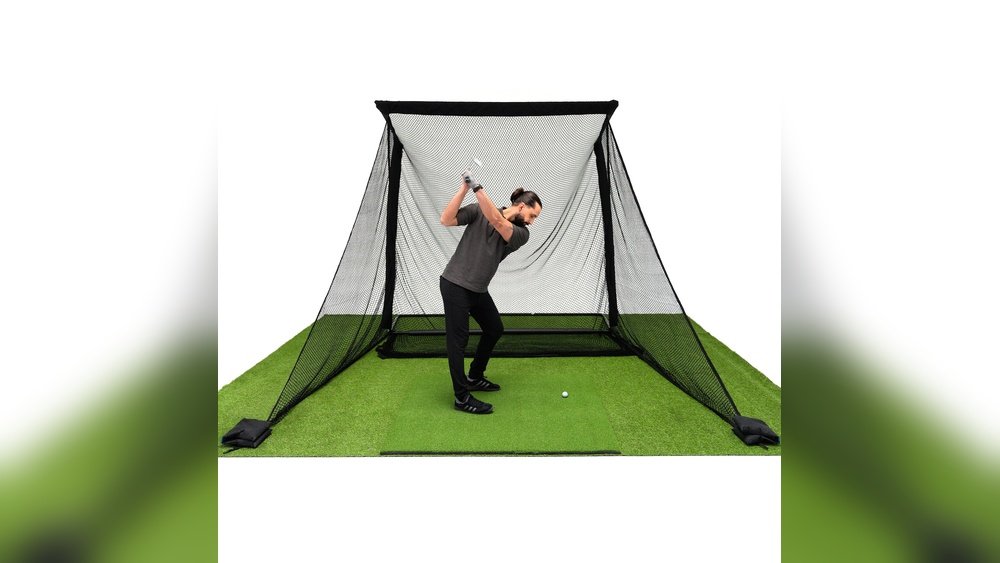
Golfers know that practice is the key to improvement, but weather, time, and busy schedules can make regular driving range visits tough. This is where a golf practice net becomes a game-changer. With a high-quality net at home, you can sharpen your swing, work on accuracy, and even practice with real golf balls without stepping onto a course. But not all nets are made the same. Choosing the right one can save you money, frustration, and help you get the most out of your practice sessions.
Let’s explore the most important features to look for in a golf practice net. This guide will help you make a smart choice, whether you’re a beginner or a seasoned player looking to practice more efficiently.
Durability And Material Quality
The durability of a golf practice net is crucial. Swinging a club at full speed sends balls flying fast—sometimes over 100 mph. Cheap nets made with thin nylon or polyester wear out quickly, often tearing or fraying after only a few sessions. Look for nets made with high-density polyester or knotless nylon. These materials can handle thousands of hits.
Some nets use extra reinforcement in the impact area, often called a “target sheet” or “strike zone. ” This area absorbs the most force. If you plan to practice with real golf balls (not foam), strong material is even more important.
Weather resistance matters too, especially for outdoor use. UV-resistant nets last longer in sunlight, and waterproof coatings prevent mold or rot. If you live in a rainy or sunny area, check these details before buying.
Size And Hitting Area
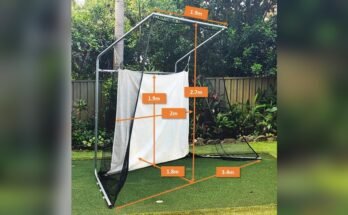
Choosing the right size is a balance between space and safety. Nets come in many sizes, from small chipping targets to large cages. For a full swing with a driver, a hitting area at least 7 feet high by 10 feet wide is recommended. This gives enough space to catch mis-hits and slices.
If you plan to practice indoors, measure your room or garage carefully. Some nets fold down small for storage, making them suitable for tight spaces. For outdoors, consider your yard’s width and any nearby windows or fences.
A larger net gives you more confidence to swing freely, reducing the fear of missing and breaking something. However, bigger isn’t always better—look for the right size for your usual practice spot.
Stability And Frame Construction
A net is only as good as its frame. A wobbly or lightweight frame can tip over or move during practice, which can be dangerous and annoying.
Frames come in several types:
- Steel frames: Strong, stable, but heavier. Best for permanent setups.
- Fiberglass poles: Lightweight, flexible, and often used in portable nets. Good for easy setup and takedown.
Check for wide base support and ground stakes for outdoor use. If you use the net indoors, rubber feet prevent slipping on hard floors. Some nets include anchor ropes or sandbags for extra stability, especially in windy locations.
Here’s a comparison of common frame materials:
| Frame Material | Strength | Weight | Portability | Best Use |
|---|---|---|---|---|
| Steel | Very strong | Heavy | Low | Permanent outdoor |
| Fiberglass | Moderate | Light | High | Indoor/portable |
| Plastic | Weak | Very light | High | Chipping nets |
Easy Setup And Portability
Not everyone wants a net in their yard all year. Easy setup and portability are key for many golfers. Some nets can be assembled in minutes, while others need tools and more time.
Pop-up nets use flexible poles that unfold quickly, like a camping tent. Heavier-duty nets may come with more parts, but offer greater stability.
If you plan to move your net often, check its storage size and weight. Some nets fold into a small carry bag, while others are bulky. Also, consider the assembly instructions—clear guides and labeled parts make a big difference, especially for beginners.
Ball Return Feature
A ball return system is a small detail that saves a lot of time. Instead of chasing after balls after every shot, a net with a return ramp or sloped floor brings balls back to your feet. This keeps your practice session focused and efficient.
Some nets have built-in return chutes, while others use angled fabric. This feature is especially helpful indoors, where space is limited and you don’t want to chase balls under furniture.
Not all ball return systems work perfectly—read reviews to see if balls actually come back as promised. High-speed driver shots may bounce differently than soft chips.
Versatility And Multi-sport Use
Some golf nets are designed for more than just golf. Multi-sport nets can handle baseball, soccer, or even lacrosse. If you or your family play different sports, a versatile net may be a better investment.
However, multi-sport nets sometimes trade specialization for flexibility. A net strong enough for baseball may be overkill (and more expensive) for golf alone. Check the product details to ensure it handles golf ball speeds.
For golfers, some nets include extra targets for chipping or separate zones for practicing accuracy. These help add variety to your training.
Net Design: Single Vs. Multi-layer
The design of the net itself impacts how well it performs and lasts. Some nets use a single layer of mesh, while premium models use double or even triple layers. Multi-layer nets absorb more energy, reducing wear and making them safer for high-speed shots.
Single-layer nets may be lighter and cheaper, but they often develop holes faster, especially if you use real golf balls regularly. Multi-layer designs cost more, but often last years longer.
Here’s a quick look at the differences:
| Net Layering | Durability | Best For | Price Range |
|---|---|---|---|
| Single Layer | Low | Light/occasional use | Low |
| Double Layer | Medium | Regular practice | Medium |
| Triple Layer | High | Heavy hitters | High |
Target Markings And Visual Aids
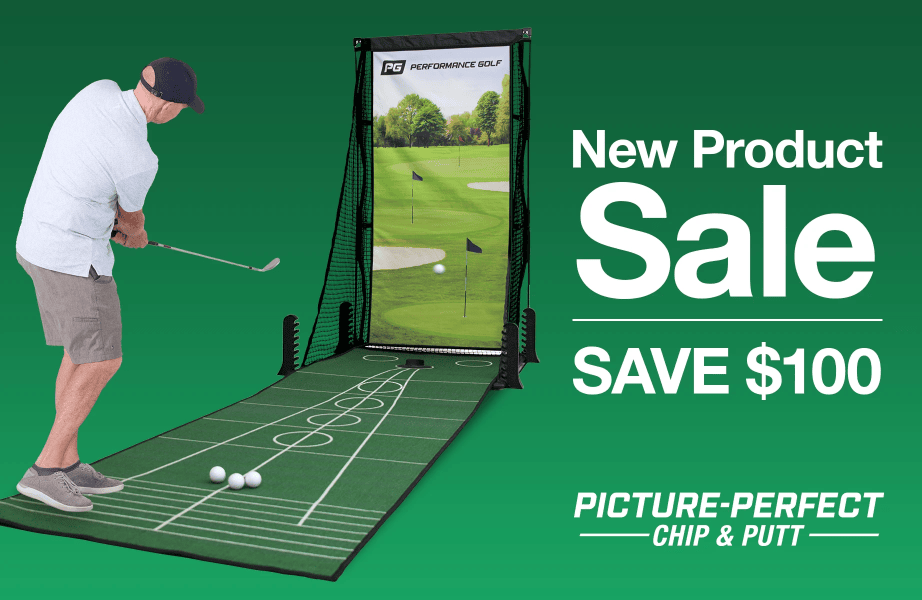
It’s not enough to just hit balls into a net—feedback is important for improvement. Many nets include target zones or colored markings. These help you aim and practice accuracy, not just power.
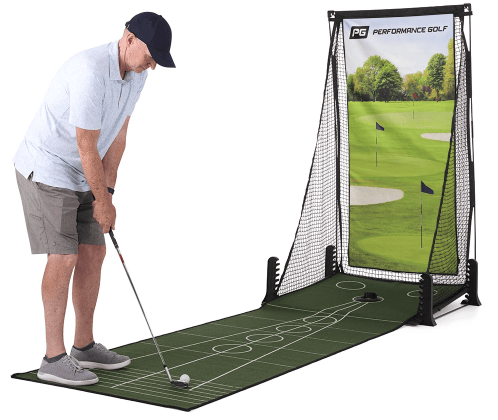
Some nets have removable target sheets with printed circles or flags. Others use fabric panels in the shape of a fairway or green. Practicing with these aids helps simulate real golf situations, making your sessions more productive.
Advanced nets may even include sensors or connect to apps for digital feedback, but these are less common and more expensive.
Indoor Vs. Outdoor Use
Where you plan to use your net affects which features matter most. Indoor nets should be compact, easy to assemble, and have soft bases to avoid floor scratches. Outdoor nets should have weather-resistant fabrics, strong anchors, and UV protection.
Some nets work well both indoors and outdoors, but check the specs. Tall nets may not fit inside garages or basements with low ceilings. For outdoor use, wind is a big factor—anchoring is critical for safety.
Price And Value For Money
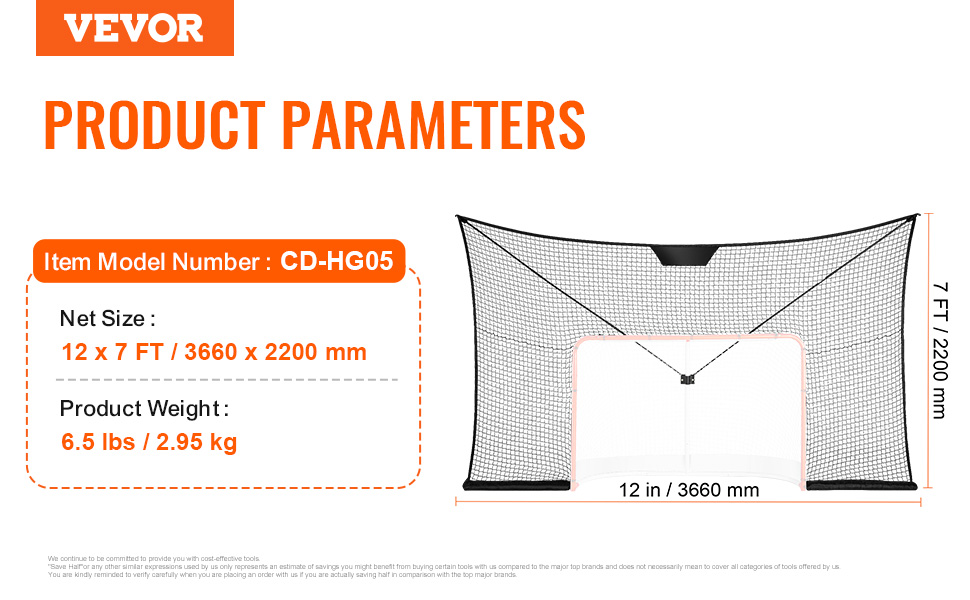
Price ranges for golf practice nets are wide. Basic chipping nets can cost under $50, while large, high-end nets reach $500 or more. The best value isn’t always the cheapest—it’s the net that fits your needs and lasts for years.
Consider your goals. If you practice daily with real balls, invest in a durable, reinforced net. For occasional use with foam balls, a simpler net may be enough. Also, factor in the cost of replacement parts, such as extra target sheets or frames.
Don’t forget the warranty. Many top nets offer 1-2 year warranties or satisfaction guarantees. This shows the brand stands behind its product.
Safety Features
Safety should never be overlooked. Look for reinforced edges, stable frames, and nets that fully enclose the hitting area. Avoid nets with large holes or weak corners, as balls can escape and cause damage.
If you practice near windows, cars, or neighbors, extra safety is essential. Some nets include side barriers or top enclosures to catch high or wild shots. The peace of mind is worth the extra cost.
Customer Reviews And Brand Reputation
Some features sound great on paper but don’t deliver in real life. That’s why customer reviews are valuable. Look for brands with a reputation for quality and customer service. Check for common complaints—like hard-to-assemble frames or nets that tear quickly.
A brand with a long warranty and lots of positive feedback is usually a safe bet. Avoid unknown brands with little information or support.
Accessories And Extras
Some golf practice nets come with useful extras:
- Chipping targets
- Carrying bags
- Ground stakes
- Replacement sheets
- Instructional guides
These can add value and make practice more enjoyable. However, focus first on the core features—extras are nice, but not a substitute for quality and durability.
Common Beginner Mistakes
New golfers often choose the wrong net for their space or skill level. Here are two insights that save time and money:
- Buying too small: Many beginners buy a net that barely fits their swing. When shots go wild, balls miss the net and cause damage. Always choose a net at least 2-3 feet wider and taller than your swing zone.
- Ignoring frame quality: It’s tempting to buy a light, cheap net. But a weak frame bends, breaks, or tips over after a few hits. This can be frustrating and even dangerous. Invest in a sturdy frame, especially if you practice outdoors.
Real-world Example: Comparing Two Popular Nets
Let’s compare two common choices: a basic pop-up net and a reinforced cage-style net.
| Feature | Pop-up Net | Cage-Style Net |
|---|---|---|
| Setup Time | Under 5 minutes | 15-20 minutes |
| Durability | Low to medium | High |
| Portability | Very portable | Bulky/heavy |
| Ball Return | Some models | Usually included |
| Price | $50–$120 | $200–$500 |
| Best For | Beginners/indoor | Advanced/outdoor |
Frequently Asked Questions
What Size Golf Practice Net Should I Buy?
Choose a net at least 7 feet high and 10 feet wide for full-swing practice. If you have limited space, measure carefully. A bigger net gives more safety and confidence, especially for beginners.
Can Golf Practice Nets Be Used Indoors?
Yes, many nets are designed for indoor use. Check the net’s height and width to ensure it fits your room or garage. Look for soft bases and stable frames to avoid floor damage.
How Long Do Golf Practice Nets Last?
With regular use and real golf balls, a good net should last 2-5 years or more. Multi-layer nets and reinforced impact zones last the longest. Weather and UV exposure can shorten lifespan outdoors.
Are Expensive Nets Always Better?
Not always. High price often means better durability and features, but some mid-range nets offer great value. Compare material quality, frame strength, and user reviews before deciding.
Where Can I Find More Information On Golf Equipment?
You can find in-depth guides and reviews on trusted sites like Golf.com for the latest news and equipment advice.
A great golf practice net is more than just a piece of mesh. It’s an investment in your game, confidence, and safety. By focusing on the features that matter most—durability, size, frame quality, and ease of use—you’ll choose a net that helps you practice smarter and play better for years to come.