Are you struggling to get your golf swing just right? You’re not alone.
A smooth, powerful swing can feel like a mystery, but the right drills can unlock your true potential. Imagine hitting the ball farther and straighter with less effort. That’s exactly what this article will help you achieve. Keep reading, and you’ll discover simple, effective drills designed to improve your swing quickly.
Your best round yet is closer than you think.
Grip And Stance Drills
Grip and stance drills form the base of a strong golf swing. They build control and balance. These drills help create consistency in every shot. Small changes here improve overall swing mechanics. Practicing these drills regularly leads to better results on the course.
Perfecting Your Grip
The grip controls the club throughout the swing. Start by holding the club lightly but firmly. Place your left hand so the thumb points down the club. The right hand should cover the left thumb. Practice gripping and releasing the club smoothly. Use a mirror to check your hand positions. A proper grip reduces tension and improves accuracy.
Aligning Your Feet
Feet alignment affects the swing path and balance. Stand with your feet shoulder-width apart. Aim your toes slightly outward for comfort. Position your feet parallel to the target line. Use clubs or sticks on the ground to check alignment. Practice swinging with feet set correctly. Proper alignment helps the clubhead follow the correct path.
Balance And Posture Exercises
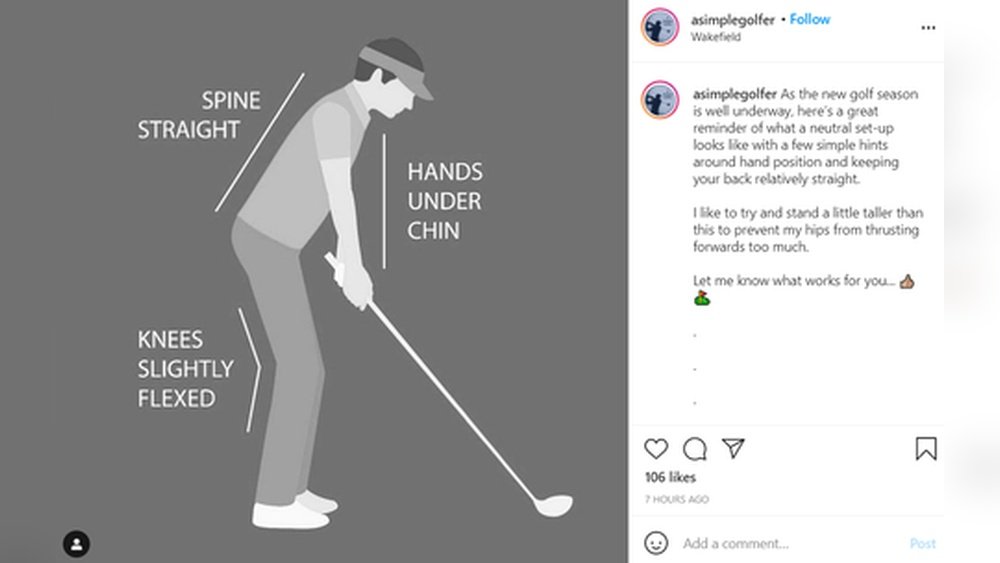
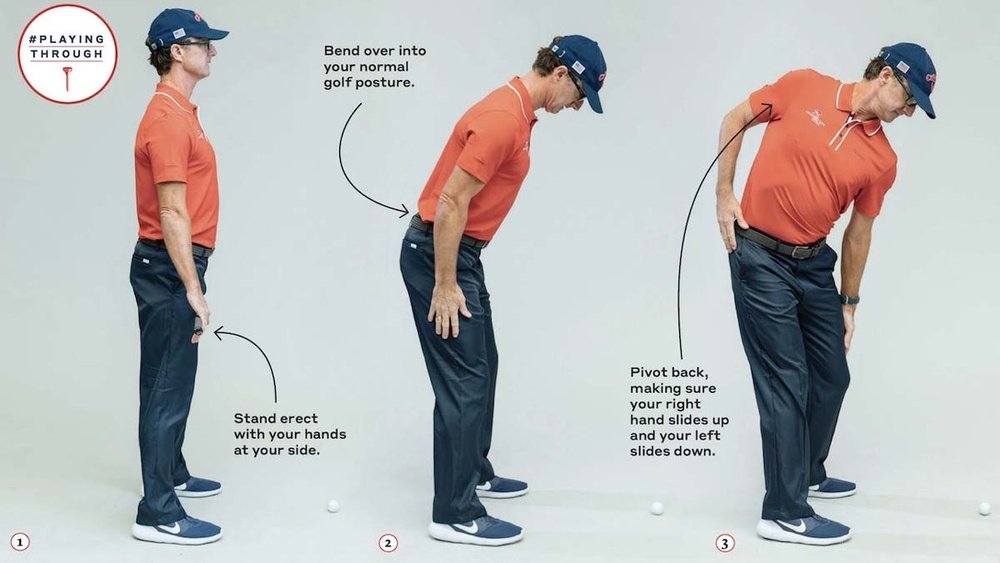
Balance keeps the swing stable and controlled. Practice standing on one foot for 30 seconds. Switch feet and repeat to build stability. Keep your knees slightly bent and back straight. Tilt from the hips, not the waist. Hold this posture and make slow swings. Good posture supports a smooth and powerful swing.
Backswing And Downswing Drills
Improving your golf swing starts with practicing the backswing and downswing drills. These drills help build consistency and control. They focus on smooth movements and proper timing. Practicing these will improve your power and accuracy on the course.
Smooth Backswing Techniques
Start your backswing slowly and smoothly. Avoid rushing or jerking the club. Keep your arms relaxed and your body steady. A smooth backswing sets a solid foundation for a better shot. Try practicing in front of a mirror to watch your form. This helps you see if your movement is fluid and balanced.
Controlled Downswing Movements
During the downswing, focus on control rather than speed. Begin the motion by shifting your weight forward gently. Keep your wrists firm but not stiff. Control helps you hit the ball cleanly and with more power. Use slow-motion swings to feel the correct path. This drill trains your muscles to move correctly during the swing.
Timing And Rhythm Practice
Good timing and rhythm create a natural, powerful swing. Count in your head or use a metronome to set a steady pace. Practice swinging with a smooth, even tempo. Avoid rushing through the swing or pausing too long. Consistent rhythm helps improve accuracy and distance. Practice this often to build muscle memory for your swing.
Swing Plane And Path Drills
Improving your golf swing starts with understanding the swing plane and path. These two elements control how the club moves during your swing. A good swing plane and path help you hit straighter and longer shots. Practicing specific drills can train your body to follow the correct path consistently. Here are some helpful drills to improve your swing plane and path.
Using Alignment Sticks
Alignment sticks are simple tools that help you see your swing path. Place one stick on the ground pointing at your target. Use another stick to show the angle of your swing plane. Swing along the stick’s direction to train your body. This drill teaches you to keep the club on the correct path. Repeat it often to build muscle memory.
Mirror Feedback Exercises
Using a mirror is a great way to check your swing plane. Stand in front of the mirror and make slow swings. Watch your club’s position at key points in the swing. Compare what you see with the ideal swing plane. This visual feedback helps you spot mistakes. Practice this drill regularly to improve your body awareness.
Correcting Slice And Hook
Slices and hooks happen when the club path is off. A slice means the club moves outside-in. A hook means it moves inside-out. Use drills that focus on the correct swing path. For example, place a tee outside the ball to avoid swinging out-to-in. Practice swinging inside-to-out to stop hooking. These drills help you find the right path for straighter shots.

Tempo And Speed Drills
Improving your golf swing means controlling both tempo and speed. Tempo is the rhythm of your swing. Speed is how fast you swing the club. Both affect your accuracy and power. Practicing drills that focus on these helps you swing better. These drills build muscle memory and control. They also reduce tension and promote consistency.
Metronome Timing Practice
Using a metronome helps keep your swing rhythm steady. Set it to a slow, even beat. Swing the club in time with each tick. This trains your body to move with a smooth tempo. The steady pace stops rushing or dragging during the swing. Over time, your swing feels natural and balanced.
Slow Motion Swings
Practice your swing very slowly. This drill lets you check every part of your motion. Moving slow helps spot mistakes in your form. It builds muscle control and awareness. After slow swings, speed up gently but keep the same rhythm. This improves both control and power together.
Increasing Swing Speed Safely
Gradually increase your swing speed to avoid injury. Start with easy swings, then add speed in small steps. Use light clubs or practice with no ball. Focus on smooth acceleration, not sudden bursts. Strong muscles and good flexibility help increase speed safely. Controlled speed boosts distance without losing accuracy.
Impact And Follow-through Drills
Improving your golf swing requires focus on both impact and follow-through. These drills help build power and control. They also improve your consistency and accuracy. Practicing the right techniques can make a big difference.
Impact Bag Exercises
Impact bag exercises train your hands and body to hit the ball solidly. Use a padded bag or a heavy cushion. Swing and hit the bag, feeling the correct impact position. This drill helps you learn to transfer energy efficiently. It builds strength and timing for a better strike.
Extending The Follow-through
Extending your follow-through keeps your swing smooth and balanced. Practice swinging slowly and finish with your arms fully extended. Hold the position for a few seconds. This drill encourages a complete and controlled swing. It also helps create more power and better direction.
Maintaining Balance After Impact
Balance is key for a good golf swing. After hitting the ball, hold your finish position steady. Stand on one leg to test your balance. This drill trains your muscles to stay strong and stable. Better balance means better control and fewer mistakes on the course.

Drills For Specific Shots
Different golf shots need different skills. Practicing specific drills helps improve each part of your swing. Focus on the type of shot you want to improve. This way, your practice becomes more effective. Below are drills for common golf shots.
Improving Drives
Driving requires power and accuracy. Use the tee drill to hit balls off a low tee. This drill helps you strike the ball cleanly. Another drill is the slow-motion swing. Swing slowly to check your form and balance. Practice hitting with a smooth tempo. It builds consistency in your drives.
Mastering Iron Shots
Iron shots need precision and control. Use the gate drill by placing two tees just wider than your clubhead. This drill trains you to swing straight. Try the step drill to improve weight transfer. Step forward with your front foot as you swing. This helps you hit down on the ball better. Focus on making solid contact.
Perfecting Short Game Swings
The short game needs touch and feel. Use the landing spot drill by aiming for a small target. It improves your distance control. Practice the chip and run drill to learn different shot heights. Use a short backswing and accelerate through the ball. Work on clean contact and soft hands. This builds confidence around the green.
Incorporating Technology
Using technology can help improve your golf swing in smart ways. It gives clear data and visual feedback. This helps you understand your swing better. Technology can also track your progress over time. This way, you see what works and what needs change.
Using Swing Analyzers
Swing analyzers measure your swing speed and angle. They show exact numbers to guide your practice. These devices fit on your club or wrist. They give instant feedback after every swing. This helps you make quick changes to your form.
Video Feedback Techniques
Recording your swing on video helps spot mistakes. Watching slow-motion clips reveals small errors. You can compare your swing to pro golfers. This visual aid makes it easier to improve your technique. Many apps allow easy video review and sharing with coaches.
Tracking Progress Over Time
Technology stores your swing data for future review. You can see how your swing improves week by week. Tracking progress motivates you to keep practicing. It also shows which drills help the most. Consistent tracking leads to steady and clear improvement.

Frequently Asked Questions
What Drills Improve Swing Accuracy In Golf?
Swing accuracy drills focus on alignment and tempo. Practice slow-motion swings to build muscle memory. Use alignment sticks to ensure proper clubface direction. These drills help maintain consistent swing paths and improve shot precision.
Which Drills Enhance Golf Swing Power?
Power drills emphasize core rotation and weight transfer. Medicine ball throws and resistance band exercises develop strength. Practicing explosive hip turns increases clubhead speed. These drills boost driving distance and overall swing force.
How Can I Fix My Slice With Drills?
To fix a slice, use drills that promote an inside-out swing path. Tee drills and swing path trainers help correct clubface angle. Focus on proper grip and shoulder rotation. Consistent practice reduces slicing and improves ball flight.
What Drills Help Improve Swing Tempo?
Tempo drills involve swinging with a metronome or counting rhythm. Smooth, balanced swings promote better timing and control. Use slow, deliberate swings to build consistent tempo. These drills lead to improved ball striking and consistency.
Conclusion
Practicing the right drills helps improve your golf swing fast. Focus on drills that build balance, timing, and control. Regular practice makes your swing smoother and more consistent. Small changes lead to better shots on the course. Keep your drills simple and practice often.
Enjoy the process and watch your golf improve step by step. Consistency and patience bring the best results. Keep swinging, and your skills will grow naturally.