Have you ever wondered what “loft” means when it comes to golf clubs? Understanding loft can completely change the way you play and improve your game.
It’s a simple concept, but it holds the key to controlling the height, distance, and accuracy of your shots. If you want to hit the ball farther, higher, or with more precision, knowing about loft is a must. Keep reading, and you’ll discover exactly how loft works and how it can help you make smarter choices on the course.
:max_bytes(150000):strip_icc()/golf-loft-angle-illustration-583068583df78c6f6a289205.jpg)
Loft Basics
Understanding the basics of loft in golf clubs helps improve your play. Loft is a key factor in how the ball travels. It affects distance and direction. Knowing loft can guide you in choosing the right club for each shot.
Here, we explain what loft measures and how it changes ball flight. This knowledge helps you make smarter choices on the course.
What Loft Measures
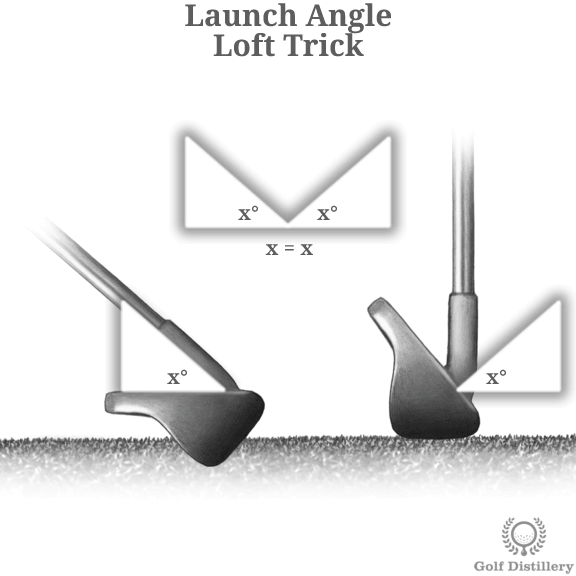
Loft is the angle of the clubface in relation to the ground. It tells how tilted the clubface is. This angle is measured in degrees. A higher loft means a more angled clubface.
The loft number is usually marked on the club. For example, a pitching wedge has more loft than a 5-iron. This angle affects how the ball lifts off the ground.
How Loft Affects Ball Flight
Loft controls the height and distance of the ball flight. Clubs with higher loft send the ball higher but shorter. Lower loft clubs hit the ball lower but farther.
More loft creates more backspin on the ball. This backspin helps the ball stop quickly on the green. Less loft means less spin and a roll after landing.
Loft In Different Clubs
Loft is a key factor in golf clubs. It affects how high and far the ball will travel. Different clubs have different lofts. Each loft suits a specific shot and distance. Understanding loft helps you choose the right club for your shot.
Woods And Drivers
Woods and drivers have the lowest lofts. Drivers usually have lofts between 8 and 13 degrees. Woods range from about 15 to 25 degrees. Lower loft means the ball flies farther but lower. These clubs are best for long shots from the tee or fairway.
Irons And Wedges
Irons have higher lofts than woods. They range from about 20 degrees to 50 degrees. Wedges have the highest lofts, often 50 degrees and up. Higher loft helps the ball go higher and land softly. Irons and wedges are good for approach shots and short distances.
Hybrids And Utility Clubs
Hybrids mix features of woods and irons. Their lofts usually fall between long irons and fairway woods. This makes them easier to hit than long irons. Utility clubs have similar lofts but more control. They are great for tricky shots and tight lies.
Loft And Distance
Loft plays a key role in how far a golf ball travels. It affects the angle at which the ball leaves the clubface. This angle changes the ball’s flight and carry distance. Understanding loft helps golfers pick the right club for each shot.
Impact On Carry Distance
Loft influences how high and far the ball flies. Higher loft creates more height and spin but less distance. Lower loft sends the ball on a flatter path with less spin. This usually means more roll after landing. Clubs with less loft often carry the ball farther in the air.
The right loft helps control distance and accuracy. Golfers can adjust their shots by choosing clubs with different lofts. This helps when playing on various courses and conditions.
Loft Vs. Swing Speed
Swing speed affects how loft impacts distance. Players with faster swings can use clubs with lower loft for longer shots. Slower swing speeds benefit from higher lofts to get the ball airborne. Matching loft to swing speed improves overall performance.
Choosing a club with the correct loft makes each shot easier. It helps keep the ball on target and achieves the desired distance. Golfers improve their game by understanding this balance.
Adjusting Loft For Performance
Adjusting the loft on golf clubs changes how the ball flies. Loft affects distance, height, and spin. Small changes can help players hit better shots. Understanding loft adjustment helps improve performance on the course.
Custom Fitting Options
Custom fitting lets golfers match loft to their swing. Experts measure swing speed, angle, and ball flight. Then, they suggest the best loft for each club. This personal touch improves accuracy and distance. Custom fitting creates clubs that fit your style.
Loft Adjustments On Drivers
Many drivers have adjustable loft settings. You can increase or decrease loft by a few degrees. Higher loft creates more height and spin for control. Lower loft adds distance but needs faster swing speed. Adjusting driver loft helps find the perfect balance.
Choosing The Right Loft
Pick loft based on skill level and swing speed. Beginners may use higher lofts for easier launch. Skilled players might choose lower lofts for more roll. Course conditions also matter—wet grass needs higher loft. Choose loft that fits your strength and the course.
Common Loft Myths
Many golfers have ideas about loft that are not quite right. These common myths can confuse players and affect their choices. Knowing the truth about loft helps you pick the right club.
Higher Loft Means Always More Distance
Some believe a higher loft always sends the ball farther. This is not true. Loft changes the ball’s flight and height, not just distance. A higher loft usually makes the ball go higher but not always farther. Distance depends on swing speed, angle, and club design too. Too much loft can reduce distance by causing more spin and less roll.
Loft Doesn’t Affect Accuracy
Many think loft only changes distance, not accuracy. Loft does affect accuracy. A proper loft helps control where the ball lands. Clubs with different lofts create different ball paths. Choosing the right loft for your swing improves your aim and consistency. Ignoring loft can lead to missed shots and poor control.
Tips To Use Loft To Your Advantage
Using loft correctly can improve your golf shots significantly. Loft affects how the ball flies and lands. Understanding how to use loft helps you control distance and accuracy. Small changes in loft can make big differences on the course.
Selecting Clubs For Course Conditions
Choose clubs with lofts that match the course layout. On windy days, use clubs with lower loft to keep the ball low. For soft greens, higher loft helps the ball stop quickly. Adjust your club choice based on the terrain and weather.
Improving Launch Angle
Loft controls the angle at which the ball leaves the clubface. A higher loft increases the launch angle, helping the ball fly higher. A lower loft creates a flatter trajectory, useful for long shots. Practice with different lofts to find your best launch angle.
Optimizing Spin Rates
Loft also affects how much the ball spins. More loft usually means more backspin, which helps the ball stop faster on the green. Less loft reduces spin, allowing the ball to roll farther. Balance spin and loft to match your shot goals.

Frequently Asked Questions
What Does Loft Mean In Golf Clubs?
Loft is the angle of the clubface that controls ball trajectory. Higher loft means higher and shorter shots. Lower loft produces lower and longer shots. It affects distance and accuracy.
How Does Loft Affect Golf Ball Flight?
Loft changes the ball’s launch angle and spin. More loft creates higher ball flight and more backspin. Less loft results in lower, piercing shots with less spin. This impacts control and distance.
Why Is Loft Important For Choosing Golf Clubs?
Loft helps match clubs to specific shot needs. Different lofts suit varying distances and course conditions. Proper loft selection improves shot accuracy, distance control, and overall game performance.
Can Loft Be Adjusted On Golf Clubs?
Yes, many modern clubs have adjustable loft settings. Adjusting loft customizes ball flight and trajectory. It helps golfers optimize performance for their swing and course conditions.
Conclusion
Understanding loft in golf clubs helps you choose the right club. Loft affects how high and far the ball will fly. Different clubs have different lofts for various shots. Choosing the correct loft improves your control and accuracy. Keep practicing with clubs of different lofts to see what fits you best.
Golf becomes more enjoyable when you know how loft works. Remember, small changes in loft can change your game a lot. Use this knowledge to play smarter and have more fun on the course.


