Have you ever wondered what exactly a golf launch monitor measures and how it can improve your game? Understanding these key numbers can unlock your true potential on the course.
By knowing what data a launch monitor tracks, you can identify your strengths and pinpoint areas to focus on. You’ll discover the essential metrics that give you a clear picture of your swing and ball flight. Keep reading to see how this powerful tool can help you play smarter, hit farther, and lower your scores.
Ball Speed
Ball speed is a key measurement taken by a golf launch monitor. It shows how fast the golf ball moves right after being hit by the club. This number helps golfers understand their swing power and efficiency.
Higher ball speed often means the ball will travel farther. It also gives clues about how well the clubface struck the ball. Golfers use ball speed data to improve their technique and choose the right equipment.
How Ball Speed Is Measured
The launch monitor uses radar or camera technology to track the ball. It records the exact speed the ball leaves the clubface. This data is shown in miles per hour or kilometers per hour.
Importance Of Ball Speed For Distance
Ball speed directly affects how far the ball will go. Faster ball speed usually means longer shots. Golfers aim to increase ball speed to hit the ball farther down the course.
Factors That Affect Ball Speed
Clubhead speed, impact angle, and ball quality all change ball speed. A solid hit with the right club gives the best ball speed. Poor contact or wrong equipment lowers ball speed.
Using Ball Speed To Improve Your Game
Tracking ball speed helps golfers adjust their swing. It shows if you hit the ball cleanly and powerfully. Golfers can test different clubs and balls to find the best fit.
Clubhead Speed
Clubhead speed is a key measure tracked by golf launch monitors. It shows how fast the club moves just before impact with the ball. This speed affects how far and how well the ball travels.
Golfers use clubhead speed to improve their swing and increase distance. A faster clubhead speed usually means longer shots. But it also requires good control to keep the ball on target.
How Clubhead Speed Is Measured
Launch monitors use radar or camera technology to capture clubhead speed. They track the club’s movement in real time. This data gives precise speed numbers in miles or kilometers per hour.
Why Clubhead Speed Matters
Higher clubhead speed can lead to more distance. It helps golfers reach longer holes with fewer shots. Speed alone is not enough. Control and technique matter just as much.
Improving Clubhead Speed Safely
Practice and fitness help increase clubhead speed. Proper warm-up prevents injuries. Swing drills focus on smooth, fast movements. Speed should grow gradually to avoid strain.
Launch Angle
Launch angle is a key number in golf. It shows the angle at which the ball leaves the clubface. This angle affects how far and high the ball will fly. Golf launch monitors measure this angle to help players improve their shots.
What Is Launch Angle?
Launch angle is the angle between the ground and the ball’s path. It starts right after the ball hits the club. A higher launch angle means the ball goes higher. A lower angle means it stays closer to the ground.
Why Does Launch Angle Matter?
Launch angle changes the ball’s flight. It affects distance and control. Too low can cause the ball to roll too much. Too high can make the ball lose speed in the air. Finding the right launch angle helps get the best shot.
How Golf Launch Monitors Measure Launch Angle
Launch monitors use sensors or radar to track the ball. They measure the ball’s path as it leaves the club. The device calculates the angle from the ground to the ball’s flight path. This gives an accurate launch angle reading.
Spin Rate
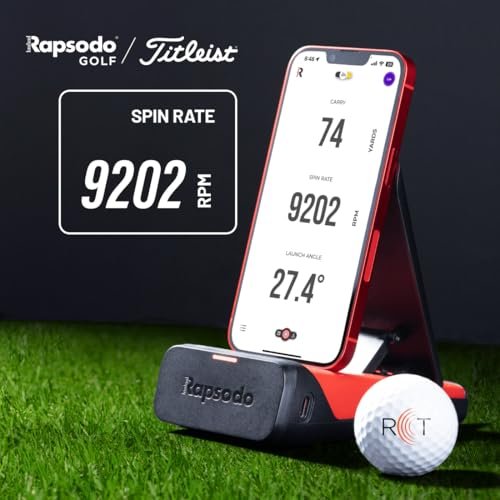
Spin rate is a key factor in golf that affects ball flight and distance. It shows how fast the ball spins after impact with the club. This spin influences how the ball moves through the air and lands on the course.
Golf launch monitors measure spin rate to help players understand their shots better. Knowing the spin rate helps golfers adjust their swing or equipment for improved performance.
What Spin Rate Tells You
Spin rate reveals the amount of backspin or sidespin on the ball. Backspin makes the ball rise and stay in the air longer. Sidespin causes the ball to curve left or right during flight.
How Spin Rate Affects Distance
Too much spin can reduce distance by causing the ball to climb too steeply. Low spin rates often result in longer, straighter shots. Finding the right spin rate balance helps maximize distance and control.
Using Spin Rate To Improve Shots
Spin rate data helps golfers tweak their swing or change clubs. It guides players to hit the ball with better trajectory and accuracy. Adjusting spin rate can lower scores and boost confidence on the course.
Carry Distance
Carry distance shows how far the golf ball travels in the air after being hit. It helps players understand their shot’s length. Golf launch monitors measure this to improve accuracy and performance.
What Is Carry Distance?
Carry distance is how far the golf ball travels through the air. It measures the distance from where you hit the ball to where it first touches the ground. This number does not include any roll after the ball lands.
Golfers need to know carry distance to choose the right club. It helps to plan shots and avoid hazards like water or bunkers. Understanding this distance improves accuracy and course management.
How A Launch Monitor Measures Carry Distance
A golf launch monitor uses radar or camera technology to track the ball’s flight. It captures data like ball speed, launch angle, and spin rate. The device calculates carry distance from this data.
Accurate carry distance helps golfers see how far their shots go in real conditions. It shows the effect of different swings, clubs, and ball types. This feedback helps golfers improve shot consistency.
Why Carry Distance Matters
Knowing carry distance helps golfers plan their shots more wisely. It prevents hitting into trouble areas on the course. Carry distance guides club selection for each shot.
Players can compare carry distances with different clubs and swings. This insight helps them choose the best option for each hole. Carry distance also aids in tracking progress over time.
Smash Factor
Smash Factor is a key metric measured by a golf launch monitor. It shows the efficiency of your swing. This number helps golfers understand how well energy transfers from the club to the ball.
Simply put, Smash Factor is the ratio of ball speed to club speed. It tells you how fast the ball moves compared to how fast the club was moving at impact. A higher Smash Factor means better energy transfer and usually longer shots.
How Smash Factor Is Calculated
The launch monitor measures club speed and ball speed during impact. Then it divides ball speed by club speed. For example, if your ball speed is 150 mph and your club speed is 100 mph, your Smash Factor is 1.5.
Why Smash Factor Matters
Smash Factor helps identify the quality of your strike. A low Smash Factor means you lose energy during impact. This could be due to hitting the ball off-center or swinging incorrectly.
Ideal Smash Factor Values
For most drivers, a Smash Factor around 1.5 is good. For irons, the number is usually lower, around 1.3 to 1.4. These values vary based on the club and swing type.
How To Improve Smash Factor
Focus on hitting the ball squarely with the center of the clubface. Practice consistent swing speed and path. Using a launch monitor during practice helps track your progress.
Swing Path
Swing path shows the direction of the club’s movement during a golf swing. It helps players understand how the clubhead travels through the ball. This data improves shot accuracy and consistency.
Swing Path Basics
Swing path shows the direction your clubhead moves during a golf swing.
It tracks whether the club moves from inside, outside, or straight to the ball.
This path greatly affects the ball’s flight and accuracy.
Why Swing Path Matters
A proper swing path helps hit the ball straighter and farther.
It reduces slices and hooks by controlling the clubface angle at impact.
Golfers with a consistent swing path score better and enjoy the game more.
How Launch Monitors Measure Swing Path
Launch monitors use radar or camera systems to track the clubhead.
They capture the exact angle and direction of your swing.
This data shows if your swing moves inside-out, outside-in, or straight.
Using Swing Path Data To Improve
Knowing your swing path helps identify flaws in your technique.
Coaches and players use this info to adjust swings and improve shots.
Practice drills can target specific swing path issues with accurate feedback.

Face Angle
Face angle shows the direction your clubface points at impact. It helps understand ball flight and shot accuracy. Golf launch monitors measure this to improve your swing.
What Is Face Angle?
Face angle is the direction the clubface points at impact. It shows if the clubface is open, closed, or square to the target line. This angle affects the ball’s starting direction and flight path. Small changes in face angle can cause big differences in shot accuracy.
How Does A Launch Monitor Measure Face Angle?
A golf launch monitor uses sensors and cameras to track the clubhead’s position at impact. It calculates the face angle by comparing the clubface direction to the target line. The data shows how the clubface was aligned at the moment the ball was struck.
Why Face Angle Matters For Your Swing
Face angle influences the ball’s flight path and shape. An open face angle causes a fade or slice. A closed face angle leads to a draw or hook. Knowing your face angle helps you adjust your swing to hit straighter shots.
Attack Angle
Attack angle is an important measurement in golf. It shows how the clubhead moves relative to the ground at impact. This number tells if you hit the ball on an upward or downward path. Understanding attack angle helps improve ball flight and distance.
What Is Attack Angle?
Attack angle measures the vertical path of the clubhead. A positive angle means the club moves upward. A negative angle means the club moves downward. Neutral means the club moves straight across the ball.
Why Does Attack Angle Matter?
Attack angle affects ball launch and spin. A positive attack angle with a driver can increase distance. A downward attack angle with irons helps compress the ball better. This leads to more control and accuracy.
How Does A Launch Monitor Measure Attack Angle?
Launch monitors use sensors and cameras to track the clubhead. They record the exact path of the club during impact. The data shows the angle the clubhead takes relative to the ground. This helps golfers see their true attack angle.
Shot Shape
Shot shape shows the path and curve of the golf ball after hitting. It helps players see if the ball goes straight, left, or right. This information improves swing and accuracy on the course.
Understanding Shot Shape
Shot shape shows the path and curve of your golf ball in the air. It helps you see if your ball flies straight, curves left, or curves right. This information is key for improving your accuracy and control on the course.
Golf launch monitors measure shot shape by tracking the ball’s flight path after impact. This data gives clear insight into how your swing affects the ball’s direction and curve.
Types Of Shot Shapes
There are common shot shapes like straight, fade, draw, slice, and hook. Each shape tells a story about your swing and clubface angle at impact.
A straight shot flies directly toward the target. A fade gently curves right for a right-handed golfer. A draw curves left on the same side. A slice and hook are more extreme curves, often unwanted.
How Launch Monitors Detect Shot Shape
Launch monitors use radar or camera technology to capture ball flight. They track the ball’s launch angle, speed, and spin. This data shows the exact curve and path of the shot.
By comparing shot shape with swing data, you can identify swing flaws. This helps in making precise adjustments to your technique.
Why Shot Shape Matters
Shot shape affects your distance and accuracy. A consistent shot shape means better control over the ball’s landing. It also helps avoid hazards and improves scoring chances.
Knowing your shot shape allows targeted practice. You can focus on drills that correct unwanted curves and improve your overall play.

Frequently Asked Questions
What Key Data Does A Golf Launch Monitor Provide?
A golf launch monitor measures ball speed, launch angle, spin rate, and carry distance. It also tracks club speed and angle of attack, helping golfers improve their swing and performance effectively.
How Does A Launch Monitor Improve Golf Performance?
By providing precise swing and ball flight data, launch monitors help identify weaknesses. Golfers can adjust techniques, optimize equipment, and track progress, leading to better consistency and lower scores.
Can Launch Monitors Measure Both Ball And Club Data?
Yes, modern launch monitors capture detailed ball and club metrics. This includes clubhead speed, path, face angle, and impact location, offering a complete analysis of the golf swing.
Are Launch Monitors Useful For Beginners And Pros?
Absolutely. Beginners benefit from learning fundamentals, while pros use detailed data for fine-tuning skills. Launch monitors cater to all skill levels, enhancing overall game improvement.
Conclusion
A golf launch monitor gives clear data about your swing. It measures ball speed, launch angle, spin rate, and more. These numbers help you understand your strengths and weaknesses. You can track progress and make smart changes. Golfers of all levels find this info useful.
Practice becomes focused and results improve. Using a launch monitor brings better control over your game. Simple tools, big impact.