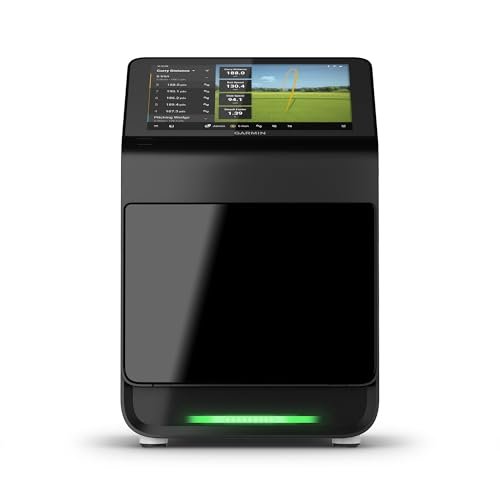
Have you ever wondered what makes a professional golf launch monitor so valuable to your game? Imagine having a clear, detailed picture of every swing, every shot, and every outcome.
These devices don’t just track random numbers—they capture crucial data that can transform how you play. By understanding exactly what your launch monitor measures, you can unlock insights that help you improve faster and play smarter. Keep reading to discover the key data points that a professional golf launch monitor tracks—and how they can take your golf game to the next level.

Key Metrics Tracked By Launch Monitors
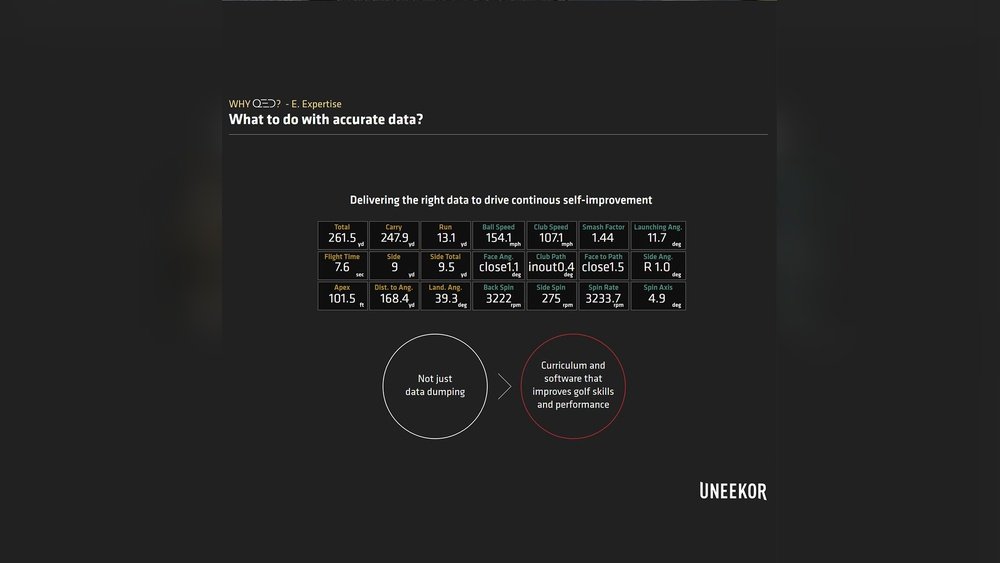
Launch monitors track key data points to help golfers understand their shots better. These tools measure the ball and club’s movement after impact. The data helps players see what works and what needs change. Here are the main metrics that professional launch monitors record.
Ball Speed
Ball speed shows how fast the ball moves after being hit. It depends on the force and quality of the strike. Higher ball speed usually means longer shots. This metric helps golfers find the best swing power.
Launch Angle
Launch angle is the angle at which the ball leaves the clubface. It affects the height and distance of the shot. A proper launch angle helps the ball fly farther and land softly. Golfers use this data to adjust their swing or club.
Spin Rate
Spin rate measures how fast the ball spins in the air. Spin affects the ball’s flight path and control. Too much spin can cause the ball to rise or curve too much. Less spin can make shots roll more after landing.
Carry Distance
Carry distance is how far the ball travels through the air before touching the ground. This metric is important for planning shots on the course. Knowing carry distance helps golfers avoid hazards and choose the right club.
Total Distance
Total distance includes carry distance plus any roll after the ball lands. It shows the full length of the shot. Weather and ground conditions can change this number. Total distance helps golfers understand how far their shots really go.

Club Data Captured
Professional golf launch monitors capture detailed club data to help players improve. This data shows how the club moves and hits the ball. Understanding these key numbers can lead to better shots and more consistent play.
Club Head Speed
Club head speed measures how fast the club moves at impact. Higher speed can create longer shots. It is a key factor in driving distance. Players use this data to find the right swing pace.
Attack Angle
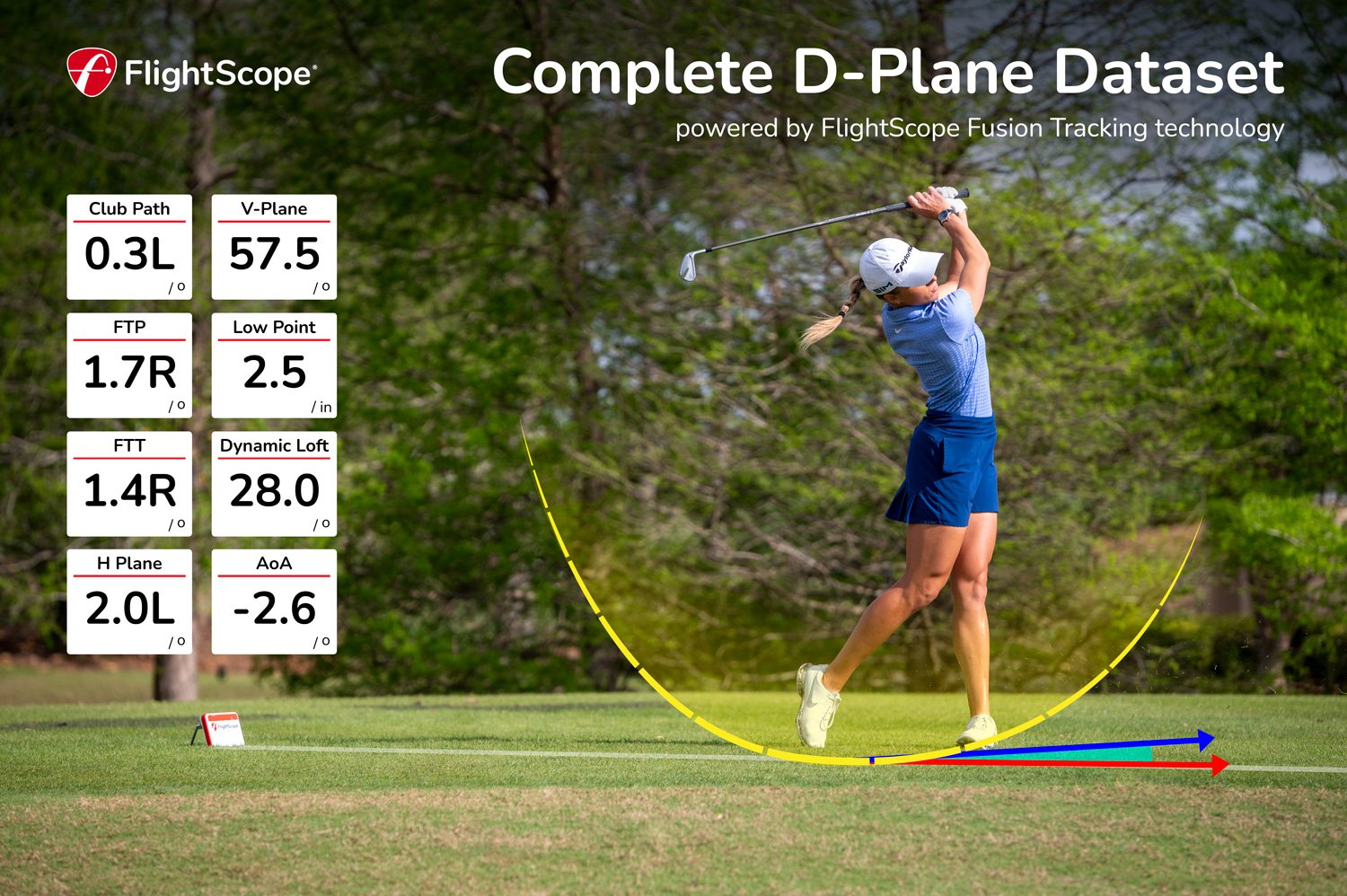
Attack angle shows the club’s path up or down at impact. A positive angle means hitting upward, common with drivers. A negative angle means hitting downward, typical with irons. This data helps improve ball flight and control.
Club Path
Club path tracks the direction the club travels through impact. It can be inside-out, outside-in, or straight. This affects the ball’s curve and accuracy. Players adjust their swing to correct the club path.
Face Angle
Face angle measures the clubface’s orientation at impact. It can point left, right, or straight. This angle strongly influences the ball’s starting direction. Monitoring face angle helps reduce slices and hooks.
Advanced Performance Parameters
Professional golf launch monitors track more than just ball speed and distance. They measure advanced performance parameters that reveal deeper insights about your swing and ball flight. These details help players improve accuracy and consistency. Understanding these key metrics can guide practice and club fitting.
Smash Factor
Smash factor is the ratio of ball speed to clubhead speed. It shows how efficiently energy transfers from club to ball. A higher smash factor means better contact and more distance. Golfers use this number to check if they hit the ball in the center of the clubface.
Spin Axis
Spin axis measures the tilt of the ball’s spin. It affects the curve of the shot, like a draw or fade. A neutral spin axis means the ball flies straight. Monitoring this helps golfers control shot shape and predict ball flight patterns.
Swing Plane
Swing plane tracks the path of the club during the swing. It shows if the club moves on the correct angle. A proper swing plane improves consistency and accuracy. Golfers use this data to fix slices or hooks by adjusting their swing path.
Tempo And Rhythm
Tempo and rhythm measure the timing of the swing. Good tempo means smooth, balanced swings. Rhythm helps maintain control and power. Launch monitors provide these numbers to help golfers develop a repeatable swing.
Technology Behind Data Collection
Professional golf launch monitors rely on advanced technology to track key data. These devices collect precise information about the ball and club during a swing. The technology used ensures accurate feedback to help improve performance. Different systems use unique methods to gather this data.
Radar-based Systems
Radar-based systems use radio waves to track the golf ball. They send signals that bounce off the ball and return to the device. This helps measure speed, spin, and flight path. Radar can track the ball over long distances. It works well outdoors and captures real-time data quickly.
Camera-based Systems
Camera-based systems use high-speed cameras to record the swing and ball movement. These cameras capture detailed images from multiple angles. Software then analyzes the images to calculate club speed, ball spin, and launch angle. These systems offer precise visual data and work best indoors or in controlled environments.
Combination Systems
Combination systems use both radar and cameras to collect data. This approach provides more complete and accurate measurements. Radar tracks the ball’s flight while cameras focus on the club and ball impact. Combining both technologies offers a detailed view of each shot. These systems are popular for their thorough data collection.
Benefits Of Launch Monitor Data
Launch monitor data offers many benefits for golfers of all levels. It helps players understand their swing and ball flight with clear numbers. This data supports focused practice and better decisions on the course. The information is useful for both beginners and advanced players. Here are some key benefits of using launch monitor data.
Improving Swing Mechanics
Launch monitors provide detailed swing data like club speed and angle. This helps golfers see what changes improve their swing. Small adjustments become easier to test and measure. Players can fix common problems like slicing or topping the ball. The data shows what works and what does not.
Customizing Equipment
Each golfer’s swing is different. Launch monitors help find the best clubs and balls for individual needs. Data on launch angle, spin rate, and ball speed guides equipment choices. Custom fitting leads to better shots and more distance. Golfers avoid guessing and buy gear that fits their style.
Tracking Progress Over Time
Launch monitor data lets players track changes in their game. Comparing past and current numbers shows real improvement. This keeps motivation high and practice focused. Players can set clear, measurable goals. Consistent data helps spot trends and areas needing work.
Limitations And Accuracy Factors
Professional golf launch monitors provide valuable data for players. Still, they have limits and factors that affect their accuracy. Understanding these helps users trust the data and use it properly.
Environmental Influences
Weather can change the results of a launch monitor. Wind, rain, or bright sunlight can cause errors. Temperature and humidity also affect ball flight and sensor readings. Indoor setups often give more consistent data than outdoor ones.
Calibration Requirements
Launch monitors need regular calibration to work well. Sensors and cameras must be checked and adjusted. Without calibration, measurements can drift and become less accurate. Following the manufacturer’s guide keeps the device reliable.
Data Interpretation Challenges
Raw data from launch monitors needs careful reading. Small errors or unusual swings can mislead users. Understanding the context behind numbers is key. Beginners may find it hard to analyze all data points correctly.
Frequently Asked Questions
What Key Metrics Does A Golf Launch Monitor Measure?
A professional golf launch monitor tracks ball speed, launch angle, spin rate, and carry distance. It also measures club speed and angle of attack. These metrics help golfers analyze and improve their swing performance accurately.
How Does A Launch Monitor Improve Golf Swing Analysis?
Launch monitors provide precise data on ball and club movement. This data helps identify swing flaws and optimize technique. Golfers can make informed adjustments for better consistency and distance.
Can Launch Monitors Track Both Ball And Club Data?
Yes, professional launch monitors capture detailed ball flight and club path data. This dual tracking allows comprehensive swing analysis, improving both contact and shot accuracy.
Why Is Spin Rate Important In Golf Monitoring?
Spin rate affects ball trajectory and control. Monitoring spin helps golfers optimize shot shape and distance. It is crucial for improving accuracy and consistency.
Conclusion
A professional golf launch monitor tracks many key data points. It measures ball speed, launch angle, and spin rate. It also records club speed, swing path, and face angle. These numbers help golfers understand their swings better. Golfers can make small changes to improve accuracy and distance.
Using this data leads to smarter practice sessions. It helps players at all skill levels. Tracking data makes golf more precise and fun. The right info guides every shot. Simple and clear insights help players grow.