Are you frustrated because your golf swing just isn’t improving? You might be making simple mistakes without even realizing it.
These common errors can quietly sabotage your game, keeping you from hitting those smooth, powerful shots you want. But don’t worry—once you know what to watch out for, you can fix them and start seeing real progress. Keep reading, because understanding these pitfalls could change your swing—and your score—forever.

Poor Grip Techniques
Holding the golf club correctly is very important for a good swing. Poor grip techniques often cause many problems. They affect control, power, and accuracy. A wrong grip leads to bad shots and frustration. Understanding common grip mistakes helps improve your swing and enjoy golf more.
Too Tight Or Too Loose
Gripping the club too tight causes tension in your hands and arms. It limits wrist movement and reduces swing speed. The ball may fly off target or lose distance. On the other hand, holding the club too loose makes it hard to control. The club can twist during the swing, causing inaccurate shots. A firm but relaxed grip is best for balance and control.
Incorrect Hand Placement
Placing your hands incorrectly on the club changes the swing path. If the hands are too far left or right, the clubface may not square up at impact. This results in slices or hooks. The thumbs and fingers should wrap around the grip naturally. Both hands must work together to guide the club smoothly through the swing.
Flawed Stance And Posture
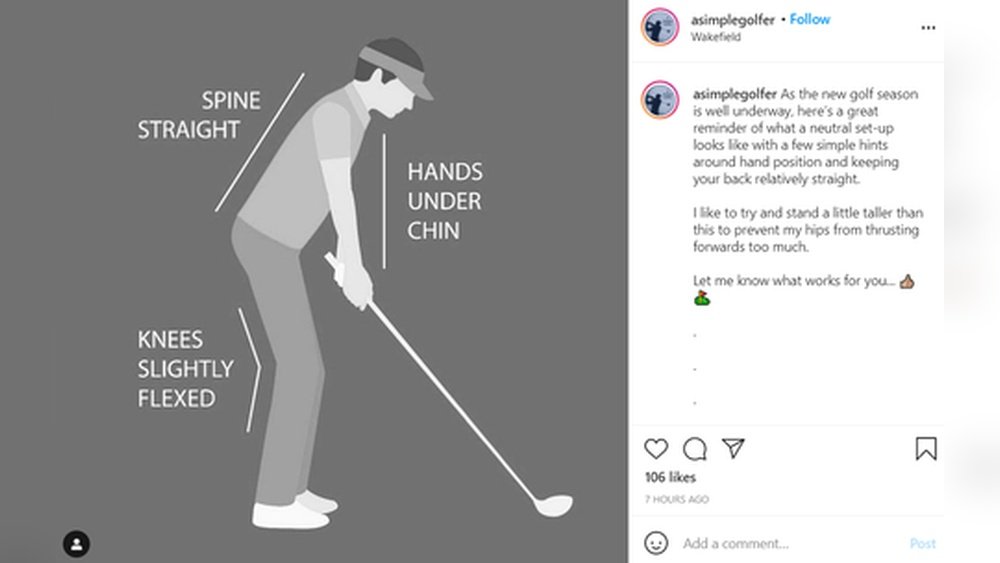
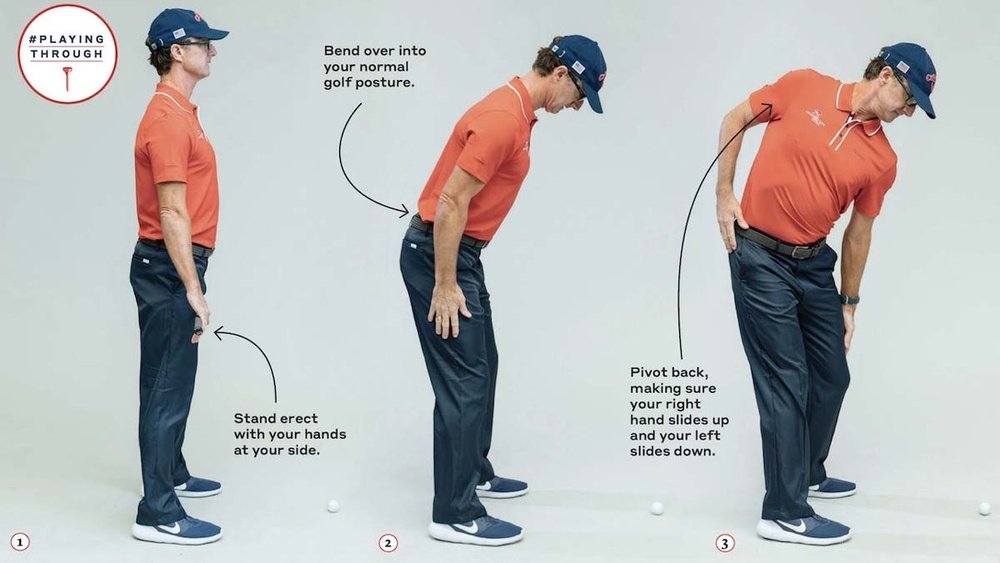
A solid stance and good posture are the base of a great golf swing. Mistakes in these areas cause many problems. They affect balance, power, and accuracy. Without the right setup, even a perfect swing can go wrong.
Flawed stance and posture make it hard to control the club. The body must be comfortable and steady. This helps the player swing with ease and hit the ball well. Small errors here can lead to big issues down the line.
Improper Alignment
Alignment means pointing your body and club toward the target. Many golfers aim too far left or right. This causes the ball to go off course. The feet, hips, and shoulders must face the target line. Even a slight error can change the ball’s direction.
Check your alignment before each shot. Use clubs or markers on the ground. This helps to see if you are lined up correctly. Proper alignment leads to better shots and more confidence.
Inconsistent Ball Position
Ball position changes the swing path and club’s impact angle. Placing the ball too far forward or back causes weak shots. For example, a ball too far forward can cause a slice. Too far back may result in fat or thin hits.
The right ball position depends on the club used. Generally, the ball should be near the center for short irons. For longer clubs, place the ball slightly forward. Consistency in ball position improves control and distance.
Mistimed Swing Tempo
Timing plays a big role in a good golf swing. Mistimed swing tempo can cause many problems. It makes the ball go off course or lose power. Understanding common tempo mistakes helps improve your swing and overall game.
Rushing The Backswing
Many golfers rush their backswing. They try to move the club too fast. This causes a loss of control and balance. The body does not prepare well for the downswing. A rushed backswing often leads to poor contact with the ball.
Slow and steady is better. A smooth, controlled backswing helps keep the rhythm. It allows the body to load power gradually. This builds a stronger and more accurate swing.
Decelerating Through Impact
Some players slow down just before hitting the ball. This reduces the force and speed of the strike. Decelerating causes the clubface to lose its path. The ball may slice or hook unexpectedly.
Keep the club moving fast through the ball. A strong, steady follow-through leads to better shots. Maintaining speed at impact helps the ball fly straighter and farther.

Lack Of Weight Transfer
Lack of weight transfer is a common problem in golf swings. It means the body does not move weight properly from one foot to the other. This mistake causes weak and inaccurate shots. The swing loses power and control. Understanding weight transfer helps improve your golf swing significantly.
Staying On The Back Foot
Many golfers keep their weight on the back foot during the swing. This prevents a full rotation and limits power. Staying on the back foot makes the swing feel unbalanced. The club can pull or slice the ball. Shifting weight forward allows a smooth and strong follow-through.
Failure To Shift Forward
Failing to move weight to the front foot is a big issue. It stops the body from driving through the ball. Without forward weight shift, the shot lacks distance and accuracy. The swing becomes short and weak. Moving weight forward is key to hitting solid and straight shots.
Overuse Of Arms Instead Of Body
Many golfers make the mistake of using their arms too much during a swing. This limits power and control. A good golf swing uses the whole body. The arms should work with the hips, shoulders, and core. Overusing the arms causes inconsistency and fatigue.
Learning to use the body correctly can improve distance and accuracy. It also helps prevent injuries. The key is to develop a smooth, balanced motion. Let’s explore common errors related to arm overuse and how to fix them.
Swinging With Arms Alone
Some players rely only on their arms to hit the ball. This causes a weak swing with little power. The arms move quickly, but the body stays still. This makes the clubhead path less stable. Shots often go off target or lose distance.
Using just the arms leads to tension and bad timing. It also puts strain on the wrists and elbows. Instead, the arms should guide the club while the body creates force. This creates a smoother and stronger swing.
Neglecting Hip Rotation
Hip rotation is key to a full and powerful swing. Many golfers forget to turn their hips properly. Without hip rotation, the arms must do all the work. This limits club speed and control.
Rotating the hips shifts weight and helps generate power. It also improves balance and rhythm. Practice turning the hips early in the backswing. This helps the arms follow naturally. Proper hip movement makes the swing more efficient and consistent.

Inconsistent Follow-through
A consistent follow-through is key to a solid golf swing. It controls the direction and power of the ball. Many golfers struggle with this part of the swing. They stop their motion too soon or lose balance at the end. Both problems can ruin the shot.
Cutting Swing Short
Stopping your swing early stops the club from reaching full speed. This weakens the shot and lowers accuracy. It also makes the ball fly lower and shorter. The follow-through should be smooth and complete. Let the club finish its natural path after hitting the ball.
Cutting the swing short often means tension in the arms. Relaxing helps keep the motion fluid. A full follow-through helps with rhythm and timing. It also improves your control over the ball’s flight.
Unbalanced Finish Position
Many players lose balance at the end of the swing. This causes poor ball contact and weak shots. A good finish requires steady feet and a strong core. Keep your weight mostly on the front foot after the swing.
Balance lets you swing with confidence. It helps you repeat good shots consistently. Practice holding your finish position to build strength and stability. A controlled finish shows a well-executed swing.
Ignoring Course Conditions
Ignoring course conditions can ruin even the best golf swings. Golf is not just about how well you hit the ball. The environment plays a big role in your shots. Winds, hills, and grass types affect the ball’s path. Failing to notice these factors leads to poor swings and bad scores.
Failing To Adjust For Wind
Wind changes how the ball flies. A strong wind can push the ball off course. Many players swing without thinking about wind direction or speed. This mistake causes the ball to drift away from the target. Adjust your stance and swing power based on the wind. A small change can keep your ball on the right path.
Neglecting Terrain Changes
Golf courses have hills, slopes, and uneven ground. These changes affect your balance and shot angle. Ignoring terrain makes the ball land far from the hole. Always check the slope before you swing. Adjust your position and swing to match the ground. This helps you keep control and improve your score.
Skipping Warm-up And Practice
Skipping warm-up and practice harms your golf swing. Your muscles need time to get ready. Without warming up, you risk injury and poor performance. Practice builds muscle memory and improves technique. Neglecting these steps causes inconsistent swings and lower scores.
Lack Of Stretching
Stretching prepares your body for the golf swing. It loosens tight muscles and improves flexibility. Tight muscles reduce your swing range and power. Skipping stretches leads to stiffness and slower movements. Simple stretches for shoulders, back, and hips help a lot.
Insufficient Swing Drills
Swing drills train your body to repeat good motions. They improve timing, balance, and control. Without drills, your swing stays erratic and weak. Practicing key drills builds confidence and muscle memory. A few minutes of drills before play can boost your swing quality.
Frequently Asked Questions
What Common Errors Affect Golf Swing Consistency?
Common errors include poor grip, wrong stance, and improper posture. These mistakes disrupt swing mechanics and reduce control, leading to inconsistent shots and lower accuracy.
How Does Incorrect Grip Ruin A Golf Swing?
An incorrect grip limits wrist movement and club control. It causes slices, hooks, and weak shots, impacting distance and accuracy during your golf swing.
Why Is Posture Important In A Golf Swing?
Proper posture ensures balance and power throughout the swing. Poor posture causes loss of stability, reducing swing speed and increasing the risk of injury.
Can Improper Alignment Impact Golf Swing Accuracy?
Yes, misalignment leads to off-target shots. Correctly aligning feet, hips, and shoulders helps maintain the intended ball flight and improves overall shot precision.
Conclusion
Avoiding common golf swing mistakes improves your play quickly. Focus on balance, grip, and smooth motion. Small changes create big differences on the course. Practice often and stay patient with your progress. Watch your form and correct errors early. Confidence grows as your swing becomes consistent.
Enjoy the process and keep learning each day. Golf is about steady improvement, not perfection. Keep these tips in mind for better swings ahead.