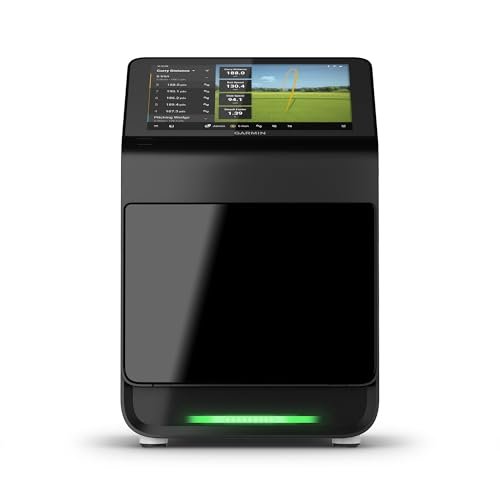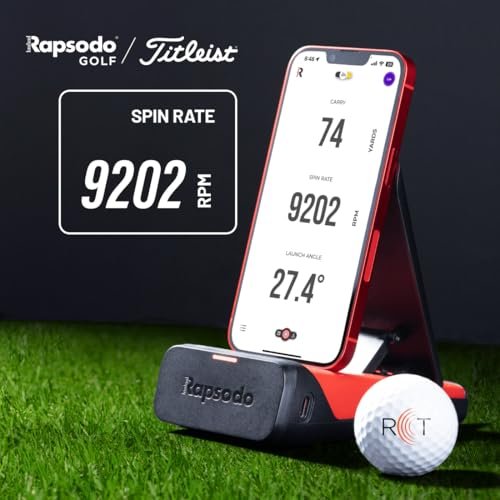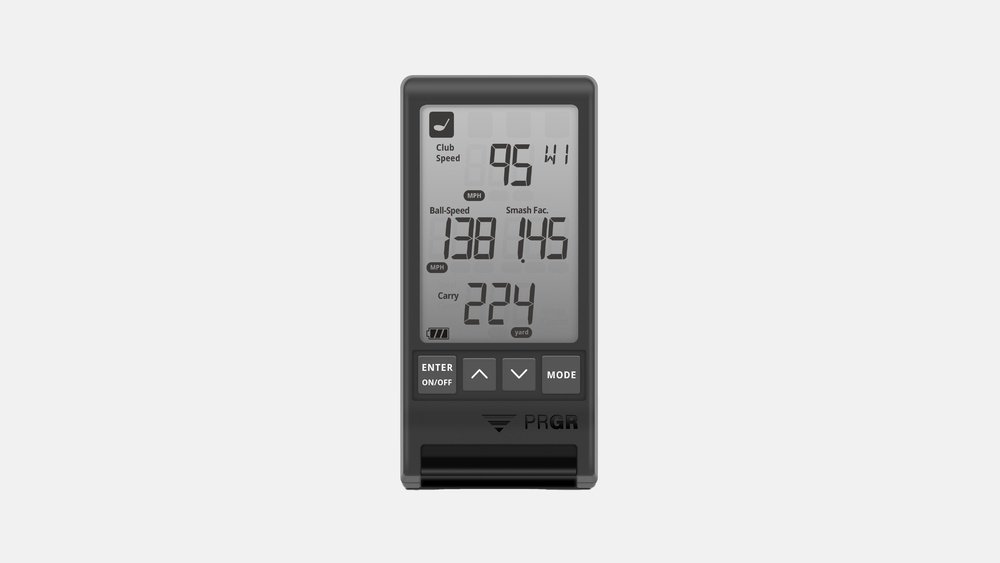
When you’re shopping for a mid-range launch monitor, one question probably keeps popping up: How accurate will it really be? You want reliable data to improve your game, but you also don’t want to break the bank.
Understanding what level of precision you can expect helps you make the right choice—and avoid disappointment. You’ll discover the real accuracy of mid-range launch monitors and how that impacts your practice and play. Keep reading to find out what’s realistic and what’s just marketing hype.
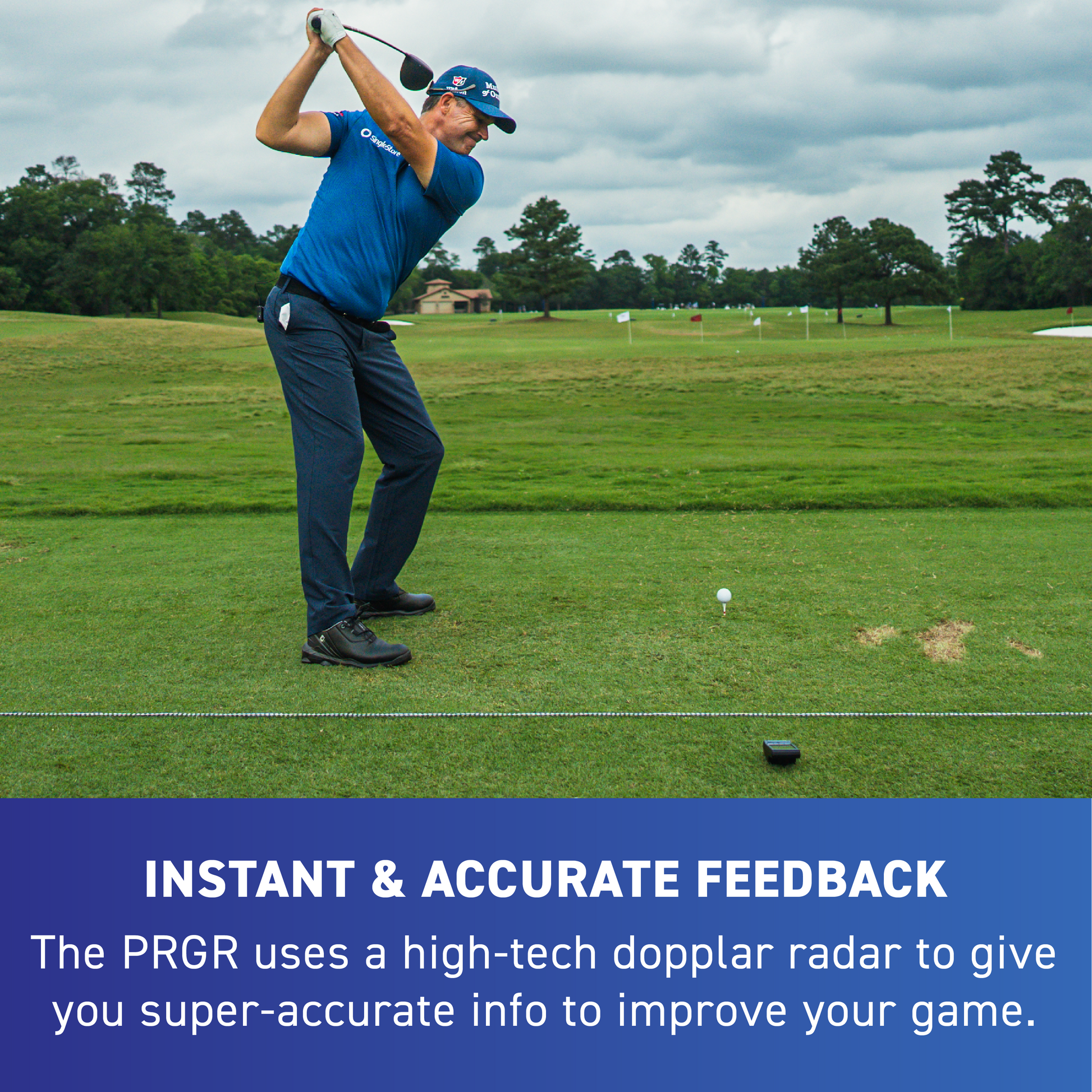
Accuracy Factors In Launch Monitors
Accuracy is a key factor when choosing a mid-range launch monitor. Several elements affect how precise the data is. Understanding these factors helps set realistic expectations. It also guides you in selecting the right device for your needs.
This section explores the main accuracy factors in launch monitors. These include sensor technology types, environmental conditions, and data processing methods. Each plays a vital role in measuring your golf shots correctly.
Sensor Technology Types
Launch monitors use different sensor types to track ball and club data. Radar sensors detect the ball’s movement by sending radio waves. Camera-based sensors capture images to analyze ball spin and speed. Each type has strengths and limits. Radar works well in open spaces. Cameras need good lighting and clear views. Some mid-range models combine both for better accuracy.
Impact Of Environmental Conditions
Weather and lighting affect launch monitor accuracy. Bright sunlight can interfere with camera sensors. Wind may alter ball flight, confusing radar readings. Indoor use reduces many issues but needs enough space. Dust and dirt on sensors also lower data quality. Regular cleaning and a controlled environment help keep results reliable.
Data Processing Methods
How a launch monitor processes data affects accuracy. Some devices use simple algorithms to calculate ball speed and angle. Others apply advanced software to filter noise and improve measurements. Fast data processing reduces delays and errors. Mid-range monitors often balance speed and precision. Better software means more consistent shot analysis.
Typical Accuracy Levels
Understanding the typical accuracy levels of a mid-range launch monitor helps set the right expectations. These devices provide useful data for most golfers. They balance cost and performance well. You get reliable numbers but not perfect ones. Accuracy varies by the type of measurement. Each key metric has its own range of precision.
Ball Speed Measurements
Ball speed is one of the most accurate readings. Mid-range monitors usually show results within 1-2 mph of real speed. This accuracy is good enough to track improvements. It helps golfers see how hard they hit the ball. Small errors here rarely affect your overall practice.
Clubhead Speed Variations
Clubhead speed tends to have slightly more variation. Expect differences of about 2-3 mph compared to high-end devices. This happens because of sensor placement and swing path. Still, mid-range monitors give a solid estimate. They work well for general swing speed tracking and progress.
Spin Rate Consistency
Spin rate is the hardest metric to capture accurately. Mid-range launch monitors may vary by 200-400 rpm from true spin. This happens due to sensor limits and ball conditions. Numbers give a rough idea rather than exact figures. Use spin data mainly to notice trends over time.
Launch Angle Precision
Launch angle readings are usually within 1-2 degrees of actual angle. This level of precision is good for most practice sessions. It helps golfers understand their ball flight better. Some small fluctuations occur with different swings or lighting. Overall, mid-range monitors provide useful launch angle info.
Comparing Mid-range And High-end Models
Comparing mid-range and high-end launch monitors helps you decide which fits your needs. Both types measure golf shots but differ in accuracy and features. Understanding these differences guides your purchase and expectations.
Cost Vs Accuracy Trade-offs
Mid-range launch monitors cost less but offer lower accuracy. High-end models provide very precise data but come with a higher price. The accuracy gap matters for serious golfers seeking detailed feedback. Casual players may find mid-range accuracy good enough. Spending more can improve shot data but is not always necessary.
Feature Differences Influencing Precision
High-end monitors use advanced radar or camera tech. This tech tracks ball spin, speed, and launch angle more accurately. Mid-range models may lack some sensors or use simpler methods. This can cause small errors in data. Features like indoor use, simulation, and data apps also differ. High-end models often have more options and better software.
Use Case Scenarios
Mid-range launch monitors suit hobbyists and practice sessions. They provide solid data for improving swings without big costs. High-end models are ideal for coaches, pros, and detailed analysis. They help with fine-tuning and performance tracking. Choose based on how precise and detailed your data needs to be.

Common Limitations To Expect
Mid-range launch monitors offer good value but come with some limits. Knowing these helps set clear expectations. These devices often show slight errors in data, needing attention to get the best results. Understanding these common challenges can help users improve their practice sessions.
Calibration Needs
Launch monitors must be calibrated regularly for best accuracy. Calibration adjusts the device to correct small errors. Without this, data can drift and become less reliable. Some models require manual calibration steps. Others offer automatic adjustments but still need occasional checks.
Data Variability
Data can change slightly from shot to shot. This variability happens due to sensor sensitivity and swing differences. Small swings or ball position changes affect readings. Expect some variation in metrics like ball speed and spin. Averaging multiple shots helps reduce the effect of variability.
Environmental Sensitivities
Launch monitors react to their environment. Bright sunlight or poor lighting can impact sensor accuracy. Wind and temperature changes may also affect readings. Indoor use often gives more consistent results than outdoor use. Keeping the area controlled improves data reliability.
Tips To Maximize Accuracy
Getting the best accuracy from a mid-range launch monitor needs care and attention. Small steps can greatly improve the results you get. Focus on setup, calibration, and environment. These areas help the device measure your shots better.
Proper Setup And Positioning
Place the launch monitor on a flat, stable surface. Keep it at the correct height and distance from the ball. Follow the manufacturer’s guidelines closely. Avoid obstacles between the device and the ball. Check that the monitor faces the ball straight on for clear readings.
Regular Calibration Practices
Calibrate your launch monitor often to keep it precise. Use the calibration tools or settings offered by the device. Calibration corrects small errors that build up over time. Mark your calibration routine on a calendar. This habit keeps your data reliable and consistent.
Optimizing Environmental Settings
Choose a well-lit space free of harsh shadows. Avoid windy or very humid areas that affect sensors. Keep the hitting area clean and free from dust. Control indoor temperature for stable conditions. These factors reduce interference and improve accuracy.
Expert Recommendations
Experts give useful advice on choosing and using mid-range launch monitors. Their insights help buyers understand what to expect in accuracy. This guidance also aids in picking the best device for each player’s needs.
Choosing The Right Model
Experts say focus on key features like ball speed and spin accuracy. Look for models with consistent data output. User reviews and tests often show which monitors deliver reliable results. Choose a model that fits your skill level and practice goals.
Balancing Budget And Performance
Mid-range launch monitors offer good value for most players. Experts suggest setting a clear budget first. Spend money on features that impact accuracy the most. Avoid extra functions that add cost but little benefit. Smart spending can improve practice without overspending.
Future Trends In Launch Monitor Accuracy
Technology keeps improving sensor quality and data processing speed. Experts predict better accuracy in affordable models soon. Artificial intelligence may help analyze shots more precisely. Expect more reliable and user-friendly options in the near future.
Frequently Asked Questions
What Accuracy Can I Expect From Mid-range Launch Monitors?
Mid-range launch monitors typically offer accuracy within 1-3% for ball speed and carry distance. They provide reliable data for most golfers. However, they may have slight variations compared to high-end models, especially in spin and club data.
How Do Mid-range Launch Monitors Compare To Premium Ones?
Mid-range models deliver good accuracy for casual and amateur golfers. Premium monitors offer more precise data with advanced features. The difference lies mainly in data consistency and advanced metrics useful for professional-level analysis.
Are Mid-range Launch Monitors Suitable For Practice And Fitting?
Yes, mid-range launch monitors are ideal for practice and club fitting. They provide enough accuracy to track improvements and make informed equipment choices without the high cost of professional devices.
What Factors Affect The Accuracy Of Mid-range Launch Monitors?
Accuracy depends on sensor quality, launch conditions, and calibration. Environmental factors like lighting and weather can also impact readings. Proper setup and using the monitor within recommended conditions improve accuracy.
Conclusion
Mid-range launch monitors offer good accuracy for most golfers. Expect reliable data on ball speed, spin, and distance. Small errors in measurements are normal but usually do not affect practice much. These devices help track progress and improve swing consistency.
Choose one that fits your budget and needs. Remember, no monitor is perfect, but mid-range models balance cost and performance well. They work well for casual players and serious hobbyists alike. Quality practice depends on how you use the data, not just the numbers.