Waterproof bags block rain completely; water-resistant bags only repel light moisture.
If you play in any kind of weather, this guide will save your gear and your round. I have tested both on wet links, misty dawn starts, and stormy afternoons. Here is a clear, expert take on Waterproof Golf Bag vs Water-Resistant that cuts fluff and gives you facts, field notes, and smart choices you can use right now.
What these terms really mean
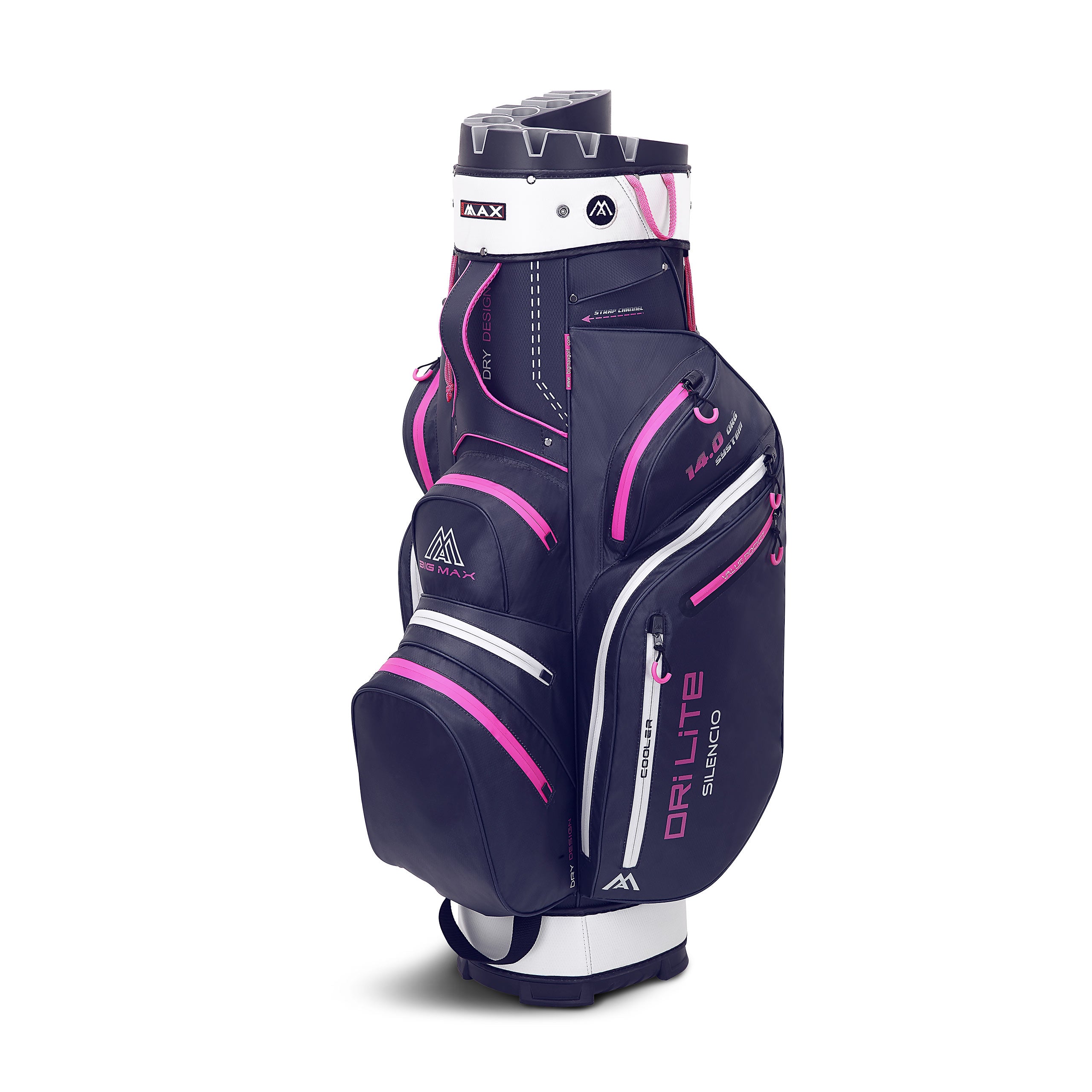
Many golfers mix up the two. Waterproof means the bag is built to stop water from getting in. Water-resistant means it sheds some water, but it can still soak through.
In the Waterproof Golf Bag vs Water-Resistant debate, the build matters more than the label. True waterproof bags use coated or laminated fabric. They use sealed seams and special zippers. Water-resistant bags rely on tight weaves and a surface spray. That spray fades with time.
Look for details. Welded seams block needle holes. Taped seams cover stitch lines. Waterproof zippers have a rubberized track. A rain hood should also seal well. If any one weak spot fails, water finds a way.

Materials, construction, and weak points
The fabric is your first shield. The seams and zips are the gates. The openings are your risk zones.
- Fabrics to trust include TPU-laminated nylon, PU-coated polyester, and tarpaulin. These stop water at the surface.
- Standard woven nylon with a DWR spray resists light rain. It will wet out in steady rain.
- Welded seams fuse panels together. Stitched seams need tape to seal holes.
- Waterproof zippers are stiff but block water. Coil zippers with storm flaps help, but they can leak under pressure.
- Pocket design matters. Top loaders with gutters drain better. Side pockets need drip lips.
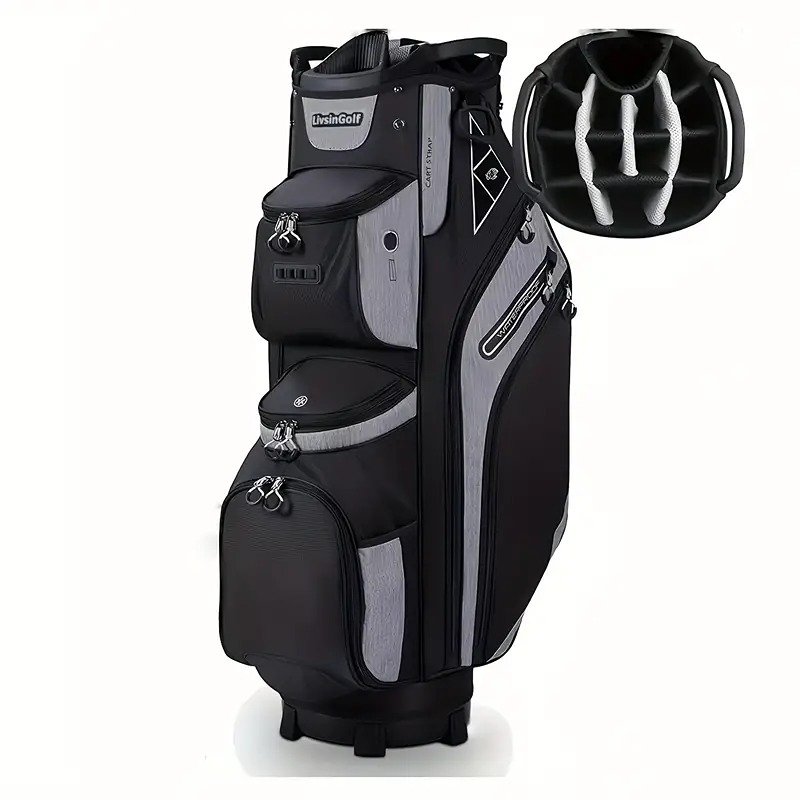
- Stand bag legs add holes for mounts. Those ports can leak. Cart strap pass-through slots can leak too.
I once weighed two bags before a downpour. The waterproof bag gained almost no weight. The water-resistant bag gained half a pound from soaked foam and liners. That is the Waterproof Golf Bag vs Water-Resistant difference in real life.

Field testing: real rounds in rain and dew
Numbers help, but the course tells the truth. I play a lot in mist and cold rain. A waterproof stand bag kept my gloves, yardage book, and spare towels dry for four hours. A water-resistant cart bag failed by hour two. The valuables pocket was damp, and the base foam held water.
Try these simple checks at home. They show the Waterproof Golf Bag vs Water-Resistant gap fast.
- Paper test: Put tissue in pockets. Spray the outside. Wait ten minutes. Any damp spots show leak paths.
- Hose seam check: Light spray along seams and zips. Look for wicking lines on the inside.
- Weight test: Weigh the empty bag dry and again after a spray. Any big gain means soak.
- Zipper pool test: Lay the bag so water pools on zips. If the pocket wets out, the zip is not sealed.
On course, note where rain hits. The handle area, the top cuff, and the upper pockets see the most water. If those are tight, you win wet days.

Pros and cons of waterproof golf bags
Every choice has trade-offs. Here is the simple view.
- Pros include dry gear in real rain, sealed seams, and protective zippers. They also keep out dew, fog, and cart splash. They are great for travel in wet airports and vans.
- Cons include higher cost, stiffer fabric feel, and zippers that can be harder to pull. Some designs have fewer pockets or smaller openings. Repairs can be tricky if a weld fails.
This is the core of Waterproof Golf Bag vs Water-Resistant value. Pay more now, stress less later.
Pros and cons of water-resistant bags
These bags work for many golfers. Know their limits.
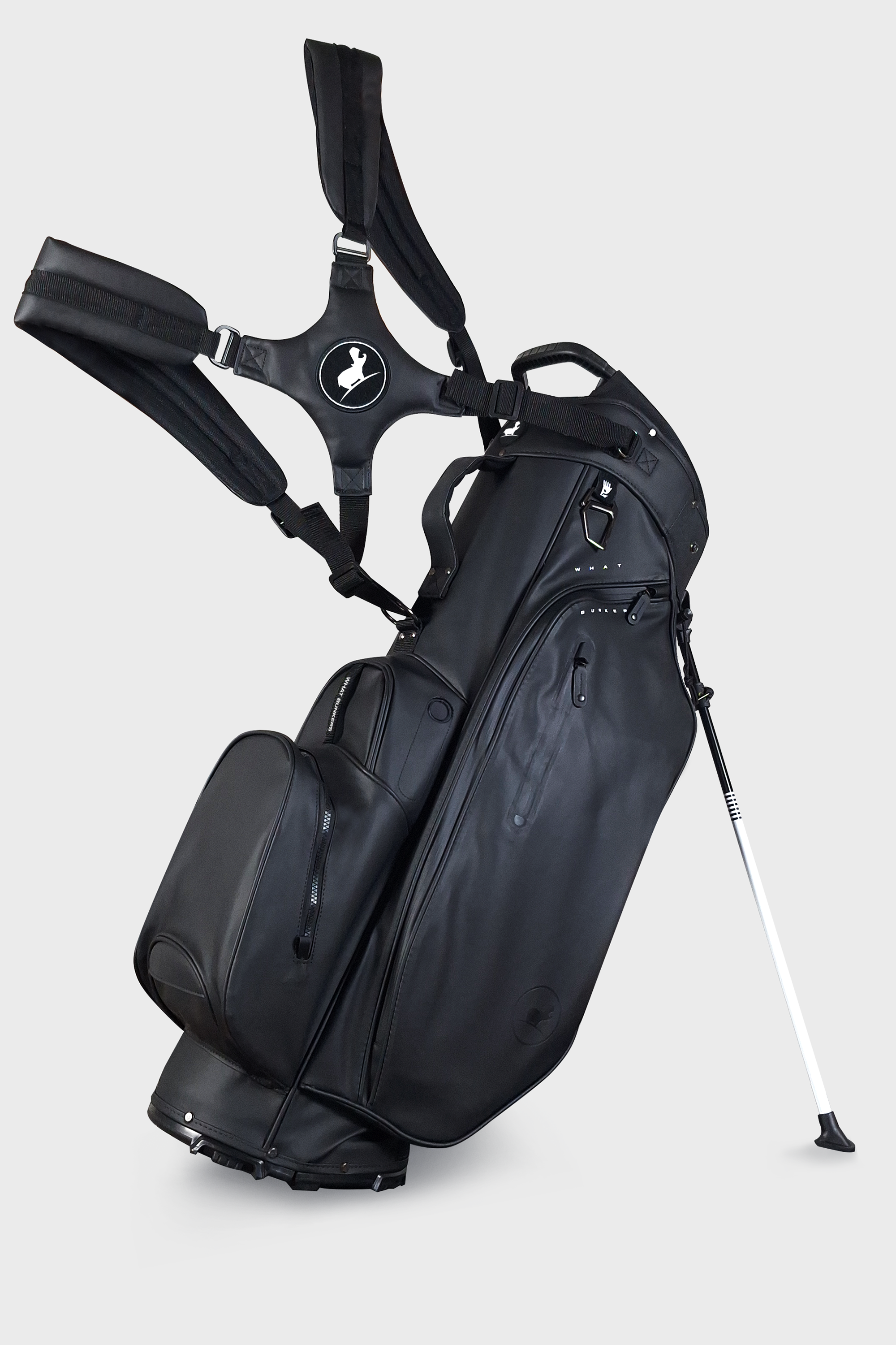
- Pros include lower price, lighter feel, and softer fabrics. Zippers glide faster. You get lots of styles and colors.
- Cons show up in steady rain. Pockets wet out. Foam and dividers hold water. DWR sprays wear off and need care.
If you play when the forecast is kind, this can be enough. If you chase rounds in all seasons, plan for upgrades or covers.

Use cases and golfer profiles
Match the bag to your golf life. It makes the choice easy.
- All-weather walkers should pick waterproof. You carry spare gloves, range gear, and snacks. Dry gear means grip and focus.
- Links travelers should pick waterproof. Coastal wind drives rain sideways. Sand and salt also test zips and seams.
- Fair-weather players can pick water-resistant. Use a rain hood and a small dry pouch for your phone.
- Push cart users can go either way. If your course drains well, water-resistant is fine. If you see puddles, go waterproof.
- Budget buyers can start water-resistant and add a seam-sealed valuables pouch. Later, upgrade to waterproof when you can.
This is the easy way to decide in the Waterproof Golf Bag vs Water-Resistant choice. Plan for your most common day, not your best day.
Buying guide and key features to compare
Do not trust marketing words alone. Check the parts that count.
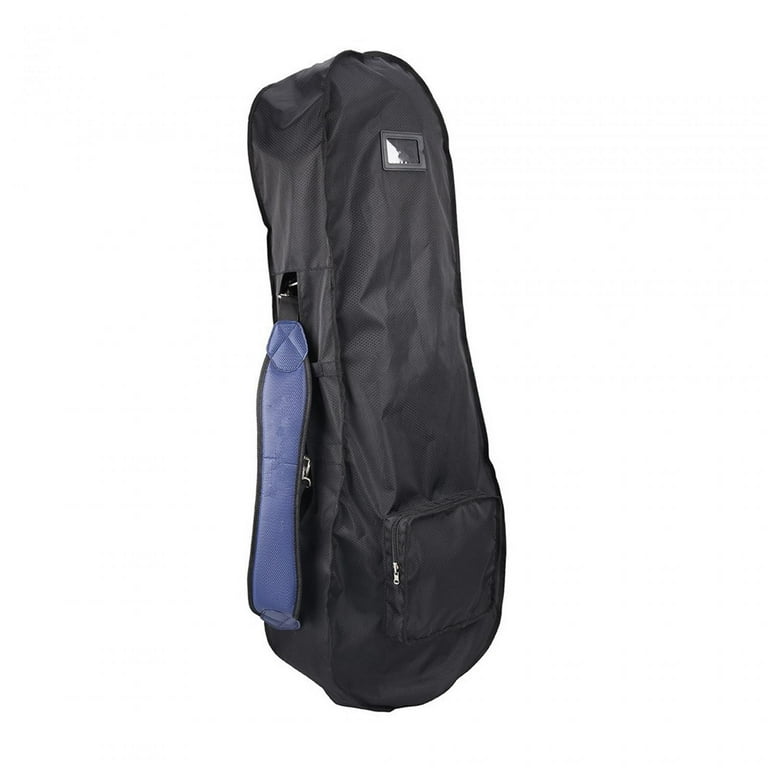
- Seams: Look for welded or taped seams inside all major pockets.
- Zippers: Waterproof zips for valuables and apparel pockets. Storm flaps help on others.
- Fabric: TPU or PU face coatings beat simple DWR sprays.
- Top cuff: A raised lip or gutter helps channel water away from pockets.
- Rain hood: It should seal at the cuff and at strap pass-through points.
- Straps: Some straps soak. Look for closed-cell foam or coated straps.
- Base: A sealed base keeps water from wicking up. Drain ports should be one-way.
- Cart use: A cart strap channel should not block pocket zips. It should not open leak paths.
- Weight: Waterproof bags can be a bit heavier. Aim for a fair balance for your walk.
- Warranty: Ask about seam tape or weld coverage. This matters in year two.
Use this list when you weigh Waterproof Golf Bag vs Water-Resistant in a shop or online. Touch the bag. Work the zips. Look inside the pockets with a light.

Care, maintenance, and lifespan
Good care makes a big difference. I learned this the hard way after leaving a wet bag in a car trunk.
- Dry the bag fully after wet rounds. Open every pocket. Remove the rain hood to air out.
- Clean with mild soap and water. Avoid harsh cleaners that strip coatings.
- Reapply a DWR spray on water-resistant bags every few months.
- Lube zippers with a silicone stick. Do not use oil that traps grit.
- Store in a cool, dry spot out of sun. UV can age coatings and tape.
- Small leaks can be patched with a seam sealer made for coated fabric. Test in a hidden spot first.
These steps stretch the life of both types. They also keep your Waterproof Golf Bag vs Water-Resistant choice performing like new.
Cost, value, and total ownership
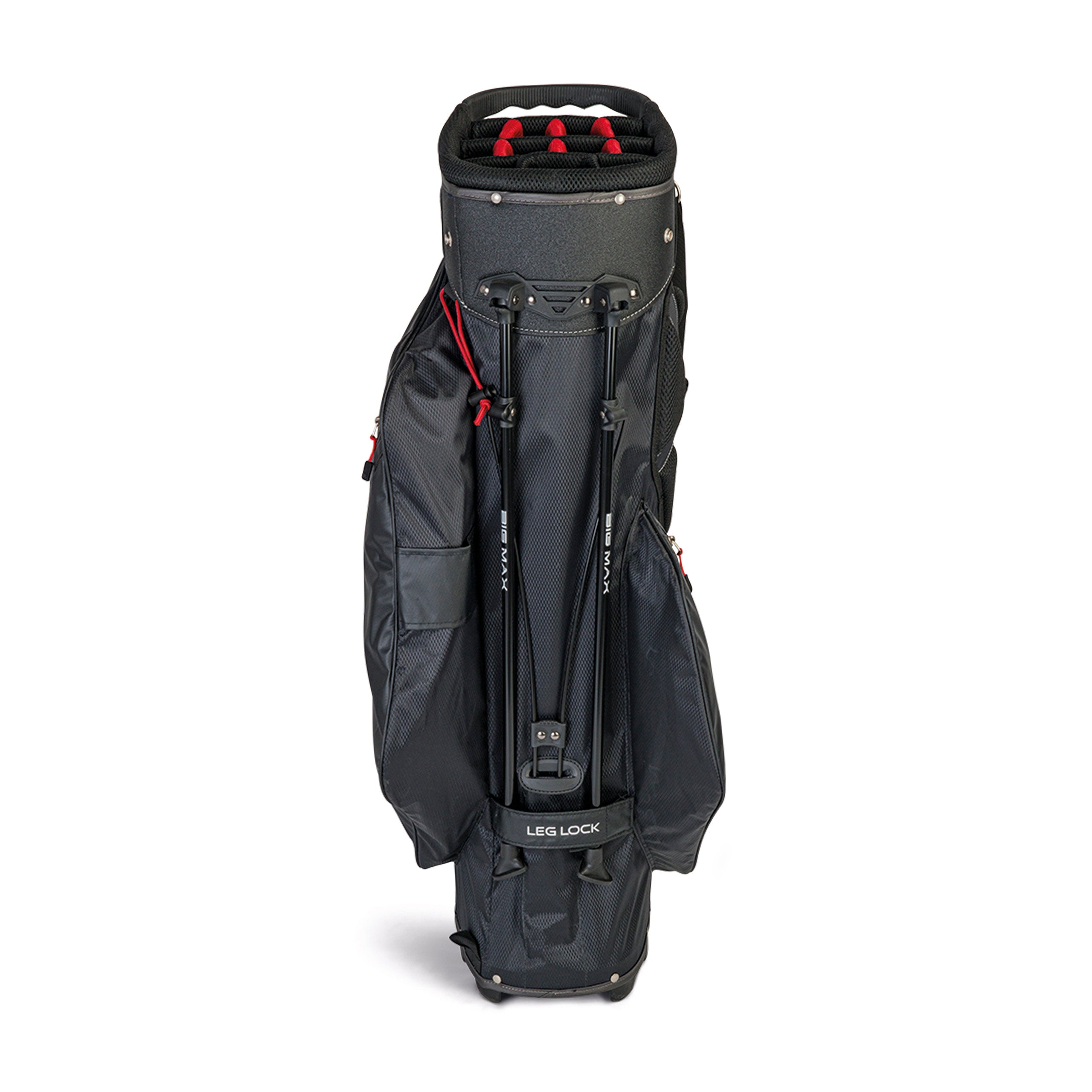
Waterproof bags cost more up front. Yet they can save money over time. Wet gloves, wet balls, and ruined electronics add up fast.
Think in seasons. If you play in rain for even five rounds a year, the upgrade can pay for itself. Resale is often higher too. Buyers like clean, dry gear history.
If your budget is tight, add a dry pouch and a solid rain hood to a water-resistant bag. That is a smart bridge while you plan for a waterproof upgrade. This plan still respects the Waterproof Golf Bag vs Water-Resistant gap.
Waterproof Golf Bag vs Water-Resistant: quick comparison recap
- Waterproof equals sealed fabric, sealed seams, and sealed zippers. It blocks steady rain.
- Water-resistant equals tight weave and surface spray. It handles light rain and mist.
- Weak points are zippers, seams, top cuff gaps, leg mounts, and strap pass-through slots.
- Field tests beat labels. Use spray tests, weight checks, and tissue checks.
- Choose based on your weather, walk vs ride, and budget.
Say it one more time. The heart of Waterproof Golf Bag vs Water-Resistant is build quality, not buzzwords. Inspect the details, and you will pick right.
Frequently Asked Questions
Is a waterproof golf bag heavier than a water-resistant bag?
Often by a small margin. The coatings and zippers add some weight. Many new models keep weight low with better foams and fabrics.
Do I still need a rain hood with a waterproof bag?
Yes. The top cuff is a common leak path. A good hood locks in the win.
Can I make my water-resistant bag fully waterproof?
Not fully. You can improve performance with a DWR spray and seam sealer. Add a dry pouch for valuables.
How long does waterproofing last on a golf bag?
It depends on use and care. Two to four seasons is common for strong performance. Good storage and cleaning help a lot.
Are waterproof zippers hard to use in cold weather?
They can feel stiff. A light silicone lube helps. Work them slowly to avoid damage.
Will a cart cover make a water-resistant bag act like waterproof?
It helps a lot, but gaps remain at straps and pockets. Use a rain hood and dry pouch as backup.
Does sun exposure damage waterproof coatings?
Yes, over time. UV breaks down coatings and seam tape. Store the bag out of direct sun when you can.
Conclusion
Here is the clear takeaway. Waterproof bags shut out real rain. Water-resistant bags manage light wet and save money. Your play style and weather decide the winner.
If you face wet rounds, pick waterproof and stop the guesswork. If you play fair days, water-resistant plus a solid rain plan can work. Use this guide, test the gear, and choose with confidence. Ready to dive deeper or ask about a model you like? Leave a comment or subscribe for more gear tests built on real rounds and honest results.