Spikeless golf shoes offer all-day comfort; spiked shoes deliver superior grip in rain.
If you are weighing Spikeless Golf Shoes vs Spiked Shoes, you are in the right place. I have tested both for years, from dry muni tracks to wet coastal layouts. This guide breaks down how each option affects traction, comfort, durability, and your score. Read on for data, real-world notes, and clear steps to choose with confidence.

Spikeless Golf Shoes vs Spiked Shoes: What Really Changes On Course
Think of grip as insurance for your swing. Spiked shoes anchor you when the turf is slick. Spikeless shoes give you a lighter, more flexible feel.
Here is the core trade-off in Spikeless Golf Shoes vs Spiked Shoes:
- Spiked shoes offer the strongest hold under load. They help in wet grass, clay, or steep lies.
- Spikeless shoes feel like athletic sneakers. They are easy to wear to the range, car, and clubhouse.
- Modern spikeless outsoles have improved. Many now use dense traction patterns that hold well on dry days.
I track launch monitor data on wet range mats and on turf. With spiked shoes, my lead foot slips less at impact. That keeps path stable and lowers spin loss on mishits. With spikeless, I walk 18 with less foot fatigue. My knees also thank me on firm courses.

Traction and Stability: How Spikeless Golf Shoes vs Spiked Shoes Perform
Traction affects weight transfer and face control. It also limits energy leaks in the downswing.
What I see on course:
- Dry conditions. Spikeless Golf Shoes vs Spiked Shoes are close. Spikeless can match spiked if the outsole is dense and rubber is tacky.
- Wet grass or morning dew. Spiked wins in most cases. Removable cleats bite into soft turf and reduce lateral slip.
- Slopes and thick rough. Spiked feel safer. The extra bite helps when you brace your trail foot on sidehill lies.
Independent tests agree. Force plate studies show less lateral movement with quality spikes in wet setups. That stability can add control on high-speed swings. Still, top spikeless models can be within a few percent on dry fairways, which fits most rounds.
Tip from play: After a rain, I change to spiked shoes on the back nine if my front foot starts creeping at impact. It is a simple fix that saves shots.
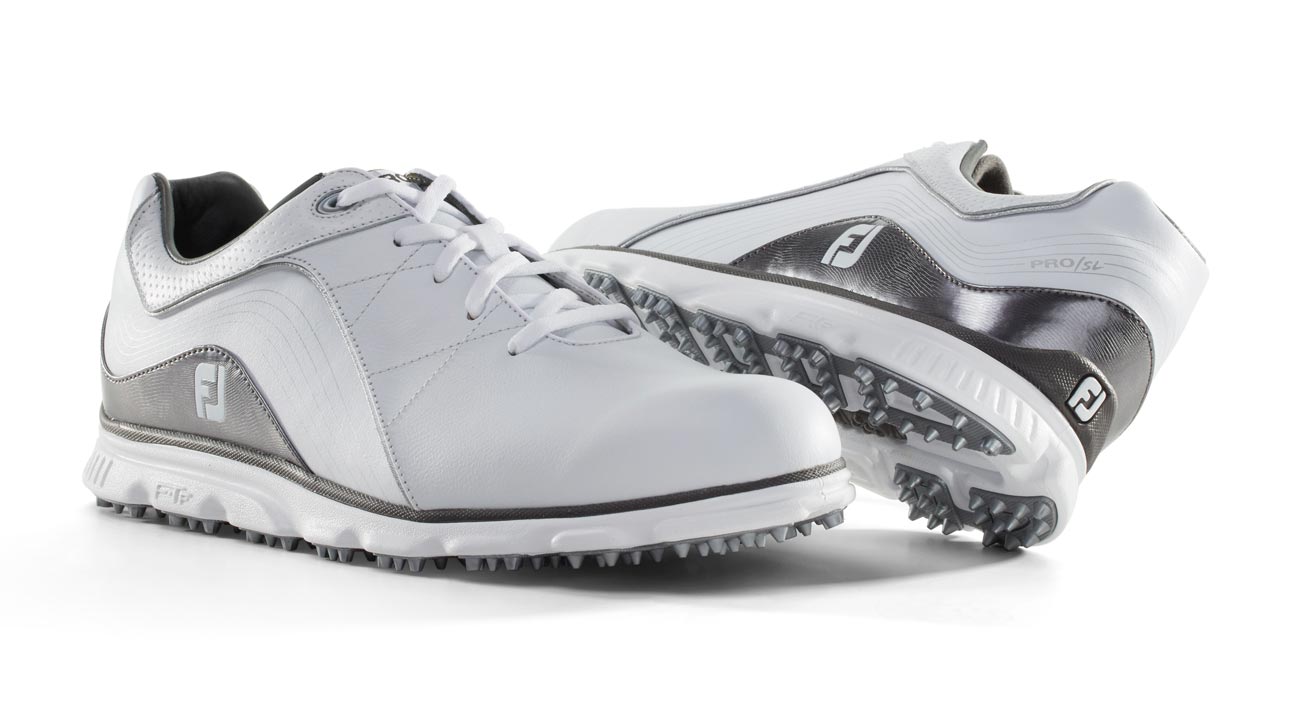
Comfort and Fit: Spikeless Golf Shoes vs Spiked Shoes for 18 Holes
Comfort is not a luxury on a long walk. It is performance.
What to expect:
- Spikeless shoes feel softer underfoot. The midsole is often more flexible, which helps when you walk 12,000 steps or more.
- Spiked shoes can feel firmer. The plate that holds cleats adds structure. Some pairs feel stiff until they break in.
- Weight matters. Spikeless Golf Shoes vs Spiked Shoes often differ by ounces. Light shoes reduce calf burn and help posture late in the round.
Fit tips from years of testing:
- Try on in the afternoon when feet are slightly swollen. You want room in the toe box.
- Wear the socks you golf in. Sock thickness changes fit.
- Lock the heel. Heel lift causes hotspots and blisters.
If your home course is hilly, spikeless may reduce foot fatigue. If your swing is fast or you play in rain, a stable spiked chassis can protect your knees and back by limiting slip.
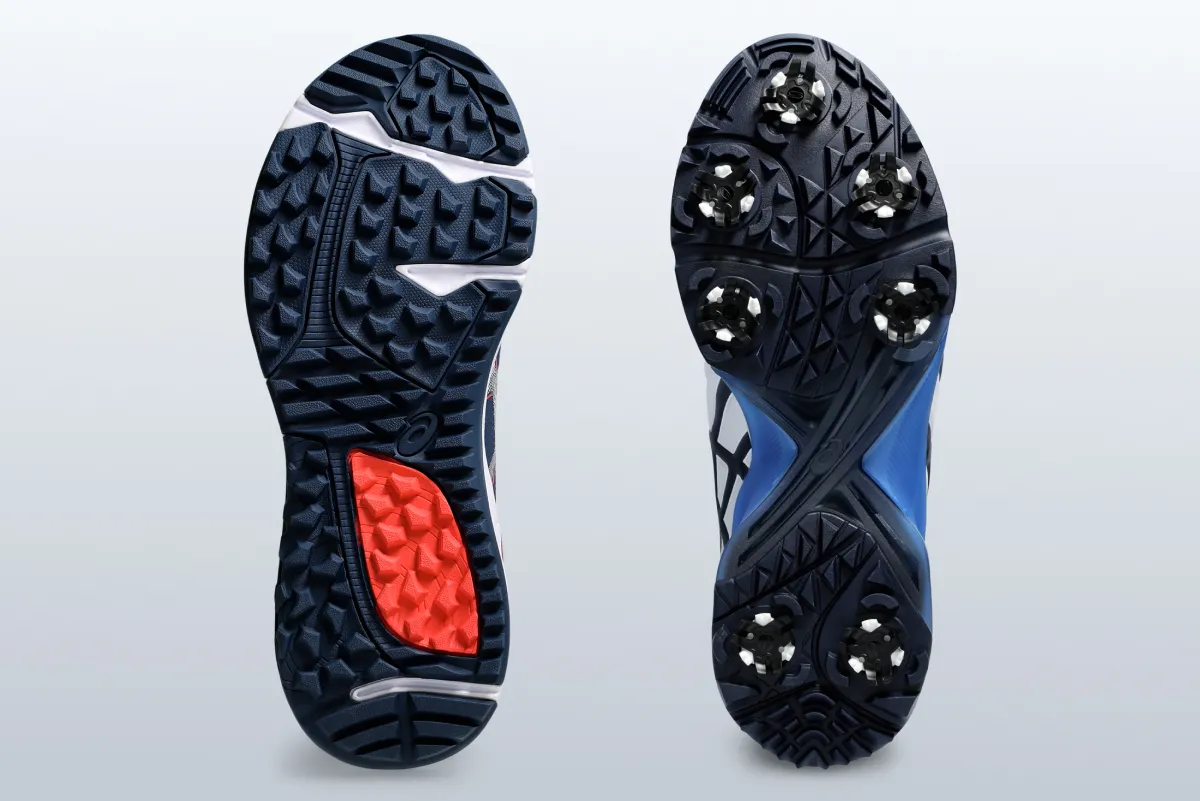
Course Conditions: Matching Spikeless Golf Shoes vs Spiked Shoes to Weather
Your course and climate should steer your choice. I carry both pairs in my trunk for this reason.
Use this quick guide:
- Dry, firm fairways. Spikeless Golf Shoes vs Spiked Shoes perform close. Spikeless win for comfort and pace of play.
- Morning dew or rain. Spiked are safer. Traction reduces the fear of slipping on the downswing.
- Cold or winter layers. Spiked help when your stance is bulky and mobility is low.
- Hot summer days. Spikeless breathe better and feel cooler when you walk.
Water protection matters too:
- Waterproof upper. You want a rated membrane if you play in wet conditions.
- Outsole channeling. Deep channels shed water. This helps both spikeless and spiked shoes grip on damp turf.
My rule of thumb: If the forecast shows rain at any point, I start in spikes. If it stays dry by hole four, I can swap to spikeless for comfort, but I usually keep the spikes on once a round begins.
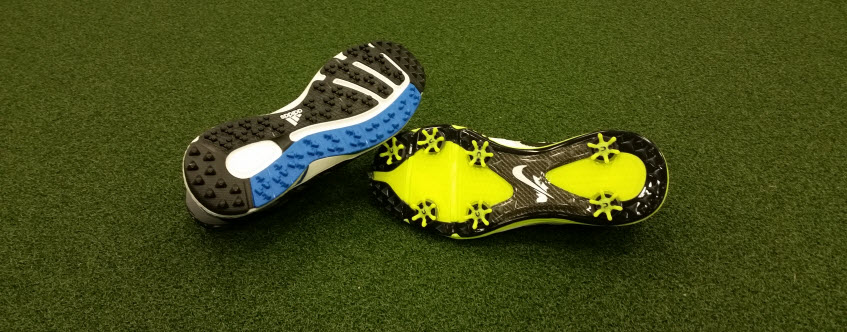
Durability, Care, and Cost: Spikeless Golf Shoes vs Spiked Shoes Over Time
Cost is not just the price tag. It is price per round.
What holds up best:
- Spikeless outsoles wear faster if you drive or walk on pavement a lot. The lugs flatten over time.
- Spiked soles let you replace cleats. You can refresh grip for a low cost every season.
- Upper materials matter. Leather looks clean and resists water but needs care. Engineered mesh breathes well but can soak up morning dew.
Care tips that save money:
- Clean grass and mud after each round. Dirt hardens and cracks materials.
- Dry shoes with newspaper inside. Do not place near direct heat.
- Rotate pairs if you play often. Foam rebounds better with rest.
When I log costs, Spikeless Golf Shoes vs Spiked Shoes even out. Spikeless can be cheaper up front. Spiked cost more to buy but last longer with cleat changes. Over 60 rounds, the total spend is often similar.

Style and Versatility: Where Spikeless Golf Shoes vs Spiked Shoes Shine
Golf is social. Many of us grab lunch after nine or run errands post-round.
Style quick hits:
- Spikeless Golf Shoes vs Spiked Shoes differ in looks. Spikeless often pass as casual sneakers or trainers.
- Spiked shoes look more technical. Some modern pairs look sleek, but the cleats are still visible.
- Street wear. Spikeless can go from course to coffee without a bag change.
I prefer spikeless for travel days. One pair covers the airport, range, and dinner. For tournaments or wet practice, I pack spiked. It is like choosing between dress boots and running shoes. Both have a time and place.

Rules, Etiquette, and Sustainability Considerations
There are a few off-course notes worth your time.
What to know:
- Course policy. Some clubs ban metal spikes to protect greens. Modern spiked shoes use soft cleats, which are allowed almost everywhere.
- Etiquette. Replace any cleat or lug marks. Do not twist your foot on the green.
- Sustainability. Many brands now use recycled materials and water-based glues. Spikeless outsoles can mean fewer plastic cleats, while replaceable cleats on spiked shoes can extend life and reduce waste.
From a green care view, Spikeless Golf Shoes vs Spiked Shoes are both fine when used with care. The real damage comes from twisting or dragging feet on delicate surfaces.
How to Choose: A Simple Decision Guide
Use this quick filter. It covers most golfers.
Pick spiked if:
- You play in rain or heavy dew often.
- You swing fast and want max stability.
- Your course has hills, clay, or thick rough.
Pick spikeless if:
- You walk 18 and value soft comfort.
- You play in dry conditions most of the year.
- You want shoes that work off the course too.
Fit checklist for Spikeless Golf Shoes vs Spiked Shoes:
- Try three sizes and two widths if possible.
- Do a twist test in the shop. Take a half swing and check for slip.
- Walk a few minutes. No hotspots or heel lift allowed.
If you are still unsure, own one of each. It is the simplest way to match Spikeless Golf Shoes vs Spiked Shoes to your day. I keep spiked for rain and events, and spikeless for practice and travel rounds.
Real-World Testing Notes: What Changed My Mind
I once slipped on a wet par-3 tee with spikeless. The shot ballooned right. That cost me two strokes. After that, I wear spiked when the turf is soft.
But I have also played a 36-hole day in hot weather. My spikeless pair saved my feet. Less fatigue meant better tempo on the last six holes. That found me three more greens. Spikeless Golf Shoes vs Spiked Shoes is not only about theory. It is about how your body feels as the day wears on.
Frequently Asked Questions of Spikeless Golf Shoes vs Spiked Shoes
Are spikeless golf shoes good for beginners?
Yes. Spikeless are light, comfy, and easy to wear everywhere. They offer enough grip for most starter swings on dry days.
Do pros wear spikeless shoes?
Some do, especially in dry events. Many still prefer spiked for max traction under pressure or in wet conditions.
How long do golf shoes last?
With good care, most last one to three seasons. Rotating pairs and cleaning after rounds can add many months.
Are spikeless shoes slippery on wet grass?
They can be, though top models have strong tread. Spiked shoes still hold better when the turf is damp or soft.
Can I wear spikeless golf shoes off the course?
Yes. They work well for errands and travel. Avoid long walks on rough pavement to reduce outsole wear.
Conclusion
Spikeless Golf Shoes vs Spiked Shoes comes down to your weather, swing, and walk. Spiked deliver the best traction in rain and on slopes. Spikeless bring comfort, style, and easy use from course to street.
Pick the pair that fits your conditions and body. If you want a sure bet, keep one of each and match the day. Try a pair this week, track your comfort and scores, and make the upgrade that helps you play your best. Ready for more gear guides and fit tips? Subscribe or drop your questions in the comments.