Have you ever wondered if hinging your wrists during your golf swing could improve your game? It’s a simple move, but it can make a big difference in your power and control.
Knowing when and how to hinge your wrists might be the key to hitting straighter, longer shots. You’ll discover the truth about wrist hinge and how it can help you swing better. Keep reading to find out if this small change could take your golf skills to the next level.
Role Of Wrist Hinge In Golf
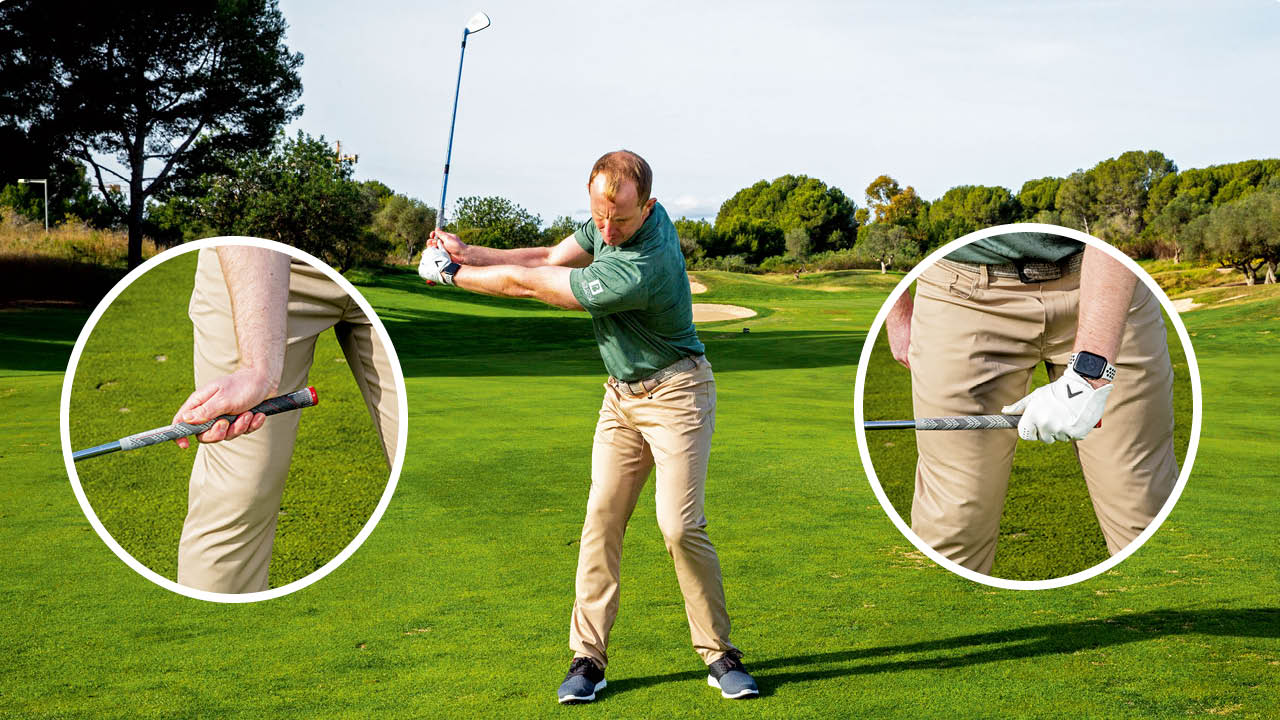
The wrist hinge plays an important role in the golf swing. It helps control the club’s angle and speed. Proper wrist movement can improve shot accuracy and distance. Understanding how to hinge the wrists correctly is key to better swings.
How Wrist Hinge Affects Swing Mechanics
The wrist hinge changes the club’s position during the swing. It helps build power by storing energy. This energy releases at impact for stronger shots. Wrist hinge also controls the clubface angle. This affects ball direction and spin.
Benefits Of Proper Wrist Hinge
Correct wrist hinge adds distance to your shots. It helps maintain a consistent swing path. This improves accuracy and ball flight. Proper wrist hinge reduces strain on your arms. It allows smoother and more natural swing motion.
Common Mistakes With Wrist Hinge
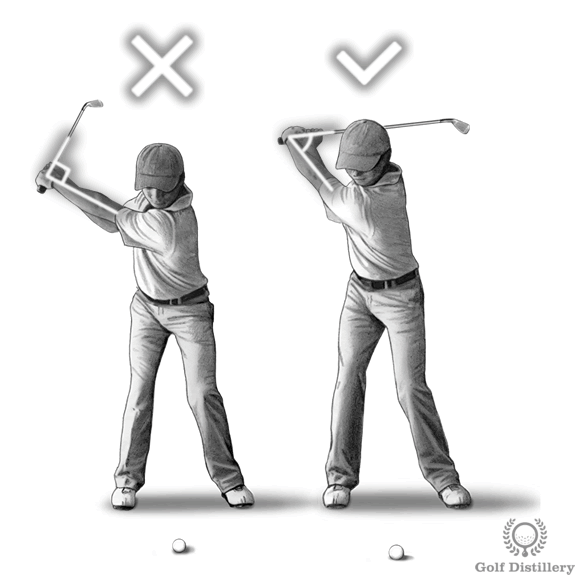
Many players either over-hinge or under-hinge their wrists. Over-hinging leads to loss of control and poor contact. Under-hinging limits power and distance. Some golfers break wrists too early, causing slices or hooks. Avoid wrist tension to keep a fluid swing.
Techniques To Hinge Wrists Correctly
Hinging your wrists correctly in the golf swing is key to a better shot. It helps create power and control during the swing. Using the right techniques makes the wrist hinge smooth and effective. This section covers simple ways to hinge your wrists properly.
Timing The Wrist Hinge
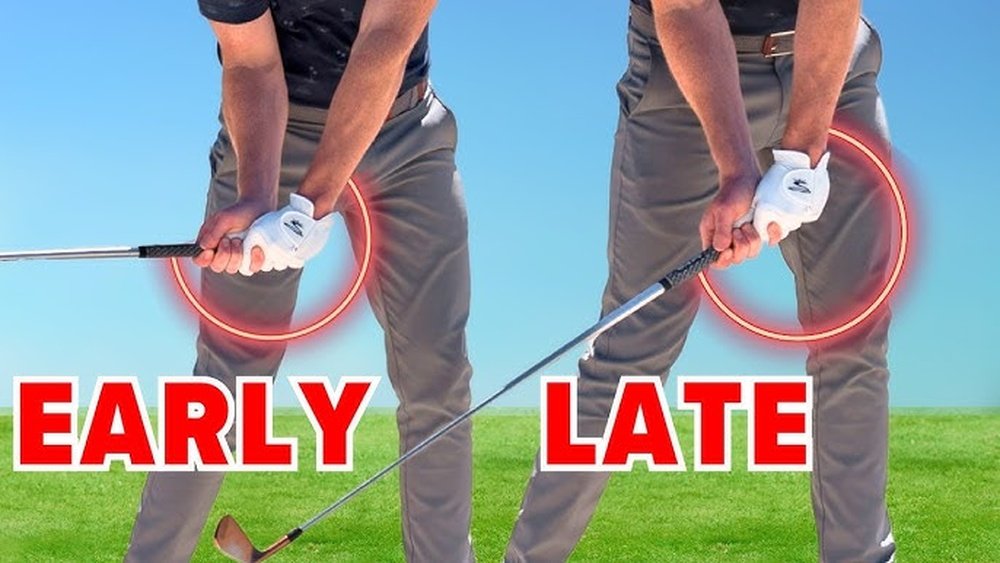
Start the wrist hinge early in the backswing. This creates a good angle between the club and your arm. Avoid hinging too soon or too late. The right timing saves energy and adds speed to the clubhead. Practice feeling the hinge move naturally with your swing.
Drills To Improve Wrist Movement
Try the “slow swing” drill to control wrist hinge. Swing the club slowly and focus on your wrist bending. Another drill is the “pause and go.” Pause at the top of your backswing, then swing through. These drills help your wrists move smoothly and flexibly. Use a mirror or video to check your form.
Maintaining Control And Flexibility
Keep your wrists relaxed but firm during the swing. Too much tension limits movement and causes mistakes. Stretch your wrists before playing to keep them flexible. Strong wrists support better control and reduce injury risk. Balance control and looseness for a smooth, powerful swing.
Impact On Power And Precision
The way you hinge your wrists affects both power and precision in golf. Small changes in wrist movement can change how fast the club moves and how accurate your shots are. Understanding this impact can help you improve your swing.
Let’s explore how wrist hinging influences power and control during your golf swing.
Generating Clubhead Speed
Hinging your wrists properly creates a lever that builds speed. This action stores energy as you swing back. When you release the wrists at impact, this energy transfers to the clubhead. Faster clubhead speed means the ball travels farther. Without wrist hinge, the swing loses much of this power.
Enhancing Shot Accuracy
Wrist hinge controls the clubface angle through impact. Keeping a steady hinge helps maintain a square clubface. This leads to straighter shots and better direction. Poor wrist control causes slices or hooks. A consistent hinge improves precision in hitting the target.
Balancing Power And Control
Too much wrist hinge can cause loss of control. It may create an inconsistent swing path. Too little hinge reduces power and distance. Finding the right balance helps you hit long and straight shots. Practice helps develop the ideal wrist movement for your swing style.
When To Avoid Wrist Hinge
Understanding when to avoid wrist hinge in your golf swing is important. Wrist hinge can add power and control, but it is not always the best choice. Some swings may suffer from too much wrist movement. This can cause problems with accuracy and timing. Knowing the signs of over-hinging helps keep your swing smooth and safe.
Signs Of Over-hinging
Over-hinging makes the wrists bend too much during the swing. You may notice the clubface twisting or losing control. Shots might fly off target or feel weak. Timing your swing becomes harder. A jerky or rushed motion often follows. Watch for pain or stiffness in the wrists after playing. These are clear signs to reduce wrist hinge.
Injury Risks And Prevention
Too much wrist hinge can cause strain and injury. The wrists are delicate joints under stress in golf. Overuse may lead to tendinitis or sprains. Avoid sharp or forced wrist movements. Warm up properly before playing. Use wrist supports if needed. Take breaks to rest your wrists during practice. Protecting your wrists keeps you on the course longer.
Alternatives To Wrist Hinge
Some golfers benefit from a more stable wrist position. Focus on arm and body rotation instead. This builds power without stressing the wrists. A firm grip and good posture help control the swing. Practice smooth, controlled movements. Use drills that emphasize body turn over wrist action. These alternatives improve consistency and reduce injury risk.
Tips From Golf Pros
Golf professionals handle wrist movement with care. Their advice helps players use wrists correctly in the swing. This section shares tips from golf pros on wrist hinging. These tips show how to improve control and power without risking injury.
Pro Techniques For Effective Wrist Use
Pros hinge wrists gently at the start of the backswing. This creates a strong angle between the club and forearm. They keep wrists firm but flexible to control the clubface. At impact, they release the wrists smoothly to add speed. This wrist release helps generate distance and accuracy.
Common Pro-level Adjustments
Many pros adjust wrist hinge based on shot type. For a high shot, they hinge wrists more to add loft. For a low shot, they reduce wrist hinge for a flatter swing. Some pros limit wrist movement on windy days to keep control. They also adjust grip pressure to avoid tension in wrists.
Training Tools And Aids
Golf pros use training aids to improve wrist action. Wrist hinge trainers help build the right swing feel. Some use weighted clubs to strengthen wrist muscles. Video analysis tools show wrist angles during swings. These tools help pros and amateurs improve wrist control safely.

Frequently Asked Questions
What Does Hinging Wrists Mean In Golf Swing?
Hinging wrists means bending them upward during the backswing. It helps store power and controls clubface angle. Proper wrist hinge improves swing speed and shot accuracy.
Should I Hinge My Wrists Early Or Late?
Wrist hinging should start early in the backswing. Early hinge creates lag and generates more power. Late hinge often leads to loss of control and weaker shots.
How Does Wrist Hinge Affect Golf Swing Power?
Wrist hinge stores energy that releases at impact. Proper hinge increases clubhead speed and ball distance. Without wrist hinge, swings can feel weak and lack consistency.
Can Improper Wrist Hinge Cause Slice Or Hook?
Yes, incorrect wrist hinge can misalign the clubface. This causes slices or hooks depending on hinge direction. Proper technique promotes straighter, more controlled shots.
Conclusion
Hinging your wrists in the golf swing can help you control the club better. It allows for more power and accuracy when hitting the ball. Many golfers find it easier to keep a smooth swing with wrist hinge. But too much hinge can cause mistakes and loss of control.
Practice is key to finding the right balance. Try small wrist movements at first. Feel how it changes your swing and ball flight. Remember, every golfer is different. Find what works best for your style and comfort. Keep practicing and enjoy playing golf.