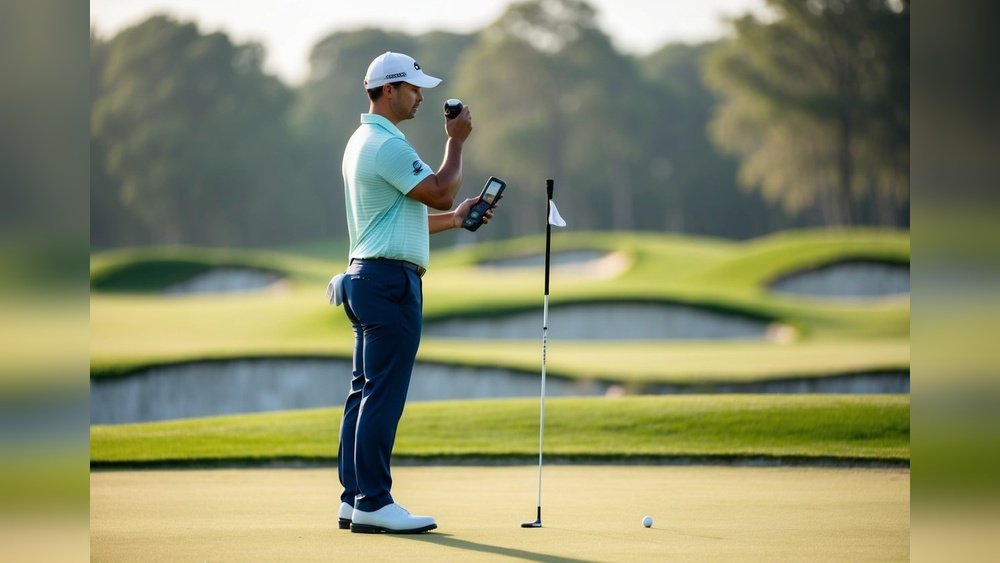
Choosing the right golf rangefinder can change the way you play and improve your game. But when it comes to Laser vs GPS golf rangefinders, which one is better for you?
You want accuracy, ease of use, and something that fits your style on the course. This article will help you understand the key differences and guide you to the perfect choice. Keep reading to discover which rangefinder will give you the edge you need.
Laser Rangefinder Basics
Laser rangefinders are popular tools for golfers. They help measure the distance from the player to the target. This distance helps golfers choose the right club and aim better. Understanding how these devices work is important. It can help you decide if a laser rangefinder fits your game.
How Laser Rangefinders Work
Laser rangefinders use a beam of light to find distance. The device sends out a laser beam. The beam hits the target and bounces back. The rangefinder calculates the time it takes for the beam to return. This time shows the exact distance to the target.
The laser beam is very precise. It works well even on far objects. Golfers can quickly get distance to the flag or other points.
Key Features To Consider
Accuracy is the most important feature of a laser rangefinder. Look for one that measures within a yard or less. Another key feature is the range. Some models work up to 400 yards or more.
Size and weight matter too. A small, light device is easier to carry. Also, check if it has easy-to-use buttons. Clear display and good battery life are useful features.
Pros And Cons
Laser rangefinders provide quick and accurate distance readings. They work well in most weather conditions. These devices are simple to use and help improve your aim.
On the downside, they can be harder to use on very bright days. Some models struggle with targets far away or behind trees. They also require steady hands for best results.
Gps Rangefinder Essentials
GPS rangefinders are popular tools for golfers. They help find distances on the golf course. Many players use them to improve their game. Understanding GPS rangefinder basics is important before buying one.
These devices use satellite signals to give distance data. They show yardages to the green, hazards, and other key spots. This information helps players choose the right club and plan shots better.
Functionality Of Gps Devices
GPS rangefinders connect to satellites to find your location. They use this data to measure distances to targets on the course. The device displays this info on a screen or app. Some models have preloaded maps for many golf courses worldwide. This allows quick access to distance info without manual input.
Important Features To Look For
Look for a clear, easy-to-read screen. Battery life is key for long rounds. Accuracy matters, so choose devices with reliable distance readings. Course updates keep maps current and useful. Compact size and lightweight design improve comfort. Some devices offer hazard alerts and shot tracking.
Advantages And Limitations
GPS rangefinders work well in all weather conditions. They provide fast, hands-free distance info. No need to aim or scan like laser devices. Still, GPS units may struggle in dense tree cover. Satellite signals can be weak in some areas. They give approximate distances, not exact pin locations. Some models require subscriptions for map updates.
Accuracy Comparison
Accuracy plays a key role in choosing between a laser and GPS golf rangefinder. It affects how well you judge distances and plan shots. Understanding each device’s accuracy helps make the right choice for your game.
Precision Of Laser Rangefinders
Laser rangefinders use a beam of light to measure distance. They target a specific point, often a flagstick or hazard. This method offers very precise readings, usually within one yard or less.
Laser rangefinders work best in clear weather and open views. Trees, fog, or long distances can reduce their accuracy. Still, they give exact numbers, which many golfers trust for shot planning.
Gps Accuracy Factors
GPS rangefinders use satellite data to find your location on the course. They provide distances to hazards, greens, and fairways. GPS accuracy depends on signal strength and map quality.
GPS devices usually show distances within three to five yards. They do not measure exact points but estimate based on course data. Signal loss or outdated maps can lower their accuracy.
Impact On Game Performance
Laser precision helps golfers make accurate shots, especially for approach shots. Precise distance can reduce guesswork and improve confidence. However, lasers require steady hands and clear views.
GPS offers quick, easy access to many distances at once. It helps with overall course management and shot strategy. The slight loss in precision may not affect casual golfers much.
Ease Of Use
Ease of use is a key factor when choosing between laser and GPS golf rangefinders. Players want devices that give quick, clear distance information without fuss. The comfort of using a device impacts focus and enjoyment on the course.
User Experience With Laser Models
Laser rangefinders offer direct distance readings by pointing at the target. This process feels natural and simple. Most models have one-button operation. You press, aim, and see the number instantly.
The clear display and fast response help keep pace. Some lasers include vibration or beep signals to confirm measurement. This reduces uncertainty during play.
Laser devices work well in clear weather and daylight. They require steady hands and good line of sight. Using them in fog or heavy trees can be tricky.
Navigating Gps Interfaces
GPS rangefinders show distances on a digital map of the hole. They provide distances to hazards, greens, and layup spots. The interface involves menus and touchscreen controls.
Most GPS models have preloaded courses. Players select their hole and view key info quickly. The digital map helps with strategy beyond just distance.
The screen size and brightness affect readability. Some devices include voice output for convenience. GPS units work in all weather conditions without line of sight.
Learning Curve And Setup
Laser rangefinders have minimal setup. Turn on, calibrate if needed, and start measuring. This suits players who want fast use with little learning.
GPS rangefinders need initial course downloads and updates. Users must learn the menu system and features. This takes time but adds value.
Both types require battery management. GPS units often need charging more frequently due to screens and connectivity. New users may spend time exploring settings.
Battery Life And Maintenance
Battery life and maintenance are key factors when choosing between a laser and GPS golf rangefinder. Both devices rely on power to perform well on the course. Understanding their battery needs helps you avoid interruptions during play. Proper care keeps your device working longer and more reliably.
Power Needs Of Laser Rangefinders
Laser rangefinders usually use small batteries like CR2 or AA. These batteries last for several rounds but need changing after heavy use. Laser devices consume power mainly when measuring distances. Standby time is long since they use little power when idle. Carry extra batteries for long golf sessions.
Gps Device Battery Performance
GPS rangefinders have built-in rechargeable batteries. These batteries last from 10 to 20 hours on a full charge. Battery life depends on screen brightness and GPS signal use. Charging between rounds is important to keep the device ready. Some models offer power-saving modes to extend battery life.
Maintenance Tips
Keep your rangefinder clean and dry to protect its battery. Avoid exposing the device to extreme heat or cold. Store it in a protective case when not in use. Charge GPS devices regularly, even if not used often. Replace laser rangefinder batteries before they run out during a round.
Cost And Value
Choosing between a laser and a GPS golf rangefinder often depends on cost and value. Both devices help improve your game by measuring distances. But their prices and features differ. Understanding these differences can guide your decision.
Price Ranges For Laser Devices
Laser rangefinders usually cost more upfront. Basic models start around $150. Mid-range devices range from $250 to $400. High-end lasers can exceed $500. Price varies by brand, accuracy, and additional features.
Laser devices often need batteries and sometimes require calibration. These factors can add to the cost over time. Many golfers find the precise distance measurement worth the price.
Gps Rangefinder Pricing
GPS rangefinders generally cost less than lasers. Entry-level models can be found for about $100. More advanced GPS devices range between $200 and $300. Premium models with extra features may cost up to $400.
GPS devices may need software updates and occasional subscription fees. These can affect long-term value. Many users appreciate the simplicity and course mapping features.
Which Offers Better Value?
Laser rangefinders provide precise distance to targets. This precision can improve your club selection. GPS devices offer course layouts and hazard info. They help with overall course management.
Value depends on your playing style and needs. Choose laser if accuracy is your priority. Opt for GPS if you want more course data. Both types can enhance your golf experience.
Best Use Cases
Choosing between laser and GPS golf rangefinders depends on how you play and the course conditions. Each device offers unique benefits for specific situations. Understanding the best use cases helps you pick the right tool for your game.
When To Choose Laser Rangefinders
Laser rangefinders work well on clear days with good visibility. They provide exact distances to the flag or hazards. Use them on shorter courses or when you want precise measurements. They are perfect for players who need accuracy to plan shots carefully. Laser devices excel in open areas without many obstacles.
Ideal Conditions For Gps Devices
GPS rangefinders shine on longer courses with complex layouts. They show distances to the front, middle, and back of the green. Use them when you want quick information for every hole. GPS devices are helpful on cloudy days or in thick forests where lasers struggle. They also track your position and score for easier game management.
Situations Favoring Hybrid Approaches
Some golfers prefer using both devices together. Start with GPS for a general overview of the course. Switch to laser rangefinders for precise shots near the green. This approach works well on courses with mixed terrain. Hybrid use offers flexibility and confidence in different playing conditions. It suits players who want both speed and accuracy in their game.
Top Models To Consider
Choosing the right golf rangefinder can improve your game. Both laser and GPS rangefinders have strong options. Below are some top models that golfers trust. This guide helps you compare key features and find the best fit for you.
Leading Laser Rangefinders
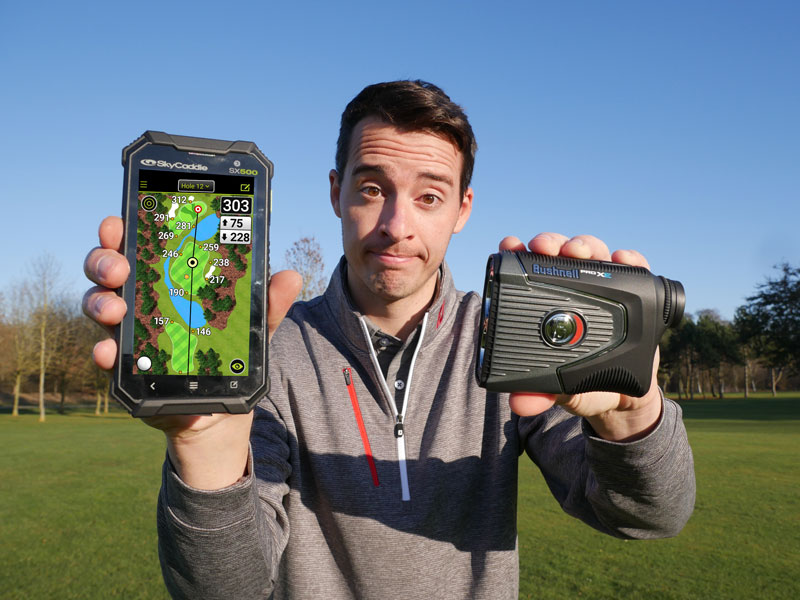
Laser rangefinders provide precise distances to the flag or hazards. The Bushnell Pro XE is a popular choice. It offers fast and accurate readings. Another top model is the Nikon Coolshot Pro Stabilized. It reduces hand shake for clearer targeting. Leica Rangemaster CRF 2800.COM is also well-regarded for its range and clarity. These models perform well in different lighting and weather conditions.
Popular Gps Rangefinders
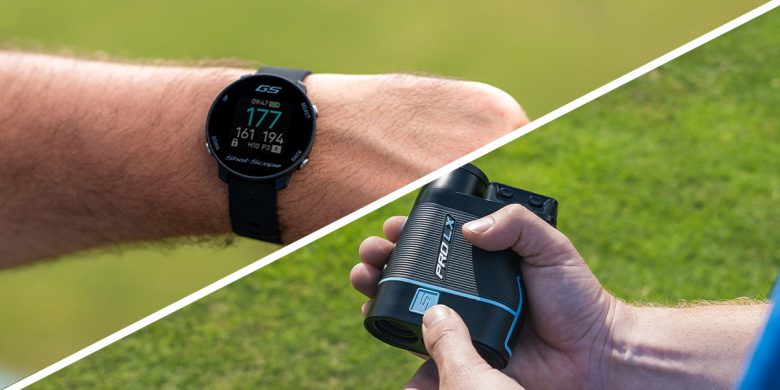
GPS rangefinders give distances to the front, center, and back of the green. The Garmin Approach S62 is a favorite. It includes detailed course maps and easy-to-read display. SkyCaddie SX500 is known for its fast satellite connection. Bushnell Phantom GPS offers a simple, wristwatch-style design. These devices help with course strategy and club selection without needing to aim.
Comparative Features
Laser rangefinders excel at pinpoint accuracy over shorter distances. GPS models provide a broader view of the course layout. Laser devices need a clear line of sight to the target. GPS rangefinders work anywhere on the course. Battery life tends to be longer in GPS models. Laser rangefinders usually weigh less and fit easily in your pocket. Both types offer unique benefits depending on your play style.
Tips For Choosing The Right Device
Choosing between a laser and GPS golf rangefinder can feel tough. Both have benefits. Picking the right one depends on your needs and habits. Consider your playing style, the courses you visit, and your budget. These factors help you find a device that fits your game perfectly.
Assessing Your Playing Style
Think about how you play golf. Do you prefer quick shots or like to take time aiming? Laser rangefinders suit players who want precise yardages fast. GPS devices offer distance to hazards and greens, helpful for steady play. Choose the device that matches your pace and focus on the course.
Evaluating Course Types
Courses vary in layout and difficulty. Open courses with clear views work well with laser rangefinders. Hilly or wooded courses benefit from GPS devices. GPS gives data on holes and obstacles, even without a clear line of sight. Match your device to the courses you play most.
Budget Considerations
Price is important when buying a rangefinder. Laser rangefinders can be more expensive but offer high accuracy. GPS rangefinders are often cheaper and provide extra features. Set a budget and pick a device that gives good value. Think about what features you need most before deciding.
Frequently Asked Questions
What Are The Main Differences Between Laser And Gps Rangefinders?
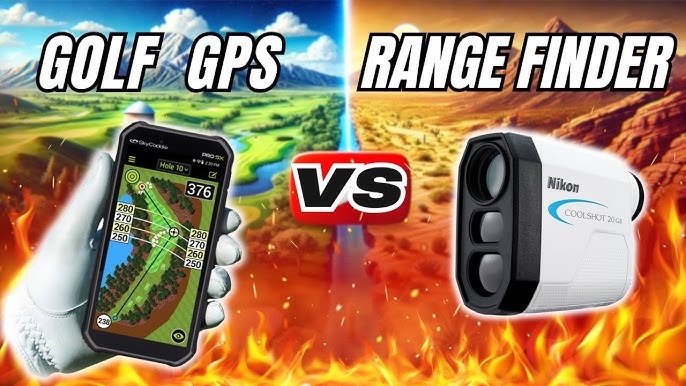
Laser rangefinders use a laser beam to measure exact distance. GPS rangefinders rely on satellite data to estimate distance. Lasers offer precision, while GPS provides course mapping and hazard info.
Which Rangefinder Is More Accurate For Golf Distances?
Laser rangefinders provide pinpoint accuracy within one yard. GPS rangefinders offer approximate distances with slight variations. For precise shots, lasers are generally better.
Can Gps Rangefinders Work Without Clear Sky Visibility?
GPS rangefinders need a clear view of satellites to function properly. Dense tree cover or tall buildings can affect signal strength and accuracy.
Are Laser Rangefinders Easy To Use On The Golf Course?
Laser rangefinders require aiming at the target, which may take practice. They provide instant distance readings once aligned correctly.
Conclusion
Choosing between laser and GPS golf rangefinders depends on your needs. Laser rangefinders give precise distance to a target. GPS devices offer course layout and distances to hazards. Both tools help improve your golf game. Consider your budget, course type, and personal preference.
Think about ease of use and battery life too. Either choice can add value to your rounds. Try both to see which fits your style best. Play smarter, enjoy golf more.


