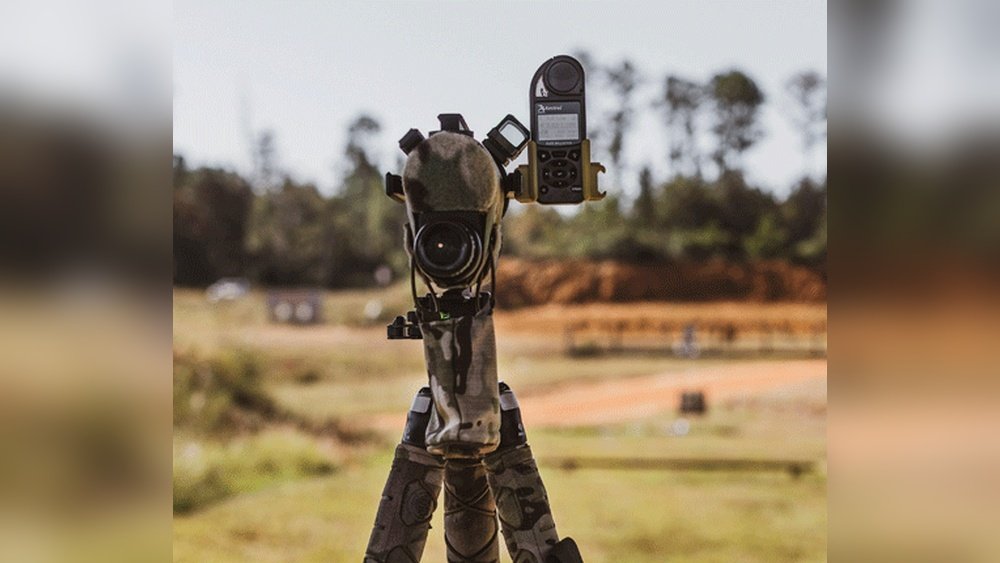
Are you struggling to hit your target from far away? Using a rangefinder can change the game for your long-distance shots.
It helps you measure the exact distance, so you can aim with confidence and improve your accuracy. You’ll discover simple, step-by-step tips to use a rangefinder effectively. Whether you’re hunting, golfing, or shooting for sport, mastering this tool will give you the edge you need.
Keep reading, and you’ll never miss a shot because of distance again.
Choosing The Right Rangefinder
Choosing the right rangefinder is important for accurate long-distance shots. The right tool helps measure distance quickly and precisely. This choice depends on what you need and how you plan to use it. Understanding different types and features will guide you to pick the best device.
Types Of Rangefinders
There are mainly three types of rangefinders. Laser rangefinders use a laser beam to measure distance. They are fast and accurate for clear targets. Optical rangefinders use lenses and mirrors. They are simpler but less precise at long ranges. Hybrid rangefinders combine laser and GPS. They offer more features and are useful in varied conditions.
Key Features To Consider
Look for clear display and easy controls. Accuracy matters most for long-distance shots. Check the range limit. Some devices work better over long distances. Consider the speed of measurement. Faster results help in quick decision-making. Waterproof and durable models last longer outdoors. Battery life also affects your choice. Longer battery life means less worry during use.
Budget And Quality Balance
Set a budget before buying. High price does not always mean better quality. Find a rangefinder that fits your budget and needs. Mid-range models often offer good accuracy and features. Avoid the cheapest options as they may lack precision. Investing a bit more usually gives better reliability and support.
Preparing For Long-distance Shots
Preparing for long-distance shots is important for accuracy and success. It helps you use your rangefinder correctly and get clear results. Careful preparation reduces errors and saves time during the shot.
Setting Up Your Equipment
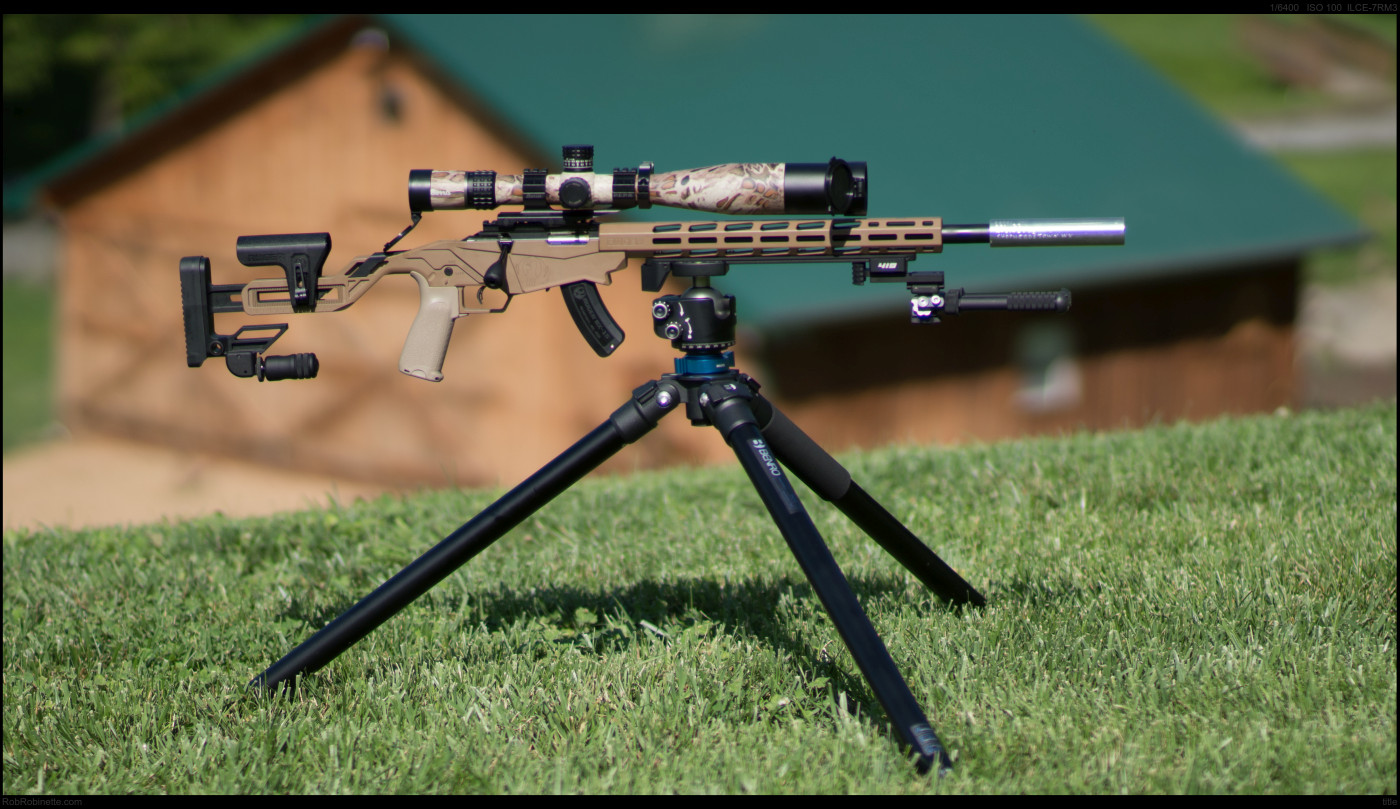
Start with a steady tripod or stable surface. Attach your rangefinder securely to avoid movement. Check your rifle or camera to ensure it is clean and ready. Use a comfortable position to keep steady during the shot. Make sure your batteries are fully charged.
Environmental Factors To Check
Look at the weather conditions. Wind can affect the shot, so measure its strength and direction. Check the light level; bright light improves rangefinder accuracy. Note the temperature and humidity as they impact distance measurements. Clear visibility is essential for the best results.
Calibrating The Rangefinder
Turn on your rangefinder and follow the manual’s steps. Set it to the right mode for your target type. Aim at a known distance to test accuracy. Adjust settings if the readings are off. Repeat calibration regularly to maintain precision.
Using The Rangefinder Effectively
Using a rangefinder effectively requires practice and attention. Holding the device steady helps get clear readings. Aim carefully to ensure the target is in focus. Reading the distance correctly allows for accurate shots. These steps improve your chances of hitting long-distance targets.
Proper Holding Techniques
Hold the rangefinder firmly but gently. Use both hands for more stability. Keep your elbows close to your body. This reduces shaking and blurring. Stand still and take a deep breath. Hold your breath while measuring distance. This keeps the image steady and clear.
Aiming And Focusing Tips
Look through the eyepiece with one eye. Point the rangefinder at the target clearly. Adjust the focus ring until the image is sharp. Avoid aiming at moving objects. Take your time to lock onto the target. Use the device’s reticle to center the target precisely.
Reading Distance Measurements
Check the displayed distance carefully. Most rangefinders show numbers in yards or meters. Make sure you know which unit it uses. Read the number only after the device locks. A steady reading means the measurement is accurate. Use this distance to adjust your shot accordingly.
Adjusting For External Conditions
Adjusting for external conditions is crucial when using a rangefinder for long-distance shots. These conditions can change how you read the distance and how your shot behaves. Small errors can lead to big misses. Pay close attention to the environment and make proper adjustments.
Compensating For Wind And Elevation
Wind can push your bullet off course. Check the wind speed and direction before shooting. Use the rangefinder to estimate the distance, then adjust your aim to the side of the wind. Elevation changes also affect bullet drop. Higher or lower ground means you must adjust your aim up or down. Use your rangefinder’s angle mode if it has one to get more accurate readings.
Dealing With Light And Weather
Light can affect how well your rangefinder works. Bright sunlight or fog can make it hard to see the target. Rain or snow can blur the lens and change the distance reading. Clean the lens regularly and try to shoot in clear weather. Use the rangefinder in shaded areas if possible to reduce glare.
Accounting For Target Movement
Targets that move change the distance quickly. A running animal or a moving object makes it harder to get a steady reading. Aim ahead of the target to where it will be when your bullet arrives. Use the rangefinder to get multiple readings fast. This helps predict the target’s speed and direction for a better shot.
Advanced Techniques
Advanced techniques help improve long-distance shooting using a rangefinder. These methods add precision and ease to your shooting experience. They combine technology and practice for better results. Focus on these steps to enhance your skills and accuracy.
Using Rangefinder With Ballistic Calculators
Ballistic calculators use data to predict bullet paths. Input rangefinder distance and other factors like wind and elevation. The calculator adjusts your aim point for better accuracy. This technique reduces guesswork and helps you hit targets farther away.
Integrating With Other Shooting Tools
Combine your rangefinder with scopes, wind meters, and tripods. Scopes help you see targets clearly at long distances. Wind meters measure wind speed, affecting bullet travel. Tripods keep your rifle steady for precise shots. Using these tools together improves shot consistency.
Practice Drills For Accuracy
Practice is key to using a rangefinder well. Set up targets at different distances and use your rangefinder to measure. Check your shots and adjust your aim based on the readings. Repeat drills to build muscle memory and confidence. Regular practice sharpens your skills and accuracy.

Common Mistakes To Avoid
Using a rangefinder for long-distance shots can be tricky. Many users make simple mistakes that reduce accuracy. Avoiding these errors helps you get better results and saves time. Here are common mistakes to watch out for.
Misreading The Display
Rangefinder displays can be confusing at first. Numbers might appear small or blend with backgrounds. Always take a moment to read the distance clearly. Misreading numbers leads to wrong shot adjustments.
Check the display settings before use. Some models allow brightness or contrast changes. Adjust these to make reading easier in different light conditions.
Ignoring Environmental Effects
Weather and surroundings affect rangefinder readings. Fog, rain, or heat waves can distort the laser beam. This causes inaccurate distance measurements. Always consider the weather before measuring.
Also, reflective surfaces like water or glass can mislead the device. Aim carefully to avoid reflections. Choosing a stable position reduces movement caused by wind.
Poor Maintenance Practices
Dirty lenses or low batteries hurt rangefinder performance. Dust, smudges, or scratches on the lens blur the laser. Clean lenses regularly with a soft cloth. Never use harsh chemicals.
Check batteries often and replace them on time. Weak power causes inconsistent readings. Proper care ensures your rangefinder works well every time.

Frequently Asked Questions
What Is A Rangefinder Used For In Long-distance Shots?
A rangefinder measures the distance between you and the target. This helps improve accuracy in long-distance shooting by providing precise range data. It is essential for adjusting your aim and compensating for bullet drop or wind.
How Do You Calibrate A Rangefinder For Accuracy?
To calibrate, follow the manufacturer’s instructions carefully. Usually, you aim at a known distance target and adjust settings until readings match. Proper calibration ensures reliable distance measurements and improves shot precision.
Can Rangefinders Work In Low Light Conditions?
Yes, many modern rangefinders have low-light capabilities. They use lasers or infrared to detect distance even in dim environments. However, performance can vary, so choose one with good reviews for low-light use.
How Does A Rangefinder Improve Shooting Accuracy?
A rangefinder provides exact distance data, reducing guesswork. This allows shooters to adjust sights and aim points accurately. As a result, it enhances shot placement and reduces missed targets over long distances.
Conclusion
Using a rangefinder helps you aim with better accuracy. It shows the exact distance to your target quickly. This tool saves time and reduces guesswork during long shots. Practice using it regularly to feel confident and improve your skills. Remember to keep your device steady while measuring distances.
Soon, you will notice better results in your shooting. A simple device can make a big difference in your accuracy. Keep learning and enjoy shooting with your rangefinder every time.


