Are you looking to improve your golf game quickly and effectively? Using a golf swing trainer can be a game-changer, but only if you use it the right way.
Imagine hitting the ball straighter, farther, and with more confidence every time you step on the course. You’ll discover simple, practical tips to get the most out of your golf swing trainer. Whether you’re a beginner or looking to fine-tune your skills, these easy-to-follow steps will help you master your swing and lower your scores.
Keep reading, and take your golf game to the next level!
Choosing The Right Trainer
Choosing the right golf swing trainer is key to improving your swing. The perfect trainer fits your needs and helps you practice correctly. It saves time and avoids frustration. Understanding types, features, and skill levels helps you find the best fit.
Types Of Golf Swing Trainers
Golf swing trainers come in many forms. Some focus on swing path, others on tempo or grip. Weighted clubs build strength and improve control. Alignment sticks help with stance and direction. Some trainers use sensors to give feedback. Pick a type that matches your training goals.
Features To Consider
Look for trainers with clear instructions and easy setup. Portability helps practice anywhere. Adjustable trainers fit different heights and swings. Durable materials last longer. Some trainers include video guides or apps for extra help. Choose features that make practice simple and effective.
Matching Trainer To Skill Level
Beginners need trainers that teach basics like grip and swing path. Simple designs work best. Intermediate players can try trainers with feedback tools and tempo guides. Advanced golfers may want devices that analyze swing speed and angles. Match the trainer to your current skill to avoid confusion or injury.
Setting Up Your Trainer
Setting up your golf swing trainer correctly is the first step to improving your swing. A good setup helps you practice safely and effectively. Follow simple steps to get your trainer ready for use.
Assembling The Equipment
Start by unpacking all parts of the golf swing trainer. Check the instruction manual for the correct order of assembly. Connect each piece firmly to avoid any loose parts during practice. Tighten screws and clips properly to ensure stability. Make sure the trainer feels solid before you begin swinging.
Adjusting For Your Height And Swing
Adjust the trainer to match your height for comfort. Most trainers have height settings that are easy to change. Set the trainer so the club aligns with your natural swing path. This adjustment helps you practice with the right posture. Proper height setting reduces strain and improves your swing accuracy.
Safe Practice Space
Choose an open area with enough room to swing freely. Avoid places with fragile objects or people nearby. A clear space prevents accidents and damage. Use a mat or soft surface to protect the floor. Always check your surroundings before each practice session.
Basic Swing Drills
Basic swing drills help build a strong golf swing foundation. They focus on key parts of the swing. Practicing these drills improves consistency and control. Use a golf swing trainer to guide each step. Regular practice leads to better muscle memory and timing.
Grip And Stance Alignment
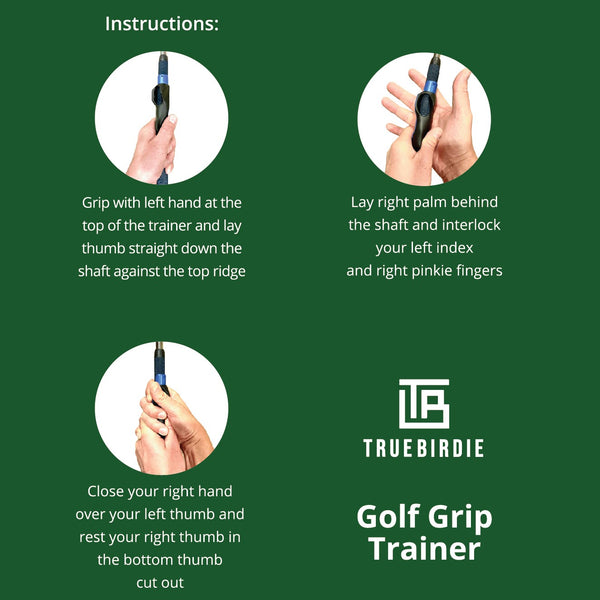
Start by holding the trainer with a firm but relaxed grip. Your hands should feel comfortable and secure. Stand with your feet shoulder-width apart. Align your body so your shoulders, hips, and feet are parallel to the target line. Check your posture. Keep your back straight and bend slightly at the knees. Proper grip and stance set the stage for a smooth swing.
Backswing Control
Move the trainer slowly backward, keeping your arms and shoulders connected. Avoid rushing this part of the swing. Focus on a smooth, controlled motion. Pause briefly at the top to build awareness of position. This drill helps train your body to keep balance. It prevents over-rotation and maintains good swing plane.
Downswing And Follow-through
Start the downswing with your hips turning toward the target. Let your arms and the trainer follow naturally. Keep your movements fluid and steady. Extend your arms fully after impact, finishing with your weight on your front foot. The follow-through should feel balanced and relaxed. This drill promotes power and accuracy in your shots.
Improving Swing Mechanics
Improving swing mechanics is key to better golf performance. A golf swing trainer helps you practice the right movements. It guides your body to move in a smooth and controlled way. Using the trainer regularly builds muscle memory. This leads to more consistent swings and better results on the course.
Focus on the basics first. Pay attention to balance, speed, and common mistakes. These areas affect how well you swing. Using the trainer properly helps fix problems early. It also makes your swing more natural and effective.
Maintaining Balance
Balance is the foundation of a good golf swing. Stand with your feet shoulder-width apart. The trainer helps you feel your weight evenly on both feet. Keep your knees slightly bent and your body relaxed. Practice slow swings to keep steady. This helps avoid leaning or swaying during your swing. Good balance improves control and power.
Increasing Swing Speed
Speed matters in golf, but control matters more. Use the trainer to build a smooth, fast swing gradually. Start slow and increase speed step by step. The trainer guides your hands and arms to move correctly. This prevents tension and helps generate power naturally. Faster swings with good form lead to better ball distance.
Correcting Common Mistakes
Many golfers make the same swing errors. The trainer shows if your swing is too wide or too narrow. It helps fix poor wrist position and bad follow-through. Watch your swing in a mirror or record it. Compare your form to the trainer’s guidance. Fixing these mistakes early stops bad habits. This makes your golf swing more efficient and consistent.
Tracking Progress
Tracking progress is key to improving your golf swing with a trainer. It helps you see what works and what needs change. Regular tracking keeps your practice focused and effective.
You can use simple tools to watch your improvement over time. This also keeps you motivated to keep training.
Using Video Feedback
Recording your swing with a camera shows details you might miss. Watch your body and club position closely. Compare videos from different sessions to spot changes.
Video feedback lets you see mistakes clearly. It also helps you understand how your swing feels versus how it looks.
Recording Swing Metrics
Many golf swing trainers measure key data points. These include swing speed, angle, and tempo. Write down these numbers after each session.
Tracking metrics helps you notice small improvements. It also shows if your changes affect your swing positively.
Setting Achievable Goals
Set small, clear goals based on your tracking data. For example, improve swing speed by 5 mph or smooth your tempo. Goals should be simple and realistic.
Achievable goals keep practice focused and build confidence. Celebrate reaching each goal to stay motivated.
Incorporating The Trainer Into Practice
Incorporating a golf swing trainer into your practice routine helps improve your swing steadily. It builds muscle memory and corrects flaws. Using it regularly makes your practice more focused and effective. Here are some tips to add the trainer to your practice sessions.
Warm-up Routines
Start your practice with a warm-up using the swing trainer. It loosens your muscles and prepares your body. Swing slowly and focus on form. Gradually increase speed while keeping control. This helps prevent injuries and sets a good rhythm.
Combining With On-course Play
Use the trainer before heading to the course. It reinforces the correct swing habits. After playing, use it to review your swing and fix mistakes. This keeps your skills sharp and consistent over time.
Scheduling Regular Sessions
Set specific times each week for trainer practice. Short, frequent sessions work better than long, rare ones. Aim for 10 to 15 minutes daily or every other day. Consistency builds better habits and faster improvement.
Maintenance And Care
Proper maintenance and care keep your golf swing trainer in good shape. It helps the trainer last longer and work well each time. Simple steps can protect your trainer from damage and wear. Clean it regularly, store it properly, and fix small problems early.
Cleaning Tips
Use a soft cloth to wipe dirt and sweat off the trainer. Avoid harsh chemicals that can damage the material. Mild soap and water work well for cleaning. Dry the trainer completely before storing it. Clean after every few uses to keep it fresh and safe.
Storing Your Trainer
Store the trainer in a dry place away from direct sunlight. Avoid damp or hot areas that can damage parts. Keep it in a case or bag to prevent dust buildup. Store it flat or hang it according to the product guide. Proper storage stops bending or breaking.
Troubleshooting Common Issues
If the trainer feels loose or parts move strangely, check for damage. Tighten screws or fasteners carefully if needed. For sticky or stiff parts, clean and lubricate lightly. Replace worn parts as soon as possible. Fixing small issues keeps your trainer safe and effective.


Frequently Asked Questions
What Is The Best Way To Start Using A Golf Swing Trainer?
Begin by understanding the trainer’s features and instructions. Practice slow, controlled swings to build muscle memory. Gradually increase speed while maintaining form. Consistency is key for improvement.
How Often Should I Practice With A Golf Swing Trainer?
Practice 3-4 times a week for 15-20 minutes. Regular sessions help develop muscle memory and improve swing mechanics. Avoid overtraining to prevent injury and fatigue.
Can A Golf Swing Trainer Improve My Swing Speed?
Yes, it helps build strength and coordination. The trainer promotes proper technique and timing, which can increase swing speed naturally. Combine with regular practice for best results.
How Do I Know If I’m Using The Trainer Correctly?
Check for smooth, balanced swings without tension. Use a mirror or record yourself to analyze form. Follow the trainer’s guidelines and adjust grip or stance if needed.
Conclusion
Using a golf swing trainer helps improve your swing step by step. Practice often and focus on your form. Stay patient and keep your movements smooth. Small changes lead to better control and power. Remember to warm up before each session.
Track your progress to see what works best. Enjoy the learning process and play with confidence. Consistent practice brings steady improvement in your golf skills.


