Are you ready to take your golf game to the next level? Using a golf rangefinder properly can make all the difference in hitting accurate shots and lowering your score.
But if you’re not sure how to use it right, you might miss out on its full benefits. You’ll discover simple, practical tips that will help you master your rangefinder quickly. Keep reading to unlock the secret to precise distances and smarter shots every time you step onto the course.
Choosing The Right Golf Rangefinder
Choosing the right golf rangefinder makes a big difference on the course. It helps you measure distances accurately and improves your shots. Picking the best one depends on your needs and style of play.
Types Of Rangefinders
There are two main types of golf rangefinders: laser and GPS. Laser rangefinders use a beam to measure the distance to the target. They work well for pinpoint accuracy. GPS rangefinders use satellites to show distances to various points on the course. They provide more information but may be less precise for exact shots.
Key Features To Consider
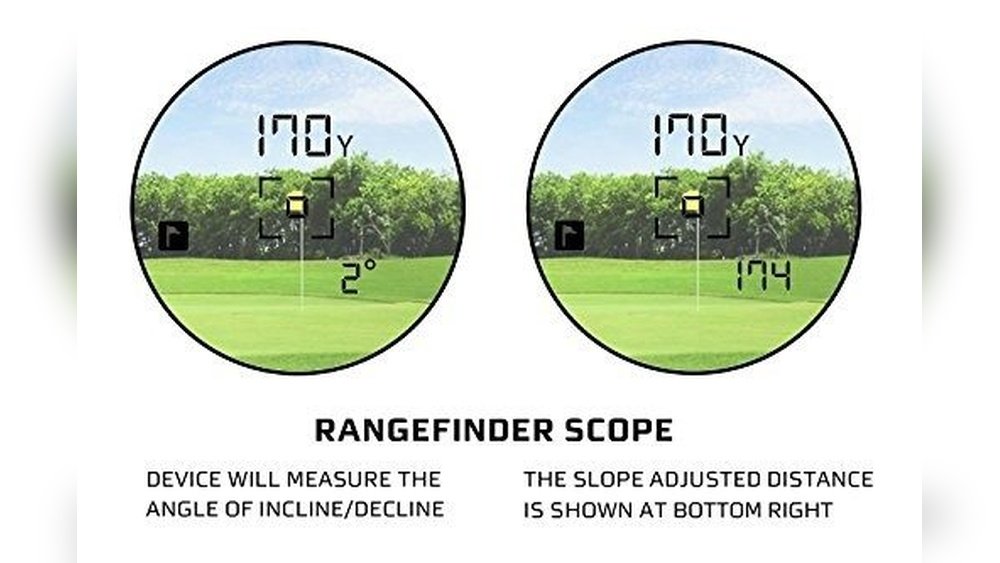
Look for rangefinders with clear displays and easy controls. A good device should have fast measuring speed. Accuracy within one yard is ideal. Some models include slope measurement to adjust for hills. Waterproofing helps in all weather conditions. Size and weight matter for comfort during play.
Budget Vs. Performance
Higher-priced rangefinders often offer more features and better accuracy. Basic models work well for casual players and beginners. Decide how much you want to spend based on your use. Find a balance between cost and useful features. A well-chosen rangefinder adds value without overspending.
Setting Up Your Rangefinder
Setting up your golf rangefinder correctly helps improve your distance readings. This step saves time and avoids wrong shots. Take time to prepare your device before starting your game.
Proper setup ensures the rangefinder works well in different conditions. Follow simple steps to get the best results on the course.
Calibrating For Accuracy
Calibration makes sure your rangefinder shows true distances. Find a known distance on the course. Aim the rangefinder at this point and check the reading. Adjust the settings until the reading matches the real distance. Repeat this process regularly to keep accuracy high.
Adjusting For Weather Conditions
Weather can affect your rangefinder’s performance. Rain, fog, or bright sunlight change the readings. Use the device’s weather mode or settings to adjust for these changes. This helps you get the most accurate distance in all weather types.
Battery And Maintenance Tips
Keep your rangefinder ready by checking the battery often. Replace weak batteries to avoid sudden shutdowns. Clean the lens regularly with a soft cloth to remove dust and dirt. Store the device in a dry place to protect it from damage. Proper care extends your rangefinder’s life and keeps it working well.
Mastering Basic Rangefinder Techniques
Using a golf rangefinder correctly improves your game. It helps measure exact distances to targets. This section covers the basic skills needed to use a rangefinder well. Learning these techniques makes your shots more accurate and confident.
Proper Holding And Positioning
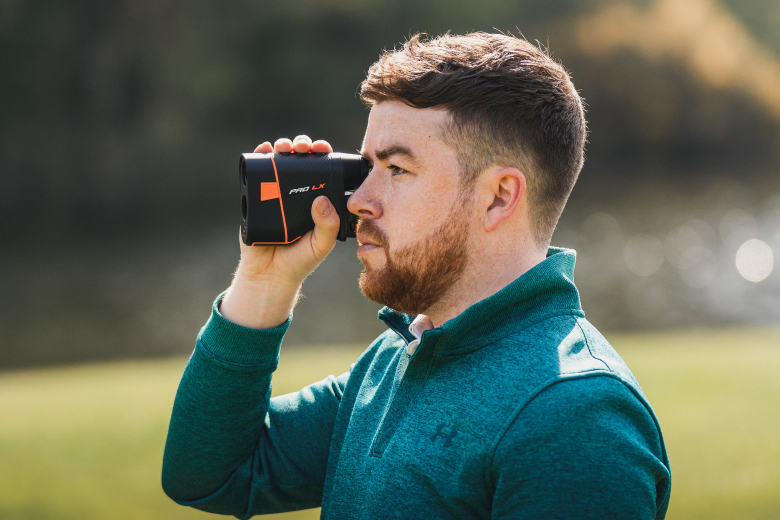
Hold the rangefinder steady with both hands. Keep your elbows close to your body. Stand still to avoid shaking the device. Position your eye directly behind the viewfinder. This alignment gives a clear, focused view. Keep the rangefinder level for the best reading.
Aiming At The Target
Look through the rangefinder’s scope. Find the target, such as a flag or tree. Aim the center crosshair at the exact point. Stay patient and steady while aiming. Avoid quick movements to prevent errors. Confirm the target is clear and not blocked by objects.
Interpreting Distance Readings
Press the button to get the distance reading. Read the number shown clearly in the display. Understand if the distance is in yards or meters. Use this information to select the right club. Remember, wind and slope may affect your shot. Practice interpreting readings to improve decision-making.

Advanced Usage Tips
Advanced usage tips help you get more from your golf rangefinder. These tips go beyond basic distance measurement. They improve accuracy and speed on the course. Learning these features saves strokes and makes play smoother.
Practice these tips to use your rangefinder like a pro. They help you handle different course challenges better. Your shots become smarter and more confident.
Using Slope And Elevation Features
Slope and elevation features adjust distance for hills. They show how much to add or subtract for uphill or downhill shots. This helps avoid under or over-hitting the ball. Turn on slope mode if allowed in your game. Check elevation changes to pick the right club. These features give a true playing distance, not just straight line.
Measuring Hazards And Layups
Measure distances to hazards like bunkers, water, or trees. This helps plan safer shots and avoid trouble. Use the rangefinder to find layup spots for easier next shots. Knowing exact hazard distance guides your shot power. It helps decide whether to play aggressive or conservative. Accurate hazard measurement lowers the risk of penalty strokes.
Speeding Up Your Play With Quick Scans
Use quick scan mode to measure multiple targets fast. Sweep the rangefinder across the area to see distances quickly. This saves time and keeps your pace steady. Quick scans help you find the best target without delay. Practice scanning smoothly for the best results. Fast play keeps the game fun for everyone on the course.
Common Mistakes To Avoid
Using a golf rangefinder can improve your game, but mistakes can reduce its benefits. Avoid these common errors to get accurate readings and better results. Pay attention to how you use your device and the conditions around you.
Misreading Distances
One common mistake is misreading the distance shown on the rangefinder. Some golfers confuse the numbers or read them too fast. Always take a moment to check the display carefully. Make sure you aim at the right target, not behind or beyond it. Confirm the distance before you swing.
Ignoring Environmental Factors
Environmental conditions affect rangefinder accuracy. Bright sunlight, rain, or fog can change the reading. Do not ignore these factors. Adjust your expectations based on the weather. Wind can also affect your shot, so consider it separately from the distance. Use the rangefinder as one tool among many.
Overreliance On Technology
Relying too much on a rangefinder can harm your game. It is a helpful tool, not a replacement for skill or judgment. Trust your experience and course knowledge first. Use the rangefinder to confirm your decisions, not make them for you. Balance technology with your own abilities.
Improving Your Game With Rangefinder Data
Using a golf rangefinder can help you play smarter and improve your shots. It gives exact distances that help with decisions on the course. Understanding the data from your rangefinder can lead to better club choices and more consistent play.
Analyzing Yardage For Club Selection
Check the distance to the target before each shot. Use the rangefinder to measure the exact yardage. Match this distance with your club’s average range. This reduces guesswork and improves shot accuracy.
Tracking Progress Over Time
Keep a record of distances and shot results. Compare this data after each round or practice session. Notice patterns and areas that need work. Tracking progress helps you see improvements clearly.
Integrating Rangefinder Use Into Practice
Use your rangefinder during practice rounds to build habit. Measure distances on different holes and practice with the right clubs. This trains your eye and feel for distance. Regular use makes it natural during real games.
Frequently Asked Questions
What Is The Main Purpose Of A Golf Rangefinder?
A golf rangefinder measures the exact distance to the target or hazard. It helps golfers choose the right club and improve shot accuracy. Using one saves time and boosts confidence on the course.
How Do I Properly Aim A Golf Rangefinder?
To aim correctly, look through the rangefinder’s lens and focus on the flag or target. Keep the device steady and press the button to get an accurate distance reading. Avoid obstructions for the best results.
Can Weather Affect Golf Rangefinder Accuracy?
Yes, weather conditions like fog, rain, and bright sunlight can impact accuracy. These factors may cause distance readings to fluctuate. For best use, operate the rangefinder in clear weather and avoid extreme conditions.
How Do I Calibrate A Golf Rangefinder?
Calibration is usually automatic, but refer to your model’s manual for manual calibration. Regularly check for firmware updates and test the rangefinder on known distances to ensure accuracy. Proper calibration ensures precise measurements.
Conclusion
Using a golf rangefinder properly improves your distance accuracy. It helps you choose the right club for each shot. Practice with your device to get familiar fast. Always check the battery before you start playing. Clear your view and aim carefully for best results.
Small steps lead to better golf performance. Keep your focus and trust the rangefinder’s readings. Enjoy your time on the course with more confidence. Consistent use will make measuring distances easier and quicker. Simple habits make a big difference in your golf game.


