Are you looking to improve your golf swing without leaving your home? You don’t need a fancy golf course or expensive equipment to practice and get better.
With the right techniques and a little space, you can sharpen your swing anytime, anywhere. Imagine feeling more confident and powerful the next time you step onto the green. Keep reading to discover simple, effective ways to practice your golf swing at home—and watch your game transform faster than you expected.

Setting Up A Practice Space
Setting up a practice space at home helps improve your golf swing anytime. A good space makes practice more effective and fun. It also keeps your home safe and organized. This section guides you on creating the best area for golf practice.
Choosing The Right Area
Pick a spot with enough room to swing freely. Make sure the ceiling is high enough to avoid hitting it. Clear the area of fragile items or furniture. A garage, basement, or backyard can work well. Good lighting helps you see your movements clearly. Choose a flat, stable surface to keep balance.
Essential Equipment For Home Practice
Start with a quality golf mat to protect floors. Use a practice net to catch balls safely. A mirror or camera helps check your swing form. Lightweight practice balls reduce damage risk. A golf tee and alignment sticks improve precision. Choose simple, durable gear that fits your space.
Safety Considerations
Keep pets and children away from your practice zone. Check the area for breakable items before swinging. Use soft practice balls indoors to avoid injuries. Ensure enough space behind you for a full swing. Wear proper golf shoes or flat-soled shoes for grip. Always focus on control, not power, to stay safe.
Basic Swing Drills
Practicing golf swing at home needs simple drills. Basic swing drills build a strong foundation. These drills help improve control and consistency. Practicing regularly improves muscle memory and confidence. Start with easy steps to build good habits.
Grip And Stance Adjustments
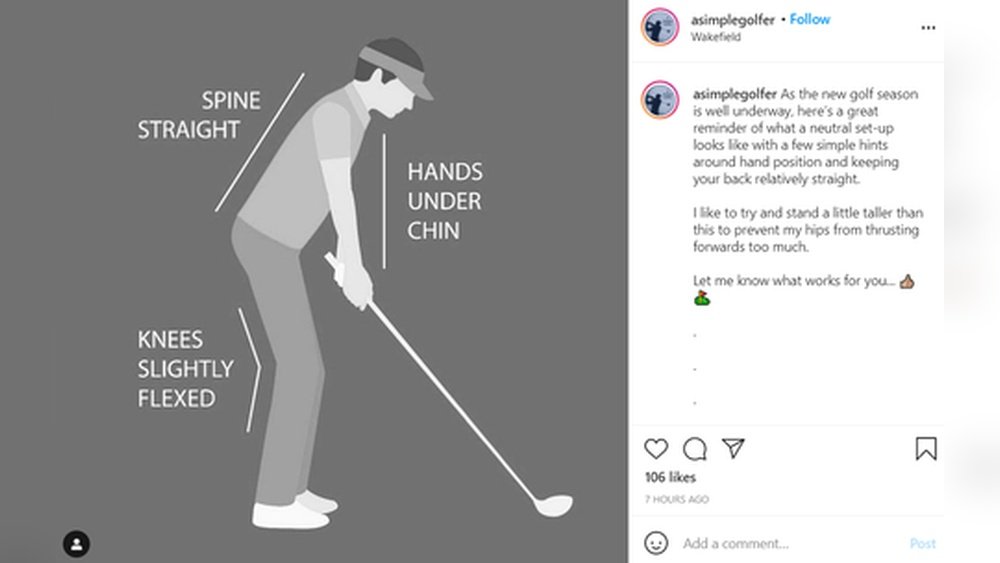
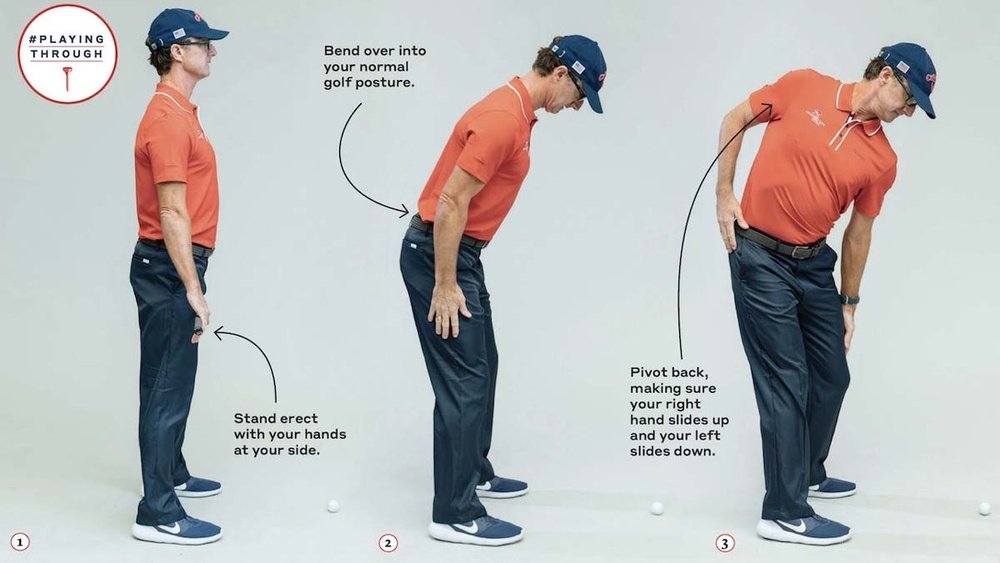
Hold the golf club with a relaxed grip. Avoid gripping too tight or too loose. Position your hands so the club feels natural. Stand with feet shoulder-width apart for balance. Slightly bend your knees for better stability. Keep your back straight and lean forward slightly. Check your stance in a mirror or video for accuracy.
Backswing And Downswing Focus
Start your backswing by turning your shoulders. Keep your arms relaxed and the club on plane. Pause briefly at the top of your swing. Begin the downswing by shifting weight to your front foot. Swing the club smoothly down toward the ball. Avoid rushing; control is more important than power. Practice slow swings to build rhythm and timing.
Smooth Follow-through Techniques
After hitting, let your swing continue naturally. Extend your arms fully toward the target. Rotate your hips and shoulders to face forward. Keep your balance and hold your finish position. A smooth follow-through improves accuracy and distance. Practice finishing each swing with control and grace. This helps develop a consistent and reliable swing.
Using Training Aids
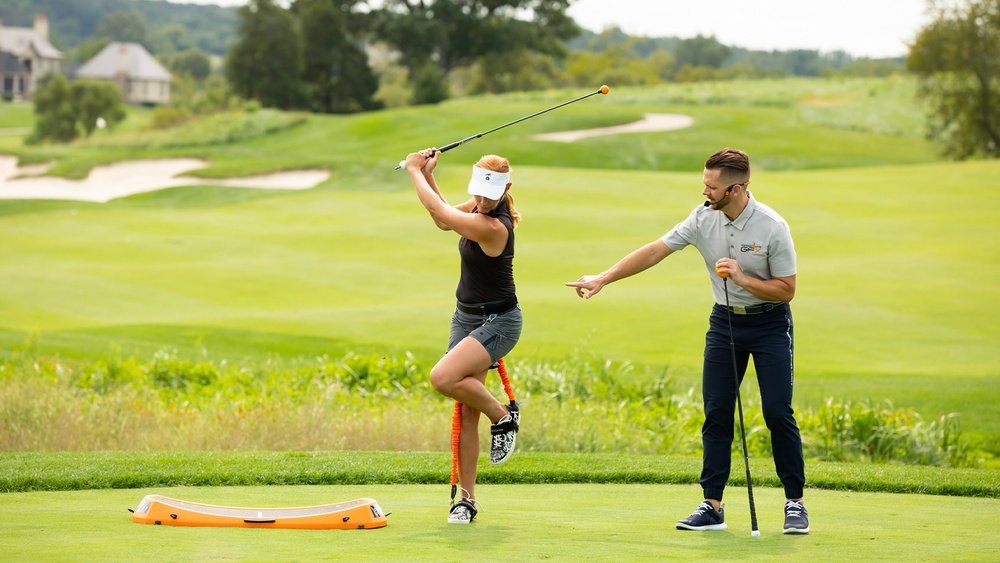
Using training aids helps improve your golf swing at home. These tools guide your practice and build good habits. They make practice more effective and fun. You can focus on key parts of your swing with the right aids. Here are some common training aids that help golfers practice better.
Swing Trainers And Alignment Sticks
Swing trainers help you learn the correct swing path. They guide your club to move smoothly. Alignment sticks help with your stance and swing direction. Place sticks on the ground to check your alignment. Both tools improve your consistency and accuracy. You can use them indoors or in your backyard.
Impact Mats And Nets
Impact mats protect your floor while you hit the ball. They simulate real turf feel for better practice. Nets catch the ball, so you do not lose it. They allow you to practice full swings safely at home. Using mats and nets helps you train without worry. This setup is ideal for small spaces.
Mirror Feedback For Posture
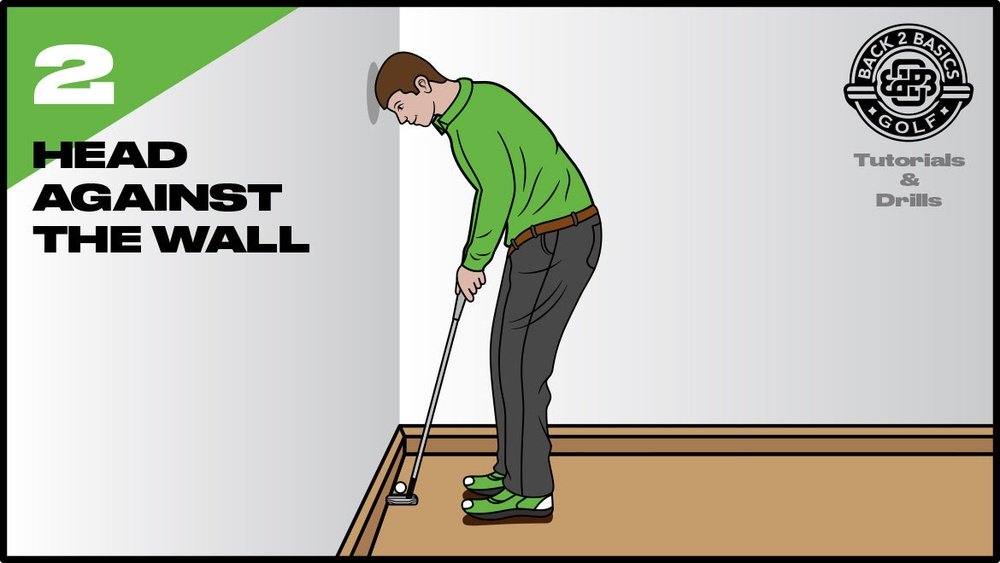
Mirrors help you see your posture during swings. You can check your body position and alignment. This feedback improves your balance and swing form. Place a mirror where you practice your swing. Watching yourself builds muscle memory for better technique. This simple tool boosts your confidence and skill.

Improving Timing And Rhythm
Improving timing and rhythm is key to a smooth golf swing. Good timing helps you hit the ball with power and control. Rhythm keeps your swing balanced and consistent. Practicing these elements at home can boost your confidence on the course.
Metronome Practice
Using a metronome helps you find a steady swing pace. Set it to a slow beat and swing with each tick. This trains your body to move smoothly and evenly. Over time, increase the speed to match your natural swing tempo.
Counting And Swing Tempo
Count numbers while you swing to create rhythm. Try “one, two” for backswing and downswing. This keeps your timing steady and prevents rushing. Practice counting out loud or in your head during each swing.
Breathing Techniques
Breath control helps calm nerves and keeps your rhythm steady. Take a deep breath before each swing. Exhale slowly as you swing through the ball. This method helps your body stay relaxed and focused.
Incorporating Fitness For Better Swing
Improving your golf swing starts with your body. Fitness plays a key role in developing a smooth, powerful swing. You can practice golf swings at home by adding simple exercises. These exercises help increase flexibility, build strength, and improve balance. Better fitness leads to better control and consistency in your swing.
Flexibility Exercises
Flexibility helps your body move freely during the swing. Stretch your shoulders, back, and hips daily. Try gentle twists and side bends. Use a towel or golf club to stretch your arms and shoulders. Stretching reduces stiffness and helps prevent injury. It also allows a fuller swing range.
Strength Training
Strong muscles create more power and stability. Focus on your legs, arms, and core muscles. Use light weights or resistance bands at home. Squats, lunges, and push-ups build leg and arm strength. Strong muscles support better control and swing speed. Aim for two to three strength sessions weekly.
Balance And Core Workouts
Good balance improves your stance and swing accuracy. Try standing on one leg for 30 seconds. Use a balance board or cushion if available. Core exercises like planks and bridges boost stability. A strong core helps transfer power from your body to the club. Practice balance and core exercises three times a week.

Tracking Progress At Home
Tracking your golf swing progress at home helps you improve faster. It shows what works and what needs change. Watching your progress keeps you motivated and focused. Use simple tools and methods to track your swing easily.
Recording Your Swing
Use a smartphone or camera to record your swing. Record from different angles to see your full motion. Watch the video slowly to spot mistakes. Compare your swings over days or weeks to see progress. Recording helps you understand your body movements better.
Using Apps And Technology
Many apps help analyze golf swings in detail. Some apps measure swing speed and angle. Use apps that give tips based on your swing. Technology can show small errors you might miss. Choose user-friendly apps for easy tracking at home.
Setting Realistic Goals
Set small goals for each practice session. Focus on one part of your swing at a time. Write your goals down to stay clear and focused. Celebrate small improvements to keep your spirits high. Realistic goals make practice more rewarding and less frustrating.
Frequently Asked Questions
How Can I Improve My Golf Swing At Home?
You can practice with a mirror to check your posture. Use a golf swing trainer or alignment sticks to build muscle memory and improve accuracy.
What Equipment Is Needed For Home Golf Swing Practice?
Basic equipment includes a golf mat, mirror, swing trainer, and alignment sticks. These tools help replicate real swings and improve technique safely indoors.
How Often Should I Practice Golf Swings At Home?
Practice 15-20 minutes daily for consistent improvement. Short, focused sessions help build muscle memory and prevent injury, enhancing your swing effectively over time.
Can Indoor Golf Swing Practice Improve My Game?
Yes, practicing indoors builds consistency, improves swing mechanics, and enhances muscle memory. Regular indoor practice complements outdoor play and boosts overall performance.
Conclusion
Practicing your golf swing at home takes focus and patience. Use simple drills to build consistency and strength. Small steps lead to steady improvement over time. Keep your practice space safe and free from distractions. Regular practice helps you play better on the course.
Stay motivated by setting clear, easy goals each day. Remember, practice does not need fancy equipment. A few minutes daily can make a big difference. Enjoy the process and watch your swing improve bit by bit.