Are you tired of watching your golf ball slice off to the right, ruining your perfect shot? That annoying curve can cost you strokes and shake your confidence on the course.
But here’s the good news: fixing your slice is easier than you think. You’ll discover simple, effective tips to straighten your swing and hit the ball where you want it to go. Keep reading, and you’ll soon be turning those frustrating slices into powerful, accurate drives.
Your best golf game is just a few steps away!

Causes Of A Golf Slice
A golf slice is a common problem that many players face. It happens when the ball curves sharply from left to right for right-handed golfers. This makes shots less accurate and can lower your score. Understanding the causes of a golf slice helps you fix it faster. Several factors can lead to this issue. Some come from how you swing, while others relate to your grip, stance, or equipment.
Common Swing Flaws
Most slices start with a swing flaw. One common mistake is an outside-to-inside swing path. This means the club moves across the ball instead of straight through. Another cause is an open clubface at impact. This makes the ball spin sideways, causing the slice. Poor body rotation can also lead to slicing. Not turning your hips and shoulders enough can push the club off course. Fixing these swing problems can reduce or stop your slice.
Grip And Stance Issues
Grip and stance play a big role in causing a slice. A weak grip, where the hands turn too far to the left, opens the clubface. This leads to a slice. Standing too far from the ball also affects the swing path. It can cause an outside-to-inside swing, creating a slice. Your stance angle matters too. If your feet and shoulders point too far left, the ball will slice right. Adjusting grip and stance helps create a straighter shot.
Equipment Factors
Your golf clubs might cause a slice if they don’t fit you well. Clubs with too much shaft flex can cause the clubface to open. This leads to slicing. Using clubs with a wrong lie angle also affects the swing path. A lie angle too upright or flat changes how the club hits the ball. Worn grips or poorly balanced clubs make control harder. Checking your equipment ensures it supports a better swing and straighter shots.
Adjusting Your Grip
Adjusting your grip can fix a slice in your golf swing. The grip controls the clubface angle at impact. A proper grip helps square the clubface and sends the ball straight. Small changes in your hand position can reduce or stop slicing.
Neutral Grip Techniques
A neutral grip places both hands in a balanced position. Hold the club so you see two to three knuckles on your top hand. Your V’s formed by the thumb and index fingers should point to your right shoulder.
This grip keeps the clubface square through the swing. It prevents the face from opening too much at impact. Practice swinging with this grip to feel better control.
Avoiding A Weak Grip
A weak grip causes the clubface to open during the swing. It happens when your top hand turns too far to the left on the club. The V’s point away from your right shoulder.
This grip leads to slices and pushes. Avoid it by rotating your hands slightly to the right. Keep your thumbs running down the center of the club. This adjustment helps keep the clubface closed at impact.
Improving Your Stance And Alignment
Improving your stance and alignment helps fix a slice in your golf swing. A good stance creates balance and control. Proper alignment guides the club on the right path. Both are key to hitting straighter shots.
Proper Foot Position
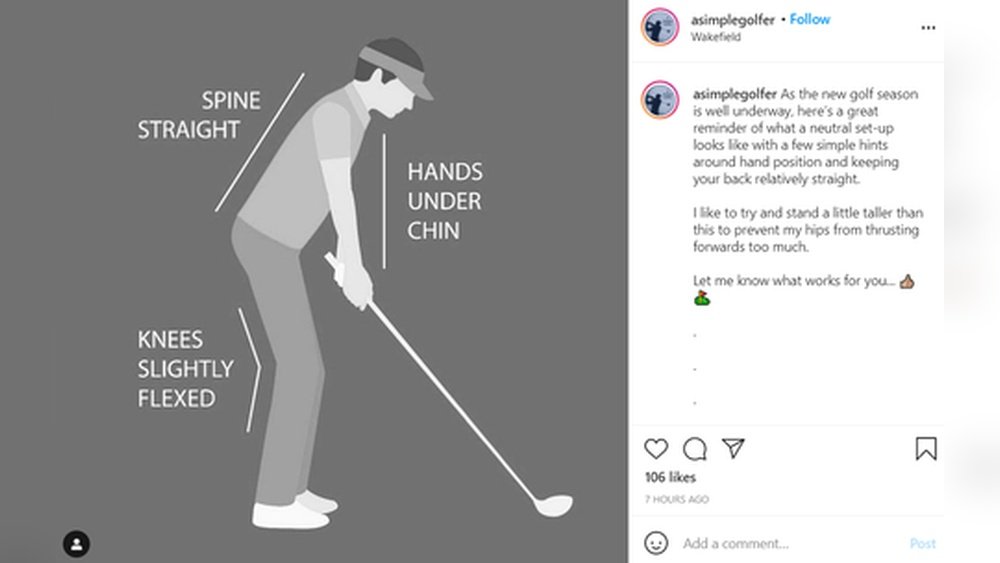
Place your feet shoulder-width apart for stability. Your weight should be even on both feet. Point your toes slightly outward for better balance. Bend your knees just a little. This stance helps you swing smoothly without losing control.
Aligning To The Target
Stand so your body faces the target line. Your feet, hips, and shoulders should be parallel to it. Avoid aiming your body left or right of the target. Use a club or alignment stick on the ground to check. This helps your swing path follow the target straight.

Swing Path Corrections
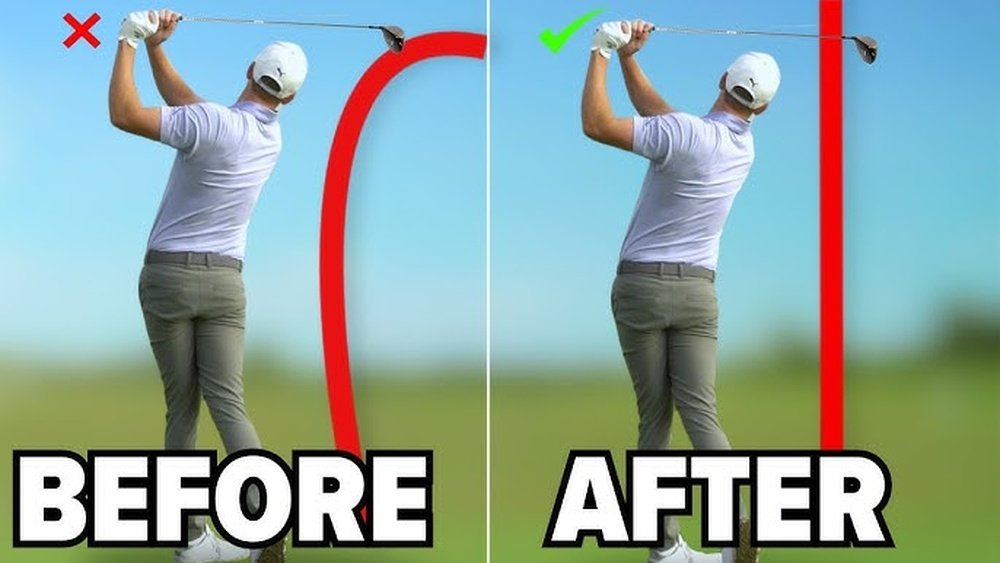
Fixing a slice in your golf swing often starts with improving your swing path. The path your club takes affects the ball’s direction. A poor path leads to a slice, where the ball curves right for right-handed players. Adjusting your swing path helps the ball fly straighter and farther.
Two key swing path corrections can reduce or stop a slice. These focus on how your club moves during the swing and how you avoid common mistakes. Practice these tips to build a smoother, more effective swing path.
Inside-to-out Swing Path
The inside-to-out swing path is a major fix for slicing. This means the club moves from inside the target line to outside after hitting the ball. It encourages a draw or straight shot rather than a slice.
To achieve this path, start your takeaway low and slow. Keep your hands close to your body. Swing the clubhead along the line of your feet. This motion helps the club approach the ball from inside.
Focus on finishing your swing with your hands moving toward the target. Practice swinging with alignment sticks or visual guides. This trains your body to develop the inside-to-out path naturally.
Avoiding Over-the-top Move
The over-the-top move is a common cause of slicing. It happens when the club swings outside the target line on the downswing. This path makes the clubface open, causing the ball to spin and slice.
To avoid this, keep your downswing on the same plane as your backswing. Start your downswing with your lower body, not your arms. This prevents the club from coming over the top.
Practice slow swings focusing on the clubhead’s path. Use video or mirrors to check your swing plane. Avoid swinging too hard, which often triggers the over-the-top move.
Clubface Control
Controlling the clubface is key to fixing a slice in your golf swing. The position of the clubface at impact shapes the ball’s flight. A clubface that is open to the target line causes the ball to curve right for right-handed players. Learning how to manage the clubface can reduce or stop slicing.
Small changes in how you hold and release the club make a big difference. Focus on how you close the clubface and the timing of your release. These steps help the ball fly straighter and with more distance.
Closing The Clubface
Closing the clubface means turning it slightly toward the target before impact. This action stops the ball from spinning off to the right. To close the clubface, try gripping the club a bit stronger with your lead hand. Rotate your forearms slightly during the downswing. Avoid forcing the clubface; let it close naturally as you swing.
Timing Your Release
The release is how your hands and wrists move through the ball. Timing this correctly helps square the clubface at impact. Start the release just before you hit the ball. Let your hands turn over smoothly, not too early or late. Practice this motion slowly to build muscle memory. A well-timed release reduces slices and improves control.
Drills To Fix A Slice
Fixing a slice in your golf swing requires practice and focus. Drills help you build better habits and correct mistakes. These exercises target key areas that cause a slice.
Practicing drills regularly improves your swing path and grip. This leads to straighter shots and more confidence on the course.
Swing Path Drills
One common cause of a slice is an outside-to-inside swing path. To fix this, try the “gate drill.” Place two tees in the ground, slightly wider than your clubhead. Practice swinging through the tees without hitting them. This drill encourages an inside-to-outside swing path.
Another drill is the “towel drill.” Place a towel just outside the ball. Swing and try to miss the towel. This helps prevent an over-the-top move, which causes slicing.
Grip And Alignment Drills
A weak grip often leads to slicing. Hold the club with a stronger grip by rotating your hands slightly to the right (for right-handed players). Practice hitting shots with this grip to feel the difference.
Check your alignment before each shot. Lay a club on the ground pointing to your target. Align your feet, hips, and shoulders parallel to this line. This simple drill helps you aim correctly and reduce slices.
Equipment Adjustments
Equipment adjustments can help reduce a slice in your golf swing. Small changes in your clubs can make a big difference in the ball’s flight. Proper equipment supports better control and straighter shots. Focus on the shaft and clubhead to improve your swing path and impact.
Choosing The Right Shaft
The shaft affects how the club moves through the air. A shaft that is too stiff can cause slices by limiting wrist action. A shaft that is too flexible can lead to inconsistent shots. Choose a shaft with the right flex for your swing speed. Lighter shafts help increase swing speed and control. Getting fit for a shaft can reduce slicing and improve accuracy.
Loft And Clubhead Options
Loft changes the launch angle and spin rate of the ball. Higher loft helps reduce slices by adding backspin and lifting the ball. Clubheads with a closed face can help prevent the ball from curving right. Game improvement irons and drivers often have features to help correct slices. Consider clubs designed to promote a straighter ball flight. Testing different lofts and clubheads can find the best fit for you.
Practice Tips For Consistency
Fixing a slice requires steady practice and focus. Consistency is key to improving your golf swing. Practicing the right way helps build muscle memory. It also trains your body to repeat the correct motion. This section shares simple practice tips to keep your swing steady and slice-free.
Focused Practice Routines
Create a clear routine before each practice session. Start with warm-up swings to loosen your muscles. Then, practice hitting balls with a target in mind. Use alignment sticks or markers to guide your swing path. Repeat the same swing motion slowly and steadily. Avoid rushing through your shots. Consistent, deliberate practice helps your body learn the right swing. Focus on small improvements each time you hit the ball.
Using Video Analysis
Record your swing using a smartphone or camera. Watch the video to spot any mistakes. Look for the club’s path and your body position. Compare your swing to professional golfers’ swings online. Notice if your clubface opens too much at impact. Video helps you see what you cannot feel during swings. Use slow motion to catch subtle errors. Regular video checks guide your practice and improve your swing consistency.

Frequently Asked Questions
What Causes A Slice In My Golf Swing?
A slice usually happens due to an open clubface at impact. It causes the ball to spin sideways. Poor grip, stance, or swing path can also contribute to slicing the ball.
How Can I Adjust My Grip To Fix A Slice?
To fix a slice, strengthen your grip by rotating your hands slightly right (for right-handed golfers). This helps square the clubface and reduces slice spin, improving your ball flight.
What Swing Path Helps Prevent Slicing The Ball?
An inside-to-out swing path helps prevent slicing. It promotes a straighter ball flight by closing the clubface through impact, reducing side spin that causes the slice.
Can Adjusting My Stance Reduce My Golf Slice?
Yes, aligning your feet and shoulders parallel to the target line helps. Open stances encourage slicing. A square or slightly closed stance promotes a straighter swing path.
Conclusion
Fixing a slice takes practice and patience. Focus on your grip, stance, and swing path. Small changes bring better control over the ball. Keep practicing with purpose and stay consistent. Remember, every golfer faces challenges like this. Stay calm and enjoy the learning process.
Your swing will improve step by step. Keep aiming for straighter, cleaner shots. Success comes with steady effort and good habits. Keep playing and have fun on the course.