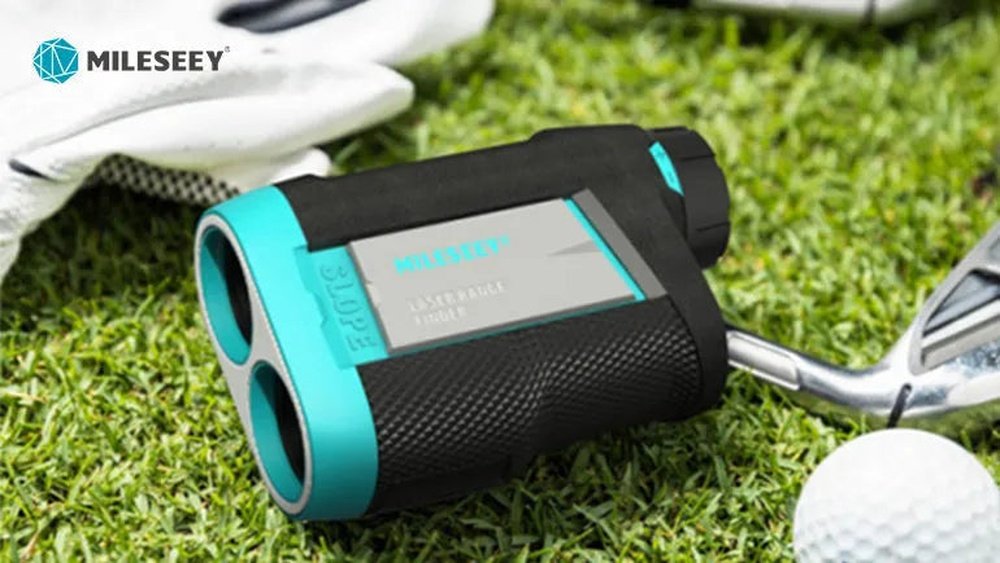
Are you tired of guessing distances on the golf course? Choosing the right golf rangefinder can change the way you play and help you lower your scores.
But with so many options out there, how do you find the one that fits your game and budget? This guide will walk you through everything you need to know to pick the perfect rangefinder for your needs. Keep reading, and you’ll soon gain the confidence to make smarter shots every time you step onto the green.
Types Of Golf Rangefinders
Choosing the right golf rangefinder starts with knowing the types available. Each type uses different technology to measure distance. Understanding these types helps you pick the best one for your game.
Laser Rangefinders
Laser rangefinders use a laser beam to measure distance. They point directly at the target, like the flag or hazard. The device calculates how long the laser takes to bounce back. This type offers very precise and fast readings. It works well in clear weather and open courses. Some models include slope features to measure elevation changes.
Gps Rangefinders
GPS rangefinders use satellites to find your position on the course. They show distances to hazards, greens, and fairways on a screen. This type does not require aiming at a target. It works well in all weather and lighting conditions. GPS devices often include course maps and score tracking features. Battery life is usually longer than laser models.
Hybrid Models
Hybrid rangefinders combine laser and GPS technologies. They give the accuracy of laser with the convenience of GPS. Hybrids can switch between modes based on your needs. This flexibility helps in different course conditions. These models often cost more but provide more detailed information. Ideal for golfers who want the best of both worlds.
Key Features To Consider
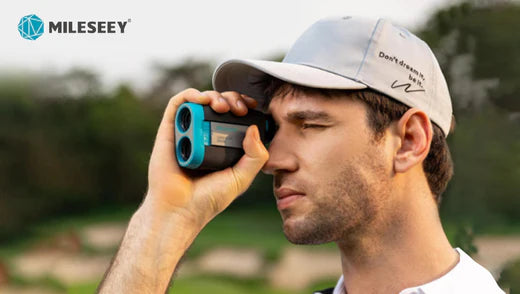
Choosing the right golf rangefinder requires understanding its key features. These features affect how well the device performs on the course. Each golfer’s needs differ, so focus on what matters most to you. Consider accuracy, ease of use, power, and durability. These points help narrow down your options.
Accuracy And Range
Accuracy is the most important feature of any rangefinder. It tells you the exact distance to your target. A good rangefinder should measure distances within one yard of accuracy. Also, check the device’s maximum range. Some models can measure up to 1,000 yards or more. Choose a range that fits your usual golf course size.
Display And Readability
The display should be clear and easy to read. Bright, sharp screens work best in sunlight. Some rangefinders have color displays, while others use black and white. Look for adjustable brightness settings. Large numbers and simple icons improve readability during play.
Battery Life
Battery life matters on long golf days. A rangefinder with longer battery life saves you from interruptions. Some devices use rechargeable batteries, others use replaceable ones. Check how many holes or hours the battery lasts. Choose a model with enough power for your rounds.
Durability And Weather Resistance
Golf rangefinders must withstand rough conditions. Look for models that resist water and dust. Some are rainproof or even waterproof. Shock resistance adds extra protection against drops. A sturdy device lasts longer and works well in all weather.
Technology And Measurement Modes
Choosing the right golf rangefinder means understanding its technology and measurement modes. These features affect accuracy and ease of use on the course. Modern rangefinders come with smart tools that help you get precise distances quickly.
Technology in rangefinders goes beyond simple distance reading. Advanced modes can find the flag, measure slope, and lock targets. These functions improve your game by giving clear, reliable information.
Pinseeker And Jolt Technology
Pinseeker technology helps find the flagstick easily. It filters out other objects like trees or bunkers. This feature gives you the exact distance to the pin.
JOLT technology adds a vibration signal when the flag is locked. It confirms the measurement instantly. This feedback helps avoid guessing and speeds up your play.
Slope Measurement
Slope measurement calculates the angle between you and the target. It adjusts the distance for uphill or downhill shots. This mode helps choose the right club by showing true playing distance.
Many rangefinders let you turn slope mode off for tournament play. This keeps your device legal and fair during competitions.
Target Locking
Target locking keeps the rangefinder focused on one spot. It prevents the device from shifting to other objects. This mode ensures steady, accurate readings.
Locking the target makes it easier to measure in busy or crowded areas. It helps maintain focus on the flag or specific hazards.

Ease Of Use And Portability
Choosing a golf rangefinder means thinking about how easy it is to use and carry. A device that fits well in your hand and pocket makes your game smoother. You want quick, clear readings without fumbling with buttons or straps. Portability helps you move fast between shots. This section covers key points to find a rangefinder that works best for you.
Weight And Size
Lightweight rangefinders cause less arm fatigue during long games. Compact size fits easily in your pocket or golf bag. Small devices do not distract you on the course. Balance is important: too small can be hard to hold steady. Choose a size that feels comfortable and natural in your hand.
User Interface
Simple controls save time and reduce errors. Large buttons or touchscreens are easier to use outdoors. Clear displays show numbers in bright, readable fonts. A good interface lets you get distance fast. Avoid complicated menus that slow you down.
Mounting Options
Some rangefinders come with clips, straps, or cases. These help attach the device to your bag or belt. Mounting keeps your hands free and rangefinder secure. Pick mounting styles that suit your playing style. Easy access means no delays when measuring shots.
Budget And Price Ranges
Choosing the right golf rangefinder starts with your budget. Rangefinders come in many price ranges. Each range offers different features and accuracy levels. Understanding these price points helps you find the best fit for your needs. This guide breaks down options by budget to make your choice easier.
Entry-level Options
Entry-level rangefinders cost less and suit casual players. They provide basic distance measurements with decent accuracy. These models usually have a simple design and easy controls. They often lack advanced features but work well for beginners or occasional golfers. Expect reliable performance without extra bells and whistles.
Mid-range Models
Mid-range rangefinders offer better accuracy and more features. They include improvements like slope measurement and faster scanning. These models balance price and performance. Ideal for golfers who want more precision and helpful tools. Many mid-range options are lightweight and compact for easy use on the course.
High-end Rangefinders
High-end rangefinders deliver top accuracy and advanced technology. They feature fast target acquisition, slope compensation, and sometimes GPS integration. These models are built for serious golfers who demand precision. They often come with durable materials and longer battery life. Expect a higher price for premium features and quality.
Brand Reputation And Warranty
Choosing a golf rangefinder involves more than just features and price. Brand reputation and warranty play a key role. They show the quality and trust behind the product. A well-known brand often means reliable performance. A solid warranty offers peace of mind. It protects your investment from defects and issues.
Popular Brands
Top brands have a history of making good golf gear. Brands like Bushnell, Garmin, and Nikon lead the market. They use quality materials and advanced technology. Choosing a brand with strong reviews can reduce risks. Trusted brands often offer better customer service too.
Customer Support
Good customer support helps solve problems fast. Brands with responsive support make ownership easier. They answer questions and fix issues quickly. Look for brands with phone, email, or chat support. This ensures help is available when needed.
Warranty Coverage
A clear warranty shows confidence in the product. Most rangefinders come with 1-2 years of coverage. Check what the warranty includes, such as repairs or replacements. Some brands offer extended warranties for extra security. A strong warranty protects against defects and damage.
Testing And Calibration Tips
Testing and calibration are key steps after choosing a golf rangefinder. They ensure your device works well on the course. Proper testing helps confirm accuracy. Calibration keeps the device reliable over time. Both improve your confidence in every shot.
Field Testing
Take your rangefinder to the golf course first. Test it on targets at different distances. Compare the readings with known distances or markers. Check if the numbers match what you expect. Try different weather and light conditions. Field testing helps spot any errors early.
Regular Calibration
Calibrate your rangefinder often to keep it accurate. Follow the manufacturer’s instructions for calibration steps. Some devices need calibration after battery changes or bumps. Use a flat, stable surface for better results. Regular calibration prevents distance errors during play.
Maintenance Practices
Keep your rangefinder clean and dry. Wipe the lens with a soft cloth to avoid scratches. Store it in a protective case when not in use. Check the battery level before every round. Good maintenance extends the life of your device.
Frequently Asked Questions
What Features Matter Most In A Golf Rangefinder?
Accuracy, range, ease of use, and durability are key features. Look for clear optics, fast measurements, and user-friendly controls. A lightweight, weather-resistant model enhances performance on the course. Prioritize features that match your playing style and budget for the best experience.
How Does Laser Rangefinder Accuracy Impact Golf?
Laser rangefinders provide precise distance measurements to targets. Accurate data helps golfers choose the right club and improve shots. Even small errors can affect game strategy. High-quality rangefinders minimize inaccuracies, boosting confidence and performance on every hole.
Can Golf Rangefinders Improve My Overall Game?
Yes, rangefinders help you make better shot decisions. Knowing exact distances reduces guesswork and club selection errors. This leads to improved consistency and lower scores. Regular use sharpens course management skills and increases confidence during play.
What Is The Ideal Range For A Golf Rangefinder?
An ideal rangefinder covers distances up to 400 yards or more. This range suits most golf courses and shot types. Ensure your device accurately measures both short and long distances. Versatility in range helps adapt to various course conditions.
Conclusion
Choosing a golf rangefinder takes some thought and care. Focus on accuracy, ease of use, and your budget. Think about the features that help your game the most. Test a few models if you can. This way, you find the best fit for your needs.
A good rangefinder makes your golf rounds smoother and more fun. Take your time, and pick one that feels right for you. Enjoy better shots and more confidence on the course.


