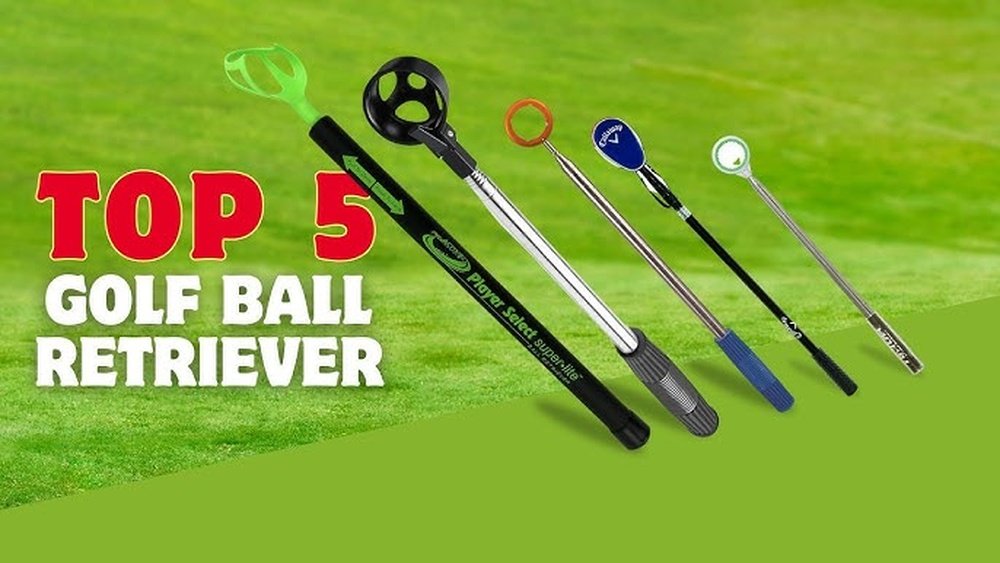
Losing golf balls in water hazards or thick rough can be frustrating and costly. You want to save your money and avoid wasting time searching for lost balls.
That’s where a golf ball retriever becomes your best friend. But with so many options out there, how do you choose the right one for your needs? You’ll discover simple tips to pick a retriever that fits your game and makes retrieving easy and stress-free.
Keep reading, and you’ll never lose a ball again!
Key Features To Consider
Choosing the right golf ball retriever requires careful thought. Key features ensure the tool works well and lasts long. These features affect your comfort and ease during use. Focus on material, length, grip, and weight to find the best fit.
Material And Durability
Strong materials resist wear and tear. Stainless steel and aluminum are common choices. They do not rust easily. Plastic parts should be sturdy and thick. Durable retrievers handle rough use without breaking.
Length And Reach
The retriever must reach far enough to collect balls. Telescopic poles offer adjustable length. Choose a length that suits your usual playing area. Too short means bending or stretching. Too long can be hard to carry.
Grip And Handling
A comfortable grip helps hold the retriever firmly. Rubber or foam grips prevent slipping. Look for ergonomic designs for better handling. Good grip reduces hand fatigue during use. Handling ease improves your ball retrieval speed.
Weight And Portability
Lightweight retrievers are easy to carry around. Heavy models can tire your arm quickly. Portability matters if you walk long distances. Foldable or collapsible options fit easily in bags. Balance weight and strength for best results.
Types Of Golf Ball Retrievers
Golf ball retrievers help players recover balls from water or hard-to-reach places. They come in different types. Choosing the right one depends on how and where you play. Understanding these types helps you pick the best fit for your needs.
Each type offers unique features. Some are easy to carry. Others reach far or fold small. Let’s explore the main types of golf ball retrievers.
Telescopic Retrievers
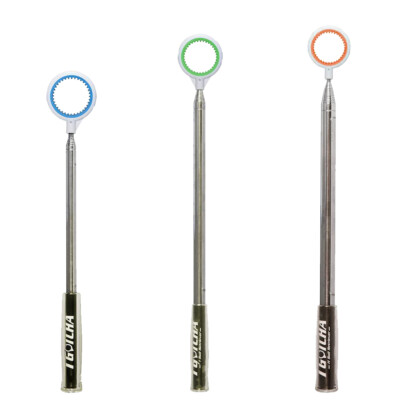
Telescopic retrievers extend in length. They reach far into water or bushes. You can adjust their length to fit the situation. Most are made of lightweight metal or carbon fiber. This makes them easy to handle without much weight. They often have a scoop or net at the end.
Collapsible Retrievers
Collapsible retrievers fold into a small size. They fit easily in golf bags or pockets. This type is very portable and convenient. They may not extend as far as telescopic ones. Still, they work well for close or medium distances. They save space and are quick to use.
Net Vs. Scoop Style
Net-style retrievers catch balls gently in a mesh net. This reduces the risk of losing balls. They work well in water or grass. Scoop-style retrievers use a solid cup to grab balls. They are simple and quick to use. Scoop styles are good for hard surfaces or shallow water.
Choosing between net and scoop depends on the terrain. Nets offer more security. Scoops provide faster retrieval. Both have their place on the course.
Choosing Based On Playing Environment
Choosing a golf ball retriever depends a lot on where you play most. Different places need different tools. Knowing your playing environment helps pick the right retriever. This makes finding your ball easier and faster.
Golf courses have many tricky spots. Water, rough areas, and sand traps cause problems. Each place needs special features in a retriever. Let’s see what works best in these environments.
Water Hazards
Water hazards are common on many golf courses. A retriever must float to avoid sinking. Look for models with foam or buoyant materials. A long, extendable pole helps reach far into water. Rust-resistant parts ensure the tool lasts long. A floating retriever saves time and effort.
Rough Terrain
Rough terrain has tall grass and uneven ground. A retriever here needs a strong, durable frame. Metal or thick plastic works well. The pole should be sturdy but light. A claw or scoop design helps grab balls from thick grass. Easy handling makes searching less tiring.
Sand Traps
Sand traps are tricky because balls sink in soft sand. A wide, flat scoop is best for digging gently. The retriever should not be too deep or heavy. A short, strong handle improves control. Picking a retriever with sand-friendly parts avoids damage. It helps find balls quickly without much effort.

Additional Features To Look For
Choosing a golf ball retriever means more than just picking a tool that works. Extra features make a big difference in how easy and useful the retriever is. These features affect your comfort, convenience, and how well the retriever fits your golf routine.
Ball Storage Options
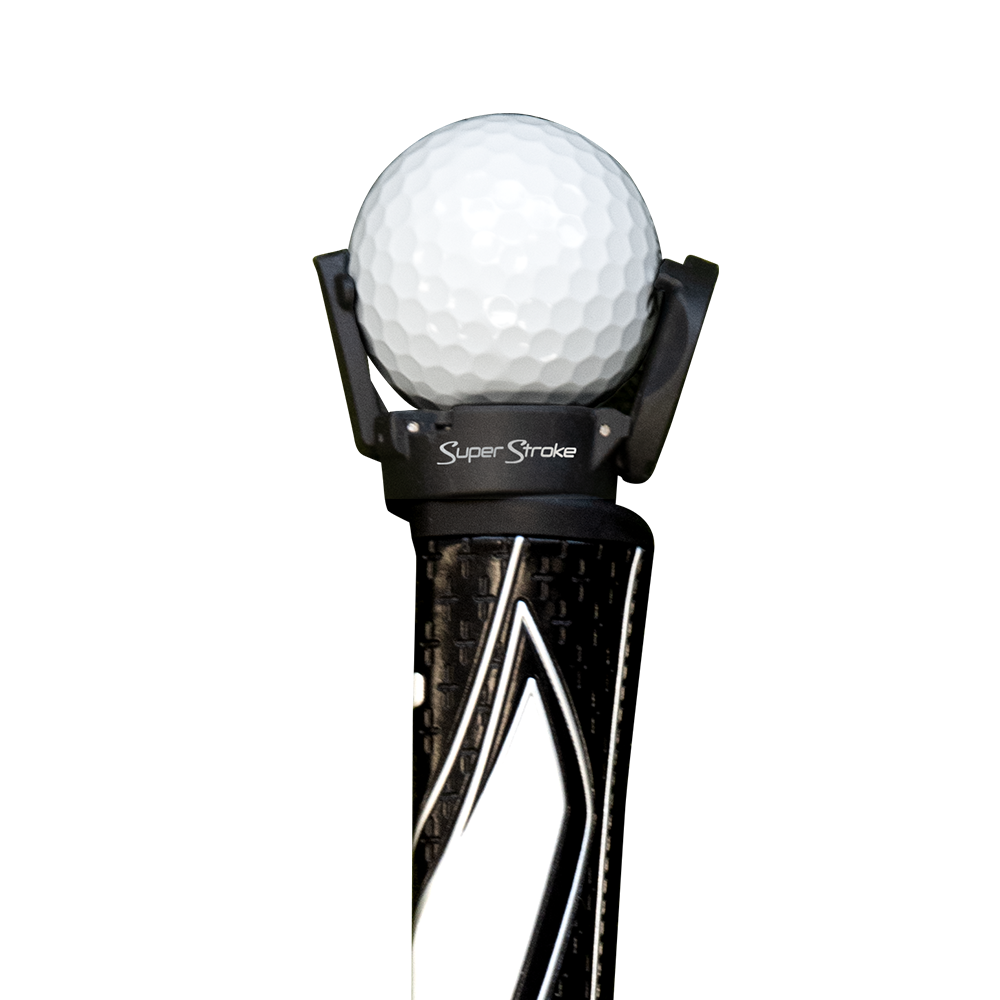
Some retrievers come with built-in storage for balls. This feature saves time by holding multiple balls during your game. It keeps balls secure and easy to access. Look for models with enough space for the number of balls you usually collect. Storage helps keep your hands free and your game moving smoothly.
Ease Of Use
Simple design means faster ball retrieval. Choose a retriever that opens and closes easily. Lightweight models reduce arm strain during long rounds. A comfortable grip helps control the retriever better. Easy-to-use retrievers make your game less frustrating and more fun.
Compatibility With Accessories
Some retrievers work with extra golf tools. Check if the retriever fits with your golf bag or cart. Some models attach to belts or bags for quick access. Others may come with adjustable handles or extendable poles. Accessory compatibility adds flexibility and convenience to your game.
Maintenance And Care Tips
Proper maintenance helps your golf ball retriever last longer. It keeps the tool working smoothly. Simple care steps prevent damage and save money.
Cleaning Your Retriever
Rinse your retriever after each use. Use fresh water to remove dirt and grass. Wipe it dry with a clean cloth. Avoid harsh chemicals that can harm the material. Clean moving parts gently to stop rust and jams.
Storage Recommendations
Store your retriever in a dry place. Avoid leaving it outside in rain or sun. Use a bag or box to protect it from dust. Keep it away from heavy items that could bend or break it. Proper storage keeps the retriever ready for your next game.
Repair And Replacement
Check the retriever regularly for cracks or loose parts. Tighten screws and bolts if needed. Replace worn-out parts to keep it strong. Small repairs can prevent bigger problems. If damaged beyond repair, choose a new retriever with good reviews.
Top Picks And Recommendations
Choosing the right golf ball retriever makes your game easier. It saves time and effort retrieving balls from water or rough areas. This section shows top picks to help you find the best retriever for your needs.
Best Budget Options
Affordable retrievers still offer good quality. They often have lightweight designs and extendable poles. These retrievers work well for casual players. Expect simple mechanisms and sturdy nets. Great for beginners or those who play occasionally.
Premium Retrievers
Premium retrievers come with extra features. They use strong materials like aluminum or carbon fiber. Some have longer reach and better grip handles. These models last longer and are easy to carry. Ideal for serious players who want reliable gear.
User Favorites
These retrievers have high ratings from many buyers. They combine good price, quality, and ease of use. Users praise their durability and smooth operation. Most have quick-release nets or telescoping poles. Perfect for players who want proven tools.
Frequently Asked Questions
What Factors To Consider When Choosing A Golf Ball Retriever?
Consider length, weight, material, and ease of use. A lightweight, extendable retriever made from durable material works best. Choose one that fits your budget and storage needs for convenience.
How Long Should A Golf Ball Retriever Be?
A golf ball retriever should extend between 8 to 16 feet. This length helps reach balls in water hazards or rough areas comfortably.
Are Telescoping Golf Ball Retrievers Better?
Yes, telescoping retrievers are versatile and compact. They extend easily to different lengths and collapse for easy storage and transport.
Can Golf Ball Retrievers Work In Water Hazards?
Yes, many retrievers are designed for water use. Look for corrosion-resistant materials and a secure ball holder for effective water retrieval.
Conclusion
Choosing the right golf ball retriever saves time and effort. Think about length, weight, and ease of use. A good retriever should be strong and easy to carry. Don’t forget to check how it stores your balls. Match the retriever to where you play most.
Simple features often work best on the course. Take your time picking one that fits your needs. Enjoy your game more with less hassle retrieving balls. A smart choice makes every round smoother.


