When it comes to golf, every detail matters—especially your shoes. If your golf shoes don’t fit right, they can throw off your balance, reduce your power, and make those long hours on the course uncomfortable.
But how exactly should golf shoes fit to boost your game? You might think it’s just about size, but there’s more to it than that. You’ll discover simple tips to find the perfect fit that keeps you steady, comfortable, and ready to sink every putt.
Keep reading to unlock the secret to better performance through the right golf shoe fit.

Importance Of Proper Fit
Proper fit in golf shoes plays a key role in your performance on the course. Shoes that fit well help you move freely and keep balance during your swing. They also protect your feet from pain and injury. Understanding the importance of fit can help you choose the right pair for better play.
Impact On Swing And Stability
A good fit keeps your feet stable throughout the swing. Loose shoes cause slipping, which disrupts your balance. Tight shoes restrict movement and reduce power in your swing. Properly fitted shoes allow smooth weight transfer and better control. Stability leads to more consistent shots and improved accuracy.
Preventing Injuries And Discomfort
Ill-fitting shoes cause blisters, calluses, and foot pain. Long rounds become uncomfortable and distract your focus. Shoes that fit well reduce pressure points and rubbing. They provide the right support to avoid foot fatigue. Protecting your feet helps you play longer and enjoy the game more.
Key Fit Factors To Consider
Choosing the right golf shoe fit is important for comfort and performance. Proper fit helps you walk the course easily and swing with stability. Several factors affect how well your golf shoes fit. Focus on length, width, heel, arch support, and toe space. Each part plays a role in your overall comfort and balance.
Understanding these key fit factors helps you select shoes that feel good and support your feet well. Let’s explore the main points to consider for the best golf shoe fit.
Length And Width Measurements
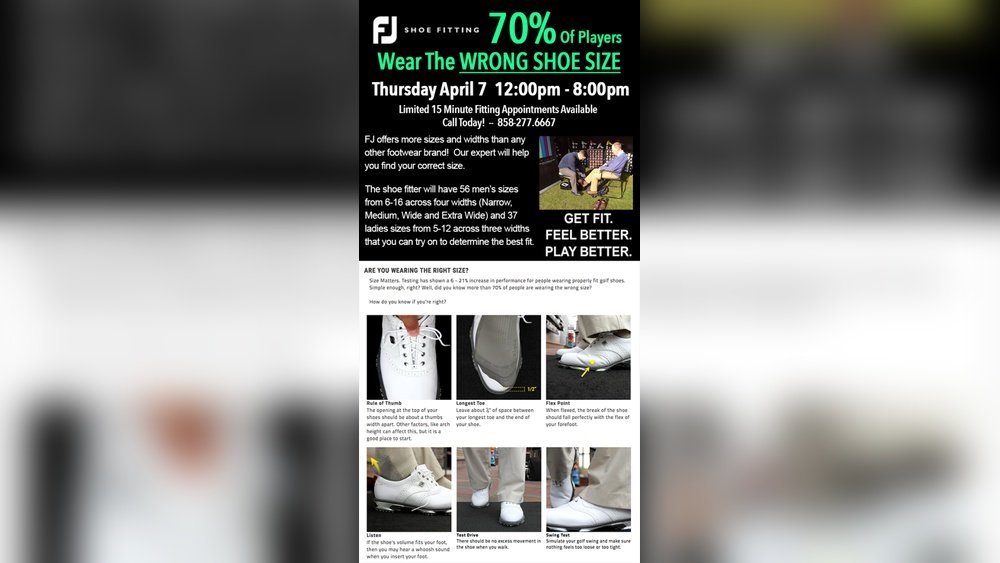
Length is the most basic fit factor. Your shoe should match your foot length closely. Shoes too long or short cause discomfort and blisters. Width matters as much as length. Narrow shoes pinch, while wide shoes cause slipping. Measure your feet in the afternoon when they are largest. Choose shoes that allow slight wiggle room, but avoid extra space inside.
Heel And Arch Support
The heel must fit snugly to prevent slipping during swings. A loose heel leads to instability and reduces control. Arch support keeps your foot stable and reduces fatigue. Golf shoes with good arch support improve balance and posture. Look for shoes designed to support your foot’s natural arch shape. This helps avoid pain and keeps you comfortable on the course.
Toe Box Space
The toe box is the front part of the shoe. It should have enough room for toes to move naturally. Tight toe boxes cause cramps and blisters. Too much space lets the foot slide and reduces control. A well-fitted toe box protects your toes during walking and swinging. Check that toes do not feel cramped or pressured inside the shoe.
Types Of Golf Shoe Fits
Golf shoes come in different fits to suit various foot shapes and playing styles. Choosing the right fit affects comfort and performance on the course. Understanding these types helps find the best pair for your feet.
Snug Vs. Loose Fit
A snug fit means the shoe holds your foot firmly. It prevents slipping and improves stability during swings. Too tight, though, can cause discomfort or blisters.
A loose fit offers more room but may reduce control. Your foot might slide inside the shoe. This can affect balance and power in your shots.
Most golfers prefer a fit that is snug but not tight. It balances comfort with support for better play.
Custom And Specialized Fits
Custom fits are made to match your exact foot shape. They provide the best comfort and support but cost more.
Specialized fits cater to specific needs like wide feet or high arches. Brands offer models designed for these conditions.
Choosing custom or specialized golf shoes can solve common fit problems. They help you stay comfortable longer on the course.

Testing Golf Shoe Fit
Testing golf shoe fit is key for comfort and performance on the course. Shoes must feel right before you buy. Trying them on and checking how they behave during movement helps find the best pair. Proper fit supports your feet and improves your swing.
Walking And Swinging In Shoes
Walk around the store or home in the shoes. Notice how they feel on different surfaces. Take some practice swings. This shows if the shoes stay stable and support your feet. Shoes should not slip or pinch during movement. The right fit allows natural foot motion.
Checking For Pressure Points
Press gently on all parts of your feet inside the shoes. Look for spots that feel too tight or painful. These pressure points can cause blisters or discomfort. Make sure there is enough space around your toes. Your feet should feel snug but not squeezed.
Tips For Breaking In Golf Shoes
Breaking in golf shoes is important for comfort and performance. New shoes can feel stiff and tight. Taking time to soften them helps avoid blisters and pain. This process lets the shoes mold to your feet. A good break-in can improve your swing and stability on the course.
Start slowly and be patient. Gradual use gives the shoes time to adjust. Using socks and insoles can also make a big difference. These simple steps help you enjoy your golf rounds without discomfort.
Gradual Wear Techniques
Wear your new golf shoes for short periods at first. Try walking around the house or yard. Avoid long sessions on the course right away. Increase wear time each day. This approach reduces pressure on your feet. It helps the shoes soften naturally.
Use gentle movements to stretch the material. Bending and flexing the shoes with your hands can ease stiffness. Let the shoes rest overnight to keep their shape. Repeat this process until the shoes feel comfortable.
Using Socks And Insoles
Wear thick socks when breaking in your golf shoes. They add extra cushioning and reduce friction. Thick socks protect your feet from rubbing. You can switch to thinner socks as the shoes loosen up.
Consider adding soft insoles for more comfort. Insoles support your arches and reduce pressure points. They also help shoes fit better if they feel loose. Replace insoles if they wear out to keep good support.
Common Fit Mistakes To Avoid
Choosing the right golf shoes is key to better play and comfort. Many make simple mistakes that cause pain and poor performance. Avoiding common fit errors helps keep feet happy and steady during swings. Below are two fit mistakes to watch out for.
Ignoring Foot Swelling
Feet swell during the day and after walking. Shoes that fit well in the morning may feel tight by afternoon. A tight fit cuts off circulation and causes discomfort. Always try on golf shoes later in the day. Leave space for natural foot expansion. This prevents blisters and soreness on the course.
Choosing Style Over Comfort
Some pick golf shoes because they look good. Style alone does not keep feet safe or stable. Shoes must support your feet and grip the ground firmly. Uncomfortable shoes distract from your game and cause pain. Prioritize fit and comfort over fashion for better results.
Frequently Asked Questions
How Tight Should Golf Shoes Fit For Comfort?
Golf shoes should fit snugly without pinching. They must provide secure support while allowing slight toe movement. Proper fit prevents blisters and foot fatigue during long rounds. Always try shoes on with golf socks to ensure accurate sizing and comfort.
Can Golf Shoes Be Too Loose For Performance?
Yes, loose golf shoes reduce stability and cause foot slipping. This affects balance and swing accuracy. A proper fit ensures your foot stays firmly in place, improving traction and overall performance on the course.
Why Is Heel Fit Important In Golf Shoes?
A secure heel fit prevents foot movement inside the shoe. This reduces blisters and enhances stability during swings. Proper heel fit ensures comfort and maintains your balance throughout the game.
Should Golf Shoes Allow Toe Wiggle Space?
Yes, a small toe wiggle space prevents discomfort and improves circulation. It helps accommodate foot expansion during walking. However, excessive space can reduce control, so balance is key for optimal performance.
Conclusion
Finding the right golf shoe fit improves comfort and performance on the course. Shoes should feel snug but not tight. Your feet need support without pressure points. Good fit helps balance and walking ease. Remember to try shoes with golf socks.
Walk around to check comfort before buying. Proper fit reduces foot pain and fatigue. Choose shoes that match your foot shape well. A well-fitted shoe helps you focus on your swing. Play better by wearing shoes that fit just right.