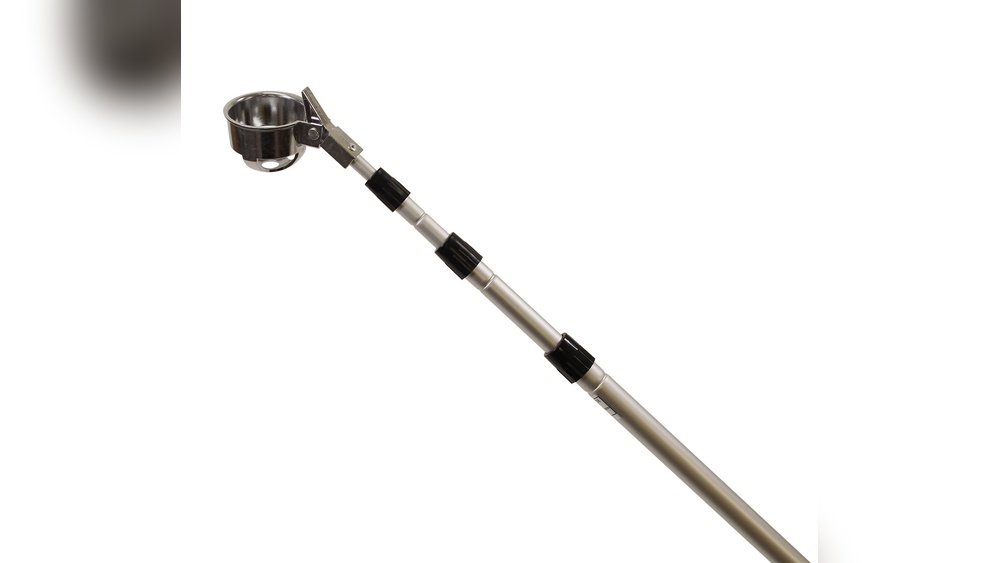
Have you ever lost a golf ball in a tricky spot and wished you had a tool to grab it without getting wet or dirty? That’s where a golf ball retriever comes in handy.
But how long should your golf ball retriever be to make your game easier and save you time? Choosing the right length can make all the difference between a quick recovery and a frustrating hunt. You’ll discover exactly what length works best for different situations, helping you play smarter and enjoy your time on the course.
Keep reading to find the perfect fit for your game!
Choosing The Right Retriever Length
Picking the right length for a golf ball retriever is important. The retriever should be long enough to reach lost balls but not too long to carry around. The right size helps save time and effort on the course.
Different golfers have different needs. Some play on courses with many water hazards or bushes. Others play on open fields where shorter retrievers work well. Knowing the right length helps find a retriever that fits your style.
Factors Influencing Retriever Length
Where you play affects the retriever length you need. Courses with water or rough areas need longer retrievers. Shorter retrievers work well on open and flat courses. Your height also matters. Taller players might want longer retrievers for comfort.
How often you lose balls in hard-to-reach places also plays a role. If you rarely need a retriever, a shorter one may be enough. For frequent use, a longer, stronger retriever is better.
Common Retriever Lengths Available
Golf ball retrievers usually come in lengths from 7 to 16 feet. Short retrievers, around 7-9 feet, are light and easy to carry. Medium retrievers, 10-12 feet long, suit most players and courses. Long retrievers, 13-16 feet, reach far but can be heavier.
Many retrievers are extendable. This means you can adjust the length as needed. This feature offers flexibility on different courses and situations. Choose a retriever length that feels comfortable to use and carry.
Matching Retriever Length To Your Needs
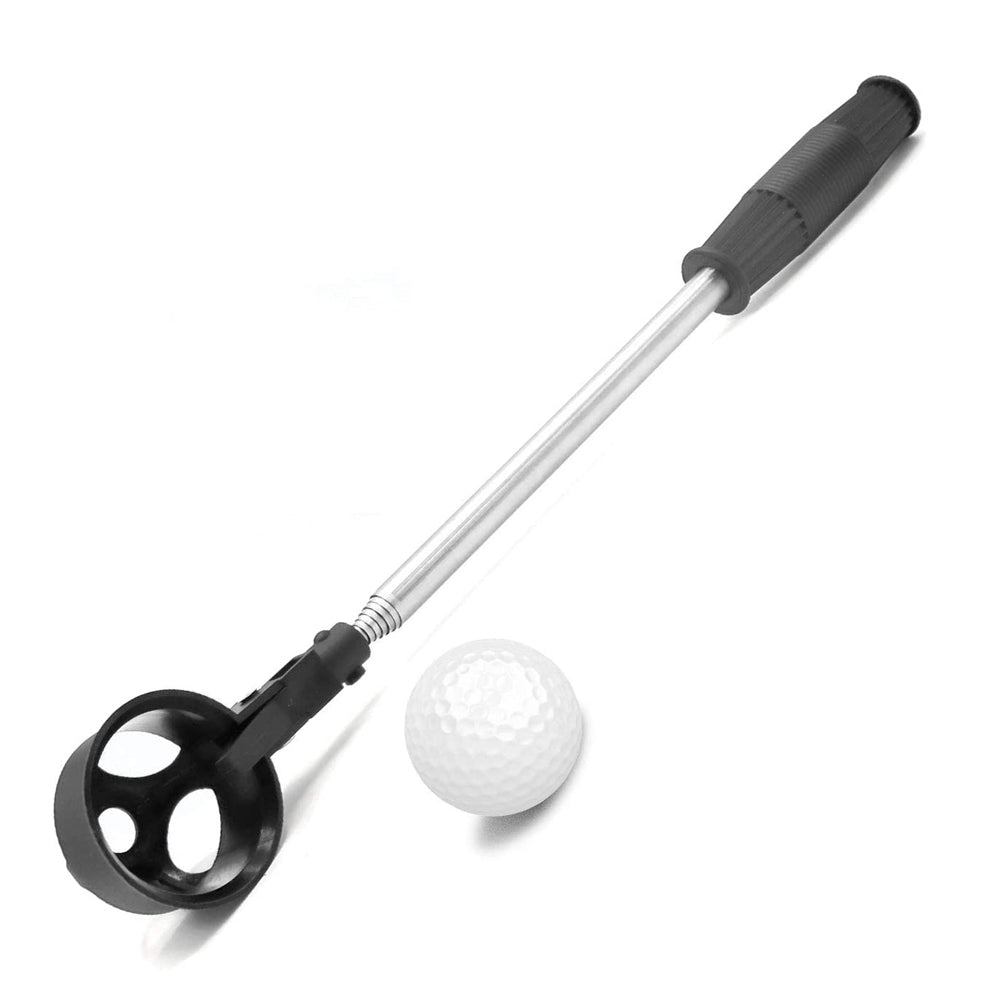
Choosing the right length for your golf ball retriever depends on where you usually lose your balls. Different situations need different retriever lengths. The key is to match the retriever to your typical golfing environment. This helps you save time and effort during your game. A retriever too short might not reach the ball. One too long could be hard to carry and use. Consider where you often find your lost balls. Pools, bushes, or short grass areas all need different tools.
Short Retrievers For Close Range
Short retrievers work best for balls near the edge of water or in shallow rough. They are easy to carry and quick to use. These retrievers usually extend up to 4 or 6 feet. They help you grab balls in small ponds or near bushes. Their compact size fits easily in your golf bag. Using a short retriever keeps your game moving fast.
Long Retrievers For Deep Water And Hard-to-reach Spots
Long retrievers reach balls far from the shore or deep in water hazards. These can extend 10 feet or more. They work well for balls stuck in deep ponds or behind thick bushes. Longer retrievers give you the extra reach without stepping into trouble. They often have a sturdy frame to handle tough spots. Using a long retriever means fewer lost balls and less walking.
Portability And Storage Considerations
Portability and storage play a big role in choosing the right golf ball retriever. Golfers want tools that are easy to carry and store without hassle. The retriever’s size and design affect how convenient it is on the course. Small, light retrievers fit better in golf bags and do not weigh players down. Bulky retrievers can be hard to handle and store.
Retractable Vs Fixed Length Retrievers
Retractable retrievers collapse into a small size for easy storage. They extend only when needed. This saves space in your golf bag. Fixed length retrievers do not fold or collapse. They keep their full size all the time. This can make them harder to carry and store. Retractable types often weigh less and fit in bag pockets. Fixed length retrievers may offer more strength but can be bulky.
Ease Of Carrying On The Course
Golfers prefer retrievers that feel light and balanced. A heavy retriever may tire your arm after many uses. Retrievers with comfortable handles and smooth grips improve carrying ease. Retractable models are easier to manage while walking the course. Fixed length retrievers might need extra bag space or separate carrying cases. Choose a retriever that fits your style and course needs. Portability makes retrieving lost balls simple and stress-free.

Materials And Durability
Choosing the right material affects a golf ball retriever’s durability and ease of use. Materials determine the retriever’s weight, strength, and how long it lasts. Some materials handle wear and tear better, while others keep the retriever light. Understanding these differences helps in picking the right length and type for your needs.
Lightweight Vs Heavy-duty Options
Lightweight retrievers use materials like aluminum or plastic. They are easier to carry and move quickly. These retrievers suit short to medium lengths. Heavy-duty retrievers often use steel or strong alloys. They stand up well to rough conditions and heavy use. Heavy materials add weight but increase durability. Choose lightweight for comfort and short reach. Pick heavy-duty for strength and longer reach.
Impact Of Material On Retriever Length Choices
Longer retrievers need stronger materials to avoid bending. Aluminum works well for medium lengths but can bend if too long. Steel supports longer lengths without bending or breaking. Plastic is best for very short retrievers due to low strength. The material’s strength limits how long the retriever can be. Strong materials allow longer lengths without extra weight. Weak materials require shorter retrievers to stay sturdy.
Tips For Using A Golf Ball Retriever Effectively
Using a golf ball retriever can save time and keep your game smooth. Knowing how to use it well makes retrieving balls easier and safer. Simple steps help you get the most from your tool.
Techniques For Retrieving Balls Safely
Always check the area around the ball before reaching. Avoid leaning too far over water or bushes. Use slow, steady movements to prevent slipping or falling. Extend the retriever fully before trying to grab the ball. Keep your balance by standing on stable ground. Watch for sharp objects or insects near the ball.
Maintaining Your Retriever For Longevity
Rinse the retriever with fresh water after use, especially after water retrieval. Dry it completely to stop rust or mold. Check the joints and locks for tightness regularly. Store it in a dry place away from direct sunlight. Repair or replace damaged parts immediately to avoid bigger problems. Clean the ball holder to keep it working well.

Frequently Asked Questions
What Is The Ideal Length For A Golf Ball Retriever?
The ideal golf ball retriever length is between 7 to 12 feet. This range balances reach and portability. It helps retrieve balls from water, bushes, or sand traps efficiently without being cumbersome.
How Does Retriever Length Affect Usability?
Longer retrievers reach distant balls but can be heavy and less stable. Shorter ones are easier to handle but have limited reach. Choosing the right length depends on your typical playing conditions and personal comfort.
Can I Adjust The Length Of A Golf Ball Retriever?
Yes, many golf ball retrievers are telescopic. They extend and collapse for easy storage and varied reach. Adjustable retrievers offer flexibility for different course challenges and convenient carrying.
Does Retriever Length Impact Golf Bag Space?
Longer retrievers take up more space in your golf bag. Telescopic models save space by collapsing. Consider your bag size and transport needs when choosing retriever length.
Conclusion
Choosing the right length for a golf ball retriever makes retrieval easier. Too short, and you might miss balls in deep water or bushes. Too long, and it becomes heavy and hard to handle. A retriever between 8 and 12 feet works well for most players.
It helps reach far without tiring your arms. Think about where you usually lose balls. Pick a length that fits your needs. This way, you save time and keep playing smoothly. Simple and practical—that’s the best approach.


