Have you ever wondered how fast you should swing the club to improve your golf game? Finding the right speed isn’t just about power—it’s about control, accuracy, and consistency.
Swing too fast, and you might lose your rhythm; swing too slow, and you won’t get the distance you want. You’ll discover the secrets to mastering your swing speed, helping you hit the ball farther and straighter. Keep reading to unlock tips that can transform your game and boost your confidence on the course.

Ideal Swing Speed
Finding the ideal swing speed is key for better golf shots. Swing speed affects how far and how straight the ball flies. Every golfer has a different ideal speed based on their body and skill. Knowing this helps improve consistency and power without losing control.
Factors Influencing Swing Speed
Body strength plays a big role in swing speed. Stronger muscles create faster swings. Flexibility also matters; more flexible players can swing faster. Technique affects speed too. A smooth, well-timed swing beats a fast but wild one. Equipment, like the type of club, changes how fast you swing. Age and fitness level also influence your speed.
Average Swing Speeds By Skill Level
Beginners usually swing between 60 and 80 mph with a driver. Intermediate golfers reach speeds from 80 to 95 mph. Advanced players often swing above 95 mph. Professionals can exceed 110 mph. These numbers vary but give a good idea. Focus on steady improvement rather than matching pros.
Swing Speed Vs Distance
Faster swings generally send the ball farther. Every 1 mph increase can add 2 to 3 yards. But speed is not everything. Control and contact quality also affect distance. A slower, well-hit shot can go farther than a fast, mishit one. Balance speed and accuracy for the best results.
Finding Your Optimal Speed
Finding your optimal swing speed is key to better golf shots. It is not about swinging as fast as possible. The right speed depends on your body and skill. Swinging too fast can cause poor contact. Too slow can reduce distance. Knowing your ideal speed helps you play smarter and enjoy the game more.
Body Mechanics And Timing
Good body mechanics create smooth and powerful swings. Your hips, arms, and shoulders must work together. Timing is important. The club should reach the ball at the right moment. Practice helps your body learn the best rhythm. This rhythm controls your swing speed naturally.
Role Of Flexibility And Strength
Flexibility lets you turn your body fully during the swing. Strong muscles help control the club. Both flexibility and strength affect your swing speed. Stretch and exercise to improve these areas. This will help you swing faster without losing control.
Using Technology To Measure Speed
Technology can show your exact swing speed. Devices like launch monitors and swing analyzers are popular. They give clear numbers and feedback. Use this data to find and keep your best speed. Technology helps you train smarter, not harder.
Improving Swing Speed Safely
Improving your swing speed helps you hit the ball farther and more accurately. Doing this safely keeps your body healthy and avoids pain. Focus on exercises and drills that build strength and flexibility. Pay attention to your body’s signals to prevent injuries.
Warm-up Exercises
Start with light stretching to loosen your muscles. Swing your arms gently to prepare your shoulders. Use a golf club to make slow practice swings. This helps your body get ready for faster movements.
Drills To Increase Speed
Practice swinging with a weighted club to build power. Try swinging faster but with good control. Use a training aid to improve your wrist snap. Repeat these drills regularly to see steady progress.
Avoiding Common Injuries
Do not push yourself too hard too fast. Take breaks if you feel pain or tightness. Keep your muscles strong and flexible to reduce strain. Use proper technique to protect your back and wrists.

Balancing Speed And Control
Finding the right balance between speed and control is key to a good golf swing. Swinging too fast can cause mistakes. Swinging too slow might reduce power. The goal is to swing with enough speed to hit the ball well while keeping control over your movements. This balance helps you hit accurate and strong shots every time.
Understanding when speed helps and when it hurts can improve your game. Practicing techniques that promote consistency will keep your swings steady. Also, keeping your mind focused helps maintain a smooth rhythm during your swing.
When Faster Isn’t Better
Speed alone does not guarantee better shots. Swinging too fast can lead to loss of control. The club may hit the ball off-center. This causes slices or hooks. Swinging too fast can also affect your balance. This reduces the chance of a clean hit. Slow down to improve accuracy and control.
Techniques For Consistency
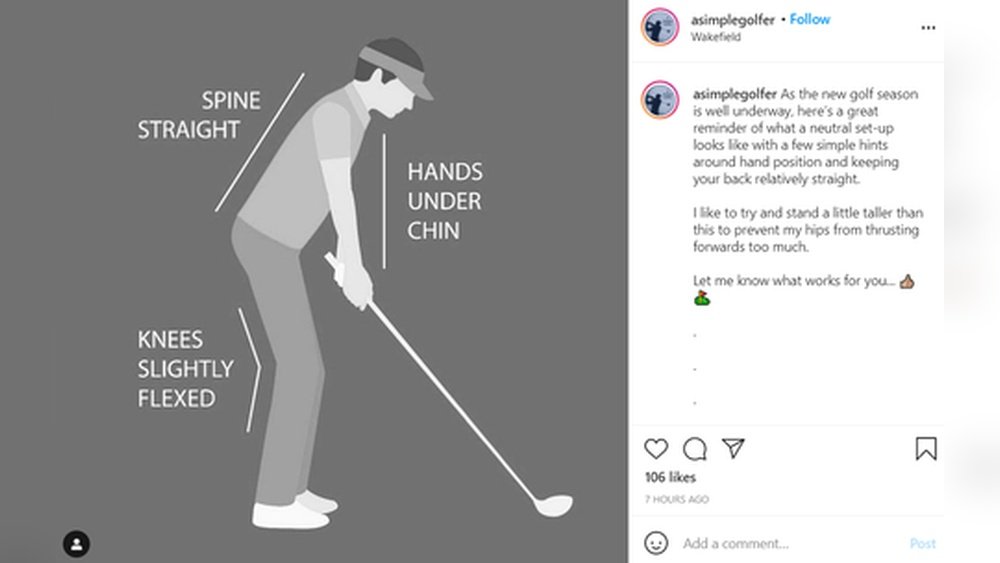
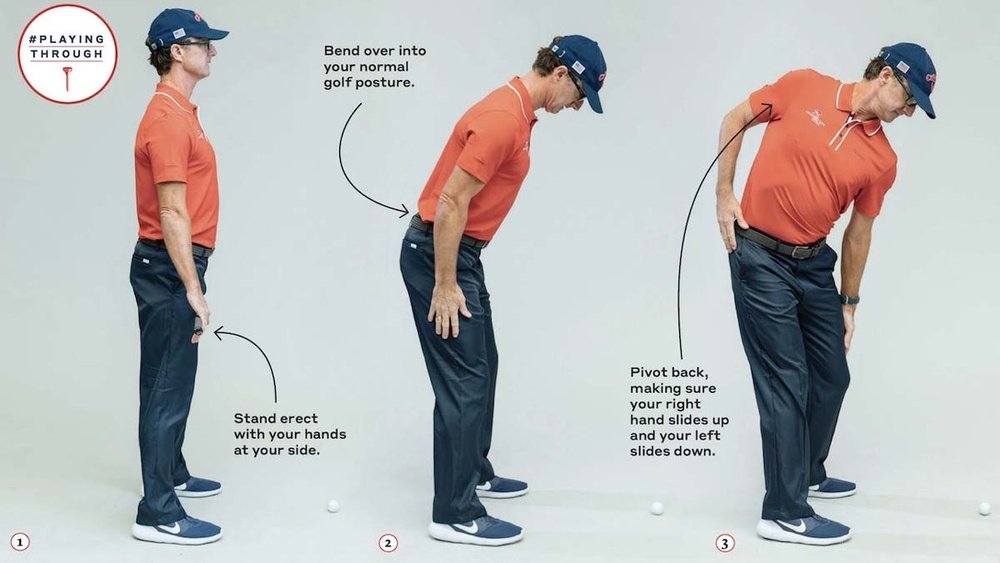
Practice a smooth, steady swing motion. Use a tempo that feels natural. Keep your grip firm but relaxed. Focus on a full follow-through after impact. Work on your stance and posture for balance. Regular practice builds muscle memory. This helps keep your swing consistent.
Mental Focus And Rhythm
Stay calm and clear your mind before swinging. Focus on the ball and your swing path. Use a simple counting rhythm to time your swing. This keeps your motion steady and controlled. Avoid rushing or overthinking the swing. A relaxed mind leads to better control and speed balance.
Equipment And Swing Speed
Understanding the link between your equipment and swing speed is key to better golf. Your clubs must match how fast you swing. This match helps you hit the ball farther and straighter. The right equipment makes your swing easier and more effective.
Choosing The Right Club
Each golf club suits a different swing speed. Slower swings need clubs designed for more help and distance. Faster swings require clubs with less loft and more control. Picking the right club can change your shot accuracy and distance. Test different clubs to find the best fit for your swing speed.
Impact Of Shaft Flexibility
The shaft’s flexibility affects your swing and ball flight. A stiffer shaft suits faster swings and helps control. A more flexible shaft helps slower swings get extra power. Using the wrong shaft can cause poor shots and less distance. Match shaft flex to your swing speed for better results.
Custom Fitting Benefits
Custom fitting adjusts clubs to your unique swing. Experts measure your swing speed, angle, and style. They select clubs with the right length, flex, and weight. Custom clubs improve your comfort and performance. This fitting helps you hit the ball more consistently and with confidence.

Frequently Asked Questions
How Fast Should I Swing A Golf Club?
Swing speed varies by skill and strength but averages 85-105 mph for men. Focus on control and consistency over speed for better accuracy and distance.
Does Faster Club Speed Improve Golf Distance?
Yes, faster swing speed generally increases ball distance. However, proper technique and contact are crucial to maximize distance effectively.
How Can I Increase My Club Swing Speed?
Improve swing speed by strengthening core muscles, practicing regularly, and using proper swing mechanics. Flexibility and fitness also play key roles.
What Is The Ideal Swing Speed For Beginners?
Beginners typically swing between 60-80 mph. Focus on learning form and control before increasing speed for better overall performance.
Conclusion
Finding the right club swing speed takes practice and patience. Swinging too fast can cause loss of control and accuracy. Swinging too slow may reduce distance and power. Focus on a smooth, steady rhythm that feels natural. Listen to your body and adjust as you play.
Remember, consistency beats speed every time. Keep practicing, and your swing speed will improve with time. Enjoy the process and have fun on the course!