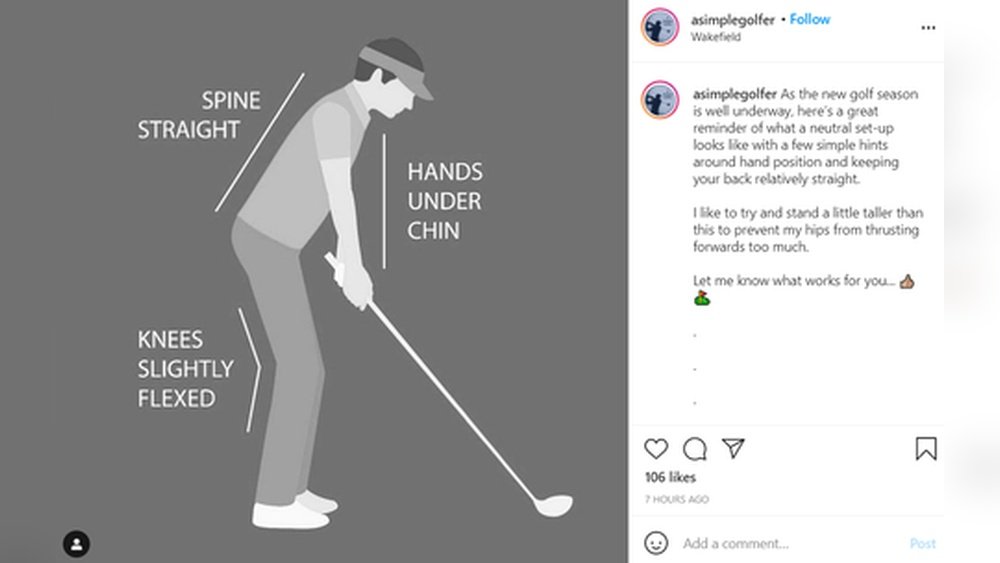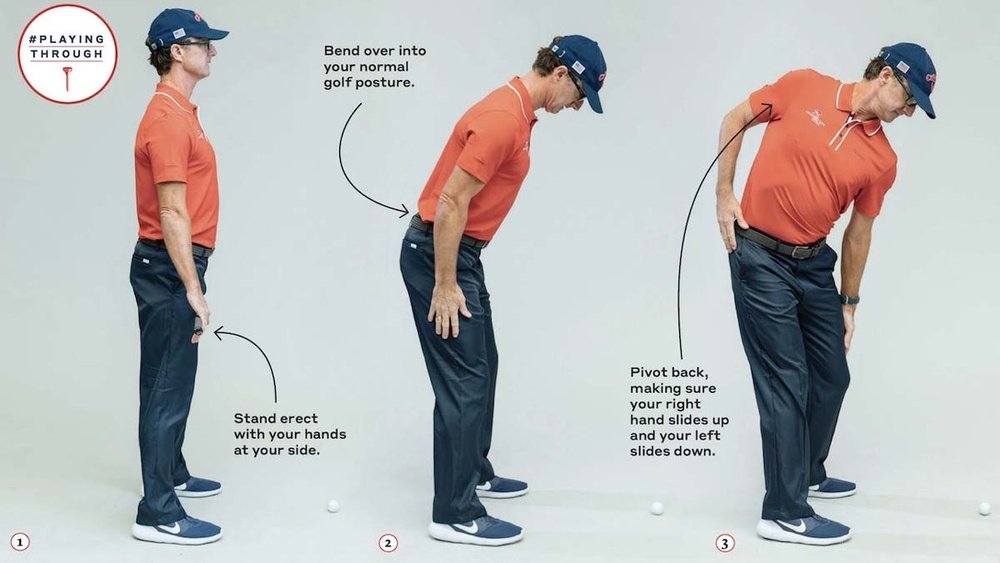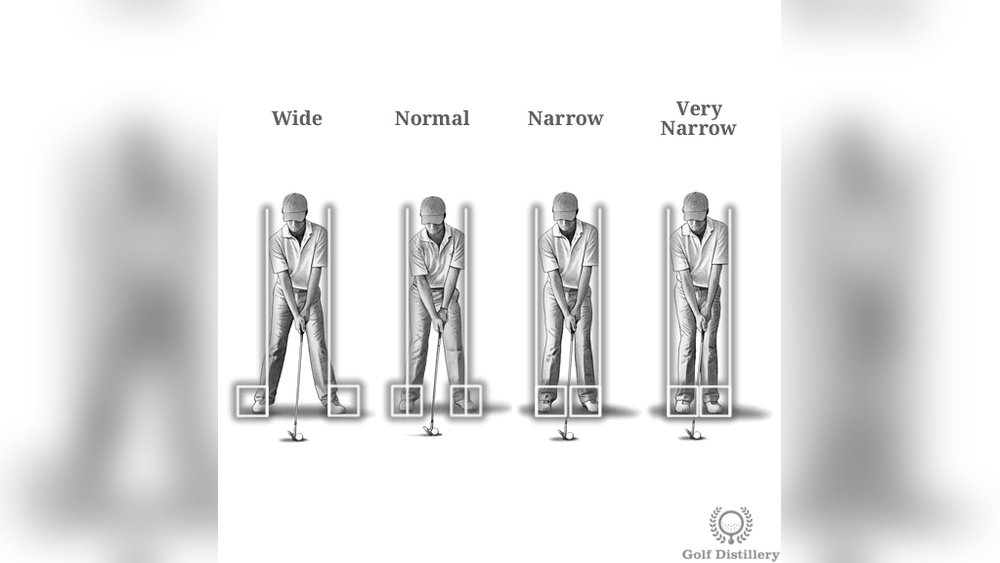
Are you struggling to find the perfect stance in your golf swing? One simple adjustment could transform your game: the distance between your feet.
Getting your feet too close or too far apart can throw off your balance, power, and accuracy. But how far apart should your feet really be? You’ll discover the ideal foot placement that can help you swing more smoothly and hit the ball farther.
Keep reading, and unlock the secret to a stronger, more consistent golf swing.

Ideal Foot Placement
Ideal foot placement in a golf swing is key to balance and power. Your feet set the base for your entire motion. The right distance helps you stay stable and swing freely. Too wide or too narrow can hurt your control and distance. Finding the perfect stance width makes every shot feel smoother and more natural.
Stance Width Basics
Your stance width means the space between your feet. A good starting point is shoulder-width apart. This width offers balance and lets you rotate your hips. It helps maintain control while allowing a full swing. Feet too close can cause instability. Feet too wide can limit your swing range.
Adjusting For Club Type
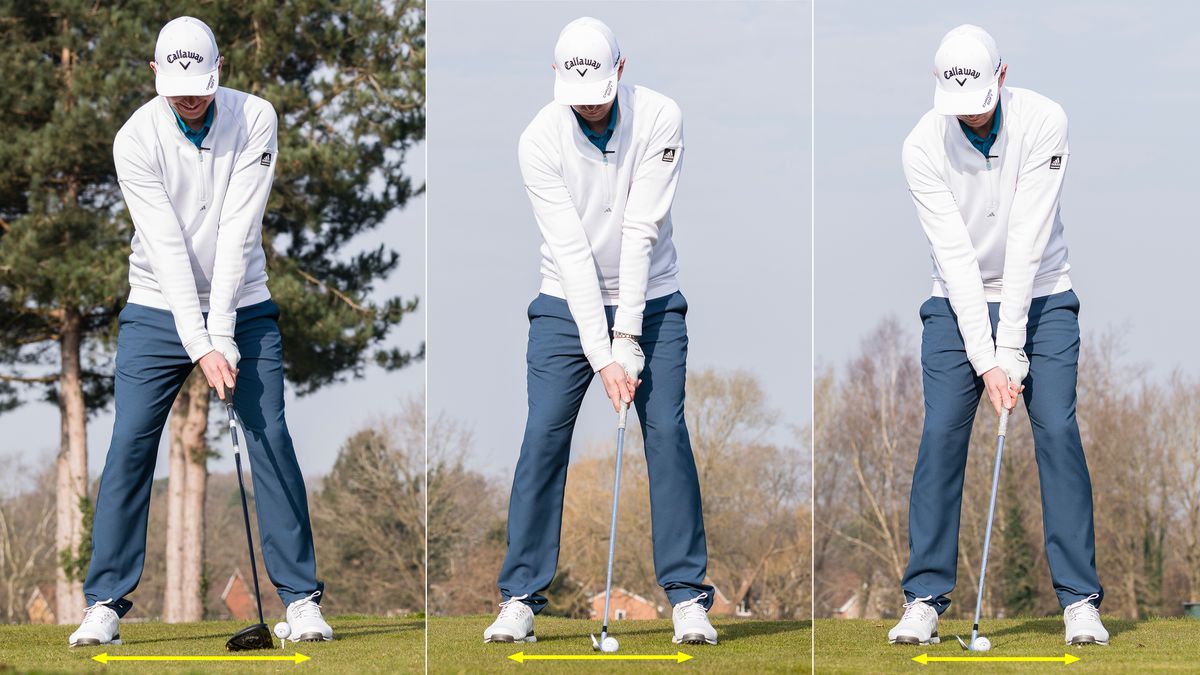
Different clubs need different stances. For shorter clubs, like wedges, keep your feet closer. This gives more control for precision shots. For longer clubs, like drivers, spread your feet wider. A wider stance adds stability and power. Adjust your feet to match the club and shot type.
Personal Height And Build
Your body size changes your ideal stance width. Taller players often need a slightly wider stance. This helps keep balance during a full swing. Shorter players benefit from a narrower stance. Your build affects how you shift weight and rotate. Test different widths to find what feels best for you.
Stance Variations
Stance variations affect your golf swing in many ways. Your feet position changes your balance, power, and shot direction. Small changes in your stance help you adapt to different shots and conditions. Understanding how to adjust your stance improves your overall swing.
Narrow Vs Wide Stance
A narrow stance means your feet are closer together. It helps with control and quick swings. This stance is good for shorter shots and irons. A wide stance gives more stability and power. It suits long shots like drives. Choose a stance based on the type of shot you want.
Open And Closed Stances
An open stance has your front foot pulled back from the target line. This helps you hit fades and slices. A closed stance means your front foot is closer to the target line. It supports draws and hooks. Changing your stance angle changes the ball’s flight path.
Effect On Balance And Power
Your stance affects your balance during the swing. A wider stance gives better stability but may limit rotation. A narrower stance allows more rotation but less balance. Balance is key for consistent shots. Power comes from a mix of balance and body rotation.
Foot Position Tips
Foot position plays a key role in a solid golf swing. It affects balance, power, and direction. Small changes can make a big difference. Here are simple tips to help you place your feet right for better swings.
Toe Alignment
Point your toes slightly outward, about 10 to 15 degrees. This stance helps your hips turn more freely. Keep both feet aligned with the target line. Avoid pointing toes too far out or straight ahead. Proper toe alignment aids your balance and swing path.
Weight Distribution
Distribute your weight evenly between both feet. Keep most weight on the balls of your feet, not the heels. This position allows quick weight shift during your swing. Avoid leaning too much forward or backward. Balanced weight helps maintain control and power.
Ground Contact
Plant your feet firmly on the ground. Stable ground contact gives better support and steadiness. Avoid lifting your heels or toes during the swing. Strong contact helps transfer energy from your body to the club. Feel solid and connected to the ground.

Common Mistakes To Avoid
Choosing the right distance between your feet is key to a strong golf swing. Many players make simple errors that affect their balance and power. Avoid these common mistakes to improve your stance and swing.
Too Narrow Or Too Wide
Placing your feet too close limits your balance. It reduces your ability to turn properly during the swing. On the other hand, feet set too wide restrict your movement. It can cause tension and reduce swing speed. Find a middle ground for better control and power.
Uneven Weight Shift
Weight should move smoothly from one foot to the other. Some golfers keep weight mostly on the back foot. Others lean too much forward. Both hurt your swing flow and accuracy. Practice shifting weight evenly to keep balance and hit consistently.
Ignoring Comfort And Stability
Your stance must feel natural and steady. A stance that feels uncomfortable leads to poor swings. It also causes tension in your body. Adjust your feet to a position that feels both stable and relaxed. This helps you swing freely and with confidence.
Practice Drills For Stance
Practicing the right stance is key to a better golf swing. It helps with balance and power. Simple drills can improve your foot positioning. These exercises teach you how far apart your feet should be. Practice builds muscle memory and confidence. Focus on stance before swinging your club.
Measuring Your Stance
Stand with your feet shoulder-width apart. Use a tape measure or a ruler to check. For most shots, feet should be about 12 to 16 inches apart. Adjust the distance based on your height and comfort. Mark your stance with chalk or tape on the ground. Repeat this until you feel steady and balanced.
Using Alignment Aids
Place alignment sticks or clubs on the ground. Position one along your target line. Put another stick between your feet to guide spacing. These aids help keep your feet parallel to the target. They also show if your stance is too narrow or wide. Use them often during practice sessions.
Feedback Techniques
Record your stance using a phone or camera. Watch the video to see your foot placement. Ask a coach or friend to check your stance. Use mirrors to view your position in real-time. Pay attention to balance and weight distribution. Make small adjustments and practice again.
Frequently Asked Questions
How Wide Should My Feet Be For A Golf Swing?
Your feet should be shoulder-width apart for a balanced golf swing. This stance provides stability and allows smooth weight transfer, improving control and power in your swing.
Does Foot Spacing Change With Different Golf Clubs?
Yes, wider stance suits longer clubs like drivers. Shorter clubs require a narrower stance for better accuracy and control during your swing.
How Does Foot Position Affect My Golf Swing Balance?
Proper foot spacing ensures good balance and weight distribution. This helps maintain posture, prevent swaying, and generate consistent, powerful swings.
Should My Feet Be Parallel Or Angled During A Golf Swing?
Feet should be slightly angled outward for better stability. This positioning promotes proper hip rotation and helps maintain balance throughout the swing.
Conclusion
Finding the right foot distance improves your golf swing balance and power. A stance too wide or narrow can hurt your swing control. Test different foot positions to see what feels best. Keep your feet steady but comfortable during each swing.
Small changes make a big difference over time. Practice often with the proper stance to build confidence. Remember, a good foot placement helps you swing smoothly and hit better shots. Keep it simple and adjust as you learn. Your feet set the foundation for every golf shot.