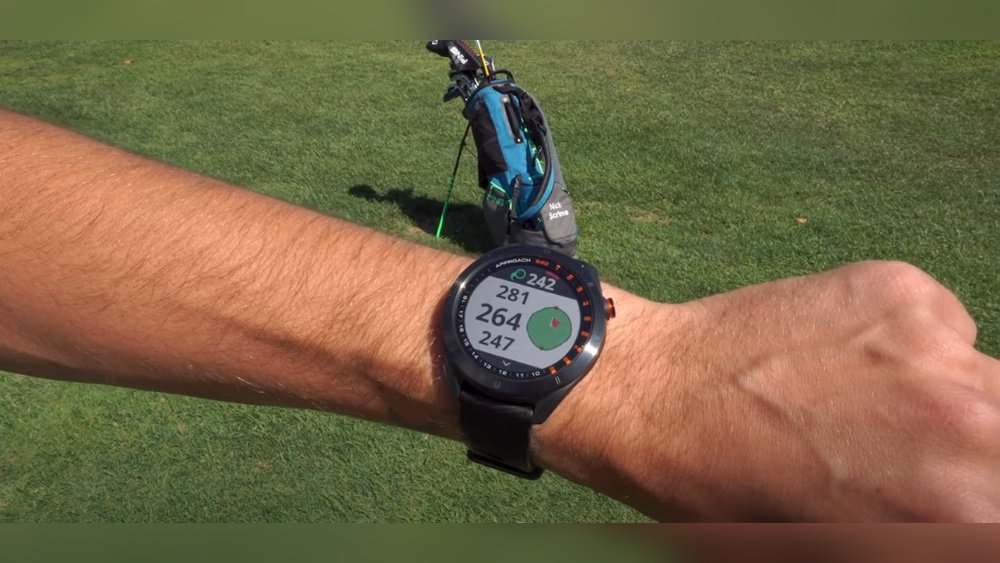
Have you ever wondered how a GPS golf watch can change the way you play? Imagine having precise distances to the green, hazards, and fairways right on your wrist.
This little device can give you the edge you need to lower your scores and make smarter shots. But how exactly does it work? You’ll discover the simple technology behind GPS golf watches and why they’ve become a must-have for golfers of all levels.
Keep reading to unlock the secret to improving your game with just a glance at your watch.

Basics Of Gps Golf Watches
GPS golf watches help golfers know their exact position on the course. They provide distances to the green, hazards, and other key points. These watches make it easier to plan shots and improve play. Understanding how they work shows why they are useful tools.
Core Components
A GPS golf watch has several main parts. First, a GPS receiver picks up satellite signals. Then, a processor calculates your location. The display shows distances and course data. A battery powers the watch during play. Some models also include sensors for steps and heart rate.
How Gps Technology Functions
Satellites orbit Earth and send signals to the watch. The watch receives signals from at least four satellites. It uses these signals to find your position through triangulation. This method calculates distance from each satellite. The watch updates your location every second or so. This helps give real-time distance measurements on the course.
Integration With Golf Course Maps
Golf course maps are stored inside the watch’s memory. These maps show holes, fairways, hazards, and greens. The watch matches your GPS location with the map data. It then shows how far you are from different spots on the course. This helps you choose the right club and shot. The maps cover thousands of courses worldwide.
Tracking Your Position On The Course
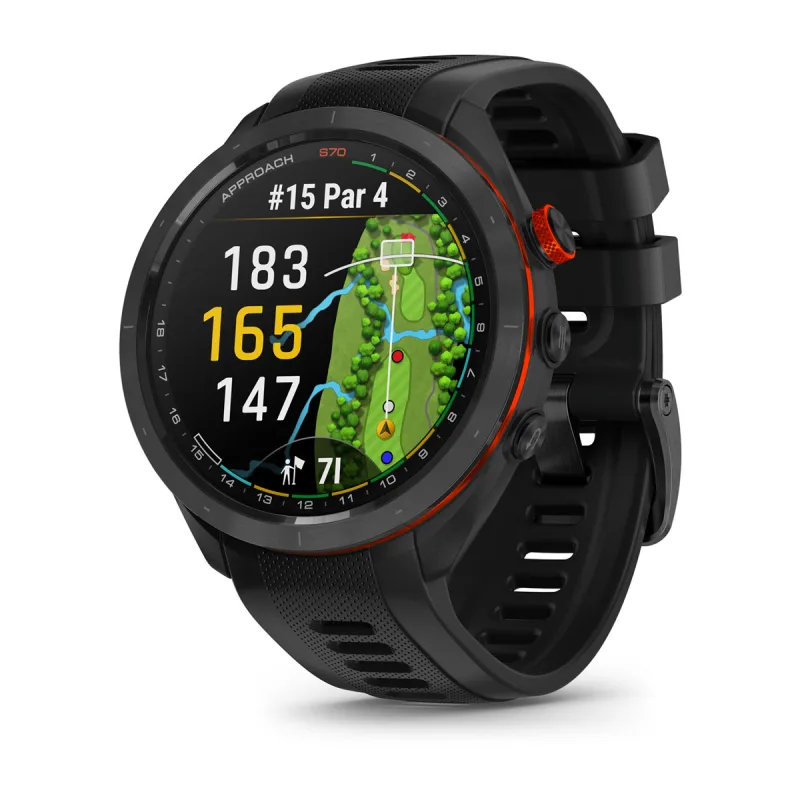
Tracking your position on the golf course is a key feature of a GPS golf watch. It helps you know exactly where you stand at any point during your game. This tracking allows you to plan your shots better and avoid hazards. Understanding how this works can improve your experience on the course.
Satellite Signal Reception
The watch connects to multiple GPS satellites orbiting the Earth. These satellites send signals to the watch. The watch uses these signals to determine your exact location. Strong satellite signals mean better position tracking. Trees, buildings, or bad weather can weaken these signals.
Real-time Location Updates
The golf watch updates your position every few seconds. This constant update shows your movement on the course. It helps you see distances to the green and hazards in real time. Quick updates allow you to make faster decisions. The watch shows your location clearly on the course map.
Accuracy Factors
Several factors affect the watch’s accuracy. Open skies improve signal strength and location precision. Dense trees or tall buildings may cause errors. The watch’s quality and software also play a role. Regular software updates keep the watch accurate. Battery life can affect performance, so keep it charged.
Measuring Distances Accurately
Measuring distances accurately is key for every golfer. A GPS golf watch helps players know exact yardages on the course. It uses satellite signals to find your location and calculates distances to various points. This accuracy helps players choose the right club and improve their shots.
Calculating Yardages
The watch receives signals from GPS satellites to find your position. It compares your location with the golf course map stored inside. The watch then shows the distance to the front, middle, and back of the green. This helps golfers decide how far they need to hit the ball.
Pinpointing Hazards And Targets
GPS golf watches also mark hazards like bunkers and water. They show the distance to these dangers so players can avoid them. The watch highlights targets such as fairways or safe landing zones. This feature helps golfers plan each shot carefully.
Shot Tracking Features
Some GPS golf watches track your shots automatically. They measure how far you hit the ball each time. This data helps players see their strengths and weaknesses. Tracking shots improves practice and guides better decisions on the course.
Enhancing Performance With Data
GPS golf watches do more than show distances. They collect important data to help players improve. This data gives clear feedback on every part of the game. Players can track progress and spot areas to work on. The watch turns raw numbers into useful insights. This helps golfers practice smarter and play better.
Swing Analysis
The watch tracks your swing speed and tempo. It measures how fast you swing and the smoothness of your motion. This data helps identify weak spots in your swing. You see if your swing is consistent or needs adjustment. Getting this feedback instantly allows quick improvements on the course.
Scorekeeping And Stats
Your watch records every shot and keeps score automatically. It tracks fairways hit, greens in regulation, and putts per hole. This detailed data shows patterns in your play. You can spot strengths and weaknesses by reviewing your stats. Accurate scorekeeping saves time and reduces errors during play.
Personalized Recommendations
The watch uses your data to suggest tips tailored to you. It may recommend club choices based on your distances. It can suggest practice drills for your weak areas. Personalized advice makes practice more effective and focused. This guidance helps improve skills with less guesswork.
Improving Accuracy In Gps Golf Watches
Accuracy is key for any GPS golf watch. It helps players get correct distances on the course. Improving accuracy makes each shot count and reduces guesswork. Small errors can cause big differences in score. This section explains how to keep your GPS golf watch precise.
Firmware And Software Updates
Updates fix bugs and improve GPS accuracy. Manufacturers release updates to enhance device performance. Installing updates regularly ensures your watch uses the latest technology. Skipping updates may cause errors or outdated maps. Check for updates before your game day.
Calibrating The Device
Calibration sets the watch to the correct settings. It adjusts sensors to work properly on your wrist. Many watches offer manual or automatic calibration options. Calibration reduces errors caused by temperature or movement. Follow the watch instructions to calibrate before playing.
Best Practices For Signal Reception
Clear line of sight to the sky helps GPS signals. Avoid tall buildings, trees, or metal objects nearby. Hold your wrist steady and face open sky for better reception. Start your watch outdoors to get a strong satellite lock. Good signal reception improves distance readings.
Comparing Gps Golf Watches To Other Devices
GPS golf watches use satellite signals to measure distances on the course. Unlike other devices, they provide real-time updates right on your wrist. This makes them easy to use and quick to check during play.
Golfers often choose between different tools to improve their game. GPS golf watches, rangefinders, and smartwatches with golf features offer unique benefits. Knowing their differences helps pick the best device for your needs.
Each device provides distance measurements but works in distinct ways. Some focus on simplicity, while others offer more data and smart functions. Understanding these options guides better decisions on the course.
Rangefinders Vs. Gps Watches
Rangefinders use laser beams to measure exact distance to the flag. They require a clear view of the target. This tool gives highly accurate yardages but only for specific points.
GPS watches use satellites to calculate distances to hazards, greens, and more. They work anywhere on the course without line-of-sight. GPS watches give broader information but less pinpoint accuracy than rangefinders.
Rangefinders need manual aiming, while GPS watches automatically show data on your wrist. Rangefinders suit players wanting quick, precise flag distances. GPS watches help with overall course management.
Smartwatches With Golf Features
Smartwatches include golf apps that track shots and distances. They combine fitness tracking with golf tools. These watches offer many functions beyond golf, like notifications and health monitoring.
Golf-specific smartwatches provide course maps, shot tracking, and scoring. They update course information via apps. These devices need more battery power and may cost more.
Smartwatches are good for players wanting all-in-one devices. They provide more than just golf data but might lack some accuracy found in dedicated GPS watches.
Choosing The Right Device
Consider what matters most: accuracy, convenience, or extra features. Rangefinders suit those focused on exact distances to targets. GPS watches work well for golfers who want full course info on their wrist.
Smartwatches fit players who want golf tools plus daily tech features. Budget, ease of use, and battery life also affect choice. Pick a device that matches your style and improves your play.
Future Trends In Gps Golf Technology
The future of GPS golf watches is bright. New technology will make these devices smarter and more helpful. Golfers will get more accurate data and useful tips during their rounds. These trends will change how players use GPS golf watches on the course.
Advanced Sensors
Future golf watches will have better sensors. These sensors will track heart rate, swing speed, and body movement. This data helps players improve their game. Sensors will also measure weather and terrain conditions. This gives golfers more precise information about their environment.
Integration With Augmented Reality
Augmented reality will add a new layer to GPS golf watches. Players could see course layouts and distances right on their watch screen. AR can highlight hazards or the best landing spots. This technology makes course navigation easier and faster. It helps golfers plan shots with more confidence.
Ai And Machine Learning Enhancements
Artificial intelligence will analyze player data over time. AI will offer personalized advice based on each golfer’s style and performance. Machine learning will predict the best club to use for each shot. These features will help players make smarter decisions. AI will continue to improve with more use.
Frequently Asked Questions
How Does A Gps Golf Watch Measure Distance?
A GPS golf watch uses satellite signals to calculate precise distances. It measures your location relative to the golf course features, such as greens and hazards, helping you choose the right club for each shot.
Can A Gps Golf Watch Improve My Golf Game?
Yes, it provides accurate yardages and course data. This helps in better shot planning, improving club selection and overall game strategy, leading to lower scores and better performance.
What Features Are Common In Gps Golf Watches?
Common features include distance tracking, shot measurement, scorekeeping, and course maps. Some models also offer hazard alerts, digital scorecards, and Bluetooth connectivity for enhanced user experience.
How Accurate Are Gps Golf Watches?
Most GPS golf watches offer accuracy within 3-5 yards. Their precision depends on satellite signal strength and course data updates, making them reliable tools for on-course decision-making.
Conclusion
A GPS golf watch helps you track distances on the course easily. It uses satellites to find your exact position. This lets you know how far you are from the hole or hazards. The watch gives quick, clear information right on your wrist.
It makes choosing the right club simpler and faster. Many golfers find it saves time and reduces guesswork. Using one can improve your focus and confidence. A GPS golf watch is a smart tool for any golfer wanting better play.
Simple, handy, and helpful — it fits right into your game.


