Setting up a golf practice net at home is one of the smartest ways to improve your game without visiting a golf course every day. Whether you’re a beginner learning the basics or an experienced player refining your swing, a home golf net brings convenience and consistency to your practice routine.
But many people feel uncertain about the setup process, the space needed, and the safety precautions. This guide walks you through every detail, making sure you feel confident and ready to swing away.
Why Practice With A Golf Net At Home?
Practicing at home saves time, cuts costs, and lets you work on your skills whenever you want. A golf net allows you to hit real balls, see your swing, and use training aids. It’s also safer than hitting balls in an open backyard, where you risk damaging property or injuring someone.
With the right net and setup, you can build muscle memory, fix flaws, and even track your progress using technology.
Golfers who practice at home often see improvements in their accuracy and consistency. According to a study by the National Golf Foundation, regular home practice can increase skill retention by up to 40% compared to only practicing at the range.
This means your investment pays off not just in convenience, but in real performance gains.
Choosing The Right Golf Practice Net
The first step is picking a net that suits your space, skill level, and budget. There are several types to consider:
| Type | Best For | Average Price | Durability |
|---|---|---|---|
| Hitting Net | Basic swing practice | $60-$200 | Moderate |
| Return Net | Continuous practice, ball return | $150-$400 | High |
| Full Cage Net | Advanced, full enclosure | $400-$2000 | Very high |
- Hitting nets are simple and portable, good for basic practice.
- Return nets bounce balls back to you, reducing setup time.
- Cage nets surround you on multiple sides for maximum safety.
Look for nets made with high-density nylon or polyester, which resist tearing. A good net should handle ball speeds of at least 100 mph, especially if you practice with drivers. Beginner nets may be fine for irons, but advanced players need stronger materials.

Measuring Your Space
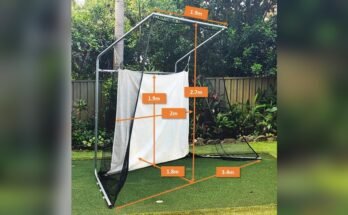
Before buying, measure your available area. Nets come in many sizes, but you need enough room for a full swing and safe ball flight. Here’s a quick guide:
| Club Used | Minimum Width | Minimum Height | Minimum Depth |
|---|---|---|---|
| Wedge/Iron | 8 ft | 7 ft | 3 ft |
| Driver | 10 ft | 10 ft | 5 ft |
| Full Cage | 12 ft | 10 ft | 10 ft |
If you’re setting up indoors, check ceiling height. Most homes have ceilings around 8 feet, which is enough for irons and wedges, but not always for drivers. Outdoors, you can use larger nets, but watch for wind and uneven ground.
Setting Up Your Golf Practice Net
Once you have your net and know your space, follow these steps for a safe and stable setup:
- Clear the Area: Remove any fragile items, furniture, or obstacles.
- Lay Out the Net: Spread the net flat, check for missing parts.
- Assemble Frame: Most nets use fiberglass or steel poles. Slide or snap them together following the instructions.
- Attach the Net: Clip or tie the net to the frame. Make sure the net hangs loosely; a tight net risks tearing.
- Secure the Net: Use anchors, sandbags, or stakes (for outdoor setups). Indoors, weight the base or use wall mounts.
- Test Stability: Gently shake the net and frame. It should not wobble or shift.
- Add a Target: Many nets come with a target sheet. Hang this in the center to protect the net and improve aim.
Pro tip: If you practice outdoors, place your net on level ground and face it away from windows or neighbors. For indoor setups, avoid placing the net near breakable objects.
Safety Precautions
Safety is crucial. Golf balls move fast and can cause injury or damage. Here are some important tips:
- Use foam practice balls for indoor training, especially if you have limited space.
- Always check your net for holes or weak spots before every session.
- Keep children and pets away from the area when practicing.
- Wear golf shoes or sneakers with grip to avoid slipping.
- If your net is near a wall, add extra padding or a curtain behind it.
- Never swing when someone is standing close or behind you.
One mistake beginners make is not securing the net well enough. A loose or unstable net can collapse, sending balls in unwanted directions. Check the setup regularly and replace parts when needed.
Practical Tips For Better Practice
To get the most out of your home net, add some smart routines:
- Use alignment sticks or markers to keep your swing straight.
- Practice with different clubs to build versatility.
- Record your swing with a smartphone or camera for self-analysis.
- Try golf training aids like impact bags, weighted clubs, or swing trainers.
- Set small goals: Hit a certain number of balls, or focus on one technique per session.
A hidden advantage of home practice is the ability to use technology. Devices like launch monitors or swing analyzers can track speed, angle, and accuracy. These tools cost from $100 to $2000, but even basic models help you see progress.

Choosing Accessories For Your Net
Besides the net, consider adding:
- Mat: Protects your floor and gives real grass feel. Look for mats with thick turf and a rubber base.
- Ball tray: Holds balls for easy access.
- Chipping target: Helps with short game practice.
- Lighting: If you practice indoors or at night, good lighting is essential.
Some mats even have different turf heights to simulate rough, fairway, and tee. This adds realism and variety to your practice.
Common Mistakes To Avoid
Many people rush the setup or use poor equipment. Here are mistakes to watch for:
- Buying a net that’s too small: You need extra space for safety.
- Ignoring ceiling height: Drivers need more room.
- Using real balls indoors without protection: Always use foam or limited-flight balls inside.
- Not securing the net: Anchors and weights are important.
- Skipping regular checks: Nets wear out over time.
- Practicing without a mat: Mats prevent damage to floors and help your swing.
One non-obvious tip: Check the rebound angle of your net. If balls bounce back too fast, you risk injury or damage. Look for nets with soft, deep pockets.
Indoor Vs. Outdoor Setup
Each location has pros and cons:
| Feature | Indoor | Outdoor |
|---|---|---|
| Space | Limited by room size | More flexible |
| Weather | Always available | Depends on conditions |
| Setup time | Quick, permanent | May need assembly |
| Safety | Requires extra protection | Must secure against wind |
| Noise | Can disturb neighbors | Less problem |
If you’re indoors, pick a space with high ceilings and strong lighting. Garages, basements, or spare rooms work well. Outdoors, choose level ground and avoid windy spots.
Maintaining Your Golf Practice Net
A good net can last years if you care for it:
- Clean the net regularly with mild soap and water.
- Check for wear after every session, especially where balls hit most.
- Store the net indoors during extreme weather.
- Replace damaged parts promptly.
Some nets come with warranties. Keep your receipt and check the policy. Quality nets from trusted brands last longer and offer better support.
Advanced Setup: Adding Technology
If you want more feedback, consider adding devices:
- Launch monitors measure ball speed, spin, and direction.
- Swing analyzers attach to your club and track movement.
- Golf simulators let you play virtual courses. These are more expensive ($2000+) but offer a complete experience.
For accurate results, place the device at the right distance from the net. Follow manufacturer instructions to avoid errors.
Example: Real Home Setup
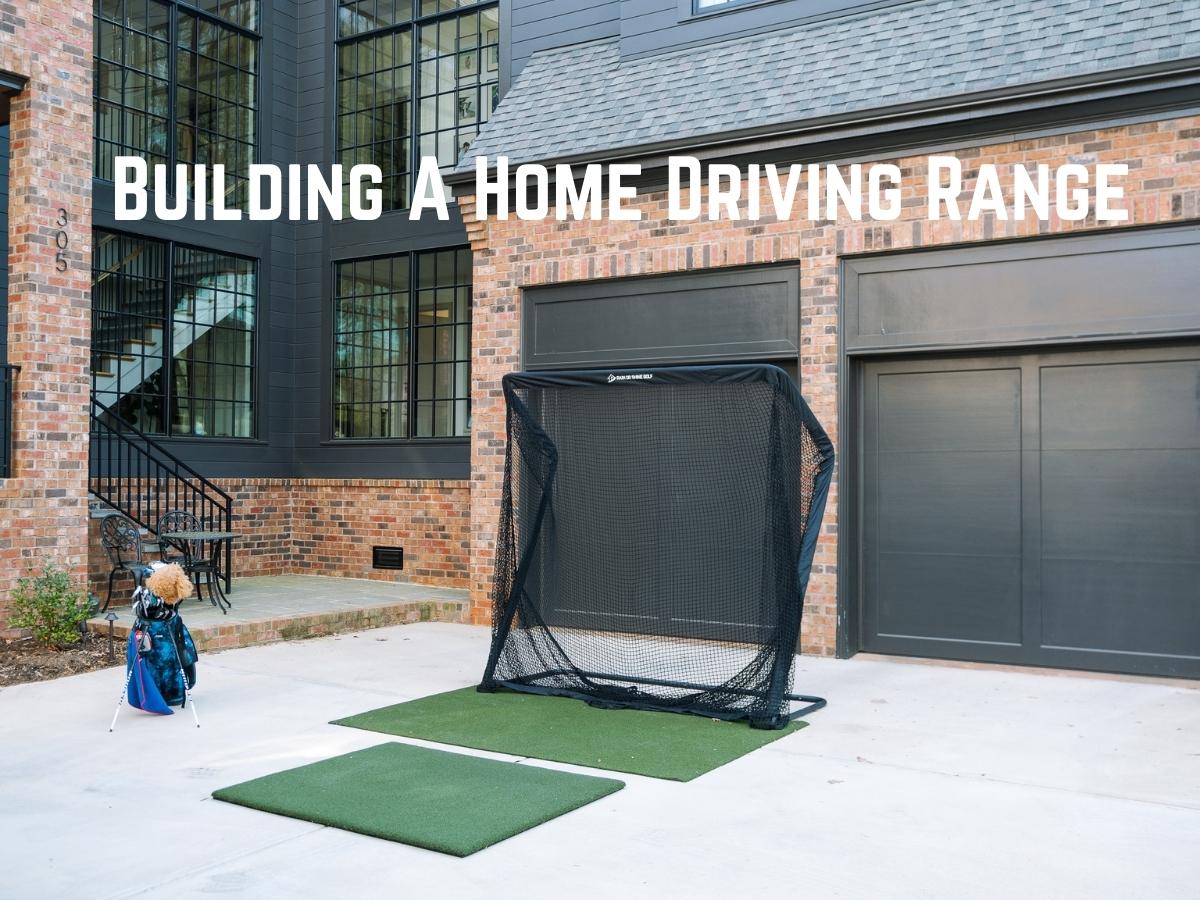
Let’s look at a typical home setup for a mid-level golfer:
- Net: 10ft wide, 7ft high hitting net ($180)
- Mat: 5ft x 5ft premium turf ($120)
- Ball tray: Holds 50 balls ($40)
- Alignment sticks: ($20)
- Launch monitor: Entry-level ($300)
Total Cost: $660
This setup fits in a garage or backyard. The golfer practices 30 minutes daily, recording swings on a phone. After three months, their handicap drops by three strokes—a clear sign of improvement.
Where To Find Quality Golf Nets
Buy from trusted brands or sporting goods stores. Check online reviews and ratings. Look for nets with:
- Strong frame
- High-density netting
- Easy assembly
- Good warranty
For more details on golf net technology and reviews, visit Golf Digest.
Frequently Asked Questions
How Much Space Do I Need For A Golf Net?
For irons and wedges, allow at least 8 feet wide and 7 feet high. For drivers, aim for 10 feet wide and 10 feet high. Outdoors, you can go bigger. Always check ceiling height indoors.
Can I Use Real Golf Balls Indoors?
Yes, but only if you have enough space and protection. Use foam or limited-flight balls if you’re worried about damage. Mats and padded walls help keep things safe.
How Long Does Setup Take?
Most nets take 15–30 minutes to set up. Cage nets may need an hour. Read the instructions and check for missing parts before starting.
How Do I Keep My Net Stable Outdoors?
Use stakes, sandbags, or weights. If your net has a frame, anchor it securely. Avoid windy days if possible, or move the net to a sheltered spot.
Can I Practice Chipping And Putting With A Golf Net?
Most nets are designed for full swings, but you can add chipping targets and mats for short game practice. For putting, use a separate mat or trainer.
Setting up a golf practice net at home is easier than it seems. With the right net, careful planning, and smart safety steps, you can create a reliable practice area. This brings golf closer to your daily life and helps you improve faster.
Take your time, choose wisely, and enjoy the freedom of practicing whenever you want. With regular use, you’ll see progress in your skills and confidence—making every trip to the course more rewarding.