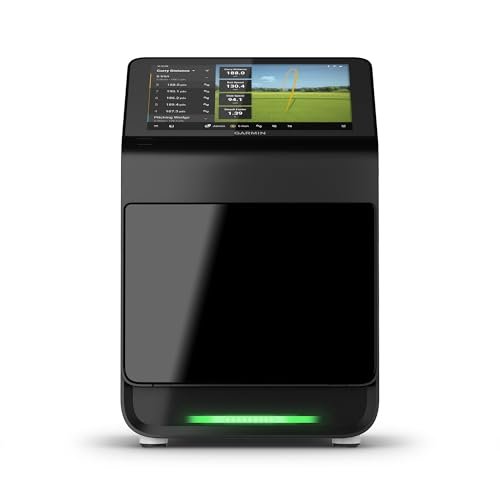
Have you ever wondered how launch monitors give you those precise numbers for your club path and face angle? Understanding these details can transform your golf game, but the technology behind it might seem like a mystery.
You’ll discover exactly how launch monitors track your swing and deliver accurate data to help you improve. By the time you finish reading, you’ll see your practice sessions in a whole new light—and get closer to hitting those perfect shots.
Keep reading to unlock the secrets behind the numbers you rely on.
Basics Of Launch Monitors
Launch monitors are devices used to measure key data about a golf swing. They help players understand how the club moves during impact with the ball. This information helps improve swings and overall performance.
The basics of launch monitors involve capturing detailed data about the club and ball. They use sensors and cameras to track speed, angle, and direction. These measurements allow players to see their club path and face angle clearly.
Types Of Launch Monitors
There are several types of launch monitors. Radar-based monitors use radio waves to track the club and ball. Camera-based monitors capture high-speed images to analyze the swing. Some devices combine both radar and cameras for more accuracy.
Portable monitors are small and easy to use outdoors. Simulator systems are larger and used indoors with screens. Each type offers different benefits depending on the user’s needs.
Key Measurements Taken
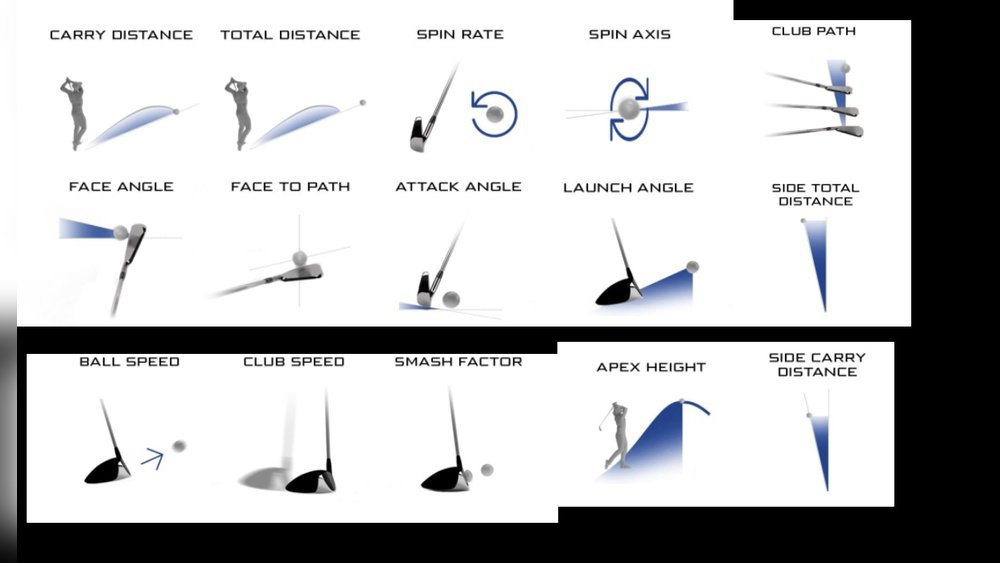
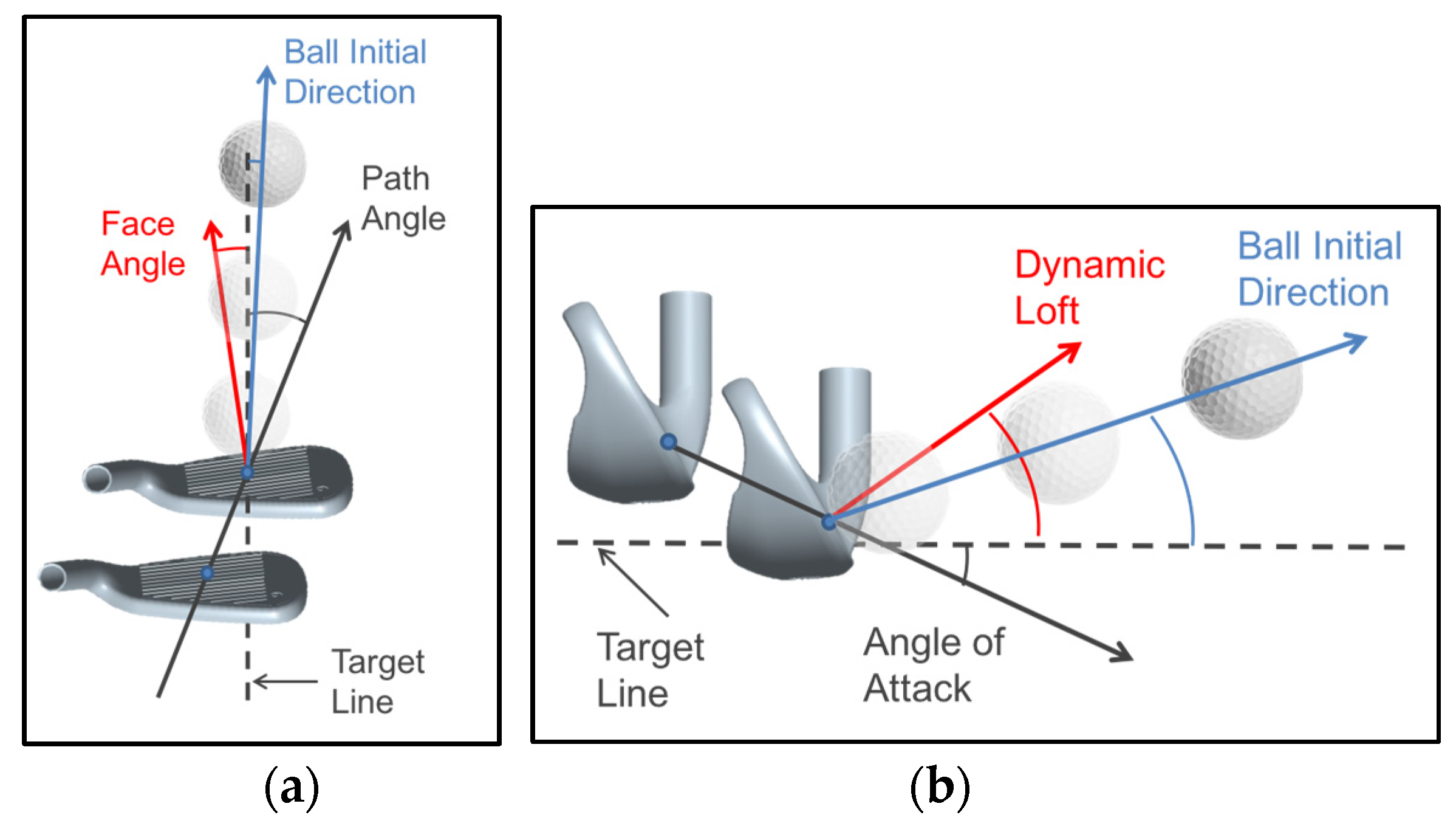
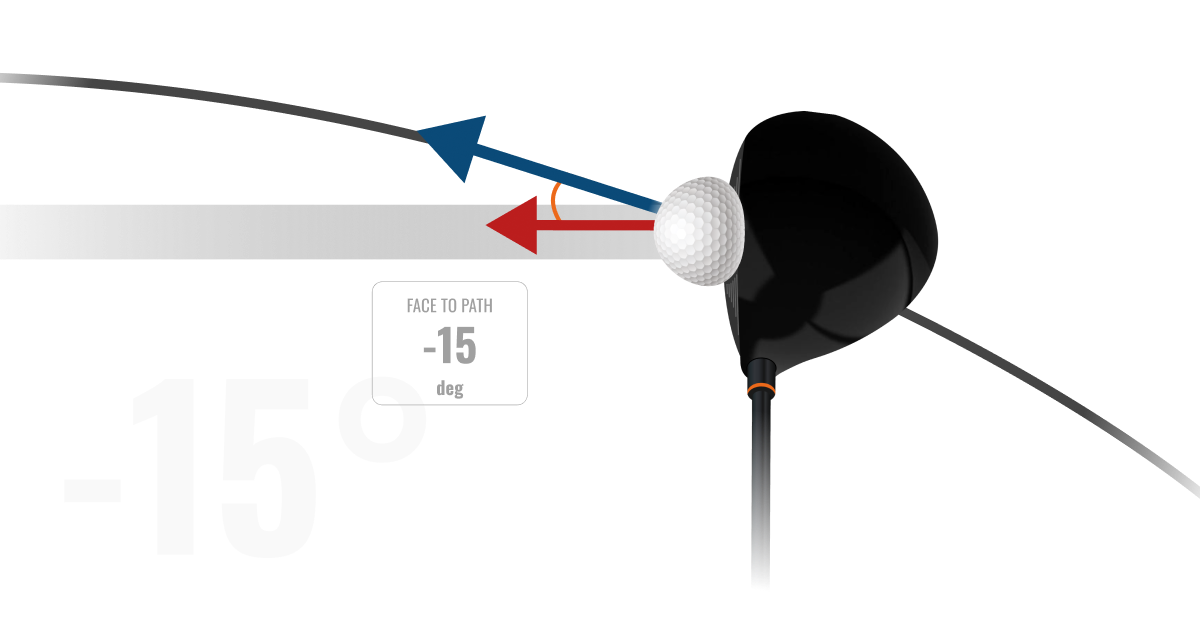
Launch monitors measure many details during a swing. Club path shows the direction the club head travels. Face angle reveals how the club face is oriented at impact.
Other measurements include club speed, ball speed, launch angle, and spin rate. These numbers help golfers understand how their swing affects the ball’s flight. Accurate data leads to better practice and improved results.
Measuring Club Path
Measuring club path is key to understanding a golf swing. It shows the direction the clubhead moves during the swing. This helps players improve accuracy and consistency.
Launch monitors use advanced technology to capture this data quickly and precisely. They track the clubhead from start to finish of the swing.
Role Of Sensors And Cameras
Sensors and cameras play a vital role in measuring club path. They capture the exact position of the clubhead in real time. High-speed cameras take many pictures per second. Sensors detect movement and speed.
This technology works together to gather detailed information. It records how the club moves through impact with the ball.
Tracking Clubhead Movement
Tracking clubhead movement involves following its path from start to finish. The launch monitor records the angle and direction of the clubhead. It measures whether the club moves inside-out, outside-in, or straight.
This data reveals the club path relative to the target line. It helps players see if their swing path causes hooks or slices.
Data Processing Techniques
Launch monitors use software to process raw data from sensors and cameras. The software analyzes the clubhead’s speed, angle, and position. It calculates the exact club path in degrees.
Data is shown clearly on the screen for easy understanding. This helps golfers adjust their swings based on accurate feedback.
Calculating Face Angle
Calculating face angle is a key part of how launch monitors analyze your golf swing. Face angle shows the direction the clubface points at impact. It helps predict the ball’s initial flight path. Accurate face angle data lets golfers understand their shot shape better. Launch monitors use advanced sensors and cameras to measure this precisely.
Detecting Clubface Orientation
Launch monitors use high-speed cameras or radar to track the clubhead. Sensors capture the exact position of the clubface at impact. Infrared or optical sensors may detect the clubface’s angle. Data points help calculate how open or closed the face is. The face angle is measured relative to the target line. This angle shows if the clubface points left, right, or straight.
Impact Of Face Angle On Ball Flight
Face angle strongly influences ball direction and spin. An open face causes the ball to curve right for right-handed players. A closed face makes the ball curve left. Even small face angle changes affect the ball’s path greatly. Correcting face angle leads to straighter, more consistent shots. Golfers can adjust their stance or grip using this data.
Technology Behind The Calculations
Launch monitors use advanced technology to measure club path and face angle. These devices capture data about the golf club’s movement during a swing. Sensors and cameras track the exact position and speed of the club. The collected data helps golfers understand their swing better.
Radar-based Systems
Radar-based launch monitors use radio waves to detect the club’s motion. The device sends radar signals toward the club and reads the signals that bounce back. It calculates the club path by measuring the angle of the reflected waves. The face angle is determined by analyzing the club’s orientation during impact. This system works well in various lighting conditions.
Optical And Camera-based Systems
Optical launch monitors use high-speed cameras to track the club and ball. These cameras capture multiple images during the swing. The software analyzes the images to find the club’s path and face angle. It measures the club’s position and rotation frame by frame. This method provides detailed visual feedback for players.
Combination Sensors
Some launch monitors combine radar and optical sensors for better accuracy. They use radar for speed and distance measurements. Cameras provide precise data on club angle and position. Combining data from both sensors creates a complete picture of the swing. This hybrid approach improves the reliability of the results.
Common Challenges And Accuracy Factors
Launch monitors measure club path and face angle using complex technology. Yet, many factors can affect how accurate these readings are. Understanding these challenges helps golfers trust and use the data better.
Accuracy depends on many things. Environmental conditions, device setup, and the type of launch monitor all play roles. Each can cause small errors that add up to less reliable results.
Environmental Influences
Wind can move the ball and affect sensor readings. Light conditions also matter. Bright sunlight or shadows can confuse optical systems. Temperature changes can affect electronic parts inside the device. Dust and moisture may block sensors and reduce accuracy.
Calibration And Setup
Proper setup is key. The launch monitor must be placed at the right angle and distance. Incorrect placement leads to wrong data. Regular calibration keeps sensors working well. Without calibration, measurements can drift over time.
Limitations Of Different Models
Some launch monitors use radar, others use cameras or sensors. Radar models struggle indoors or with slow swings. Camera-based devices need clear views of the club and ball. Cheaper models may lack the latest tech, affecting precision. High-end models offer better accuracy but cost more.
Practical Uses For Golfers
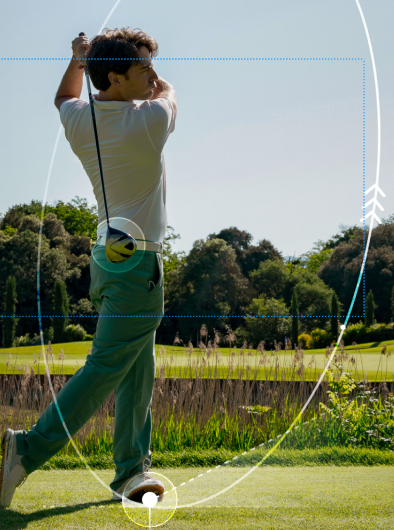
Launch monitors give golfers detailed data about their swings. They measure club path and face angle with high accuracy. This data helps golfers understand their shots better. Many players use this information to improve different parts of their game. The practical uses of launch monitor data can help beginners and advanced players alike.
Improving Swing Mechanics
Golfers use launch monitor data to see how their club moves during a swing. Club path shows the direction the clubhead travels. Face angle shows where the clubface points at impact. This helps identify common swing errors like slices or hooks. Players can make small changes to fix their swing. Repeating the correct motion leads to more consistent shots.
Equipment Fitting
Launch monitors help golfers find the right clubs. Data about club path and face angle reveals how clubs interact with the ball. Fitting experts use this information to adjust club length, lie, and loft. The right fit can improve shot accuracy and distance. Golfers get clubs that match their swing style and needs.
Tracking Progress Over Time
Regular use of launch monitors shows how a golfer improves. Players can compare their club path and face angle from past sessions. This helps track changes in swing mechanics. It also shows if adjustments in equipment work well. Seeing progress motivates golfers to keep practicing and improving.
Frequently Asked Questions
How Do Launch Monitors Track Club Path Accurately?
Launch monitors use radar or camera technology to capture the club’s movement. They analyze the clubhead’s speed, direction, and position at impact to calculate the precise club path.
What Technology Measures Face Angle In Launch Monitors?
Face angle is measured using high-speed cameras or Doppler radar. These tools detect the clubface’s orientation relative to the target line during impact.
Why Is Understanding Club Path Important For Golfers?
Knowing club path helps golfers identify swing tendencies. It enables adjustments to improve accuracy, consistency, and overall ball flight control.
Can Launch Monitors Differentiate Between Open And Closed Face Angles?
Yes, launch monitors detect whether the clubface is open, square, or closed at impact. This data helps golfers optimize their shot shape and direction.
Conclusion
Launch monitors use sensors and cameras to track club movement. They measure the club path by detecting its direction during the swing. Face angle is calculated by analyzing the clubface’s position at impact. These devices give golfers precise data to improve their swing.
Understanding these numbers helps players make better shots. Technology makes learning golf simpler and more accurate. Using launch monitors can boost your practice sessions effectively. They offer clear insights into how your club moves and hits. Trusting this data helps golfers play smarter and with confidence.