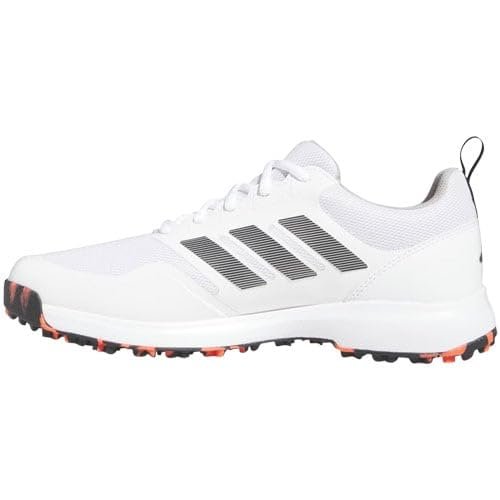
Are your golf shoes feeling a bit off lately? Maybe you’ve noticed less grip on the green or discomfort after just a few holes.
But how do you really know when it’s time to replace them? Your shoes play a huge role in your game—offering stability, comfort, and confidence with every swing. If you ignore the signs of wear, you might be risking both your performance and your feet.
Keep reading, and you’ll discover the simple ways to tell if your golf shoes need replacing—so you can stay at the top of your game without missing a beat.
Signs Of Wear And Tear
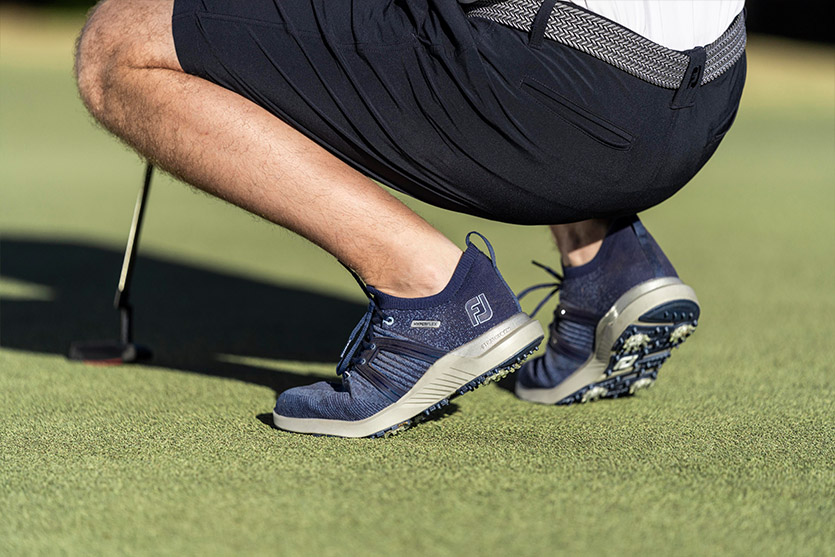
Golf shoes face many challenges on the course. They deal with rough grass, dirt, and water. Over time, these factors cause signs of wear and tear. Recognizing these signs helps you decide when to replace your shoes. Worn-out shoes can affect your game and comfort. Check your shoes often to spot any damage early.
Sole And Spike Condition
The sole wears down from walking and swinging. Look for smooth or bald spots on the sole. Worn spikes reduce grip and stability. Some spikes can be replaced, but if many are worn, it’s time for new shoes. Slipping during a swing can hurt your score and safety.
Upper Material Damage
The upper part of the shoe protects your feet. Cracks, tears, or holes mean the shoe is weak. Water can enter through damaged areas, causing discomfort. Fading color or stiff material also shows aging. Shoes that no longer fit well or feel loose need checking.
Insole And Comfort Changes
Soft insoles keep your feet comfortable during play. Over time, insoles lose cushioning and support. Your feet might feel sore or tired after a round. Unpleasant odors or moisture inside show wear, too. If comfort decreases, it might be time for a new pair.

Impact On Performance
Your golf shoes play a big role in how well you perform on the course. Worn-out shoes can hurt your game without you noticing. The right shoes help you stay steady, balanced, and in control. Old shoes can cause problems that affect every part of your swing and stance. Let’s explore how shoe wear impacts your golf performance.
Grip And Traction Loss
Golf shoes have spikes or special soles to grip the grass. Over time, these spikes wear down or fall off. This makes it harder to hold your position during a swing. Slipping on the grass wastes energy and lowers confidence. Loss of grip can cause poor shots and uneven weight shifts.
Stability And Support Issues
Good golf shoes support your feet and ankles firmly. Worn shoes lose their shape and cushioning. This weakens your foot support and balance. Without proper stability, your feet may slide inside the shoe. This leads to discomfort and less control during your swing. Shoes that don’t support well increase the risk of injury.
Effect On Swing And Balance
Balance is key to a smooth golf swing. Old shoes make it tough to keep steady. You might sway or adjust your stance to stay upright. This disrupts your swing path and timing. A bad swing affects ball direction and distance. New shoes help maintain balance and improve overall swing consistency.
Frequency Of Use
Frequency of use plays a big role in knowing when to replace golf shoes. Shoes worn often wear out faster than those used only sometimes. Regular use puts more stress on the sole and upper parts. Tracking how often you play golf helps predict shoe life.
Typical Lifespan Of Golf Shoes
Most golf shoes last about one to two years. This depends on how many rounds you play each week. Playing once a week may extend shoe life to two years or more. Playing several times a week can shorten shoe lifespan to less than a year. Watch for signs like worn soles or less grip. These indicate it might be time to replace your shoes.
Playing Conditions And Shoe Durability
Golf shoes used on rough, wet, or sandy courses wear out faster. Mud and water damage leather or fabric parts. Hard or rocky terrain can damage the sole and spikes quicker. Shoes used mostly on soft, dry courses last longer. Clean and dry shoes after each use to help them last. Care can improve shoe durability even with frequent use.

When To Replace
Knowing when to replace golf shoes can improve your comfort and game. Shoes wear out over time. Worn shoes affect your balance and foot support. This section explains signs to watch for replacing your golf shoes.
Replacing For Comfort
Discomfort is a clear sign to replace golf shoes. Blisters, pressure points, or pain mean shoes no longer fit well. Insoles may wear thin, causing sore feet. Shoes lose cushioning after many rounds. Comfort matters on the course. New shoes keep feet happy and pain-free.
Replacing For Performance
Golf shoes help with grip and stability. Worn spikes reduce traction on grass. Slipping affects your swing and balance. Look for worn or missing spikes. Soles that are smooth or cracked lower performance. Replacing shoes keeps your footing solid. This improves your swing and walking comfort.
Replacing For Style And Technology
Golf shoe technology changes often. New shoes offer better materials and designs. Modern shoes may be lighter and more waterproof. Style also matters for many players. Fresh shoes boost confidence on the course. Upgrading can enhance both look and function.
Maintenance Tips To Extend Life
Proper maintenance helps your golf shoes last longer. Small care steps keep them in good shape. This saves money and keeps comfort high. Follow simple tips to extend shoe life.
Cleaning And Drying Properly
Remove dirt after each game. Use a soft brush for gentle cleaning. Avoid harsh chemicals that damage materials. Let shoes dry naturally at room temperature. Do not use direct heat or sunlight. Wet shoes can lose shape and comfort.
Rotating Multiple Pairs
Use more than one pair of golf shoes. Rotating gives shoes time to dry fully. This prevents bad odors and material wear. Shoes last longer when rested between uses. A small rotation makes a big difference.
Storage Best Practices
Store shoes in a cool, dry place. Avoid damp or hot areas that cause damage. Keep shoes away from direct sunlight. Use shoe trees or stuff with paper to keep shape. Proper storage stops cracks and wrinkles.
Frequently Asked Questions
How Often Should I Replace My Golf Shoes?
Replace golf shoes every 1-2 years, depending on usage. Worn soles and reduced grip indicate the need for new shoes. Frequent players may need replacements sooner to maintain performance and comfort on the course.
What Are Signs Of Worn-out Golf Shoe Soles?
Look for smooth, bald spots or missing spikes on soles. These signs reduce traction and stability, affecting your swing and balance. If grip is compromised, it’s time to replace your golf shoes.
Can Damaged Golf Shoes Affect My Game?
Yes, damaged shoes reduce traction and stability, impacting your swing. Poor grip can cause slipping, leading to inconsistent shots and potential injury. Keeping shoes in good condition helps maintain optimal performance.
How Do I Check If My Golf Shoes Still Provide Support?
Check for cushioning breakdown and sole flexibility. If shoes feel uncomfortable or your feet tire quickly, support may be compromised. Proper support is essential for comfort and effective weight transfer during swings.
Conclusion
Worn-out golf shoes can hurt your performance on the course. Look for signs like worn soles, torn uppers, or poor grip. Uncomfortable shoes can cause foot pain and affect your swing. Replacing shoes at the right time keeps you steady and confident.
Regular checks help you avoid surprises during play. Remember, good shoes support every step you take. Keep your golf shoes in good shape to enjoy every round. Don’t wait too long to change them. Your feet will thank you.