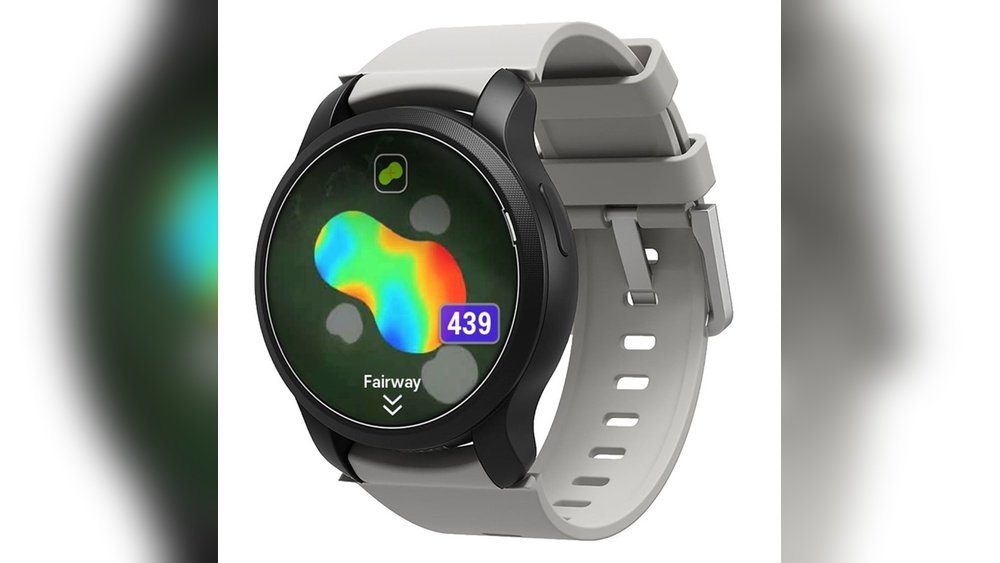
When you’re out on the golf course, knowing the exact distance to the pin can make all the difference in your game. That’s where GPS golf watches come in, promising to give you accurate yardages right on your wrist.
But how reliable are these measurements really? Can you trust your watch to guide your club choice and improve your score? If you’ve ever wondered whether those numbers are spot-on or just a rough estimate, this article will clear up the mystery.
Keep reading to find out how accurate yardages on GPS golf watches truly are—and what that means for your game.
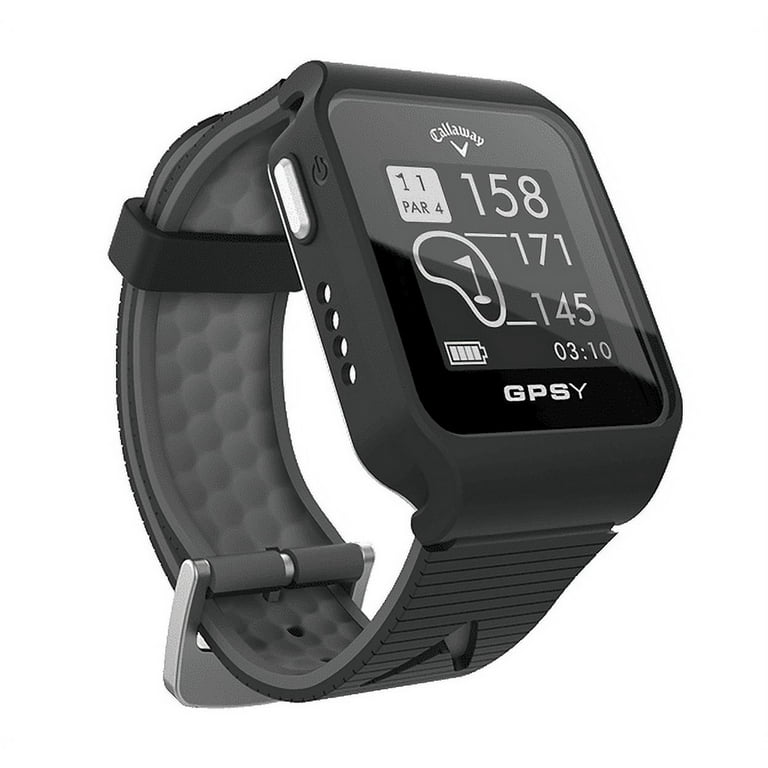
Gps Golf Watch Basics
GPS golf watches help golfers measure distances on the course. They show yardages to the green, hazards, and other targets. Understanding how these watches work helps you trust their readings better. Let’s explore the basics of GPS golf watches.
How Gps Technology Works
GPS golf watches use satellites to find your exact location. The watch receives signals from several satellites in space. It calculates your position by measuring signal travel time. This position helps estimate distances to points on the golf course.
The watch contains a digital map of each golf course. It matches your GPS location to the map. Then, it shows distances to the front, middle, and back of the green. It can also display yardages to hazards and doglegs.
Types Of Gps Golf Watches
There are basic and advanced GPS golf watches. Basic models show simple yardages and course layouts. Advanced watches include extra features like score tracking and swing analysis. Some connect to smartphones for updates and notifications.
Some watches offer touchscreen controls, while others use buttons. Battery life varies by model, affecting how long you can use the watch. Choosing the right type depends on your budget and needs.
Key Features Affecting Accuracy
Accuracy depends on satellite signal strength and watch quality. More satellites in view improve distance precision. High-quality watches use better GPS chips and software.
Course map updates also affect accuracy. If the map is outdated, yardages may be wrong. Some watches allow manual adjustments for more precise measurements.
Environmental factors like tall trees or buildings can block GPS signals. This obstruction reduces accuracy and may cause errors.
Factors Influencing Yardage Accuracy
Yardage accuracy on GPS golf watches depends on several important factors. These factors affect how precise the distance readings are. Knowing these can help golfers trust their devices more or understand possible errors.
Different conditions and technology aspects influence the watch’s performance. Some causes come from outside the device, while others relate to its design. Each plays a key role in yardage accuracy on the course.
Satellite Signal Strength
GPS watches rely on satellite signals to measure distance. Strong signals provide more accurate yardages. Weak signals cause errors and delays in distance updates. Tall trees, buildings, or hills can block signals. Open areas give the best satellite connection for precise readings.
Environmental Interference
Weather conditions impact GPS accuracy. Heavy clouds or storms can reduce signal quality. Metal objects like golf carts or fences may interfere with signals. Magnetic fields nearby can also cause small errors. Calm, clear days offer the most reliable yardage measurements.
Map Data Quality
Golf courses must have correct and detailed maps loaded on the watch. Poor or outdated maps lead to wrong yardages. Courses change with new hazards or tee boxes. Watches update maps regularly to stay accurate. Always check if your device has the latest course data.
Watch Hardware Limitations
Not all GPS watches have the same hardware quality. Cheaper models may use less precise chips. Battery life can affect signal strength and data processing. Screen size and software speed also influence how quickly yardages update. Higher-end watches tend to offer better accuracy overall.
Comparing Gps Watches To Other Methods
Golfers use different tools to measure distances on the course. Each method offers its own accuracy level and ease of use. Comparing GPS watches with other options helps find the best fit for your game. Let’s explore how GPS watches stand against laser rangefinders, smartphone apps, and traditional markers.
Laser Rangefinders
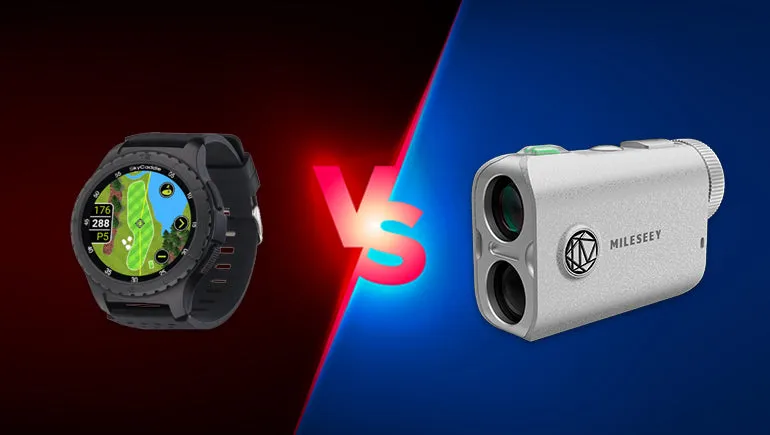
Laser rangefinders provide very precise distance readings. They use a laser beam to measure the exact distance to the flag or other targets. This method often gives accuracy within one yard. However, laser devices need a clear line of sight to work well. They can be slower to use than GPS watches. Plus, they may not measure distances to hazards or other course features easily.
Smartphone Apps
Smartphone apps use GPS signals like watches but rely on phone hardware. Their accuracy depends on the phone’s GPS quality and signal strength. Most apps give reliable yardages but can have small errors. Battery life and phone size may limit convenience during play. Apps often offer detailed course maps and additional features beyond simple yardage.
Traditional Markers And Estimates
Traditional methods include yardage markers and player estimates. Markers are placed on the course at fixed distances, like 150 or 200 yards. These can guide golfers but are less precise than digital tools. Estimating distances by eye or experience varies widely between players. Traditional methods require skill and can be less reliable in tricky course layouts.

Improving Yardage Accuracy
Improving the accuracy of yardages on GPS golf watches helps players trust their devices. Better accuracy leads to smarter club choices and better shots. Several simple steps boost the precision of these devices. Follow these tips to get the most reliable yardage readings.
Calibrating Your Device
Calibrating your GPS watch aligns it with real-world distances. Many devices have settings to adjust calibration. Use a known distance on the golf course for best results. Regular calibration ensures your watch shows the correct yardage. It prevents errors caused by device drift or outdated settings.
Updating Course Maps
Course maps change as golf courses evolve. Updating maps keeps your watch current with new layouts. Manufacturers release updates to fix map errors and add details. Connect your device to its app or computer often. Updated maps improve distance accuracy and show correct hazards.
Optimizing Satellite Reception
Good satellite signals are essential for precise yardages. Open areas with a clear view of the sky work best. Tall trees, buildings, or bad weather can block signals. Wait a few moments after turning on your watch to get strong signals. Avoid covering the device with your hand during use.
Best Practices During Play
Hold your wrist steady while checking yardages. Avoid moving or swinging your arm when reading distances. Start your watch early to let it find satellites before the first shot. Use the same device for the entire round for consistency. These habits reduce errors and improve trust in your watch.
Common Accuracy Issues And Fixes
GPS golf watches help golfers measure distances on the course. Still, these devices can show wrong yardages sometimes. Understanding common issues helps improve their accuracy. Simple fixes often solve these problems. This section covers typical accuracy problems and how to fix them.
Inconsistent Readings
Inconsistent readings happen when the watch gives different distances for the same spot. This can confuse golfers and affect shot choice. Poor satellite signal is a common cause. Trees, buildings, or bad weather block signals. Resetting the watch or moving to a clear area helps.
Sometimes, the watch’s software needs updating. Updates fix bugs that cause errors. Checking for updates regularly keeps data more reliable. Also, recalibrating the device resets distance measurements. This step improves consistency on the course.
Lag Or Delay Problems
Lag happens when the watch takes time to update distances. This delay can mislead golfers during fast play. Slow GPS connection or weak signal causes lag. Turning the watch off and on refreshes the connection. Waiting a few seconds before measuring gives better results.
Some watches need a strong line of sight to satellites. Standing in open spaces reduces lag. Avoiding tall buildings or thick trees helps the signal. Using the watch in clear areas speeds up updates. This makes distance readings more timely and accurate.
Battery And Performance Impact
Low battery levels affect GPS watch performance. Weak batteries slow down processing and signal search. This causes less accurate yardages. Charging the watch before a round keeps it working well. Carrying a charger or power bank is wise for long play.
Background apps and features also drain battery fast. Turning off unnecessary functions saves power. A well-maintained battery supports steady performance. Clean the watch and keep software updated for best results. Good battery health means more reliable yardage readings.
Top Gps Golf Watches For Accuracy
Finding a GPS golf watch with accurate yardages is important for better play. The right watch shows distances clearly. This helps choose the right club and improve shots. Many brands offer models with different features and prices. Some focus on high accuracy for serious players. Others offer good value for casual golfers. Understanding the best options helps pick the right watch for your game.
High-end Models
Top brands use advanced satellite technology. These watches offer precise yardages to greens, hazards, and doglegs. Many have large, bright screens for easy reading. They also include detailed course maps and updates. Some models measure shot distance and track stats. These watches suit golfers who want extra features and high accuracy. Prices are higher but reflect quality and precision.
Budget-friendly Options
Affordable GPS golf watches still provide good yardages. They use reliable satellite signals but may lack extra features. These watches have simpler screens and fewer course details. Many deliver solid accuracy within a few yards. They work well for beginners and casual players. Budget models offer good value and help improve game awareness.
User Reviews And Ratings
Golfers share honest feedback about watch accuracy. Reviews highlight which models deliver consistent distances. Users often mention battery life and ease of use. Ratings help identify reliable brands and features. Checking reviews gives a clear picture of real performance. It guides buyers to watches that meet their needs and budget.
Future Trends In Gps Golf Technology
The future of GPS golf watches looks very promising. New technology will make yardage measurements more precise. Golfers will get better help on the course. These watches will become smarter and easier to use. Let’s explore some key trends shaping GPS golf technology.
Advancements In Satellite Systems
Satellite systems are improving quickly. New satellites offer stronger and faster signals. Watches will get more accurate data. This means better yardage readings on every hole. Golfers will trust their devices more. Fewer errors and delays will happen. Satellite upgrades will help watches work worldwide.
Integration With Other Tech
GPS watches will connect with other devices. Smartphones, smart glasses, and sensors will work together. This creates a fuller picture of your game. Data from swings, heart rate, and course maps will link up. Golfers get advice based on real-time info. This integration makes each round smarter and more fun.
Artificial Intelligence Enhancements
Artificial intelligence will change GPS golf watches. AI will learn your playing style and habits. It will give better yardage estimates and club recommendations. AI can spot course features you might miss. This leads to smarter decisions on the green. AI will help improve your golf skills step by step.
Frequently Asked Questions
How Accurate Are Gps Golf Watch Yardages?
GPS golf watches typically provide yardages accurate within 3 to 5 yards. Accuracy depends on satellite signal quality, watch model, and course mapping. Advanced models use multiple satellites and course updates to enhance precision, helping golfers make better shot decisions.
What Affects Gps Golf Watch Yardage Accuracy?
Accuracy is influenced by satellite signal strength, watch hardware, and course data quality. Environmental factors like tall trees, buildings, and weather can also impact accuracy. Regular software updates and calibration improve reliability and minimize errors in yardage readings.
Can Gps Golf Watches Replace Traditional Rangefinders?
GPS watches offer convenience and course-wide data but may lack pinpoint accuracy of laser rangefinders. Rangefinders measure exact distances to specific targets, while GPS watches provide general yardages. Combining both can enhance overall distance measurement and game strategy.
How Often Should Gps Golf Watch Maps Be Updated?
Updating maps regularly ensures accurate yardages and course features. Manufacturers release updates multiple times a year to reflect course changes and improvements. Keeping your watch’s software current maximizes precision and maintains reliable distance information.
Conclusion
GPS golf watches give useful yardage estimates on the course. They help golfers plan shots and choose clubs. Accuracy can vary by device, signal, and course layout. Small differences in yardage are normal and usually don’t affect play much. Trust the watch as a helpful guide, not an exact measure.
Practice and course knowledge still matter most. Use the watch to improve your confidence and enjoy the game.


