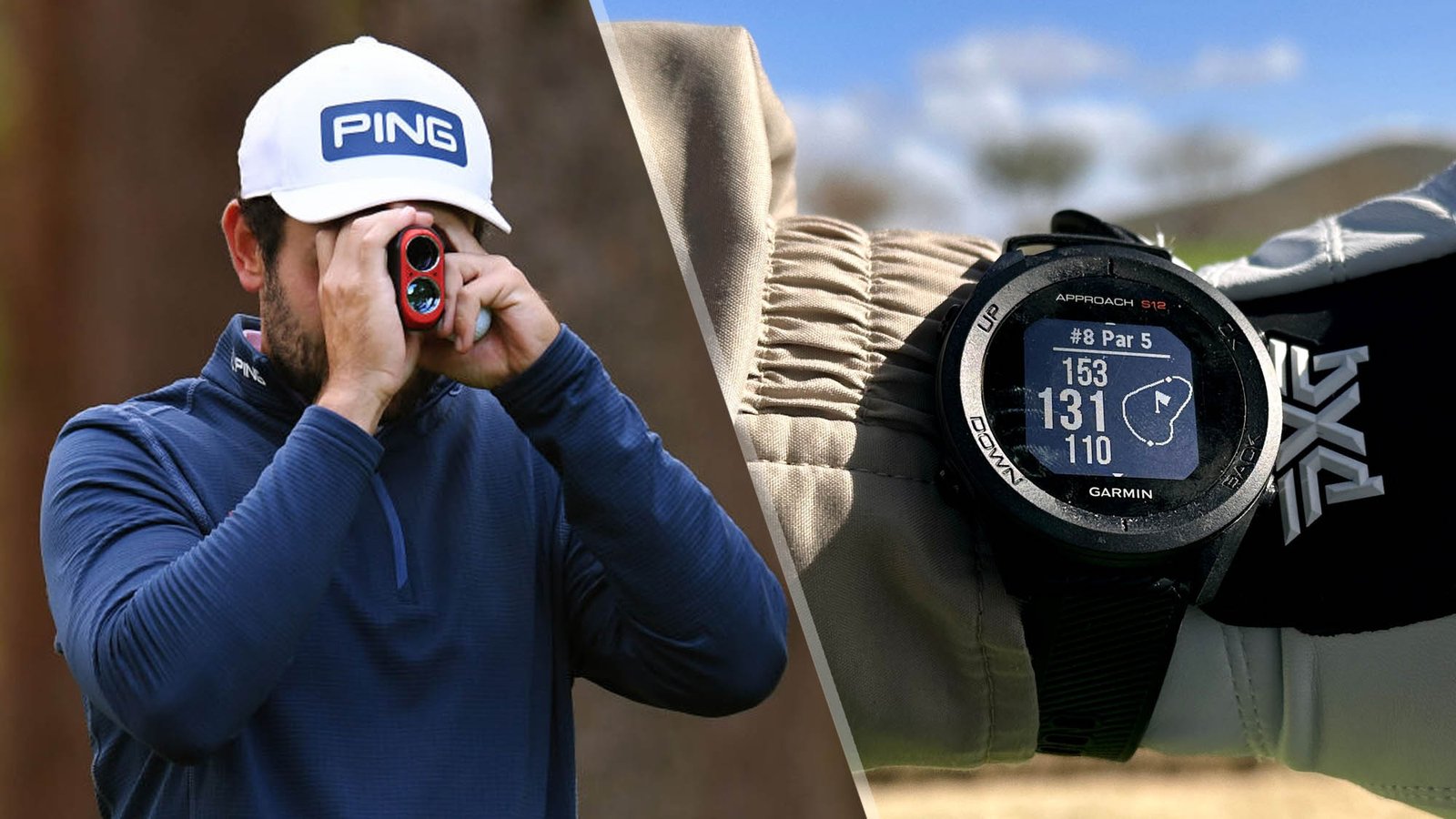
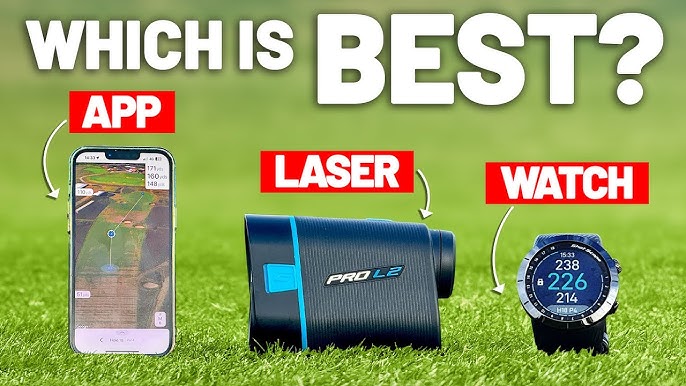
Rangefinders give pinpoint flag yardage; GPS watches give fast, whole-hole context.
If you want a clear answer on Golf Rangefinder vs GPS Watch, you are in the right place. I test gear for a living and carry both on course. I will show you what each does best, where each falls short, and how to choose with confidence. By the end, you will know which option fits your game today and how to grow with it tomorrow.

How Golf Rangefinders and GPS Watches Work
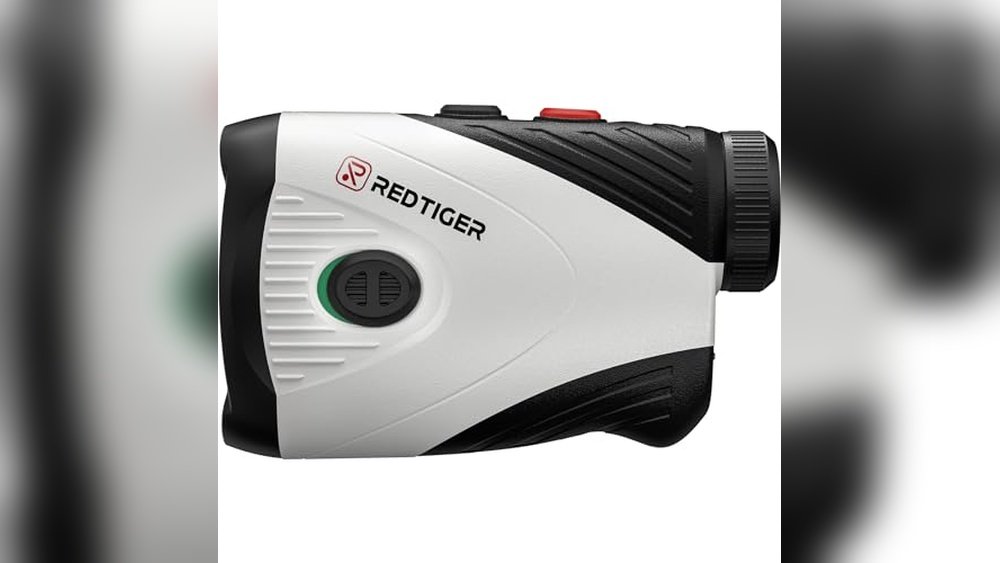
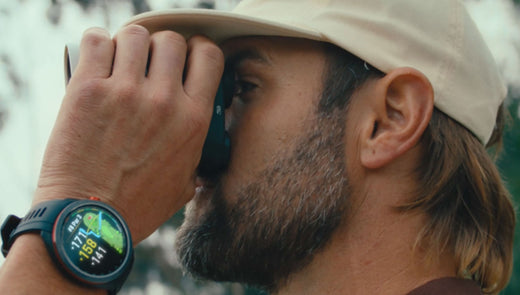
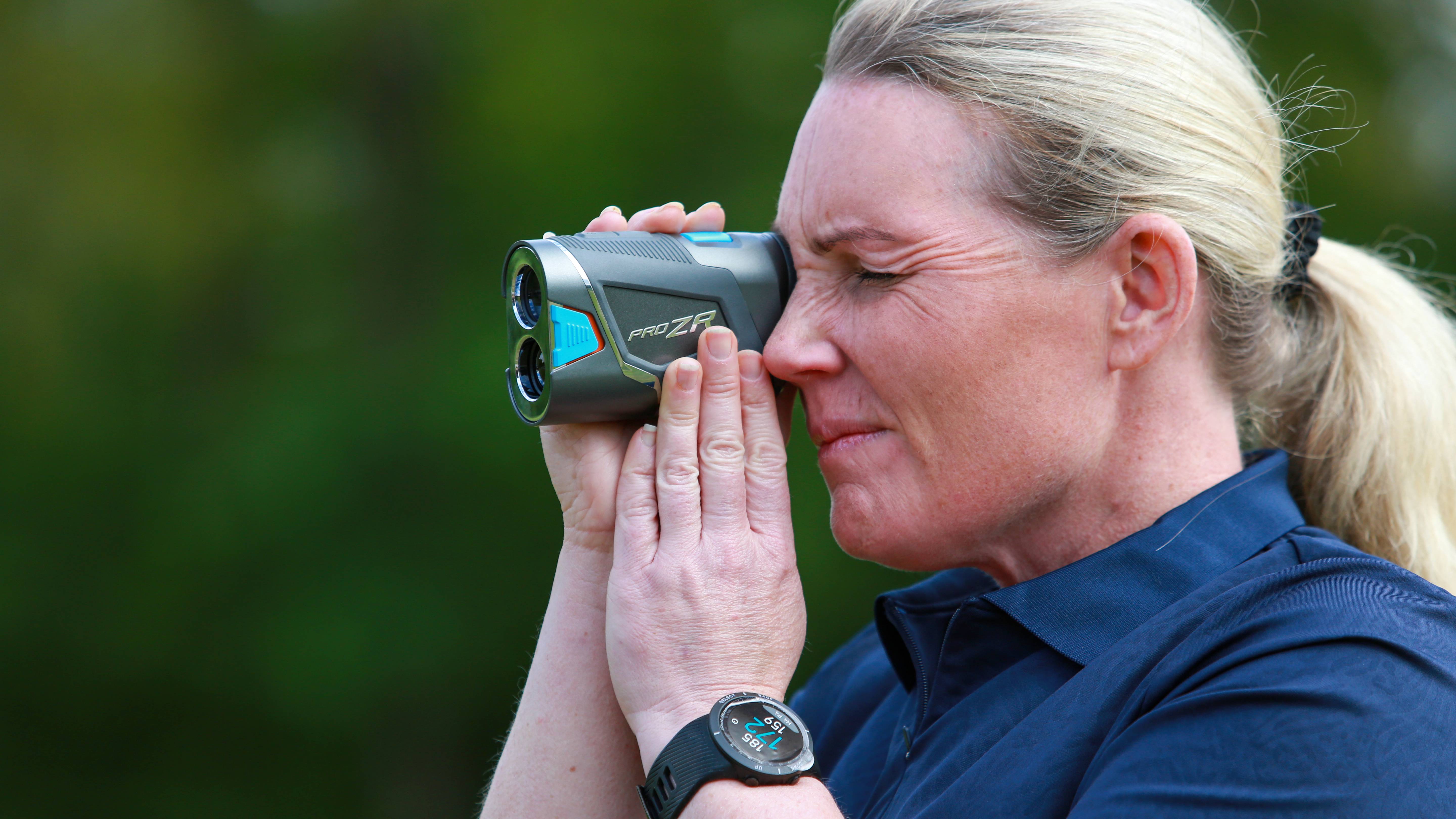
A laser rangefinder fires a safe beam at a target. It reads the bounce and gives a number. Good models lock on the flag and filter trees. You get a tight yardage to one point.
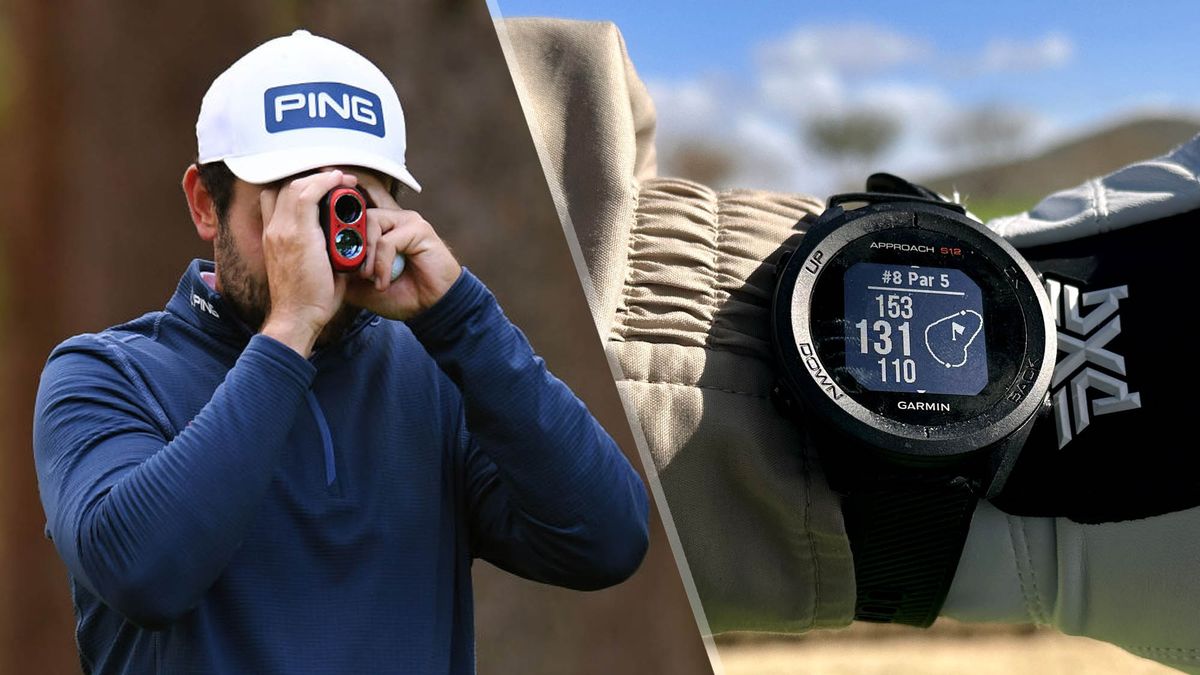
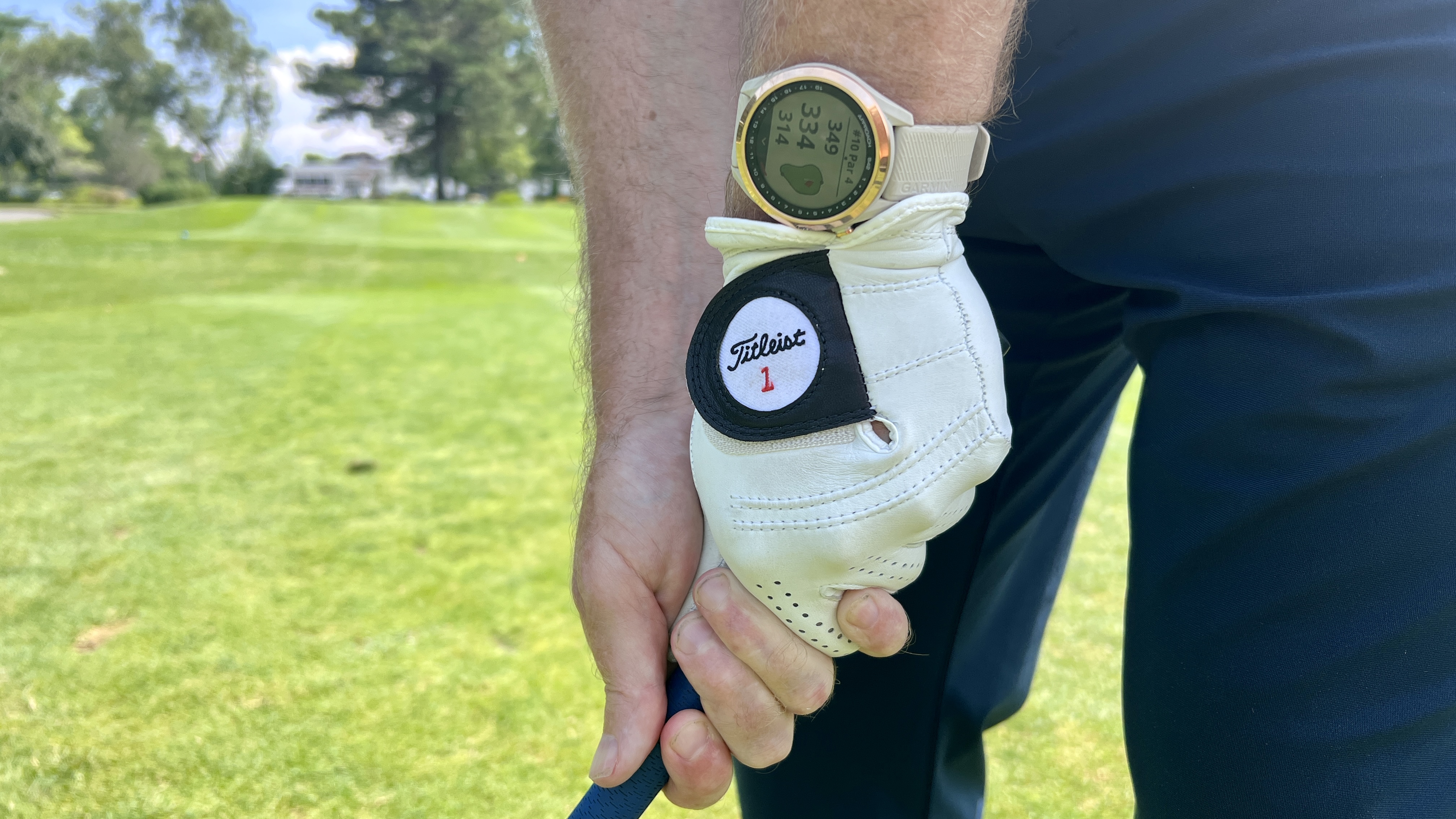
A GPS watch uses satellite data and a course map. It shows front, center, and back of green. It also shows hazards and layups. You get a fast view of the hole and ready yardages.
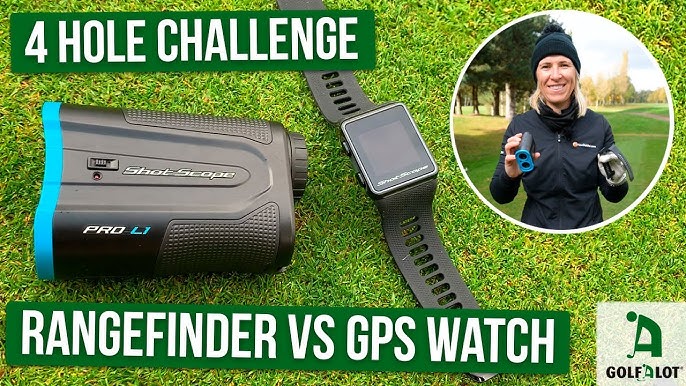
When we compare Golf Rangefinder vs GPS Watch, the core trade is sharp detail vs broad context. The laser is like a zoom lens. The watch is like a map. Many golfers use both and switch as needed.
Pros and Cons at a Glance
Golf Rangefinder vs GPS Watch debates often miss your use case. These points keep it simple and real.
Rangefinder pros:
- Pinpoint yardage to the flag for tight shots
- Great for precise wedges and tucked pins
- Works on any course with line of sight
Rangefinder cons:
- Slower for blind shots and doglegs
- Needs steady hands and clear targets
- Limited data beyond the target yardage
GPS watch pros:
- Fast yardages to green and hazards
- Good for blind shots and new courses
- Tracks shots, score, and pace in the background
GPS watch cons:
- Yardage is less exact than a laser to the pin
- Maps can be off on new or changed holes
- Needs charging and map updates

Accuracy, Speed, and Pace on the Course
In the Golf Rangefinder vs GPS Watch split, accuracy is key. A good laser is often within about one yard to the pin. A watch is often within three to five yards to mapped points. Both are more than enough for most shots.
Speed matters too. A watch gives a number the second you look. That helps pace, and it lowers stress on tee boxes. A laser takes a few seconds to lock, but it shines for shots inside 150 yards.
My rule on pace is simple. If the group is waiting, I use the watch. If I have time and a makeable birdie, I pull the laser. That balance keeps both fast and sharp.
Which One Fits Your Game
Think about your needs, not hype. Golf Rangefinder vs GPS Watch is about fit.
Choose a rangefinder if:
- You attack pins and hit many wedges
- You play events where one yard matters
- You like a simple number with no extra data
Choose a GPS watch if:
- You want speed and a clean flow
- You play many new or blind courses
- You like hazard info and tracking
Some players will love both. I carry a compact laser and a slim watch. I get full context fast and exact yardage when it counts.
Features That Matter Most
Key rangefinder features:
- Slope with on/off switch for event play
- Pin lock with vibration for fast trust
- Stabilization for shaky hands
- Bright optics and a clear display
- Magnet mount for carts and trolleys
Key GPS watch features:
- Clear front, center, back green numbers
- Hazard and layup distances
- Auto shot detection and club tags
- Green view with manual pin drag
- Battery life for at least 36 holes
In any Golf Rangefinder vs GPS Watch choice, check updates and support. Good brands refresh maps often. They also fix bugs fast. That support saves strokes over time.
Real Course Lessons and Tips
I learned a few lessons the hard way. These can save you shots.
- Trust but verify. On a new course, I cross check the first two holes. Laser to a tree or bunker lip, then compare to the watch. If they match, I relax.
- Use center green when in doubt. Wind and nerves make front or back risky. Center numbers from a watch are safe and smart.
- Avoid hero shots with a laser number alone. The yardage to a creek lip may hide a slope or wind. Check the watch for hazard depth too.
- Hold the laser steady. Plant your elbows on your chest. Sweep up the flag from the base. Lock is faster that way.
These small habits make the Golf Rangefinder vs GPS Watch combo feel smooth and pro.
Buying Guide and Budget Tiers
Price ranges shift, but the logic stands.
Rangefinders:
- Entry: Basic lock, no slope, solid optics
- Mid: Slope on/off, stronger lock, better glass
- Premium: Stabilization, bright displays, fast lock, waterproof
- Entry: Green distances and basic hazards
- Mid: Green view, hazards, better battery
- Premium: Shot tracking, club data, heart metrics, deep stats
For Golf Rangefinder vs GPS Watch on a budget, start with a mid watch. It helps more shots each round. Add a rangefinder later for wedges and pins.
Setup, Care, and Rules You Should Know
Rules first. A distance device is legal under the local rule if slope and other aids are off. Many events allow a rangefinder with slope disabled. Some watch features like club advice are not legal in play. Check your event sheet.
Care tips:
- Update watch maps before travel days
- Charge the watch after each round
- Keep the laser lens clean with a soft cloth
- Store both in a dry, cool spot
Fast setup for a new course:
- Start the watch on the range to lock satellites
- Check the tee box yardage sign with the watch
- Hit a practice laser to a known 100-yard marker
- You are ready in two minutes
These steps make Golf Rangefinder vs GPS Watch choices stress free and event ready.

Frequently Asked Questions of Golf Rangefinder vs GPS Watch
Is a rangefinder more accurate than a GPS watch?
Yes, to the flag it usually is. A laser reads one target, while GPS reads mapped points that can vary by a few yards.
Will a GPS watch speed up my round?
Yes, it gives instant numbers and hazard info. You make fast choices on the tee and fairway.
Can I use slope in tournaments?
No, not when the local rule bans it. Most rangefinders and watches let you turn slope off.
What if trees block the sky for GPS?
Most watches still work well with brief cover. Heavy trees can delay updates, so keep a laser as a backup.
Do I need both a rangefinder and a GPS watch?
You do not need both, but they pair well. Use the watch for flow and the laser for pins and wedges.
Conclusion
You now see the real Golf Rangefinder vs GPS Watch trade. The laser gives exact yardage to a point. The watch gives fast context for the whole hole. Pick the tool that fixes your biggest miss, and add the other if your goals grow.
Test each on your next round. Track how often you check one vs the other. Then invest with intent. Want more gear deep dives and field tests? Subscribe, share your setup, or drop your questions in the comments.