Watches are faster and lighter; handhelds are bigger, richer, and more precise.
If you are weighing Golf GPS Watch vs Handheld GPS, you are in the right place. I’ve logged hundreds of rounds testing both. I’ll break down real accuracy, speed, mapping, battery life, and price. You will leave with a clear choice that fits your swing, your eyes, and your budget.
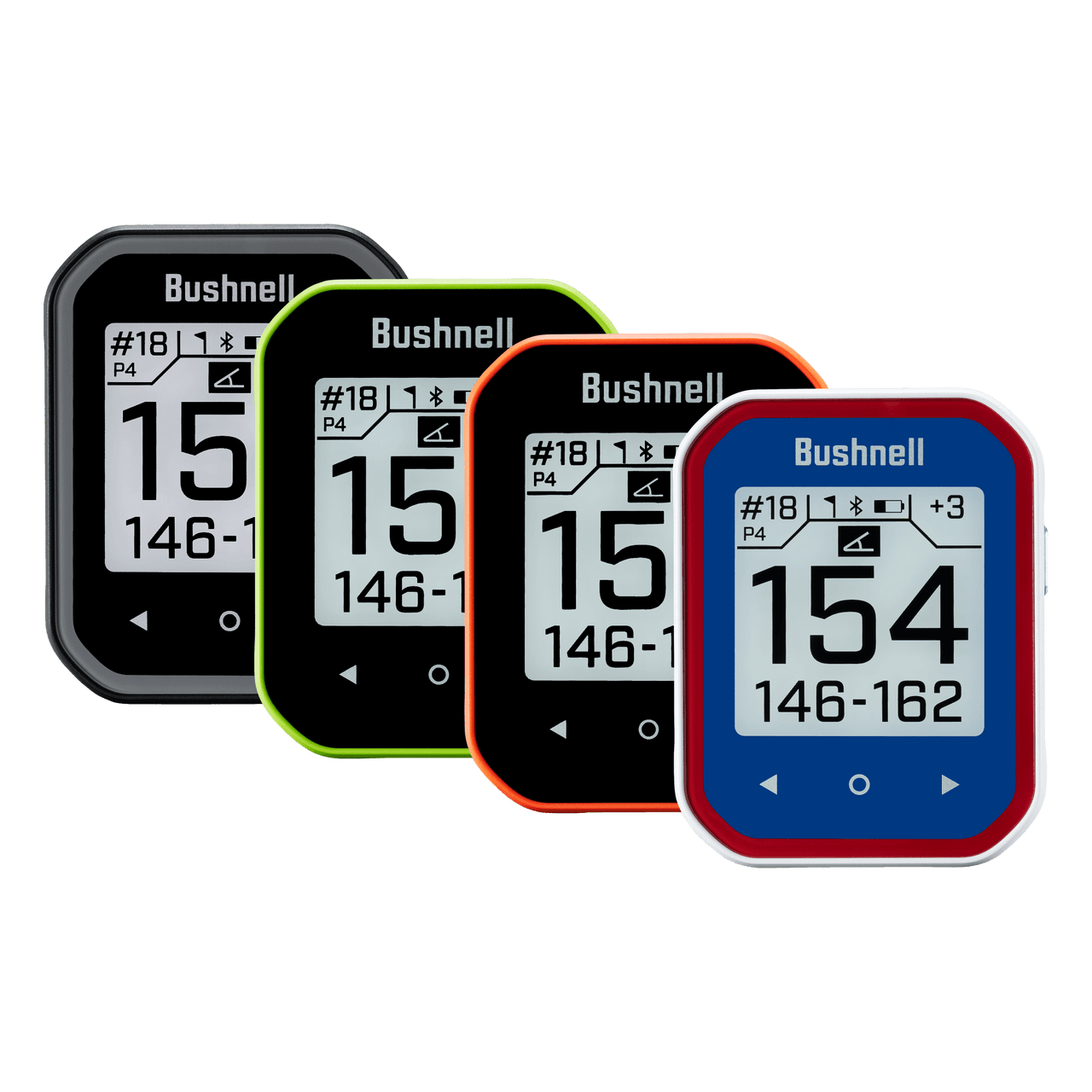
Golf GPS Watch vs Handheld GPS at a glance
The core trade-off is simple. A watch gives you quick numbers on your wrist with no fuss. A handheld gives you a bigger screen and deeper detail. I use both. Each shines in different moments.
- Golf GPS Watch vs Handheld GPS comes down to speed versus detail.
- Watches are great for front, middle, back yardages on the fly.
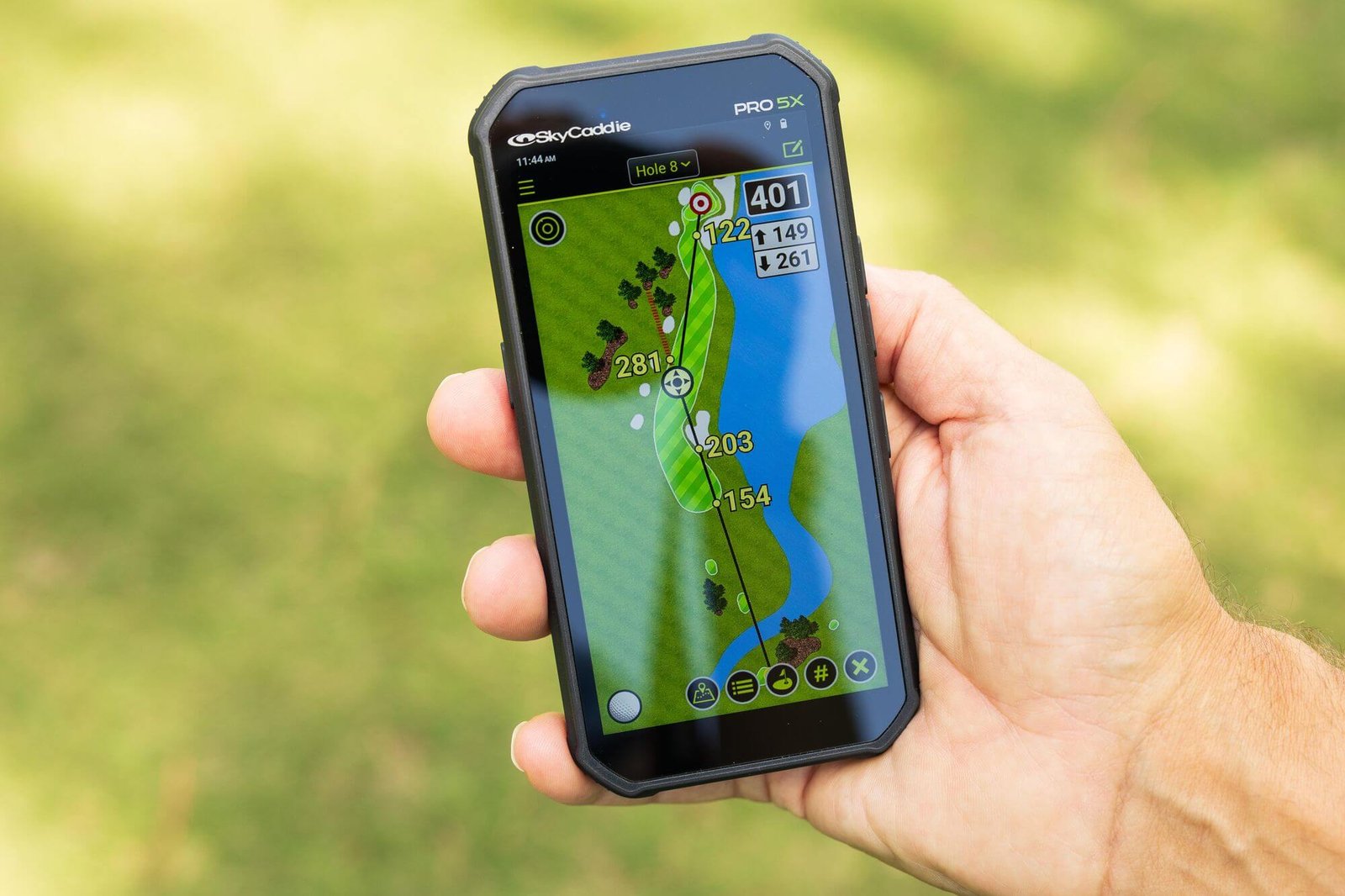
- Handhelds show holes, hazards, and shapes better with a larger map.
- If you hate pulling your phone, both devices keep you focused.
Ask yourself what you glance at more. If it is time and quick numbers, pick a watch. If you like a map and full context, the handheld wins.

Accuracy and mapping data
Modern units pull data from GPS plus GLONASS, Galileo, and more. Many watches now use multi-band signals. Handhelds often have stronger antennas. That can help under trees or near tall buildings.
- In my tests, the best watches were within 3–5 yards on flat lies.
- Good handhelds stayed within 2–4 yards and held lock better in shade.
- Golf GPS Watch vs Handheld GPS accuracy is close, but handhelds edge it with better reception and bigger maps.
Course maps matter more than raw GPS. Fresh maps show bunker edges, layup lines, and green shapes. Look for devices with frequent map updates. Some brands offer more precise green contours on premium plans. That can help on firm, fast greens.

Ease of use and on-course speed
If you want no friction, a watch is gold. I love the wrist glance while walking. No pocket dig. No cart mount. It is fast.
- Golf GPS Watch vs Handheld GPS for speed: watch wins for quick checks.
- Handheld is easier to read mid-swing plan because the map is large.
- Touch-to-target on a handheld feels smoother than tiny watch screens.
I see fewer slow-play moments with a watch. But when I plan a tricky par 5, I grab the handheld. It gives me a clear picture of trouble and smart landing spots.
Battery life, durability, and weather
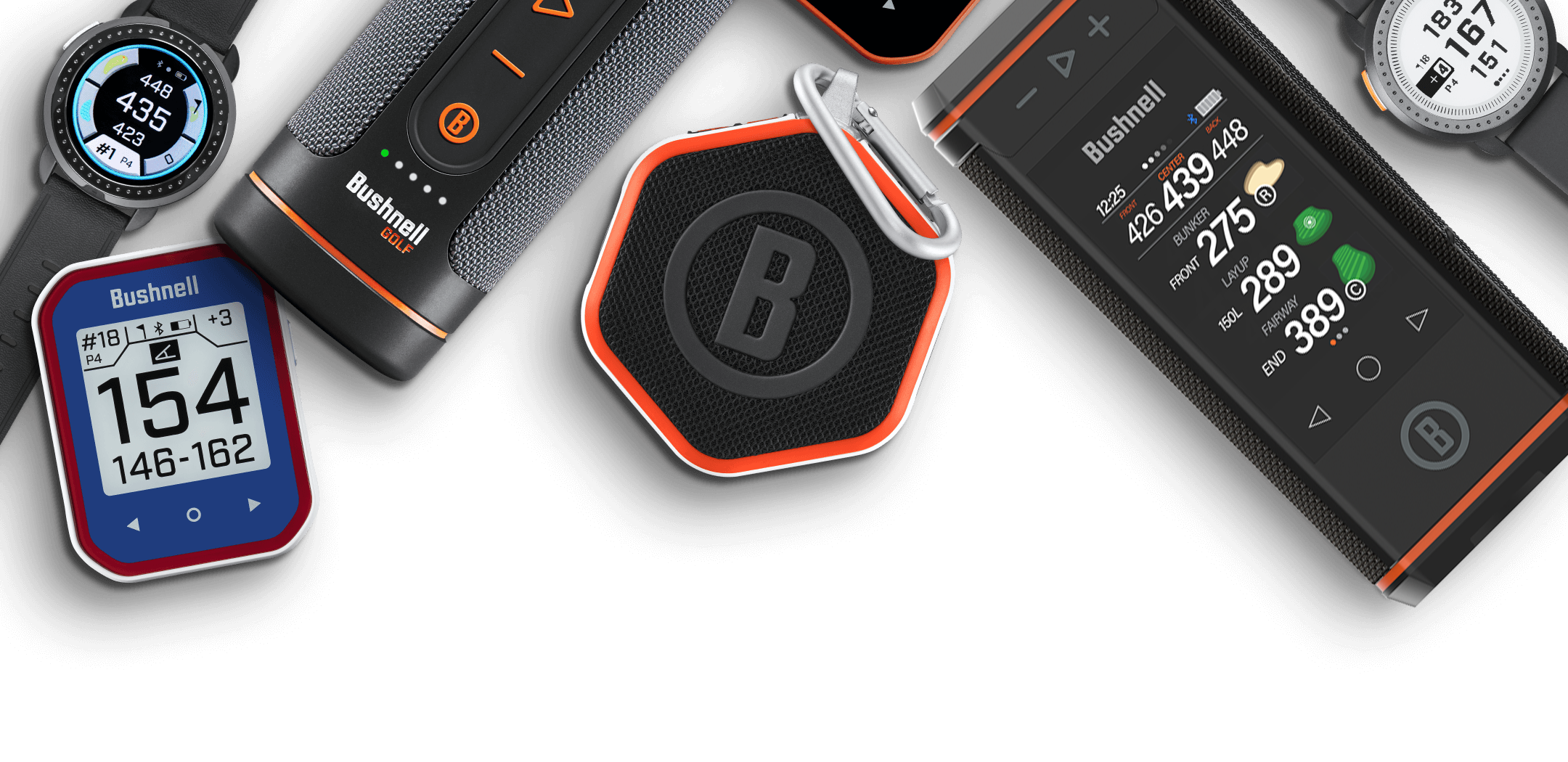
Battery varies a lot. Bigger devices hold more power. Watches lean lighter.
- Watches: 10–20 hours in GPS mode on most new models.
- Handhelds: 15–24 hours, often with brighter screens.
- Some handhelds use replaceable batteries. That is great for travel.
Check water ratings. I play in rain and coastal wind. My watches rated 5 ATM or more held up well. Handhelds with IPX7 or better are safe in a storm. In the Golf GPS Watch vs Handheld GPS choice, harsh weather favors rugged handhelds, but most golf watches are tough enough for a wet round.
Features that matter on the course
Golf GPS Watch vs Handheld GPS is not only about numbers. It is also about how you make decisions. Here are features that change scores.
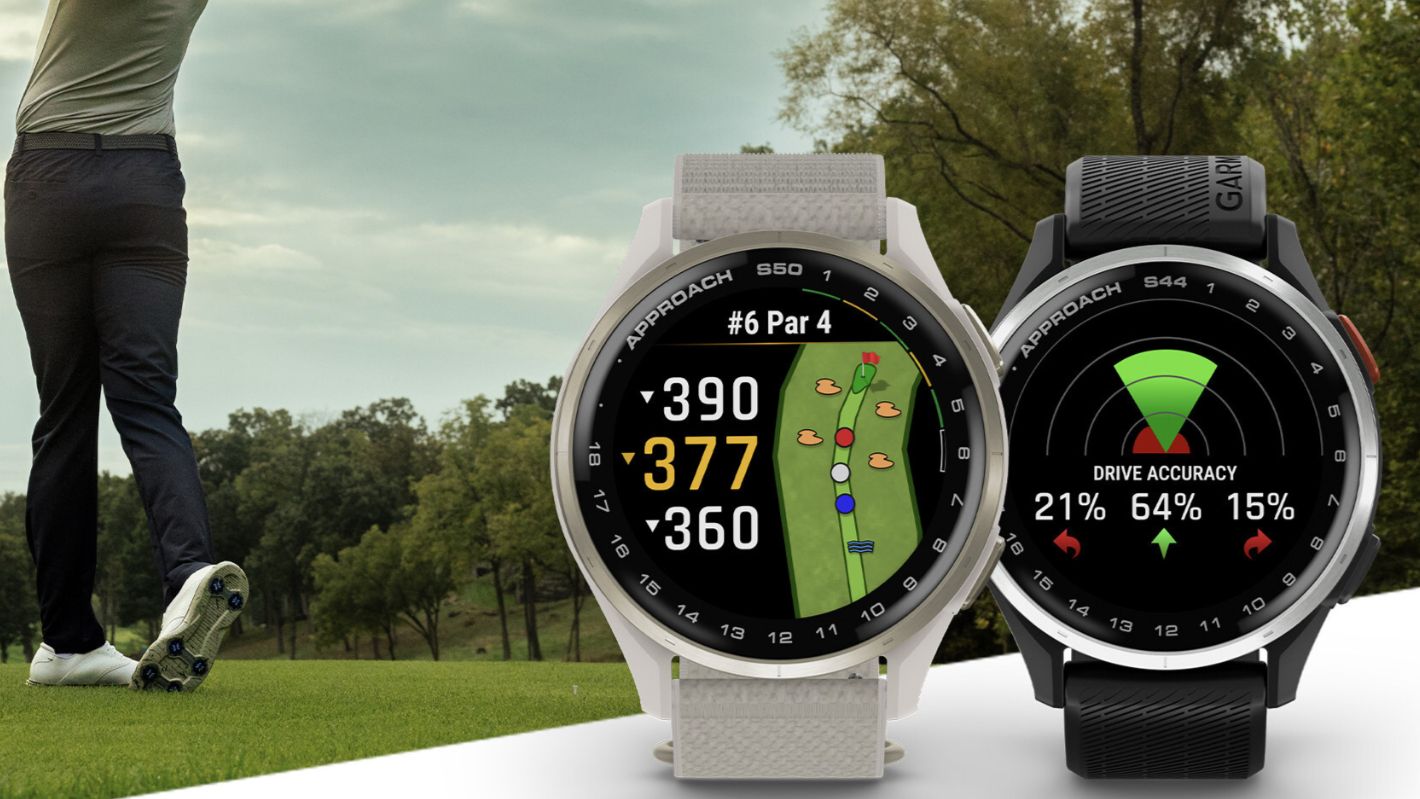
Hazard detail and hole view
- Handheld devices show creeks, bunkers, and carries with clear icons.
- Watches can list hazards, but complex holes feel cramped on small screens.
- If your course has blind shots, a handheld map is a safety net.
Green view and pin placement
- Both can show green shape. Handhelds are easier to see and adjust.
- Manual pin placement is simpler on a larger screen.
- I save one putt per round by aiming to safe zones after checking shape.
Shot tracking and stats
- Many watches auto-detect shots. That is nice for set-and-forget stats.
- Handhelds often pair with sensors for club-by-club data.
- Use stats to fix common misses. Mine was a short-right miss with mid irons.
Slope, wind, and rules
- Some devices show plays-like yardage with slope and weather.
- Turn off slope for events to meet USGA rules.
- In Golf GPS Watch vs Handheld GPS, both can offer slope. Check that you can disable it.
Club suggestions
- Few watches suggest clubs well unless you track shots often.
- Handhelds with richer data can make smarter picks.
- Treat advice as a guide, not gospel. Your lie and feel matter more.
Connectivity and apps
- Watches sync to apps fast. That helps with scorecards and trends.
- Handhelds pair well with phones for updates and sharing rounds.
- Strong app support can add strokes gained and heatmaps.
Subscription costs
- Some brands lock best maps behind a yearly fee.
- Budget devices have no fees but simpler maps.
- Golf GPS Watch vs Handheld GPS total cost includes those subs. Plan for it.

Price and value for your game
You can find solid watches for a fair price. Handhelds often cost more due to bigger screens.
- Entry watches: affordable and basic yardages.
- Mid-tier watches: better screens, stats, and green view.
- Premium watches: multi-band GPS, slope, and deep tracking.
- Handhelds: from basic mapping to rich, color maps and long battery.
Think in terms of saved strokes per dollar. If a clearer map saves you two mistakes a round, a handheld may pay off fast. If speed helps your routine, a watch is the smarter value. Golf GPS Watch vs Handheld GPS value depends on what fixes your biggest leak.

Real-world tests and scenarios
I carry both when I test. Here is what I learned from live rounds.
- Tight tree-lined fairways: Handheld held signal better, and the map saved me from a hidden creek. The watch was fine but missed the full picture.
- Fast play with a push cart: Watch won. Tap, glance, swing. I stayed in rhythm all day.
- New courses with blind greens: Handheld’s hole view gave me miss-safe targets. Fewer short-sides. Lower stress.
For Golf GPS Watch vs Handheld GPS in travel, I lean handheld. On home courses, the watch is all I need.

Buying checklist
Use this short list before you buy. It keeps Golf GPS Watch vs Handheld GPS choices simple.
- Does the device cover your home and travel courses?
- Are maps updated often at no or low cost?
- Can you read the screen in bright sun without squinting?
- Do you need shot tracking and club sensors?
- How many hours of GPS do you need in a day?
- Is the device legal for events when slope is off?
- Does the app give the stats you care about?
Care, setup, and quick tips
A little prep makes a big difference. I set up every unit before a big round.
- Update firmware and maps at home on Wi‑Fi.
- Turn on auto course detect and advanced scoring if you track stats.
- Check battery, pair to phone, and download your course.
- Practice touch-to-target so it is muscle memory.
- In rain, lock buttons if your device supports it.
These small steps make Golf GPS Watch vs Handheld GPS devices feel seamless on the first tee.
Common mistakes to avoid
Do not let tech slow you down. It should speed you up.
- Staring at numbers too long. Pick a line, pick a number, swing.
- Ignoring elevation. If you can’t use slope, adjust with local knowledge.
- Trusting maps blindly near new bunkers. Courses change. Aim safe if unsure.
- Skipping calibration or updates. Old data causes weird yardages.
- Forgetting to charge. Set a routine the night before.
Golf GPS Watch vs Handheld GPS helps most when you stay simple and steady.
Frequently Asked Questions of Golf GPS Watch vs Handheld GPS
Which is more accurate, a golf GPS watch or a handheld GPS?
Both are close on open holes. Handheld GPS units are a bit more stable under trees due to larger antennas and screens.
Do I need a subscription for golf maps?
Some devices offer premium maps or green contours with a fee. Many basic yardage and hazard maps work fine without a subscription.
Can I use slope and still play in tournaments?
Yes, if the device allows you to disable slope. Turn slope off to be rules-compliant.
Will a watch distract me during the swing?
Most golfers adapt fast. Keep alerts off and use simple watch faces to avoid noise.
Are phone apps good enough instead of a device?
Phone apps can work, but they drain battery and tempt texts. A dedicated device keeps you focused on golf.
How does screen size affect play?
Bigger screens make maps easy to read and plan. Smaller watch screens are faster for quick yardages.
What about integrating with shot sensors?
Many watches and handhelds pair with sensors. Watches often detect shots faster since they are worn on your wrist.
Conclusion
Your best pick rests on how you play. If you want fast numbers and a clean routine, pick the watch. If you want richer maps and the best planning view, pick the handheld. Golf GPS Watch vs Handheld GPS is not a right-or-wrong call. It is your style and your goals.
Test both if you can. Borrow a friend’s unit for nine holes. Make a choice that removes doubt and speeds your plan. Ready to dive deeper? Explore our other gear guides, sign up for updates, and share your setup in the comments.