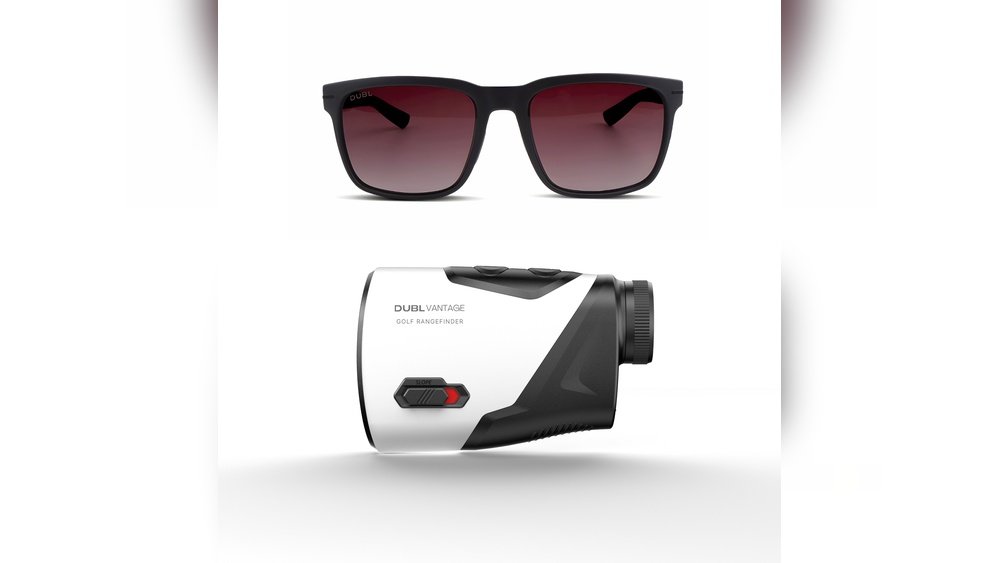
Have you ever wondered if your golf rangefinder still works when you’re wearing glasses? If you rely on both to improve your game, this question is probably on your mind.
You want clear, accurate readings without any hassle or guesswork. Understanding how a rangefinder interacts with your glasses can make a big difference in your confidence on the course. Keep reading to discover the truth and learn how to get the best results every time you aim for that perfect shot.

How Golf Rangefinders Work
Golf rangefinders help golfers measure the distance to a target. They give quick, accurate readings. This helps players choose the right club and improve their shots. Understanding how these devices work can clear up questions about their use with glasses.
Laser Technology Basics
Golf rangefinders use laser beams to measure distance. The device sends a laser pulse toward the target. The laser hits the target and bounces back to the rangefinder. The device calculates how far the pulse traveled. This is done by measuring the time it took for the laser to return.
Measuring Distance Accurately
The device uses the speed of light in its calculations. This allows for very precise distance readings. The rangefinder shows the number on a small screen. This number tells the golfer how far the target is. Even small errors can affect the reading, so the technology is finely tuned.
Impact Of Glasses On Rangefinder Performance
Glasses can affect how a golf rangefinder works. The lenses change how light passes through. This can change the accuracy and clarity of the distance reading. Understanding this impact helps golfers get better results.
Different types of glasses affect rangefinders in unique ways. Some lenses might blur the image. Others can reduce glare or change colors. Knowing these effects helps in choosing the right rangefinder and glasses.
Effect Of Prescription Lenses
Prescription lenses bend light to correct vision. This bending can alter the rangefinder’s laser path. Sometimes, the distance reading might be off by a small margin. Thicker lenses may cause more distortion than thinner ones. Most golfers still get usable readings with prescription glasses.
Role Of Lens Coatings
Lens coatings protect eyes and improve vision. Anti-reflective coatings reduce glare from sunlight. This helps the rangefinder’s laser to be clearer. Some coatings may block or weaken the laser beam. This can cause the rangefinder to struggle finding the target. Choosing glasses with simple coatings works best for rangefinders.
Polarized And Tinted Glasses
Polarized lenses cut glare from reflective surfaces. This can interfere with the laser signal. Some rangefinders may not work well through polarized glasses. Tinted glasses reduce brightness and change colors. This can make the target harder to see. Clear or lightly tinted glasses give better rangefinder results.
Testing Rangefinders With Glasses
Testing golf rangefinders while wearing glasses reveals important insights for many users. People who wear glasses want to know if the device works well without removing them. Testing helps identify any challenges or limitations. It also shows which rangefinders perform best in real-life conditions. Understanding these factors helps users pick the right tool for their needs.
Common User Experiences
Many users report mixed results when using rangefinders through glasses. Some see clear readings without any problem. Others notice blurry or dim displays. Reflections on lenses sometimes cause interference. Thin or anti-reflective coated glasses usually work better. Some users prefer to take off their glasses for accuracy. Comfort and ease of use vary widely among individuals.
Rangefinder Models And Compatibility
Not all rangefinders handle glasses equally well. Some models have brighter displays that cut through lens reflections. Others offer adjustable focus or diopter settings for clear vision. Laser technology and screen brightness affect compatibility. Compact and lightweight models often fit better with glasses. Checking product specs can help find glasses-friendly options. Testing a model before buying ensures it meets personal needs.
Tips For Using Rangefinders With Glasses
Using a golf rangefinder while wearing glasses can be tricky. Glasses may affect how you see through the device. Small changes in how you hold the rangefinder can make a big difference. These tips help you get clear and accurate readings.
Adjusting Your Technique
Hold the rangefinder close to your glasses but not touching them. This avoids blurry or double images. Look through the eyepiece slowly to focus the lens. Blink a few times to reduce glare. Keep both eyes open to improve depth perception. Practice steady hand movements to get steady readings.
Choosing The Right Rangefinder
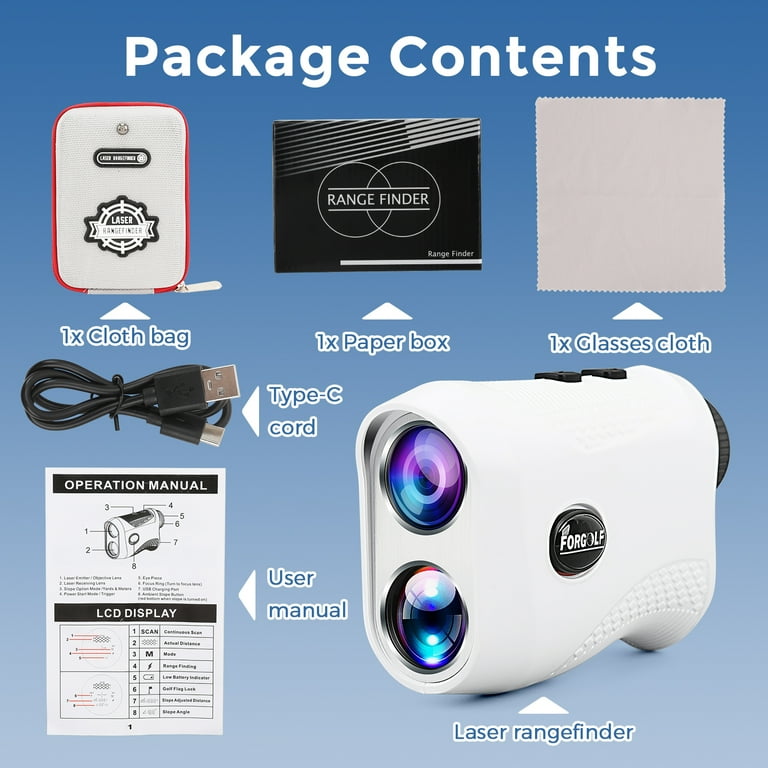
Select a rangefinder with adjustable eyepiece focus. This feature helps users with glasses see clearly. Opt for models with a larger eye relief distance. It allows you to hold the rangefinder farther from your eyes. Choose a device with bright, clear optics for better visibility. Check if the rangefinder fits comfortably with your glasses.
Alternatives For Glasses Wearers
Golf rangefinders can be tricky for players who wear glasses. The lenses might affect the device’s accuracy or make it hard to see clearly. Luckily, there are several alternatives that work well with glasses. These options help golfers get precise distance readings without removing their eyewear. They also make the game more enjoyable and less stressful.
Golf Apps And Gps Devices
Golf apps and GPS devices offer an easy way to measure distances. They work well through glasses since they use satellite signals, not lasers. You can carry your phone or a small GPS unit on the course. These tools provide maps, distances, and even hazards. They also track your score and give tips for your next shot. Most apps are simple to use and update regularly for new courses.
Clip-on Lenses And Accessories
Clip-on lenses and special accessories improve rangefinder use for glasses wearers. They attach directly to your glasses or the rangefinder itself. These add-ons reduce glare and improve focus. Some clip-ons create a clearer view through the rangefinder lens. Others help align the device better with your eyesight. These small tools make it easier to use a rangefinder without taking off your glasses.
Frequently Asked Questions
Does A Golf Rangefinder Work With Prescription Glasses?
Yes, most golf rangefinders work well through prescription glasses. However, anti-reflective coatings on glasses can sometimes affect clarity. Always test your rangefinder with your glasses before playing to ensure accurate readings and clear visibility of targets.
Can Polarized Sunglasses Affect Rangefinder Accuracy?
Polarized sunglasses may reduce the brightness of the laser dot, making it harder to see targets. This can affect rangefinder accuracy, especially in low light. Consider using non-polarized lenses or removing sunglasses when using your rangefinder for best results.
How Does Lens Coating Impact Rangefinder Use?
Lens coatings like anti-reflective layers on glasses can cause light distortion. This may slightly reduce the rangefinder’s laser visibility. Most modern rangefinders are designed to minimize this effect, but testing with your specific glasses is recommended for optimal performance.
Is It Better To Remove Glasses When Using A Rangefinder?
Removing glasses can improve the rangefinder’s laser visibility, especially if glasses have strong tints or coatings. However, if you rely on glasses for clear vision, keep them on and ensure your rangefinder display is bright enough to compensate.
Conclusion
Golf rangefinders can work well through most glasses. The lens quality of your glasses matters a lot. Some lenses may blur or change the view slightly. Clear, non-reflective lenses help the best results. Always test your rangefinder with your glasses before play.
Small adjustments in aim can improve accuracy. Using a rangefinder feels easier with the right setup. Playing golf with glasses is not a problem here. Just keep your equipment clean and ready to use. Enjoy better distance readings and a smoother game.


