Have you ever wondered if professional golfers wear spiked shoes? You might think those sharp spikes are just for amateurs or casual players, but the truth could surprise you.
Your choice of golf shoes can affect your balance, swing, and overall game. Keep reading to discover what the pros really wear on their feet and how it can change the way you play. By the end, you’ll know exactly why shoe spikes matter—whether you’re hitting the course for fun or aiming to improve your score.
Spiked Shoes In Golf
Spiked shoes have been a key part of golf for many years. They help players stay steady on the grass. This stability is important for a good swing and better control. Many professional golfers choose spiked shoes to improve their game. The design of these shoes focuses on grip and comfort.
Types Of Golf Shoes
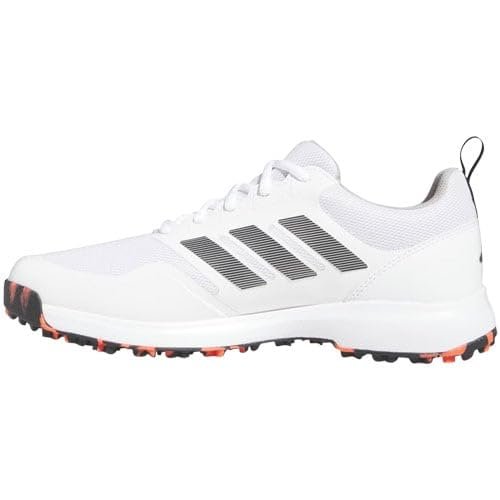
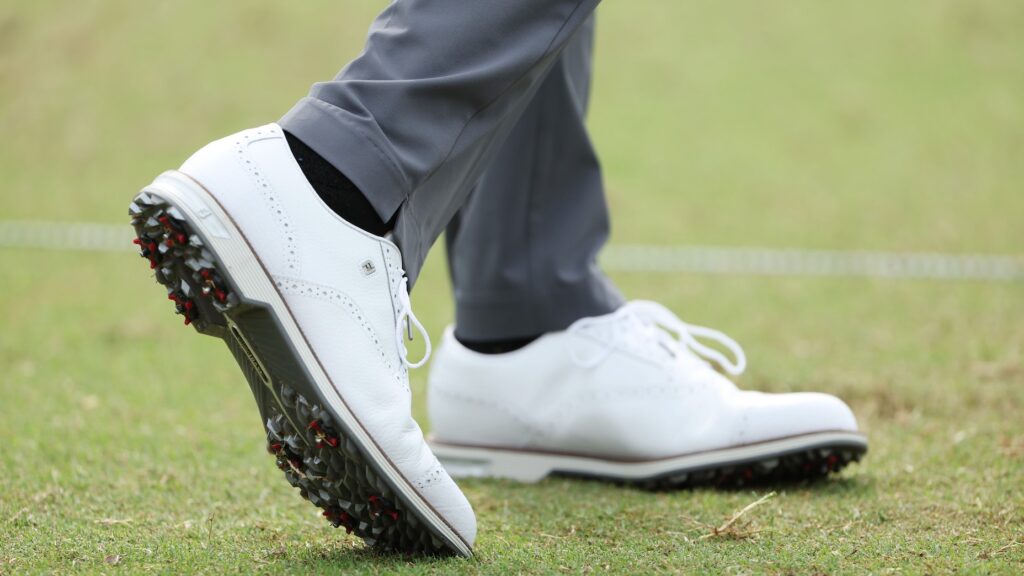
Golf shoes come in two main types: spiked and spikeless. Spiked shoes have small spikes on the sole. These spikes dig into the ground for better traction. They work well on wet or uneven surfaces. Spikeless shoes have rubber or plastic nubs instead of spikes. They offer more comfort and flexibility. Many players prefer spikeless shoes for casual play or walking.
History Of Spiked Shoes
Spiked golf shoes have a long history. In the early 1900s, metal spikes were common. They gave players strong grip but could damage greens. Later, manufacturers made plastic spikes to protect the course. Over time, spikes became softer and more comfortable. Today’s spikes are designed for both performance and turf care. This balance helps players and courses alike.
Benefits Of Spiked Shoes
Spiked shoes offer clear benefits for golfers. They help players stay steady and confident on the course. The design supports better control and comfort during every part of the game. These shoes improve key aspects of a golfer’s performance.
Enhanced Traction
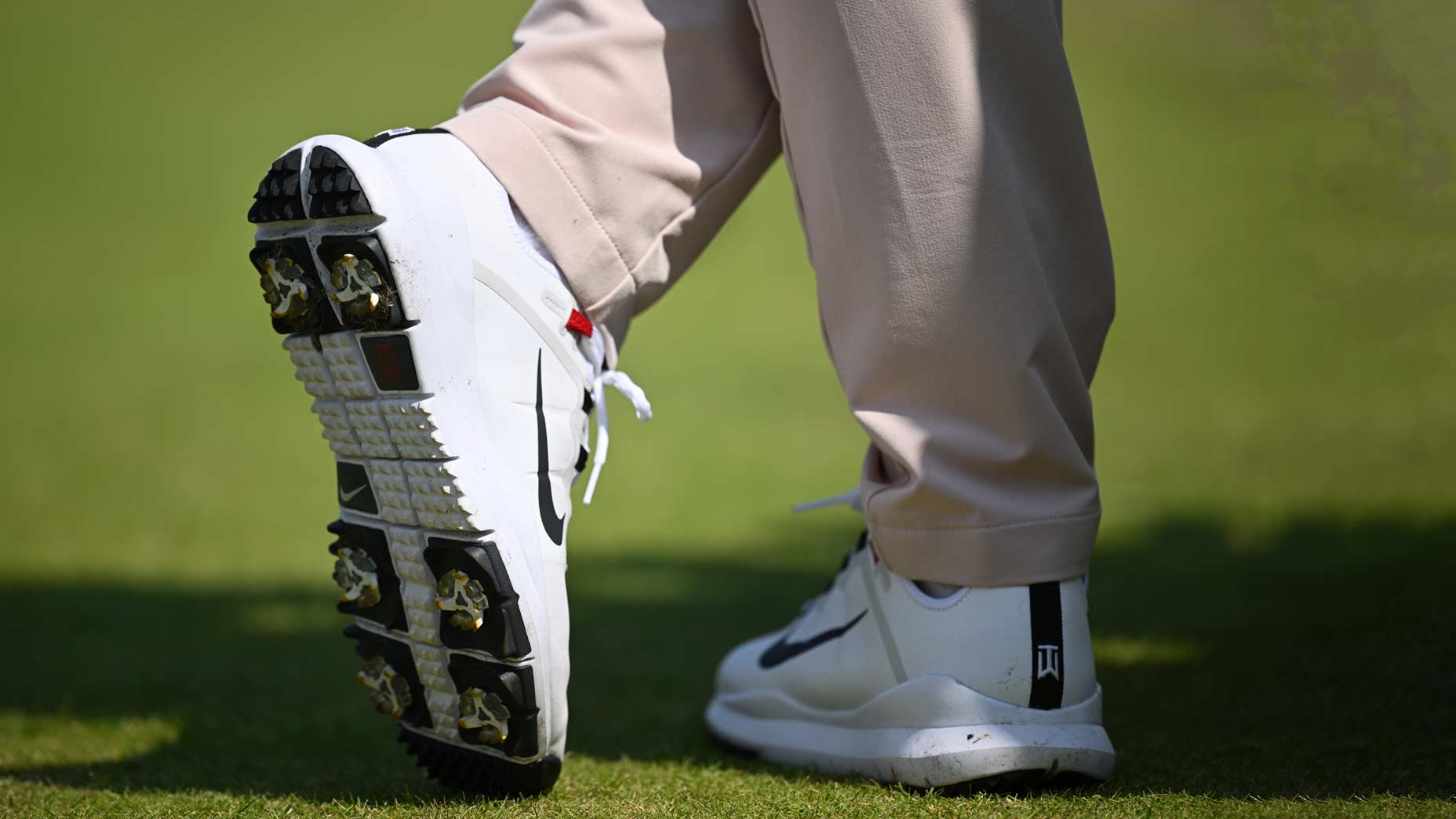
Spikes dig into the ground to prevent slipping. This grip is crucial on wet or uneven surfaces. Better traction lets golfers maintain balance during their swings. It helps keep feet in place, reducing the chance of falls.
Improved Stability
Spiked shoes give extra support to the feet. They stabilize the body through the golf swing. This stability reduces unwanted movement and helps keep posture steady. Players feel more secure, which boosts confidence on every shot.
Better Swing Performance
Strong footing allows for smoother, more powerful swings. Spiked shoes help transfer energy from feet to club. This results in better control and accuracy. Golfers can focus on their technique without worrying about slipping.
Alternatives To Spiked Shoes
Many golfers choose not to wear traditional spiked shoes. They want comfort and good grip without the metal spikes. Shoe makers created alternatives that help players stay stable on the course. These options work well on different surfaces and feel softer on the feet.
Spikeless Golf Shoes
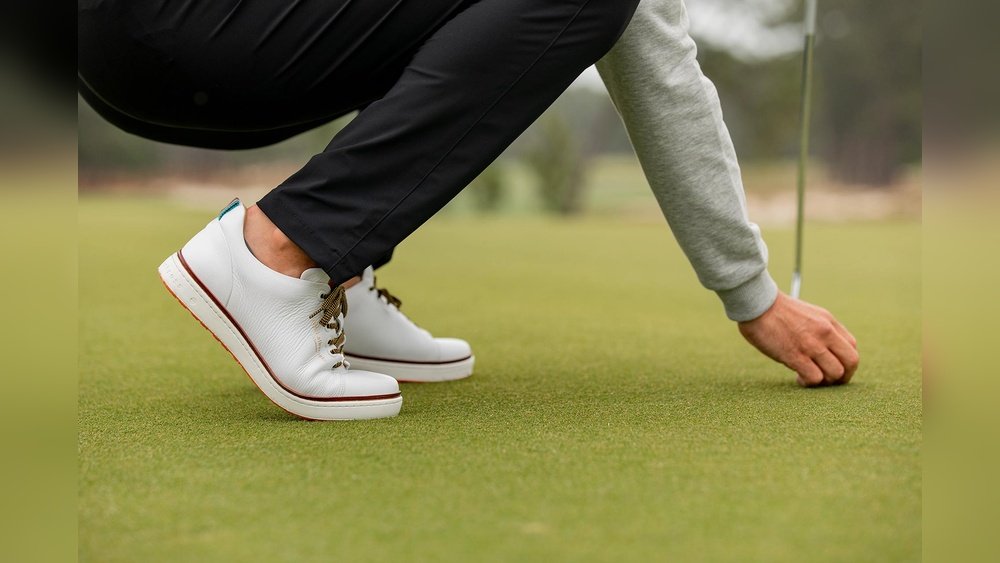
Spikeless shoes use soft rubber nubs instead of hard spikes. These nubs give traction but do not dig into the ground. They feel lighter and more flexible than spiked shoes. Many players find them more comfortable for walking long rounds. Spikeless shoes also work well off the course, for casual wear.
Hybrid Designs
Hybrid golf shoes combine features of spiked and spikeless styles. They have small, low-profile spikes mixed with rubber grips. This mix offers good traction and comfort together. Hybrids suit golfers who want extra hold on wet grass. They perform well in various weather and course conditions.
Professional Preferences
Professional golfers choose their shoes carefully. Their choice depends on comfort, course conditions, and personal style. Some prefer spiked shoes for extra grip. Others like spikeless for more freedom and comfort. Preferences vary from player to player.
Popular Brands Among Pros
Many pros wear shoes from trusted brands. FootJoy leads with many top players. Nike offers style and performance. Adidas is popular for lightweight designs. Each brand has models with spikes or spikeless options. Pros pick what fits their needs best.
Situations Favoring Spiked Shoes
Spiked shoes help on wet or hilly courses. They provide firm grip and prevent slipping. During tournaments with tough course conditions, spikes offer control. Players rely on them for stability and balance. Spiked shoes improve traction during swings.
When Pros Choose Spikeless
Spikeless shoes feel lighter and more flexible. Pros wear them for walking comfort on dry days. They work well on flat, smooth surfaces. Some players prefer a casual look off the course. Spikeless shoes offer ease without losing too much grip.
Rules And Regulations
Rules and regulations shape the use of spiked shoes in professional golf. These rules protect the golf course and keep the game fair. Professional golfers must follow policies set by golf courses and tournament officials. Understanding these rules helps explain why spiked shoes are sometimes limited or banned.
Golf Course Policies
Many golf courses set their own rules about shoes. Some allow metal spikes, while others ban them. Metal spikes can damage soft greens and fairways. To protect the course, many clubs prefer soft spikes or spikeless shoes. Golfers must check the course’s shoe policy before playing. Ignoring these rules can lead to fines or being asked to leave.
Tournament Guidelines
Tournament organizers also set shoe rules for players. Most professional tournaments ban metal spikes. This rule prevents damage to delicate tournament greens. Players usually wear soft spikes or spikeless shoes during events. Officials may inspect shoes to ensure they follow guidelines. Breaking these rules can lead to disqualification or penalties.

Care And Maintenance
Proper care and maintenance of spiked golf shoes help keep them in top shape. Clean shoes last longer and perform better on the course. Regular upkeep prevents damage and keeps spikes gripping well.
Cleaning Spiked Shoes
Remove dirt and grass from the shoes after each round. Use a soft brush or cloth to clean the surface. For tough spots, use mild soap and water. Avoid soaking shoes to protect the material. Let shoes dry naturally, away from direct heat.
Replacing Spikes
Check spikes regularly for wear or damage. Worn spikes reduce traction and can cause slipping. Use a spike wrench to remove old spikes carefully. Screw in new spikes until they are snug but not too tight. Replace all spikes at once for even grip.
Frequently Asked Questions
Do Professional Golfers Prefer Spiked Or Spikeless Shoes?
Professional golfers mainly use spiked shoes for better grip and stability. Spiked shoes offer traction on various terrains, especially on wet grass. However, some pros choose spikeless shoes for comfort and lighter weight during play.
Why Do Golfers Need Spikes On Their Shoes?
Spikes provide essential traction, preventing slipping during swings. This improves balance and power transfer. They help maintain stability on uneven, wet, or grassy surfaces common on golf courses.
Are Spiked Shoes Allowed In Professional Golf Tournaments?
Yes, spiked shoes are allowed in most professional golf tournaments. However, they must meet specific regulations set by golf associations. Soft spikes are preferred for course protection and player safety.
How Do Spiked Shoes Improve A Golfer’s Performance?
Spiked shoes enhance grip, allowing stronger, controlled swings. They reduce the risk of slipping, which improves accuracy. Better stability also helps maintain proper posture throughout the game.
Conclusion
Professional golfers often choose spiked shoes for better grip. These shoes help keep balance on wet or uneven ground. Some prefer spikeless shoes for comfort and style. Both types support different playing conditions and personal needs. Choosing the right shoe can improve stability and performance.
Comfort matters too, as players walk many miles during a round. Whether spiked or spikeless, shoes play a key role in golf. The choice depends on the course and player preference. Shoes are more than just gear; they impact every swing.