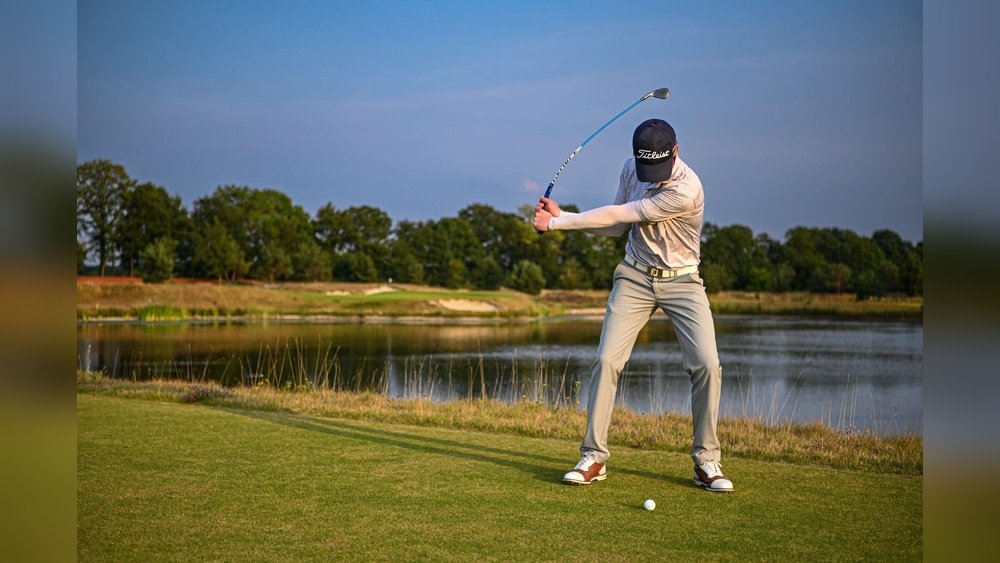
Have you ever wondered how PGA players keep their swings sharp and consistent under pressure? If you want to improve your golf game, understanding the tools pros use can give you a real edge.
Swing trainers are one of those tools, but do the top players actually use them? Keep reading to discover the surprising truth about PGA pros and swing trainers—and how this knowledge can help you hit better shots every time you step on the course.

Pga Players And Swing Trainers
PGA players spend hours refining their golf swings. Swing trainers help them practice and improve. These tools offer feedback and build muscle memory. Even the best players use trainers to stay sharp.
Professional golfers often try different trainers. Each one targets specific parts of the swing. Some focus on tempo, others on grip or alignment. PGA players select trainers that fit their needs.
Pga Players Use Swing Trainers For Practice
Many PGA players include swing trainers in their practice routines. Trainers help develop consistency and control. Practicing with these tools allows players to notice small errors. This leads to better swings during tournaments.
Benefits Of Swing Trainers For Professionals
Swing trainers improve muscle memory and timing. They also help players stay focused on their technique. Regular use can reduce common swing faults. Players get instant feedback, which speeds up improvement.
Examples Of Swing Trainers Used By Pga Players
PGA players use a variety of trainers. Weighted clubs help build strength and balance. Alignment sticks improve aiming and posture. Tempo trainers assist with swing rhythm and speed control.
How Swing Trainers Fit Into A Pro’s Training
Swing trainers are part of a larger training plan. Pros use them alongside coaching and video analysis. This combination helps perfect every detail of the swing. Trainers keep players ready for any course conditions.
Types Of Swing Trainers Used
Golf pros use various tools to improve their swings. These tools help players practice and get better. Swing trainers come in many forms. Each type targets a different part of the swing. Below are the main types of swing trainers used by PGA players.
Mechanical Devices
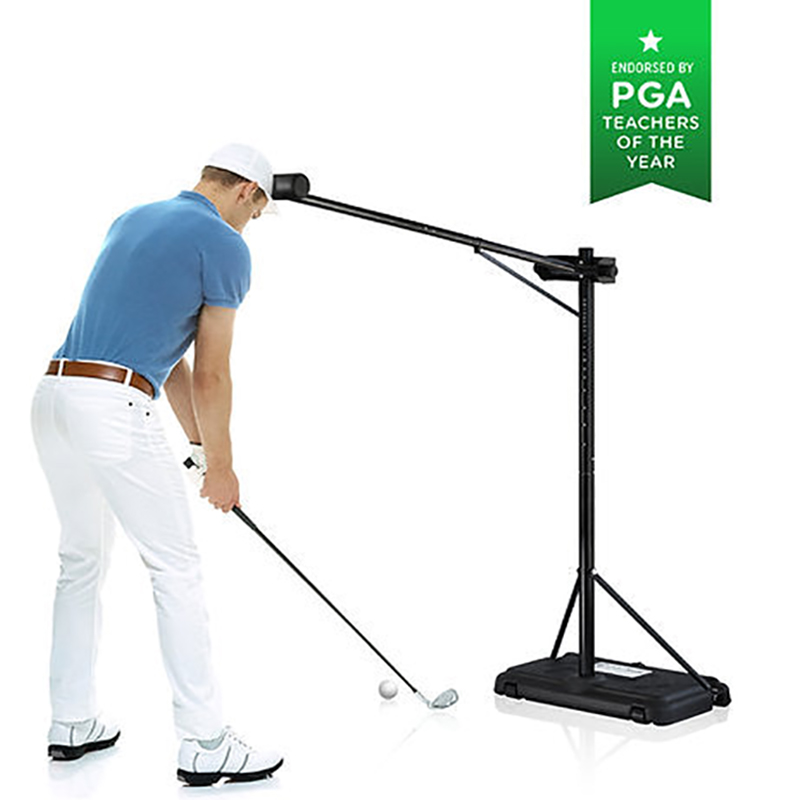
Mechanical devices guide the swing path and tempo. They often include rods or frames to align the body. These devices help players keep their swing on track. They build muscle memory for consistent swings. Many pros use these to perfect their form.
Digital Swing Analyzers
Digital analyzers use sensors to measure swing data. They track speed, angle, and club path. Players get instant feedback on their performance. This helps identify mistakes quickly. Many PGA players use these tools during practice rounds.
Weighted Clubs And Aids
Weighted clubs add extra resistance to the swing. They strengthen muscles used in swinging. These aids improve control and speed. Players swing them to build power and timing. Weighted tools are simple but effective training aids.
Benefits Of Swing Trainers For Pros
Swing trainers help PGA players sharpen their skills off the course. These tools offer clear benefits that pros trust. They improve key areas that affect performance. Using a swing trainer is a smart way to practice effectively. It supports constant growth in a player’s technique and confidence.
Improving Consistency
Consistency is vital for every PGA player. Swing trainers help create a reliable swing pattern. Regular use reduces mistakes and shaky shots. They guide players to hit the ball the same way each time. This leads to better scores and less frustration on the course.
Enhancing Swing Mechanics
Proper swing mechanics are the foundation of good golf. Swing trainers show players how to move their body correctly. They highlight flaws in posture, grip, and rotation. This feedback allows pros to adjust and improve quickly. Better mechanics mean more power and control in every shot.
Building Muscle Memory
Muscle memory helps players repeat good swings without thinking. Swing trainers create the right muscle movements through practice. The body learns the correct motion step-by-step. Over time, swings become automatic and smooth. This saves energy and improves focus during real games.
Common Misconceptions About Swing Trainers
Swing trainers often get a bad reputation. Many golfers think they are only for beginners or casual players. Some believe pros do not use them at all. These ideas are not always true.
Understanding common misconceptions helps golfers use swing trainers better. It also shows why PGA players might choose to include them in practice.
Not Just For Beginners
Many assume swing trainers help only new players. PGA players use them to refine and maintain skills. Even top golfers need constant practice and feedback.
They Don’t Replace Real Golf Practice
Some think swing trainers can replace playing on the course. In truth, trainers improve specific parts of the swing. Real course play builds strategy and experience.
Swing Trainers Are Not Too Complicated
Some avoid trainers fearing they are hard to use. Most trainers have simple designs and clear instructions. Easy use helps players focus on improving swings.
All Swing Trainers Work The Same
Golfers may believe all swing trainers offer the same benefits. Different trainers target different swing areas like tempo, grip, or plane. Choosing the right one depends on personal needs.
Pros Only Use High-tech Devices
People think PGA players only use expensive, high-tech trainers. Many pros still use simple and traditional trainers. The key is consistency and correct use.
How Pga Players Incorporate Training Tools
PGA players use various training tools to improve their golf swing. These tools help them practice better and fix small mistakes. Training tools also give feedback to make swings more accurate and consistent. Pros do not rely only on these tools; they mix them with other training methods. The way they use these tools is smart and fits their busy schedules and goals.
Practice Routines
PGA players include swing trainers in daily practice sessions. They start with simple drills using these tools. These drills focus on improving swing path and tempo. Some players use video analysis to watch their swings. This helps spot errors and make quick fixes. Swing trainers also help warm up before hitting the course. Regular use builds muscle memory and confidence.
Coach Collaboration
Coaches play a big role in using training tools. They choose the best tools for each player’s needs. Coaches watch the data from swing trainers to give advice. They create practice plans based on this data. Coaches also guide players on how to use tools correctly. This teamwork makes training more effective and focused.
On-course Usage
Some PGA players use training tools during rounds on the course. They check their swing in practice swings before shots. This helps them stay consistent under pressure. Portable trainers allow quick checks between holes. Players also use tools to relax and refocus during play. This keeps their mind and body ready for the next shot.
Famous Pros Who Use Swing Trainers
Many top PGA players use swing trainers to improve their skills. These tools help them practice swing mechanics and timing. Even the best golfers trust swing trainers for steady progress.
Using a swing trainer helps pros stay consistent and control their shots better. It sharpens their muscle memory and builds confidence on the course. These benefits make swing trainers popular among famous golfers.
Justin Thomas
Justin Thomas uses swing trainers to refine his swing path. He focuses on smooth, repeatable swings for better accuracy. Trainers help him keep his swing balanced and efficient.
Rory Mcilroy
Rory McIlroy practices with swing trainers to build strength and rhythm. He works on timing to maintain power through the ball. Swing trainers support his goal of precision under pressure.
Jordan Spieth
Jordan Spieth relies on swing trainers for consistency. They help him maintain a steady tempo during swings. This consistency helps Spieth perform well in tough conditions.
Choosing The Right Swing Trainer
Choosing the right swing trainer is key for improving your golf swing. Not all trainers suit every player. The right tool matches your skill and needs. It also fits your lifestyle and practice routine. Consider what helps you most on and off the course.
Matching Skill Levels
Beginners need simple trainers to build basic skills. Advanced players require tools that challenge their technique. Trainers vary in difficulty and focus areas. Choose one that fits your current level. It helps avoid frustration and boosts steady progress.
Portability And Convenience
Many players practice at home or travel often. Compact and lightweight trainers offer easy transport. Some fit in a golf bag or car. Portable trainers allow practice anywhere, anytime. Convenience encourages regular use and faster improvement.
Technology Integration
Modern swing trainers often include tech features. Sensors track your swing speed and path. Some connect to apps for instant feedback. Technology helps identify mistakes quickly. It guides adjustments and enhances practice quality.

Frequently Asked Questions
Do Pga Players Use Swing Trainers Regularly?
Yes, many PGA players use swing trainers to enhance their technique. These tools help improve consistency, power, and accuracy during practice sessions.
What Are The Benefits Of Swing Trainers For Pros?
Swing trainers provide instant feedback, build muscle memory, and correct flaws. Pros use them to maintain peak performance and refine their swing mechanics.
Are Swing Trainers Effective For All Skill Levels?
Absolutely, swing trainers benefit beginners and pros alike. They simplify complex movements and help players develop a reliable, repeatable golf swing.
Which Swing Trainers Do Pga Players Prefer?
PGA players often choose high-quality trainers like weighted clubs or alignment sticks. These tools target specific swing elements for precise improvement.
Conclusion
PGA players often use swing trainers to improve their skills. These tools help them practice specific parts of their swing. Consistent training leads to better control and accuracy. Swing trainers offer simple feedback that players can trust. Even top professionals rely on these devices for steady progress.
Practice with these tools can build strong muscle memory. They make training focused and efficient, saving time on the course. Using swing trainers can benefit golfers at all levels. Trying one might help you develop a smoother, more reliable swing.


