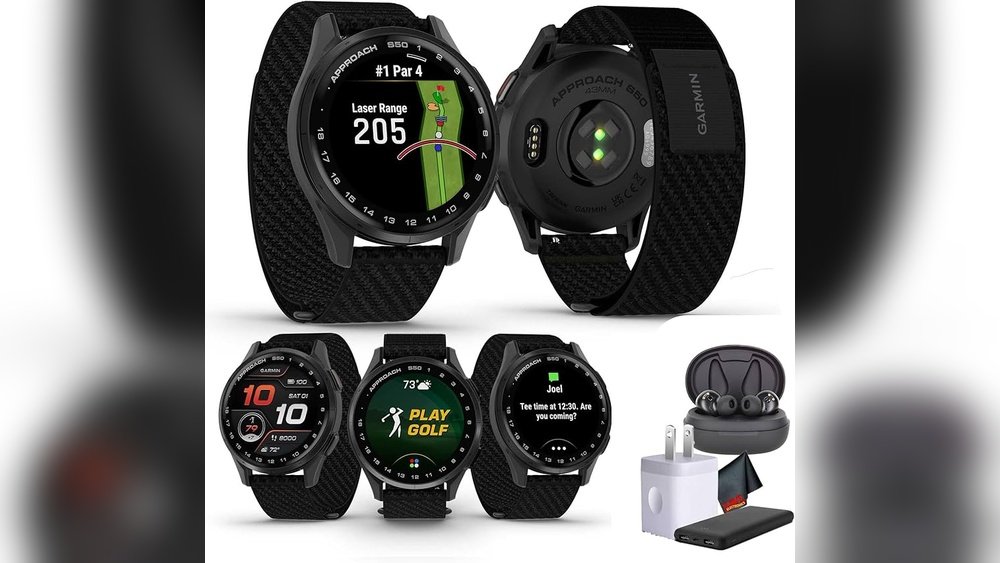
Are you curious if your GPS golf watch can do more than just track your game? Imagine having a device on your wrist that not only improves your swing but also keeps an eye on your overall fitness.
What if you could see how your heart rate, steps, and calories burned add up while you’re out on the course? If you want to know whether your golf watch is a true fitness companion, keep reading. This article will uncover the surprising ways GPS golf watches can help you stay fit and healthy, both on and off the green.
Gps Golf Watches Basics
GPS golf watches help players measure distances on the golf course. They provide useful data to improve your play. These watches show yardages to hazards, greens, and fairways. They also help track your overall game progress and stats.
Many golfers wonder if these watches track fitness. While their main goal is golf, some models include fitness features. Understanding the basics of GPS golf watches helps you see what they can do.
Core Features
GPS golf watches offer key features for golf players. They show exact distances to the front, middle, and back of the green. They also display hazards and doglegs on each hole. Many watches come with score tracking and shot measurement tools.
Some models include step counters, heart rate monitors, and calorie tracking. These fitness features vary by brand and model. The focus remains on golf, but basic fitness tracking is common.
How Gps Works On The Course
GPS golf watches use satellites to find your location on the course. The watch connects to several satellites in orbit. It calculates your exact position by measuring the signal timing. This helps the watch show distances to key points on the hole.
GPS signals work outdoors, even in open fields and trees. The watch updates your location as you move. This real-time tracking makes distance information accurate and helpful during play.
Fitness Tracking Capabilities
GPS golf watches do more than just help with your game. They can track your fitness too. These watches offer features that monitor your daily activity and health. Understanding these features helps you see how they support your overall well-being. Below are the key fitness tracking capabilities found in many GPS golf watches.
Step Counting And Distance
Most GPS golf watches count your steps accurately. They track how many steps you take throughout the day. This feature helps you stay active and meet daily goals. The watch also measures the distance you walk on the golf course and outside. This data motivates you to move more and improve your fitness.
Heart Rate Monitoring
Heart rate monitoring is common in many golf watches. It measures your pulse during exercise and rest. This helps you understand your workout intensity and recovery. Keeping track of your heart rate supports better health and fitness decisions. Some watches even alert you if your heart rate is too high or low.
Calorie Tracking
Calorie tracking shows how much energy you burn daily. The watch calculates calories based on your movement and heart rate. This feature helps with weight management and energy balance. Knowing your calorie burn encourages healthier eating and activity habits. It makes fitness goals easier to follow and achieve.
Comparing Golf Watches To Fitness Trackers
Golf watches and fitness trackers both measure health and activity. They share some features but serve different purposes. Golf watches focus on golf-related data. Fitness trackers focus on overall health and exercise. Understanding their differences helps choose the right device for your needs.
Accuracy Differences
Golf watches use GPS to track your position on the course. This GPS is very precise to measure distances to the hole or hazards. Fitness trackers often use step counters and heart rate monitors. Their GPS, if present, may not be as accurate as golf watches. This is because golf watches need exact location data for each hole. Fitness trackers focus on overall movement rather than exact position.
Specialized Golf Metrics Vs General Fitness Data
Golf watches provide data like yardage, shot tracking, and course maps. These help improve your golf game by showing shot distances and course layout. Fitness trackers record steps, calories burned, and heart rate. They may also track sleep and exercise types. Golf watches do not usually track sleep or general fitness in detail. Fitness trackers do not offer detailed golf course maps or shot analysis.
Top Gps Golf Watches With Fitness Features
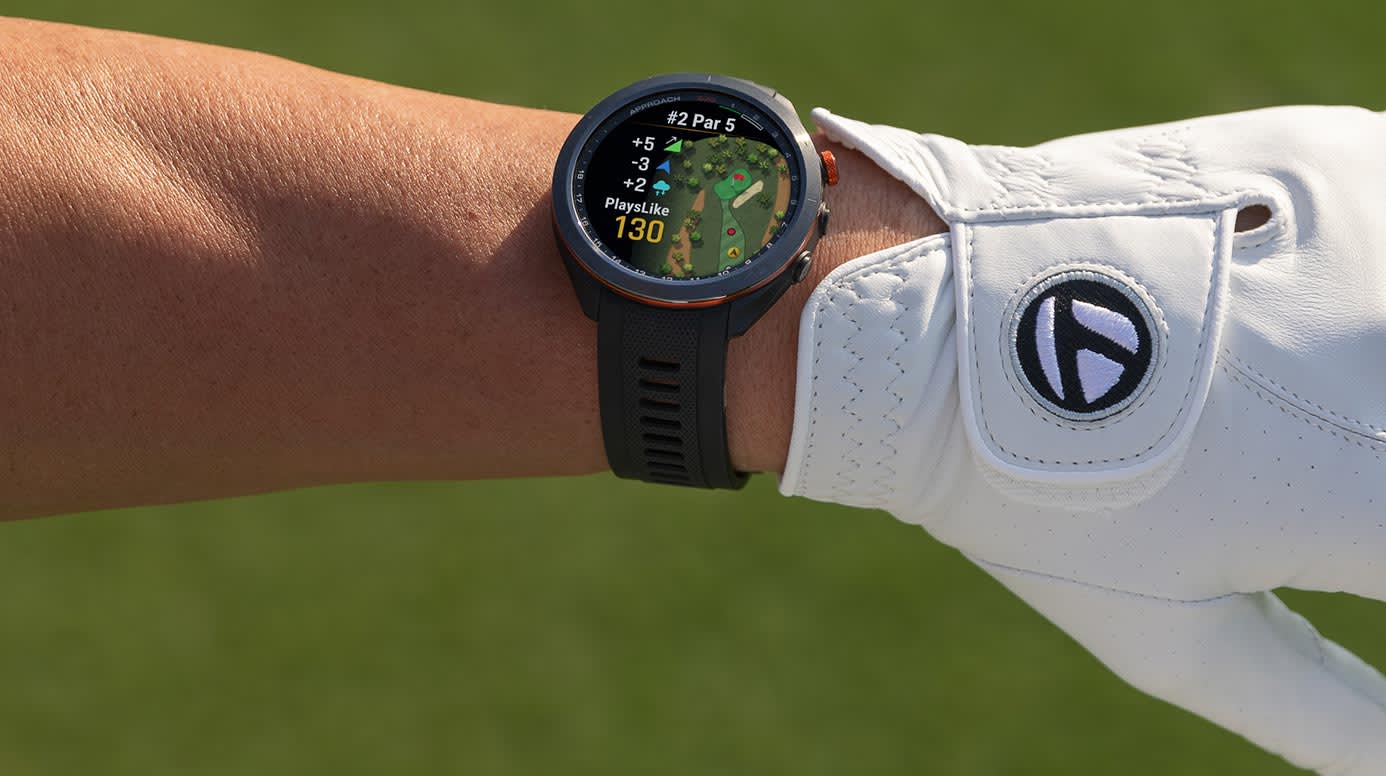
GPS golf watches are not just for tracking your golf game. Many models also include fitness features. These watches help monitor steps, heart rate, and calories burned. They combine golf tracking with health monitoring. This makes them useful for everyday fitness and sports activities.
Choosing a GPS golf watch with fitness features means you get two devices in one. You can track your golf performance and stay active with health data. Let’s explore some of the top models and see how users feel about their fitness tracking abilities.
Popular Models Reviewed
The Garmin Approach S62 is a favorite among golfers. It offers detailed golf maps and heart rate monitoring. It tracks steps, sleep, and stress levels too. The Bushnell iON Edge has solid GPS for golf and basic fitness tracking like step count. The SkyCaddie LX5 provides accurate golf data and tracks daily activity.
The Garmin Approach S40 is another option. It includes golf stats and fitness tracking features. It monitors activity, heart rate, and sleep. The Shot Scope V3 combines shot tracking with fitness metrics. It records distance walked and calories burned during rounds.
User Feedback On Fitness Tracking
Users find fitness tracking in GPS golf watches helpful. Many say heart rate monitoring works well. Step counting is generally accurate. Some users note sleep tracking can be less precise. Fitness features encourage more movement off the golf course.
Many golfers appreciate having fitness data in one device. It helps them stay healthy and improve golf performance. Some users want more advanced fitness options. Overall, fitness tracking adds value to GPS golf watches.
Limitations Of Fitness Tracking On Golf Watches
Golf watches with GPS offer some fitness tracking features. They help track steps and heart rate. Yet, their fitness tracking has limits. These limits affect accuracy and usability for fitness purposes. Understanding these issues helps decide if a golf watch meets your fitness needs.
Battery Life Constraints
Golf watches focus on GPS use, which drains battery fast. Using fitness tracking features reduces battery life more. Long golf rounds and fitness tracking can quickly empty the battery. Users may need to recharge often, disrupting continuous fitness monitoring.
Sensor Limitations
Golf watches have fewer sensors than dedicated fitness trackers. Heart rate sensors may be less precise during intense exercise. They lack advanced sensors like SpO2 or VO2 max monitors. This limits detailed fitness data and health insights.
Data Syncing And App Integration
Golf watches often sync with golf apps primarily. Fitness data syncing can be limited or less smooth. Integration with popular fitness platforms may be weak or missing. This makes it harder to analyze fitness progress over time.
Maximizing Fitness Benefits On Your Golf Watch
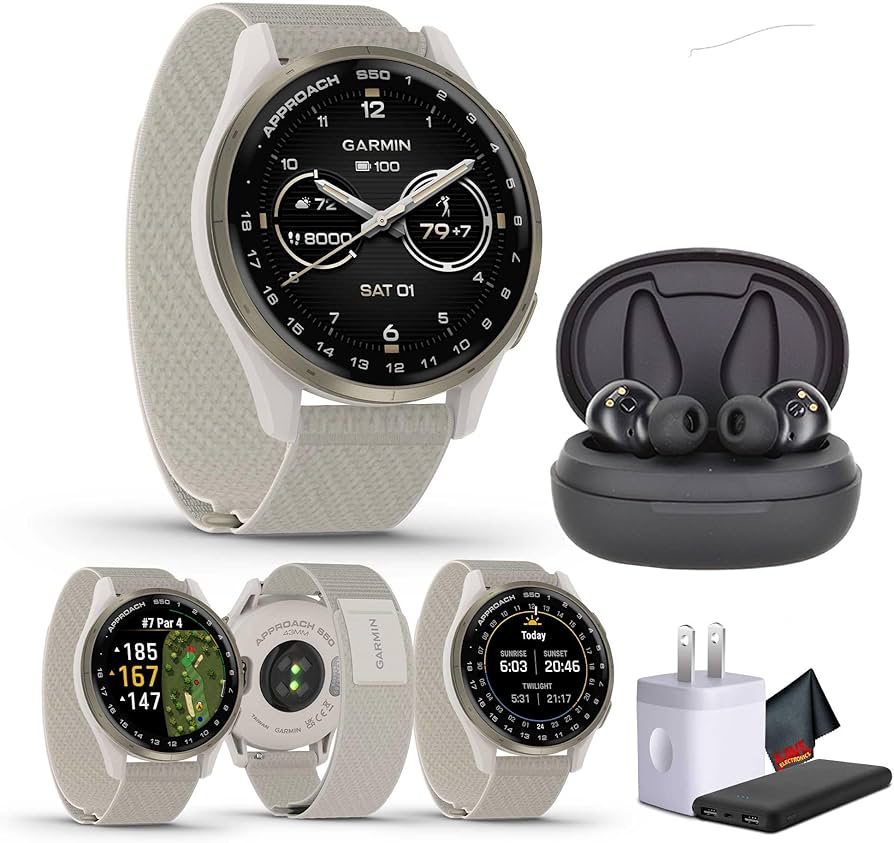
Maximizing fitness benefits on your golf watch can improve both your golf skills and health. These watches do more than track your shots. They also monitor your heart rate, steps, and calories burned. Using these features well helps you stay active and healthy while enjoying golf.
Understanding how to use the fitness data correctly makes a difference. It helps you see your progress and find ways to get fitter with every round you play. Let’s explore some tips to get the most accurate tracking and how to use your fitness data to improve your health.
Tips For Accurate Tracking
Wear your golf watch snugly on your wrist for best results. Loose watches can give wrong heart rate readings. Make sure the watch is clean and the sensors are not blocked. Start tracking before you begin your round to capture all activity.
Keep the watch updated with the latest software. Updates often fix bugs and improve tracking accuracy. Use the right sport mode if your watch has multiple options. This helps the device focus on golf-related movements.
Using Fitness Data To Improve Health
Check your daily step count and try to increase it gradually. More steps mean more activity and better fitness. Watch your heart rate zones to understand how hard your body is working. Aim for moderate intensity to boost endurance.
Use calorie data to balance your energy intake and output. This helps with weight management and overall health. Track your progress over time to stay motivated. Small improvements add up to big health benefits.
Frequently Asked Questions
Do Gps Golf Watches Monitor Daily Fitness Activities?
Yes, many GPS golf watches track daily fitness metrics like steps, calories, and heart rate. They provide insights to improve overall health alongside golf performance.
Can Gps Golf Watches Track Heart Rate During Play?
Most GPS golf watches include a heart rate monitor. This helps golfers manage stress and optimize their fitness during rounds.
Are Fitness Tracking Features Accurate On Golf Gps Watches?
Fitness tracking on GPS golf watches is generally accurate for steps and heart rate. However, accuracy may vary by brand and model.
Do Golf Gps Watches Measure Calories Burned While Playing?
Yes, these watches estimate calories burned using heart rate and activity data. This helps golfers understand their physical exertion during play.
Conclusion
GPS golf watches do track fitness in useful ways. They count steps and measure heart rate. You can see how active you are during a game. Some models track calories burned too. This helps golfers stay healthy and fit. The watch shows data clearly on your wrist.
It fits well into daily exercise routines. So, a GPS golf watch is more than just a golf tool. It supports your overall fitness goals quietly and simply. Worth considering for both golf and fitness tracking.


