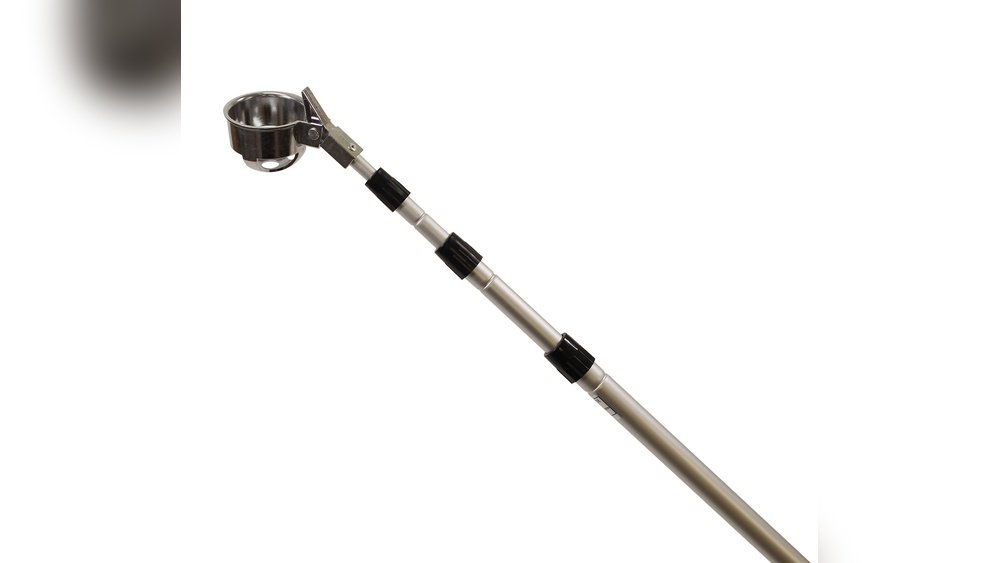
Have you ever lost a golf ball in a pond or thick rough and wished you had a tool to get it back? Golf ball retrievers are designed to save your game and your money.
But here’s a question you might not have thought about: Do golf ball retrievers rust? If you want your retriever to last and work perfectly every time, understanding how rust affects it is key. Keep reading to find out what causes rust, how it impacts your retriever, and the simple steps you can take to protect your gear.
This knowledge will help you make smarter choices and keep your golf outings hassle-free.
Materials Used In Golf Ball Retrievers
Golf ball retrievers come in different materials. The choice of material affects durability, weight, and resistance to rust. Understanding these materials helps golfers pick the right retriever. Some materials last longer and need less care. Others are lighter and easier to use.
Common Metals And Alloys
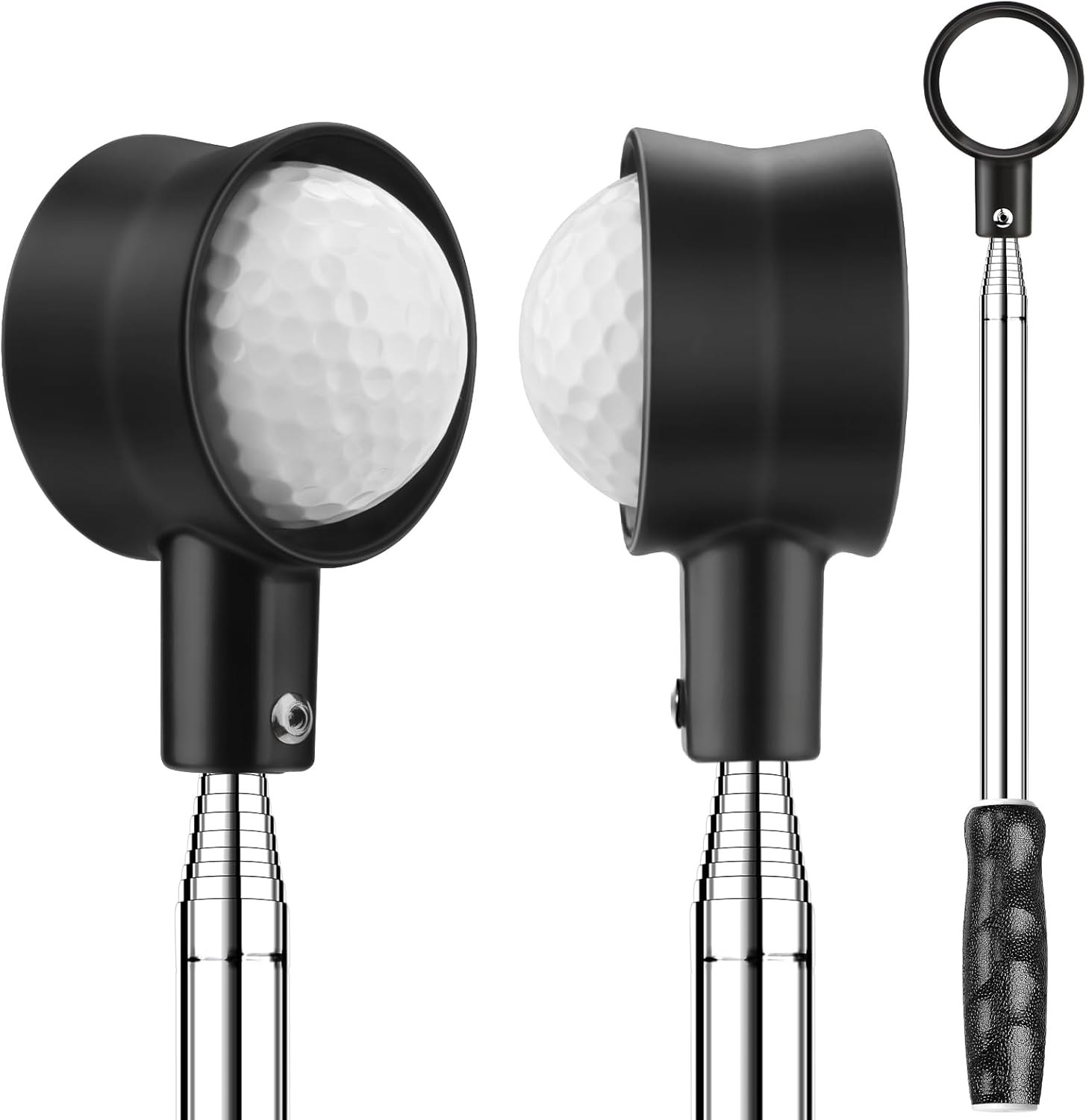
Many retrievers use metals like stainless steel and aluminum. Stainless steel resists rust well. It stays strong even after water exposure. Aluminum is light and won’t rust easily. Both metals can handle rough use on the course. Some retrievers use alloys, mixing metals for better strength. Metal retrievers often have a long life span.
Plastic And Composite Options
Some retrievers use plastic or composite materials. These are very light and do not rust. Plastic parts can be less strong but easier to carry. Composite retrievers mix plastic with fibers for more strength. They work well in wet conditions without damage. These options need less cleaning and dry quickly. Plastic retrievers suit golfers wanting low maintenance tools.
How Rust Forms On Retrievers
Golf ball retrievers often face harsh conditions. Rust forms on these tools through natural chemical reactions. This process weakens the metal and shortens the tool’s life. Understanding how rust forms helps you protect your retriever better.
Exposure To Water And Humidity
Water triggers rust by reacting with metal. Even small drops left on the retriever start the process. Humid air adds moisture, speeding rust formation. Storing retrievers in dry places slows down rust.
Role Of Salt And Chemicals
Salt and chemicals increase rust damage. Salt from sea air or golf course maintenance is very corrosive. Chemicals can break down protective coatings on metal. This exposure makes rust form faster and deeper.
Signs Of Rust On Golf Ball Retrievers
Golf ball retrievers often spend time in water and damp grass. These wet conditions can cause rust. Rust weakens the metal and shortens the tool’s life.
Detecting rust early helps keep your retriever in good shape. Rust appears in clear ways. Knowing these signs helps you act fast.
Visual Indicators
Rust usually shows as orange or reddish-brown spots. These spots can be small or cover large areas. The metal may look rough or flaky in rusty places. Sometimes, rust forms bubbles under the paint or coating. Look closely at joints and the telescoping parts. These areas often show rust first.
Impact On Functionality
Rust makes the retriever hard to extend or retract. The metal parts may stick or jam during use. Rust can weaken the frame, causing bends or breaks. A rusty retriever might lose grip strength on the ball. Rust also makes the tool look old and worn. Using a rusty retriever may reduce your confidence on the course.
Preventing Rust Damage
Rust can damage golf ball retrievers and reduce their lifespan. Preventing rust helps keep your retriever strong and working well. Simple care steps can stop rust from forming. Follow easy tips to protect your retriever from rust damage.
Proper Cleaning Techniques
Clean your retriever after every use. Remove dirt and water quickly. Use a soft cloth or sponge with mild soap. Avoid harsh chemicals that can wear the metal. Dry the retriever completely before storing it. This keeps moisture from causing rust.
Storage Tips
Store your retriever in a dry place. Avoid leaving it in wet or humid spots. Keep it away from rain or puddles. Use a protective case or bag if possible. Proper storage stops moisture buildup and rust formation.
Protective Coatings And Treatments
Apply a thin layer of oil to metal parts. Use products designed for rust prevention. Wax or spray coatings can also protect your retriever. These create a barrier against water and air. Regular treatments keep rust from starting.
Rust-resistant Retriever Options
Golf ball retrievers often face water and wet conditions on the course. Choosing a rust-resistant model ensures your tool lasts longer. Rust-resistant retrievers stay strong and look good after many uses. They require less care and keep working smoothly. This section highlights popular rust-free options for golf ball retrievers.
Stainless Steel Models
Stainless steel retrievers resist rust well. This metal contains chromium, which blocks rust from forming. These models hold up against water and mud. They remain shiny and sturdy over time. Stainless steel retrievers often cost more but last many years. They feel heavier, giving a solid grip and control. Easy to clean and low maintenance, they are a top choice.
Aluminum And Other Rust-free Choices
Aluminum retrievers are light and rust-free. This metal does not corrode in wet conditions. Aluminum models are easier to carry during long rounds. They may not be as strong as stainless steel but work well for most golfers. Some retrievers use plastic or fiberglass parts that never rust. These materials keep the retriever lightweight and durable. Rust-free choices save money on replacement and repair.

Maintenance Tips For Longevity
Golf ball retrievers often face water and dirt. These elements can cause rust and damage. Proper care can keep them working longer. Simple maintenance steps prevent rust and improve performance.
Regular Inspection
Check your retriever after each use. Look for signs of rust or wear. Small rust spots can spread quickly. Early detection helps avoid bigger problems. Inspect joints and the telescoping mechanism carefully. Tighten any loose parts to keep it stable. Clean off dirt and moisture to protect metal surfaces.
Lubrication And Care
Apply a light oil or spray to moving parts regularly. Lubrication stops rust and keeps the retriever smooth. Wipe off excess oil to avoid dirt buildup. Store the retriever in a dry place after use. Avoid leaving it wet or outside for long times. Dry it thoroughly before storage to prevent moisture damage.
When To Replace A Rusted Retriever
A rusted golf ball retriever can cause problems during your game. Knowing when to replace it keeps your play smooth and safe. Rust weakens the metal and affects how well the retriever works. It is important to watch for signs that show the retriever needs replacing. Here are key points to help you decide.
Safety Concerns
Rust makes the retriever metal weak and brittle. It may break suddenly during use. Broken parts can cause cuts or injuries. Rust can also leave sharp edges. These edges can hurt your hands or fingers. A rusted retriever may not hold the ball properly. This can lead to slips and falls near water or rough areas. Using a strong, rust-free retriever keeps you safe on the course.
Performance Issues
Rust slows down the retriever’s action. It can stick or jam when extended. A rusty retriever may not grab or hold the ball well. This causes frustration and wasted time. The retriever’s length or shape might change due to corrosion. This makes reaching balls harder. A smooth, rust-free retriever works faster and easier. It helps you retrieve golf balls without trouble.
Frequently Asked Questions
Do Golf Ball Retrievers Rust Easily?
Golf ball retrievers can rust if made from low-quality metal. Stainless steel models resist rust better. Proper drying and storage also prevent rust formation, keeping your retriever in good condition.
How To Prevent Rust On Golf Ball Retrievers?
Rinse your retriever with fresh water after use. Dry it completely before storage. Store in a dry place to avoid moisture exposure. Using rust-resistant materials helps reduce rust risk.
Are Stainless Steel Retrievers Rust-proof?
Stainless steel retrievers are highly resistant to rust but not entirely rust-proof. They withstand moisture better than other metals. Regular cleaning and drying still help maintain their rust resistance.
Can Rust Affect Golf Ball Retriever Performance?
Yes, rust can weaken the metal and cause damage. It may reduce the retriever’s durability and functionality. Regular maintenance prevents rust, ensuring smooth operation and longevity.
Conclusion
Golf ball retrievers can rust if left wet or stored outside. Choosing rust-resistant materials helps prevent damage. Regular cleaning and drying extend the retriever’s life. Simple care keeps it working well for many rounds. Rust does not have to end your retriever’s use.
Small steps protect your gear and save money. Use your retriever with confidence on the course.


