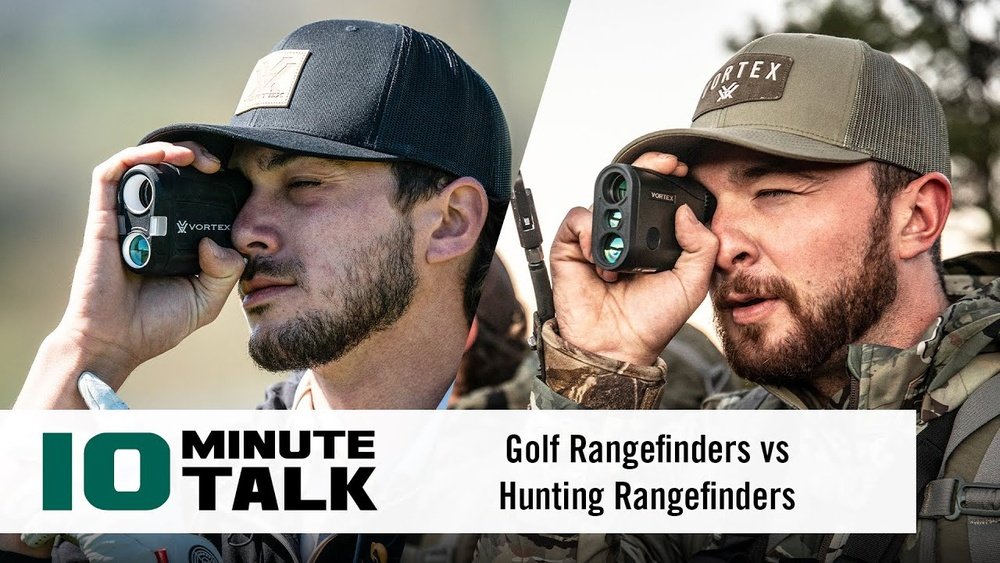
Are you wondering whether a rangefinder designed for hunting can also work on the golf course? Or maybe you’re trying to figure out which type suits your needs best.
Understanding the difference between hunting and golf rangefinders can save you time, money, and frustration. This article will break down exactly what sets them apart, helping you choose the perfect tool to improve your game or your hunt. Keep reading to discover how the right rangefinder can give you a clear advantage in the field or on the green.
Purpose And Usage
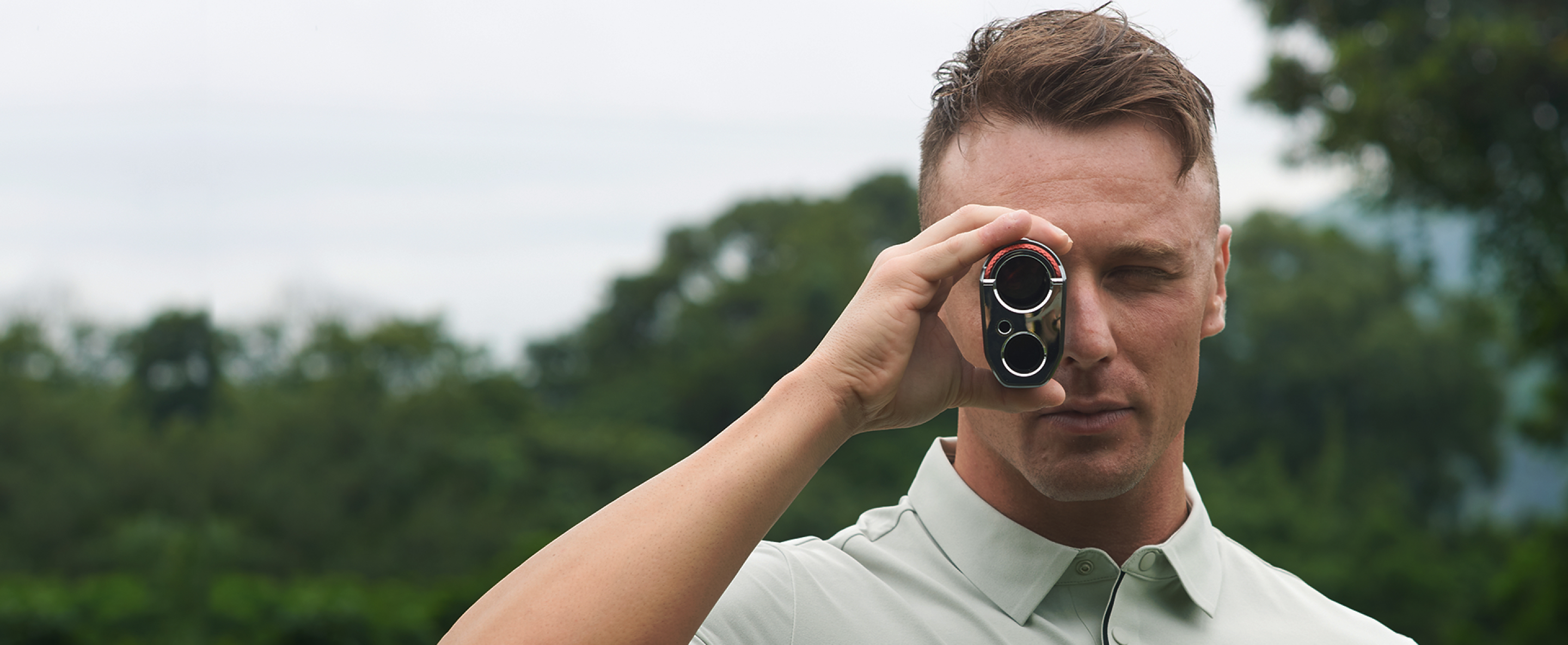
Rangefinders serve different purposes in hunting and golf. Both help measure distance but in distinct ways. Understanding their usage helps pick the right tool for each activity.
Hunting Rangefinder Applications
Hunting rangefinders measure distance to animals or targets quickly. They provide fast, accurate readings to improve shot precision. Hunters use them in forests or fields, often in low light. Many models offer features like angle compensation and target priority. These help adjust for terrain and focus on animals, not background. Durability and weather resistance are important for hunting use. Rangefinders assist hunters in making ethical and effective shots.
Golf Rangefinder Applications
Golf rangefinders measure distance to the flag, hazards, or fairway edges. They help golfers choose the right club for each shot. Accuracy is key to improving shot strategy and score. Golf rangefinders often include slope features to adjust for elevation changes. They are designed for use on open golf courses in clear weather. Many models offer easy-to-read displays and simple controls. Golfers rely on rangefinders to improve their game step by step.
Design And Durability
Design and durability are key factors that separate hunting and golf rangefinders. Each type must endure different environments and tasks. The way they are built reflects these needs clearly.
Build Quality For Hunting
Hunting rangefinders have strong, rugged bodies. They often use tough materials like rubber and reinforced plastic. This makes them shockproof and weather-resistant. Hunters need gear that works in rain, cold, and rough terrain. Many hunting models also have water resistance or waterproof ratings. The grip is usually textured for easy handling, even with gloves. Compact design helps hunters carry them without hassle. Durability is a top priority to last through tough outdoor conditions.
Golf Rangefinder Design Traits
Golf rangefinders focus on lightweight and sleek design. They are often smaller and easier to hold for quick use. The materials used are less rugged but still durable. Many have a smooth finish and bright screens for clear readings. Weather resistance is moderate since golf courses have milder conditions. The design aims for comfort and convenience during play. Some models include features like magnetic mounts or clips for easy access. Durability supports regular use on the golf course but not harsh outdoor extremes.
Range And Accuracy
Range and accuracy are key factors in choosing a rangefinder. Both affect how well you can measure distances. Yet, hunting and golf require different strengths in these areas. Understanding these differences helps you pick the right tool for your needs.
Distance Capabilities In Hunting
Hunting rangefinders need to measure long distances. Hunters often spot targets hundreds of yards away. The device must work well in different light and weather conditions. A good hunting rangefinder can read over 1,000 yards. It also shows exact distance quickly. This helps hunters aim and shoot with confidence.
Precision Needs In Golf
Golf rangefinders focus on precise, short-range measurements. Golfers need accuracy within a yard or less. Shots are usually under 400 yards. The device helps golfers choose the right club. It must provide consistent, reliable readings. Small errors can affect the score. Therefore, golf rangefinders prioritize fine detail over extreme distance.
Features And Technology
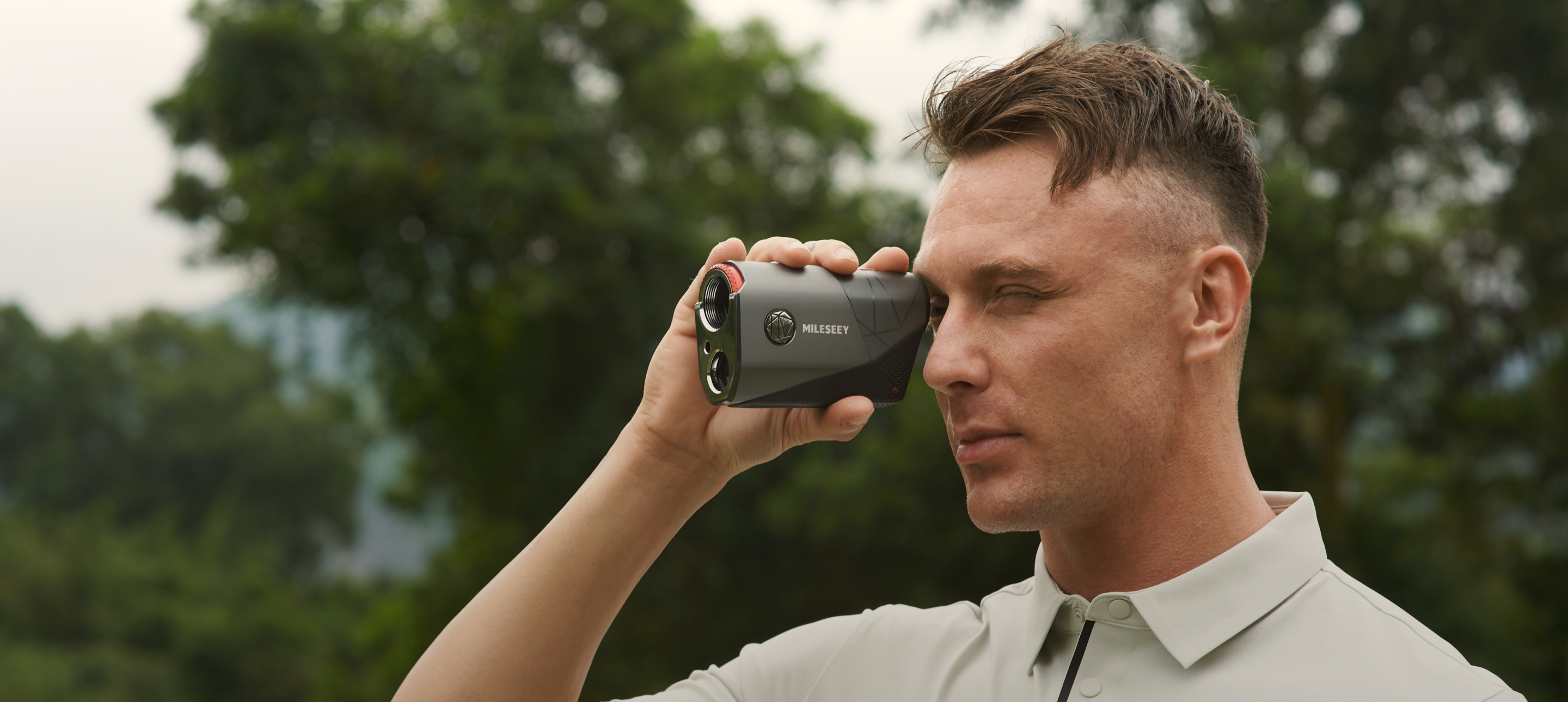
Rangefinders for hunting and golf look similar but work very differently. Their features and technology suit the needs of each sport. Hunters need tools that help with accuracy in wild settings. Golfers want devices to improve their shots on the course. Both use laser and optics but apply them in unique ways.
These differences affect how each rangefinder measures distances and adjusts for conditions. Understanding these features helps you choose the right device for your activity.
Ballistic Calculations For Hunters
Hunting rangefinders include ballistic calculators. They help predict where a bullet will hit. These tools consider distance, bullet speed, and drop. Wind speed and temperature can also affect shots. The calculator adjusts the aiming point for these factors. This feature helps hunters shoot accurately at different ranges.
Some advanced models store data for different guns and bullets. This saves time and improves precision. Ballistic calculations make hunting safer and more effective.
Slope And Angle Adjustments In Golf
Golf rangefinders focus on slope and angle adjustments. Golf courses have hills and uneven terrain. These can change the true distance to the hole. The device measures the angle of the shot and adjusts the distance. This helps golfers choose the right club.
Slope mode shows the “effective” distance, not just the straight line. Some golf rangefinders let you turn off slope mode during tournaments. This keeps play fair and follows the rules. Angle adjustments improve shot planning and lower scores on the course.
User Interface And Ease Of Use
User interface and ease of use are key factors in choosing a rangefinder. Both hunting and golf rangefinders offer unique designs and controls. These differences affect how quickly and easily users can operate the device. Understanding these aspects helps select the right tool for your needs.
Controls For Hunting Rangefinders
Hunting rangefinders often have rugged buttons. These buttons are easy to press with gloves on. The controls focus on quick access to distance and target modes. Menus are simple and not crowded. The display is clear, even in low light. This helps hunters make fast decisions. The interface is usually minimal to avoid confusion. Users can switch between modes without hassle.
Golf Rangefinder User Experience
Golf rangefinders have more detailed interfaces. They show distances to hazards and flagsticks. The controls include buttons or touch screens. These allow users to scroll through different measurements. The display often has colorful graphics. It helps golfers understand distances quickly. Some models have slope adjustment features. The user experience focuses on precise information. It supports better club selection and shot planning.
Price And Value
Price and value play a big role in choosing between hunting and golf rangefinders. Both types have different features that affect their cost. Understanding these differences helps buyers pick the best device for their needs and budget.
Cost Factors In Hunting Models
Hunting rangefinders often cost more because they need stronger features. They require better durability for rough outdoor use. Many also include advanced technology like angle compensation and fast scanning. These features make hunting devices pricier but useful in the field. Battery life is another factor that adds to the cost. A longer battery helps hunters stay ready for longer periods.
Pricing Trends In Golf Rangefinders
Golf rangefinders generally have a wider price range. Basic models are affordable and good for beginners. More advanced versions include slope measurement and wind adjustment features. These extras raise the price but improve game performance. Golf rangefinders focus on accuracy over distance. This specialization affects how much buyers pay. Lightweight designs and easy-to-use interfaces also influence pricing in golf devices.
Choosing The Right Rangefinder
Choosing the right rangefinder matters. It helps you get accurate distance readings. This improves your aim and overall experience. Different needs call for different features. Hunters and golfers require specific tools for success. Understanding these needs will guide your choice.
Factors For Hunters
Hunters need rangefinders with fast and precise readings. A clear display in low light is essential. Rugged and weatherproof designs work best outdoors. Long-range capabilities help when spotting distant targets. Some models include angle compensation for shooting on slopes.
Considerations For Golfers
Golfers want rangefinders that provide quick and easy distance checks. Pin-seeking features help find the flagstick accurately. Compact and lightweight devices fit easily in a golf bag. A clear screen that works in bright sunlight is important. Battery life should last through a full round of golf.
Frequently Asked Questions
What Is The Main Difference Between Hunting And Golf Rangefinders?
Hunting rangefinders focus on longer distances and target identification. Golf rangefinders prioritize distance accuracy to flags and hazards on the course. Each is optimized for specific uses and environments.
Can Hunting Rangefinders Be Used For Golf?
Yes, but hunting rangefinders may lack golf-specific features like flag-lock and slope adjustment. Golf rangefinders offer more precise yardage for gameplay. Using hunting devices in golf might reduce accuracy and convenience.
Why Do Golf Rangefinders Have Slope Features?
Slope features calculate elevation changes to improve distance accuracy. This helps golfers adjust their shots for uphill or downhill lies. Hunting rangefinders usually don’t include this feature as it’s less critical.
Are Hunting Rangefinders More Durable Than Golf Rangefinders?
Generally, hunting rangefinders are built tougher for rugged outdoor use. They often have waterproof and shockproof designs. Golf rangefinders focus more on lightweight portability and may be less rugged.
Conclusion
Hunting and golf rangefinders serve different needs and settings. Hunting rangefinders focus on speed and durability in rough conditions. Golf rangefinders provide precise distance measurements and extra features for the course. Choosing the right type depends on your activity and preferences.
Both help improve accuracy and performance in their fields. Knowing the differences helps you pick the best tool for your purpose. Simple and clear choices make your experience better and more enjoyable.


