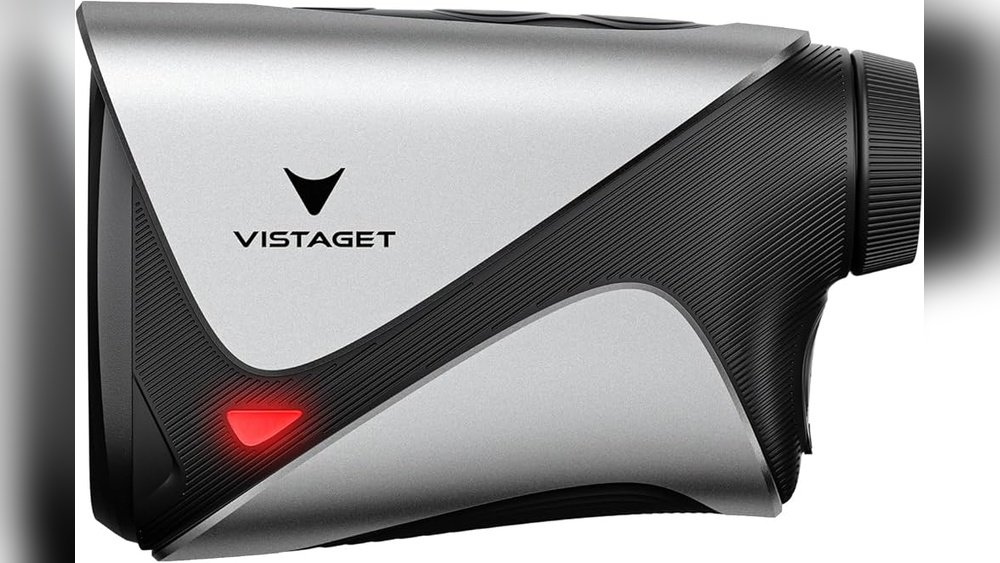
Have you ever found yourself on the golf course when the rain starts falling and wondered if your rangefinder will still work? You rely on this handy device to get accurate distances and improve your game, but wet conditions can make you second-guess its performance.
What if your rangefinder stops working just when you need it most? You’ll discover the truth about using golf rangefinders in the rain, how to protect your gear, and tips to keep your game on track no matter the weather.
Keep reading to make sure your next rainy round doesn’t ruin your shot.
Golf Rangefinders And Weather
Golf rangefinders help players measure distances on the course. Weather can affect their performance. Rain is a common concern for many golfers. Understanding how rain impacts rangefinders helps you use them better. Knowing the water resistance of your device protects your investment. Let’s explore how rain affects rangefinder accuracy and what water resistance ratings mean.
How Rain Affects Rangefinder Accuracy
Rain can cause blurry or unclear readings on rangefinders. Water droplets on the lens block the laser beam. This interference makes it hard to get correct distance measurements. Heavy rain can scatter the laser light, reducing accuracy. Light rain might only cause minor issues, but it still affects results. Some rangefinders use advanced technology to reduce rain impact. Still, it is best to keep the lens dry for clear readings.
Water Resistance Ratings Explained
Water resistance ratings show how well a rangefinder handles moisture. Most devices have an IP rating, like IPX4 or IPX7. The first number shows protection against solids like dust. The second number shows water resistance level. IPX4 means the device resists splashes from all directions. IPX7 means it can survive being submerged in water for a short time. Choosing a rangefinder with a good water resistance rating helps in rainy conditions. Always check the rating before buying or using your rangefinder in wet weather.
Choosing Rain-proof Rangefinders
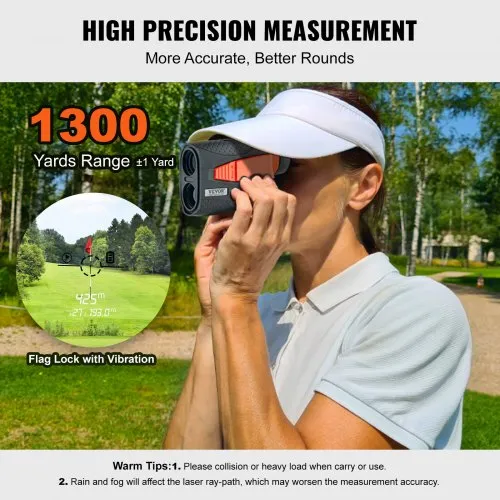
Choosing a rain-proof rangefinder is key for golf in wet weather. A rangefinder that works well in rain helps keep your game steady. It saves time and avoids mistakes in measuring distance. Not all rangefinders handle water the same way. Some have special features to protect them from rain. Knowing what to check before buying helps you pick the best one.
Durability and clear vision matter most in wet conditions. You want a device that stays dry inside. Also, it should show the distance clearly through raindrops or fog. Some rangefinders are sealed to stop water from entering. Others have coatings that reduce glare and moisture on the lens. These features keep the device reliable on rainy days.
Top Features For Wet Conditions
Water resistance is the first feature to check. Look for devices with an IP rating of at least IPX4. This means they can handle splashes and light rain without damage. A rubberized or textured grip helps prevent slipping. This is useful when your hands are wet.
Anti-fog lenses are important. They keep the view clear even in humid or cold rain. Fast and accurate distance readings make the game smoother. Some rangefinders use special laser technology that works well through rain drops. Battery life also matters. Choose a model that lasts long in cold and damp weather.
Best Models For Rainy Days
Some rangefinders are built for tough weather. Look for names known for quality and weather resistance. Models with sealed bodies and strong IP ratings stand out. Brands often list if their product works in rain or fog. User reviews can help confirm real-world performance in wet conditions.
Check if the device offers a clear, bright display. This helps see distances even in low light or cloudy skies. Lightweight models are easier to hold steady during rain. A compact size fits well in pockets or golf bags. This protects them from water when not in use.
Choosing the right rain-proof rangefinder makes golf easier and more fun. It ensures you can play without worry about weather problems. Focus on water resistance, clear view, and reliable readings for best results.
Using A Rangefinder In The Rain
Using a golf rangefinder in the rain can be tricky but still possible. Rain can affect the device’s performance and your grip. Many modern rangefinders have water-resistant features. Yet, extra care is needed to keep the device safe and working well. Understanding how to use and protect your rangefinder in wet weather is key.
Handling And Maintenance Tips
Hold the rangefinder firmly to avoid slipping. Use a towel or cloth to wipe off water drops often. Avoid pressing buttons with wet fingers to keep moisture out. After playing, dry the rangefinder carefully with a soft cloth. Store it in a dry place to prevent damage. Check the batteries regularly, as cold and wet weather can drain them faster.
Protective Accessories To Consider
Use a waterproof cover or case designed for rangefinders. These protect against rain and splashes during your game. Lens covers help keep the glass clean and clear. A wrist strap can prevent accidental drops in slippery conditions. Some golfers use small microfiber cloths to clean the lens quickly. These accessories help your rangefinder last longer and work better in the rain.
Alternatives When Rangefinders Struggle
Rain can make using a golf rangefinder difficult. Water droplets on the lens or poor visibility can affect accuracy. When rangefinders struggle, golfers need other ways to measure distance. These alternatives help keep your game steady despite the weather.
Using Gps Devices
GPS devices work well in rainy conditions. They use satellite signals to show exact yardage. You don’t need clear sight like with a rangefinder. Many golf GPS units come as watches or handheld devices. They provide distances to hazards, greens, and fairways. GPS devices are simple to use and reliable in bad weather.
Traditional Yardage Estimation Techniques
Traditional methods never go out of style. Estimating yardage by pacing is a good option. Count your steps from a known point to the ball. Another method is using course markers like signs and flags. Familiarity with the course helps improve estimates. These techniques work anytime and do not rely on technology.
Expert Advice For Rainy Golf Rounds
Playing golf in the rain can be tricky. The wet weather affects your shots and the course conditions. Using a golf rangefinder is still helpful but requires some care. Experts share tips to keep your game strong and stay safe on rainy days.
Adjusting Your Game Strategy
Rain changes how the ball moves and lands. Expect less roll after the ball hits the ground. Choose clubs that add more distance. Swing smoothly to keep control in slippery conditions. Keep your stance steady to avoid slipping. Use the rangefinder often to check distances carefully. Wet grass can hide hazards, so be cautious. Plan shorter shots to stay accurate.
Safety Precautions On Wet Courses
Wet courses are slippery and can cause falls. Wear shoes with good grip for better balance. Walk carefully on slopes and near water. Use a rain cover for your rangefinder to protect it. Avoid standing under trees during storms. Keep your golf cart on dry paths only. Check the weather forecast before playing. Stop play if lightning appears to stay safe.

Frequently Asked Questions
Can Golf Rangefinders Work Effectively In The Rain?
Most golf rangefinders are water-resistant but not fully waterproof. Light rain usually won’t affect performance. Heavy rain may reduce accuracy and visibility. Always check your device’s water resistance rating before use.
Will Rain Damage My Golf Rangefinder Permanently?
Rain rarely causes permanent damage if the device is water-resistant. Prolonged exposure to heavy rain without protection can harm internal components. Dry your rangefinder immediately after use in wet conditions to maintain its longevity.
Are There Golf Rangefinders Designed For Wet Weather?
Yes, some models feature full waterproofing and fog-proof lenses. These are ideal for wet or humid climates. Investing in a weatherproof rangefinder ensures consistent performance regardless of rain.
How Does Rain Affect Rangefinder Accuracy?
Rain can interfere with laser signals and reduce visibility. This may cause less accurate distance readings. Using a rangefinder with better rain-resistant technology minimizes these issues.
Conclusion
Golf rangefinders can work in the rain, but with limits. Water drops may blur the lens or affect accuracy. Choose a rainproof or water-resistant model for best results. Keep the lens clean and dry when possible. Small rain won’t stop your game if you prepare well.
Always check your device’s weather rating before use. Playing smart helps keep your shots on target, even in wet weather. Rain doesn’t have to end your round. Stay ready and enjoy your game, no matter the skies.


