Are you struggling to improve your golf swing despite countless hours on the course? You might be wondering if a swing trainer could be the shortcut you need instead of spending money on golf lessons.
It’s tempting to think that a simple device can fix all your problems, but is that really true? Before you make a decision, it’s important to understand what a swing trainer can do for you—and where it might fall short.
Keep reading to discover whether a swing trainer can truly replace golf lessons and help you take your game to the next level.
How Swing Trainers Work
Swing trainers help golfers improve their technique by guiding their movements. They focus on key parts of the golf swing. These tools offer feedback and practice support. Understanding how swing trainers work helps you decide their value.
Types Of Swing Trainers
Many swing trainers exist to fit different needs. Some are simple devices like weighted clubs. Others use sensors to track your swing. There are also mechanical trainers that correct your form. Each type targets a specific skill or problem.
Technology Behind Swing Trainers
Modern swing trainers use sensors and motion tracking. These tools measure speed, angle, and position. Data is sent to apps or screens for instant feedback. Some use lasers or cameras to analyze swings. Technology helps players understand their mistakes clearly.
Benefits Of Using Swing Trainers
Swing trainers improve muscle memory through repetition. They allow practice anytime without needing a coach. These devices show immediate results and help track progress. Using them can boost confidence and consistency on the course.
Limitations Of Swing Trainers
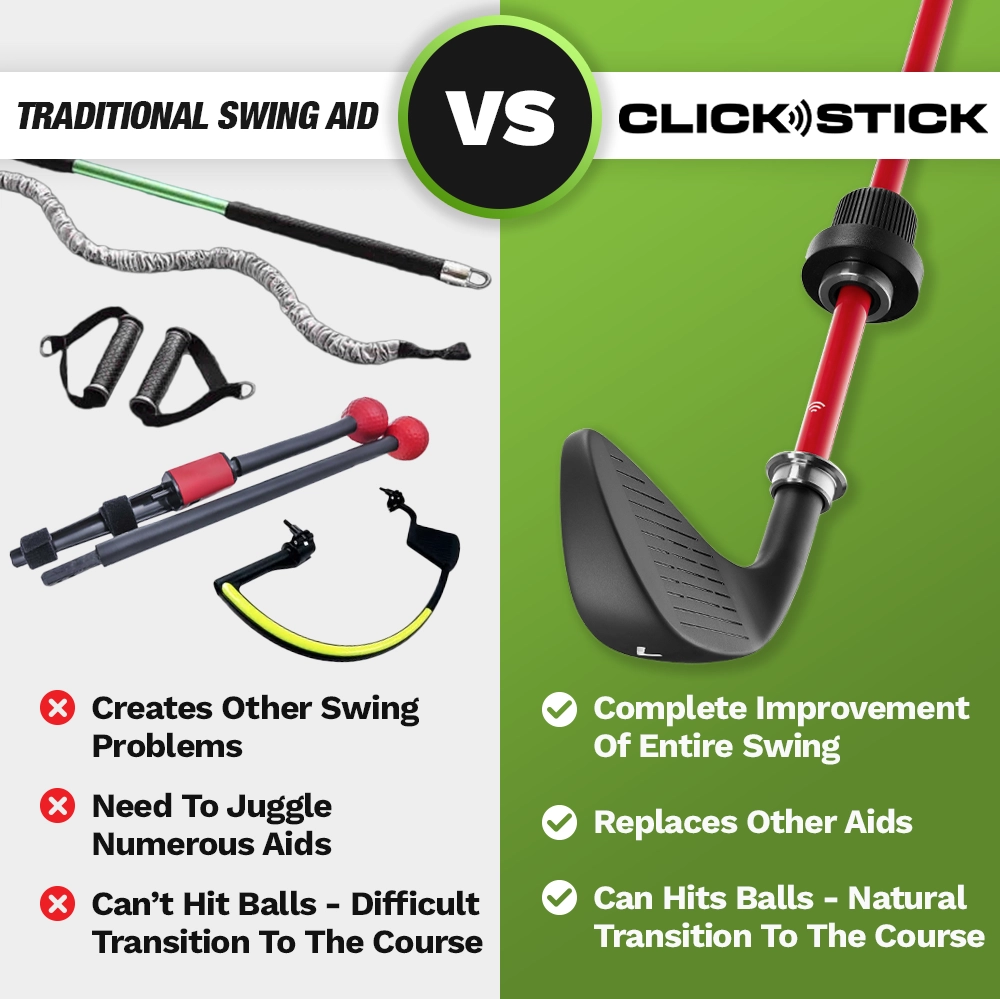
Swing trainers offer a handy way to practice golf swings at home or on the range. They help build muscle memory and improve basic swing mechanics. Still, these tools have clear limits that affect their effectiveness compared to professional golf lessons. Understanding these limits helps you decide if a swing trainer fits your needs.
Lack Of Personalized Feedback
Swing trainers do not provide direct feedback. They cannot see your unique swing flaws or body movements. A golf pro watches your swing and gives tailored advice. This personal touch helps fix mistakes faster. Swing trainers only show general guidance, missing important details.
Inability To Address Complex Issues
Many golf problems are complex and need expert analysis. Issues like swing plane, timing, and body alignment require careful study. Swing trainers focus on simple movements but cannot fix deep-rooted problems. Coaches use experience to solve these challenges step-by-step.
Dependence On User Discipline
Using a swing trainer well needs strong self-discipline. Without regular practice, progress slows or stops. Golf lessons create a schedule and keep you accountable. Swing trainers rely on your motivation and honesty to practice correctly. This can be difficult for some players.
Advantages Of Golf Lessons
Golf lessons offer clear benefits that a swing trainer cannot fully provide. They bring personal interaction and a depth of learning. Golf lessons help players improve faster and build solid habits. These lessons focus on more than just the swing. They cover all parts of the game. The guidance comes from a trained expert who understands each player’s needs.
Expert Guidance And Customization
A golf coach gives advice based on years of experience. They watch your swing closely and spot mistakes quickly. The coach changes lessons to fit your skill level and goals. This personal touch helps you improve areas that need work. Every player is different, and expert guidance respects this.
Real-time Corrections
During a lesson, the coach sees errors right away. They can correct your stance, grip, or swing immediately. This instant feedback stops you from forming bad habits. It keeps your practice efficient and focused. Real-time tips help you learn the correct way faster.
Comprehensive Skill Development
Golf lessons cover more than just swinging. Coaches teach putting, chipping, and course strategy. They also help with mental focus and managing pressure. This well-rounded training builds confidence on the course. A swing trainer usually focuses on one part only. Lessons develop all skills needed to play better golf.

Combining Swing Trainers With Lessons
Combining swing trainers with golf lessons offers a balanced way to improve your skills. Swing trainers provide extra practice outside lessons. Lessons guide you with expert advice. Using both tools together helps you learn faster and play better.
Maximizing Practice Efficiency
Swing trainers allow focused practice on specific parts of your swing. You can practice anytime, anywhere without a coach. This helps build muscle memory and confidence. Practice with a trainer prepares you for lessons. You arrive ready to apply new tips immediately.
Enhancing Lesson Outcomes
Golf lessons give personalized feedback and correction. Trainers help you remember and repeat what you learn. Using a trainer between lessons keeps progress steady. This combination leads to better improvement over time. Lessons become more productive and targeted.
Balancing Technology And Human Coaching
Technology in swing trainers offers data and visual feedback. Coaches provide experience and adjust your swing based on feel. Both have strengths that complement each other. Using trainers supports what your coach teaches. Human insight remains vital for lasting skill growth.
What Experts Recommend
Experts have clear views about swing trainers and golf lessons. Both have their place in learning golf. Swing trainers help practice specific moves. Professional lessons guide overall skills and strategy. Knowing when to use each can boost progress.
When To Use Swing Trainers
Swing trainers are useful for practicing at home. They help build muscle memory for your swing. Use them to work on grip, tempo, or alignment. They also offer instant feedback on your form. Good for drills and repetitive practice.
They fit well for beginners and casual players. Also good for those who cannot visit a coach often. Swing trainers keep your skills sharp between lessons.
When To Seek Professional Lessons
Professional lessons offer personalized feedback. Coaches see mistakes a trainer cannot detect. They teach course strategy, shot selection, and mental game. Lessons help fix bad habits early. Good for serious players wanting steady improvement.
Experts suggest lessons at key points. Such as starting golf, after reaching a skill plateau, or before tournaments. Coaches create a plan tailored to your needs.
Integrating Both For Best Results
Combining swing trainers and lessons works best. Use trainers daily for practice and drills. Visit a coach regularly for guidance and correction. This balance helps build strong fundamentals.
Experts say this approach speeds learning and reduces frustration. It keeps practice focused and lessons productive. Both tools together create a smarter training plan.
Choosing The Right Approach For You
Choosing the right approach to improve your golf swing depends on several factors. Each golfer has unique needs and preferences. Understanding these can help you decide between a swing trainer and golf lessons. Consider your current skill, goals, budget, and schedule. This way, you pick the method that suits you best.
Assessing Your Skill Level
Start by knowing your current golf skills. Beginners might need more guidance to learn basics. Experienced players could benefit from fine-tuning specific parts of their swing. A swing trainer helps with practice and muscle memory. Golf lessons offer personalized feedback and correction. Honest self-assessment leads to better choices for improvement.
Setting Realistic Goals
Think about what you want to achieve in golf. Do you want to improve accuracy, distance, or consistency? Setting clear goals guides your practice. Swing trainers work well for steady, daily practice. Lessons focus on targeted improvements with a coach. Realistic goals keep you motivated and focused on progress.
Budget And Time Considerations
Look at how much time and money you can spend. Swing trainers are a one-time purchase and allow practice anytime. Golf lessons cost more and require scheduling with a coach. Consider how often you can practice or attend lessons. Choosing an option that fits your budget and time helps maintain long-term commitment.

Frequently Asked Questions
Can A Swing Trainer Fully Replace Golf Lessons?
A swing trainer can improve your technique but cannot fully replace golf lessons. Lessons provide personalized feedback and coaching. Trainers offer practice aid, while lessons address swing flaws and strategy in depth.
How Effective Are Swing Trainers For Beginners?
Swing trainers help beginners develop muscle memory and basic swing mechanics. However, initial lessons with a coach ensure correct fundamentals and prevent bad habits.
Do Swing Trainers Improve Golf Swing Consistency?
Yes, swing trainers promote consistent swing paths and timing. Regular practice with a trainer builds muscle memory, leading to more reliable shots on the course.
Are Swing Trainers Cost-effective Compared To Lessons?
Swing trainers are a one-time purchase, making them cost-effective long-term. Lessons require ongoing fees but offer expert guidance, which is valuable for serious improvement.
Conclusion
A swing trainer can help improve your golf swing at home. It offers practice and feedback anytime you want. Still, golf lessons provide personalized tips from a coach. Coaches spot mistakes and give advice you might miss alone. Combining both tools can boost your skills faster.
Swing trainers support practice, but lessons build strong basics. Choose what fits your learning style and budget best. Practice regularly and stay patient with your progress. Golf takes time, effort, and good guidance to improve well.


